

Acupuncture & Nervous System Regulation
Root-Cause, Integrative Acupuncture for Pain, Injury, Hormones, Digestion, and Whole-Body Healing
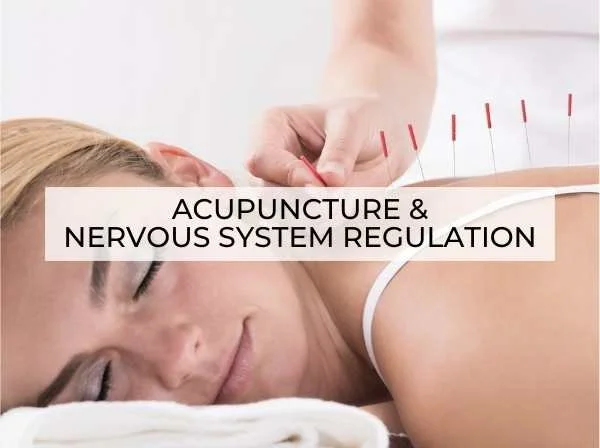
Precise, evidence-informed acupuncture blended with functional medicine, sports medicine, and nervous system regulation to treat pain, inflammation, stress, hormone imbalance, digestive issues, and chronic conditions at the root cause.
Why Acupuncture Is a Foundational Therapy at Denver Sports & Holistic Medicine
At Denver Sports & Holistic Medicine, acupuncture is far more than a pain-relief technique. It is a powerful physiological therapy that helps regulate the nervous system, reduce inflammation, and restore healthy function across multiple systems.
Using Traditional Chinese Medicine, electroacupuncture, functional medicine, and sports medicine principles, we address the deeper imbalances underlying pain, chronic symptoms, and stress-related dysfunction.
Modern research continues to confirm what Traditional Chinese Medicine has long understood: when the nervous system regulates, the body heals more effectively.
Our Root-Cause Approach
We integrate acupuncture with functional medicine, herbal therapy, and sports medicine to address the deeper imbalances underlying pain and chronic symptoms.
Nervous System Regulation
Acupuncture shifts the body from fight-or-flight into rest-and-repair, stabilizing the autonomic nervous system and improving vagal tone.
Pain & Inflammation Modulation
By influencing inflammatory signaling and improving microcirculation, acupuncture supports both acute and chronic pain relief.
Sports Medicine Integration
For structural pain or injury recovery, acupuncture enhances neuromuscular activation, improves mobility, and accelerates tissue repair.
Hormone & Digestive Support
Acupuncture modulates neuroendocrine pathways, supporting hormonal balance, digestion, and metabolic regulation.
How Acupuncture Promotes Whole-Body Healing
Acupuncture influences the nervous, endocrine, immune, and circulatory systems. When these systems regulate, physiology shifts into a state where healing becomes possible.
Key mechanisms include:
• Vagus nerve activation and parasympathetic support
• Improved circulation and microcirculation
• Reduced inflammatory signaling
• Endorphin and neuropeptide release
• Neuromuscular re-education and tension reduction
Conditions Commonly Supported With Acupuncture
Head Pain & Neurological Symptoms
• Headaches and migraines
• Facial pain and trigeminal neuralgia
• Neuropathy and neuralgia
• Post-stroke neurological symptoms
• Tinnitus, vertigo, and motion sickness
• Balance disorders
• Fibromyalgia and chronic widespread pain
Musculoskeletal & Structural Conditions
• Neck, back, shoulder, hip, and joint pain
• Sciatica and radiculopathy
• Sports injuries and overuse injuries
• Tendonitis, bursitis, ligament injuries
• Arthritis and chronic inflammatory pain
• Plantar fasciitis and nerve entrapments
Autoimmune & Inflammatory Conditions
• Hashimoto’s and Graves’ disease
• Rheumatoid arthritis
• Psoriasis and psoriatic arthritis
• Sjögren’s syndrome
• Chronic inflammatory disorders
• Immune dysregulation
Emotional Health & Nervous System Dysregulation
• Chronic stress and overwhelm
• Anxiety and emotional dysregulation
• Depression and low mood
• PTSD and trauma-related symptoms
• Sleep disturbances and insomnia
Energy, Cardiovascular, & Autonomic Issues
• Chronic fatigue and low energy
• Dizziness and poor stress tolerance
• POTS and dysautonomia
• Palpitations and circulatory dysregulation
• Preventive support for vitality and healthy aging
Metabolic Concerns
• Weight resistance and metabolic imbalance
• Blood sugar dysregulation
• Hypothyroid symptoms
• Cholesterol imbalance
• Sluggish metabolism and detoxification challenges
Women’s Health & Hormonal Balance
• PMS and PMDD
• PCOS and irregular cycles
• Endometriosis
• Perimenopause and menopausal symptoms
• Fertility and pregnancy-related support
Digestive Health
• IBS, bloating, reflux, constipation, or diarrhea
• Food sensitivities
• Inflammatory bowel conditions
Immune & Respiratory Conditions
• Chronic sinusitis and allergies
• Asthma and bronchitis
• Mast cell activation symptoms
• Recurrent infections
Genitourinary Conditions
• Erectile dysfunction
• Pelvic congestion
• Chronic urinary irritation or recurrent infections
Skin Conditions
• Eczema
• Psoriasis
• Acne
• Chronic hives and inflammatory skin conditions
• Facial rejuvenation acupuncture for circulation, tone, and collagen support
Cancer Treatment Support
• Symptom relief during chemotherapy or radiation
• Fatigue, pain, neuropathy, and digestive support
Additional Therapies Within Your Acupuncture Sessions
To enhance treatment outcomes and support whole-body healing, your acupuncture sessions may also include one or more of the following integrative therapies:
Electroacupuncture
Gentle electrical stimulation to enhance neuromuscular activation and tissue repair.
Cupping
Supports circulation, reduces pain, and improves lymphatic flow.
Gua Sha
Mobilizes tissue, improves microcirculation, and reduces localized inflammation.
Moxibustion
Targeted heat therapy to support circulation, digestion, and immune function.
Tui Na (Clinical Manual Therapy)
Addresses joint mobility, muscle tension, and soft-tissue dysfunction.
Dry Needling
Targets muscular trigger points to improve mobility and reduce chronic tension.
Herbal Medicine & Clinical Nutraceuticals
Personalized formulas and supplements to support inflammation resolution, detoxification, digestion, immunity, and nervous system regulation.
→ Herbal Medicine & Nutraceutical Therapy
Nervous System Regulation Tools
Techniques to improve vagal tone and reduce sympathetic overdrive.
→ Bioenergetic & Nervous System Therapies
Red Light Therapy
Supports mitochondrial function, tissue healing, and inflammation resolution.
→ Red Light & Photobiomodulation
Who Benefits Most From Acupuncture
Acupuncture is highly adaptable and beneficial for individuals seeking a non-pharmaceutical, physiology-supportive approach to healing, including:
• Individuals with chronic or unresolved pain
• People experiencing stress, anxiety, or autonomic imbalance
• Patients with digestive, hormonal, or sleep-related symptoms
• Athletes recovering from injury or improving performance
• Individuals sensitive to medications or supplements
• Patients not improving with conventional care alone
• Those seeking preventive care and long-term resilience
How We Structure Acupuncture Treatment
Our approach ensures care is precise, individualized, and aligned with root-cause healing.
Step 1: Comprehensive Evaluation
Assessment of symptoms, lifestyle, movement patterns, and physiological contributors.
Step 2: Personalized Treatment Plan
Integration of acupuncture, electroacupuncture, manual therapy, functional medicine, and movement strategies as needed.
Step 3: Ongoing Acupuncture Sessions
Sessions are adapted based on response, progress, and nervous system regulation.
Step 4: Corrective & Functional Support
Herbal medicine, nutraceuticals, lab testing, or movement interventions when indicated.
Step 5: Maintenance & Prevention
Long-term strategies to support recovery, resilience, and sustained well-being.
For answers to common questions about acupuncture, safety, treatment frequency, and what to expect, visit our FAQ page.
Begin Your Acupuncture Care Plan
Acupuncture is a powerful therapy for regulating the nervous system, reducing pain, and restoring healthy function. With a precise, systems-based approach, we support efficient and sustainable healing.
Related Services
→ Functional & Integrative Medicine
→ Sports Medicine & Injury Recovery
→ Advanced Functional Lab Testing
Frequently Asked Questions About Acupuncture
How does acupuncture work?
Acupuncture stimulates specific points along the nervous system, vascular networks, and fascial planes to regulate physiological function. Needling activates neurochemical signaling, improves circulation, reduces inflammatory activity, and shifts the body into a parasympathetic (rest-and-repair) state.
This supports pain relief, hormonal balance, digestion, sleep, immune function, and overall homeostasis.
Is acupuncture painful?
Most patients feel little to no discomfort. The needles are extremely thin—about the width of a hair—and treatments are typically calming and deeply relaxing. Many people fall asleep during their session.
What conditions can acupuncture help treat?
Acupuncture is effective for both acute and chronic conditions, including:
• Musculoskeletal pain and injuries
• Headaches and migraines
• Anxiety, stress, and sleep disturbances
• Digestive disorders
• Hormone imbalances and menstrual concerns
• Fertility support
• Autoimmune and inflammatory conditions
• Neurological symptoms
• Long COVID and post-viral recovery
How many sessions will I need?
Treatment frequency depends on your goals and the nature of your condition:
Acute pain or injuries: 1–2 sessions per week for several weeks
Chronic conditions: Weekly or biweekly sessions
Wellness or stress support: Monthly or seasonal maintenance
Your plan will be personalized and adjusted based on your progress.
What should I expect during my first visit?
Your first appointment includes a comprehensive intake followed by a customized acupuncture treatment.
Depending on your needs, your session may also include:
• Manual therapy
• Cupping
• Gua sha
• Electroacupuncture
• Nutraceutical or herbal recommendations
Is acupuncture safe?
Yes. When provided by a licensed and nationally board-certified Doctor of Acupuncture, acupuncture is extremely safe. All needles are sterile, single-use, and disposed of immediately.
What is electroacupuncture, and when is it used?
Electroacupuncture uses gentle electrical microcurrents between needles to enhance therapeutic effects. It is especially effective for:
• Sports injuries
• Chronic pain
• Nerve entrapment
• Muscle inhibition or weakness
• Tendinopathy
It accelerates tissue repair, reduces inflammation, and improves neuromuscular activation.
Can acupuncture help with hormones and fertility?
Yes. Acupuncture regulates the HPA axis, improves pelvic and ovarian blood flow, supports ovulation, balances hormones, and reduces stress.
It is beneficial for:
• PMS and PMDD
• PCOS
• Irregular cycles
• Perimenopause and menopause
• Fertility support (natural, IVF, or IUI cycles)
Can acupuncture support detoxification and chronic illness recovery?
Yes. Acupuncture enhances lymphatic flow, improves microcirculation, strengthens vagal tone, and modulates immune activity.
It is commonly used to support recovery from:
• Mold toxicity
• Environmental exposures
• Chronic inflammatory conditions
• Post-viral and immune dysregulation
Can I receive acupuncture alongside other treatments?
Absolutely. Acupuncture integrates seamlessly with:
• Nutrition and metabolic correction
• Herbal medicine and clinical nutraceutical therapy
• Detoxification and drainage support
• Sports medicine and corrective exercise
• Mitochondrial repair therapies
• Hormone balance support
Most patients experience faster, more complete results when acupuncture is part of a comprehensive treatment plan.
How long does it take for acupuncture to work?
Some patients notice changes after the first session, especially with pain, tension, or nervous system regulation. More complex or chronic conditions typically improve gradually over several treatments as underlying inflammation, circulation, and neurological patterns normalize. Healing is cumulative and depends on the condition’s duration, severity, and contributing factors.
How long do acupuncture results last?
Results often last longer as treatment progresses. Early sessions may provide relief for days, while continued care leads to more stable, lasting improvements by restoring healthy physiological patterns rather than temporarily suppressing symptoms. Maintenance treatments help sustain results during periods of stress, training, or hormonal change.
How long is an acupuncture session?
Most acupuncture sessions last 60 minutes. This allows time for treatment, nervous system regulation, and—when appropriate—adjunct therapies such as manual techniques, cupping, or electroacupuncture.
What should I do—or avoid—after an acupuncture treatment?
After treatment, it is best to support the body’s repair processes.
• Stay hydrated
• Eat nourishing meals
• Avoid intense exercise, alcohol, or excessive stimulation for several hours
• Prioritize rest if your body signals fatigue
Mild soreness or deep relaxation is normal and typically resolves quickly.
What should I wear to an acupuncture appointment?
Wear comfortable, loose-fitting clothing that allows access to the arms, legs, and abdomen. Gowns are available if needed.
Are there any side effects after acupuncture?
Side effects are uncommon and typically mild. Some patients experience temporary soreness, light bruising, fatigue, or emotional release as the nervous system resets. These responses are short-lived and generally indicate the body is adapting to treatment.
Do I need a referral to receive acupuncture?
No referral is required. Acupuncture is a direct-access healthcare service provided by licensed and nationally board-certified practitioners.
Is acupuncture covered by insurance, or can I use HSA/FSA funds?
Coverage varies by plan. Some insurance plans reimburse acupuncture, and most HSA or FSA accounts can be used. Patients are encouraged to verify benefits directly with their provider.
What is the difference between acupuncture and dry needling?
Acupuncture is a complete medical system that addresses pain, internal health, neurological regulation, and systemic balance. It is performed by licensed Doctors of Acupuncture with extensive training. Dry needling is a limited technique focused on muscle trigger points and does not address whole-body physiology, internal organ function, or root-cause patterns.
Is acupuncture effective for sports injuries and athletic recovery?
Yes. Acupuncture improves circulation, reduces inflammation, enhances neuromuscular activation, and accelerates tissue repair. It is commonly used for acute injuries, overuse syndromes, tendinopathies, joint pain, and performance recovery.
Can acupuncture help if imaging or lab tests are “normal” but symptoms persist?
Yes. Many chronic symptoms stem from functional imbalances—such as nervous system dysregulation, microcirculatory issues, inflammation, or impaired recovery—that do not appear on standard imaging or labs. Acupuncture addresses these underlying physiological patterns.
Can acupuncture help with migraines and chronic headaches?
Yes. Acupuncture is effective for reducing headache frequency, intensity, and duration by regulating vascular tone, calming the nervous system, reducing inflammation, and improving cervical and jaw-related tension patterns.