Seed oils are now a dominant source of dietary fat—and a major, often overlooked driver of chronic inflammation. This in-depth guide explains how industrial seed oils affect metabolism, gut health, and oxidative stress, and which fats better support long-term health.
Read MoreHormone imbalances in women are rarely caused by a single hormone being “off.” This in-depth guide explains the real root causes of hormonal dysregulation, why symptoms persist despite normal labs, and how a systems-based, functional medicine approach restores balance across life stages.
Read MoreModern toxin exposure rarely comes from a single source. This clinical overview explains how food, water, household products, and environmental chemicals combine to create toxic burden—and how this cumulative load disrupts hormones, thyroid function, and long-term health.
Read MoreAlcohol is deeply normalized in modern culture, yet from a biological standpoint it functions as a systemic toxin. This in-depth article explores how alcohol impacts detoxification pathways, nutrient reserves, gut health, sleep quality, and nervous system regulation—and why individual biology determines risk long before conventional disease markers appear.
Read MoreADHD is not a lack of attention. It reflects how consistently the brain can regulate focus, energy, and executive function under changing demands.
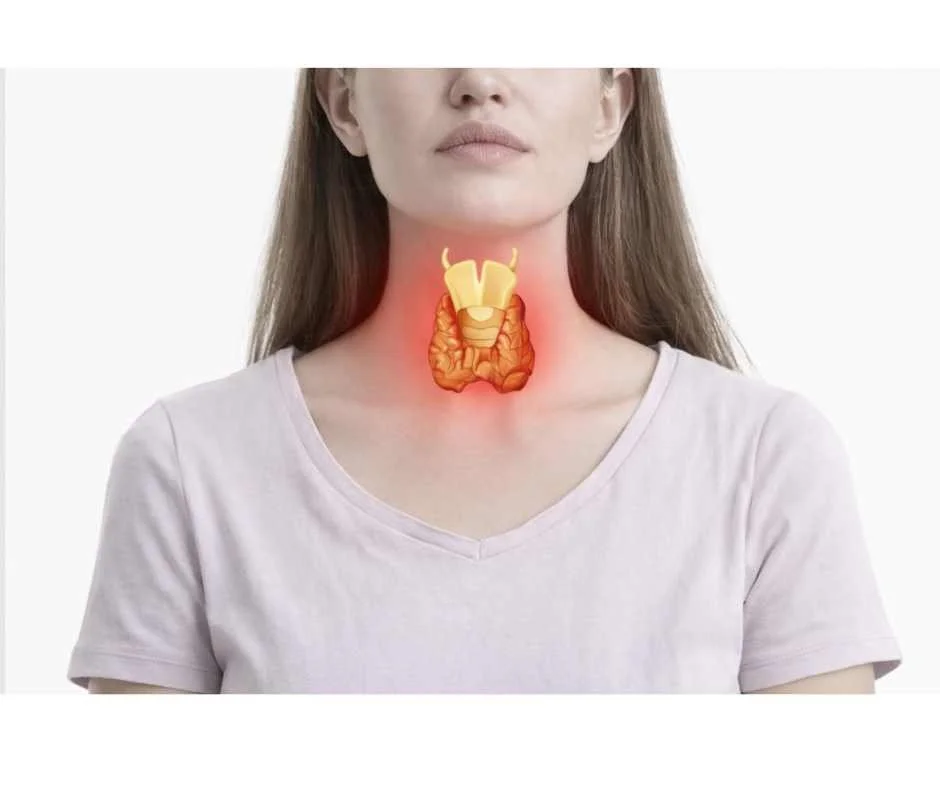
Read MorePersistent fatigue, weight gain, brain fog, and cold intolerance can occur even when TSH and standard thyroid labs appear normal. This guide explains T4-to-T3 conversion, reverse T3, stress physiology, nutrient deficiencies, and how a root-cause approach evaluates thyroid dysfunction beyond basic testing.
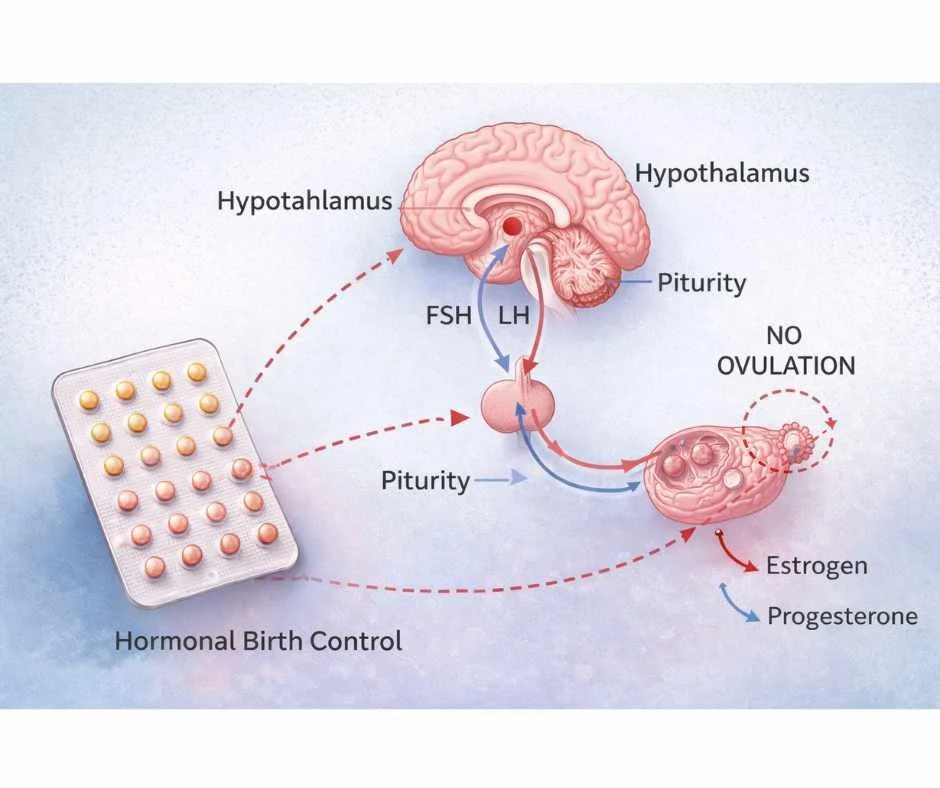
Read MoreHormonal birth control suppresses ovulation and replaces natural hormone rhythms with synthetic signaling. Side effects may affect mood, metabolism, and gut health—especially after stopping birth control.
Read MoreA clinical guide to intermittent fasting for women, explaining how fasting affects cortisol, ovulation, progesterone, and the menstrual cycle—and how to time fasting without disrupting hormone balance.
Read MoreChronic Lyme disease often persists despite antibiotics due to immune dysregulation, inflammation, and mitochondrial dysfunction. The Buhner Protocol uses targeted herbal medicine and a systems-based approach to address persistent Lyme symptoms and common co-infections.
Read MoreChronic pain does not require lifelong dependence on NSAIDs, opioids, or steroid injections. Natural pain relief strategies—including acupuncture, PEMF therapy, peptides, regenerative injections, targeted nutrition, and nervous system regulation—reduce inflammation, support tissue repair, and restore function without suppressing healing. A multi-modality, root-cause approach addresses why pain persists and helps build long-term resilience.
Read MorePain medications may quiet symptoms, but long-term use of NSAIDs, acetaminophen, corticosteroids, and opioids can deplete nutrients, injure the gut and liver, disrupt hormones, and impair tissue repair. Understanding these risks clarifies why chronic pain often persists despite escalating treatment.
Read MoreLong-term use of PPIs, antibiotics, hormonal contraceptives, and NSAIDs can weaken stomach acid production, disrupt microbial balance, deplete key nutrients, and impair hormone metabolism—contributing to fatigue, bloating, PMS, mood shifts, and systemic inflammation.
Read MoreStatins, metformin, diuretics, and beta blockers can quietly deplete CoQ10, vitamin B12, magnesium, and key electrolytes—affecting mitochondrial energy production, glucose regulation, and cardiovascular resilience over time.
Read MoreKetosis can improve energy and blood sugar control—but it can also raise cortisol and disrupt thyroid signaling when misapplied. Understanding metabolic flexibility is the key to using keto strategically.
Read MoreDMSO (dimethyl sulfoxide) is a membrane-penetrating sulfur compound used in clinical settings for topical pain relief, inflammation modulation, injury recovery, and controlled transderal delivery of therapeutic agents. This guide reviews its mechanisms, safety considerations, and integrative applications.
Read MoreAre mammograms safe? While widely used for breast cancer screening, they carry measurable risks. Explore dense breast screening limitations, radiation exposure concerns, and holistic strategies that support personalized breast cancer prevention.
Read MoreSalt isn’t the enemy. Learn why sodium is essential for health, how low salt intake can cause problems, and why salt quality matters more than restriction.
Read MoreType 2 diabetes develops gradually through insulin resistance and progressive beta cell dysfunction. Explore early warning signs, root causes, complications, and prevention strategies that support long-term metabolic health.
Read MoreChronic constipation is rarely just a fiber issue. Hormonal imbalance, low bile flow, thyroid dysfunction, stress physiology, and gut–brain axis disruption can all impair motility. A root-cause approach restores natural bowel function without dependency on laxatives.
Read MoreMagnesium deficiency can drive fatigue, anxiety, muscle cramps, heart rhythm changes, hormone imbalance, and blood sugar instability. Because serum testing often misses intracellular depletion, proper evaluation and form selection are essential for effective repletion.
Read More