

Acupuncture & Nervous System Regulation in Denver
Acupuncture in Denver for Pain Relief, Stress Regulation, Sleep & Recovery
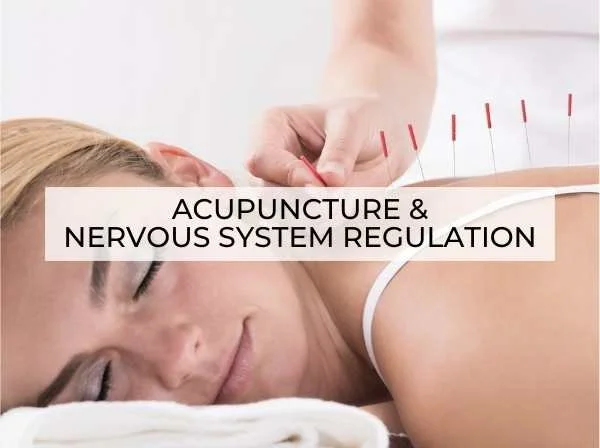
Personalized acupuncture care for pain, stress physiology, sleep disruption, muscle tension, injury recovery, digestive symptoms, hormone-related symptoms, and nervous system dysregulation — using a systems-based approach that supports better function, resilience, and whole-body health.
At Denver Sports & Holistic Medicine, acupuncture is integrated with Traditional Chinese Medicine, manual therapy, functional medicine principles, and targeted adjunct therapies to support focused concerns as well as complex, multisystem health patterns.
A Whole-Body Acupuncture Approach for Pain, Stress & Nervous System Regulation
Acupuncture at Denver Sports & Holistic Medicine is used for more than short-term symptom relief. Treatment is designed to support the nervous system, reduce pain and muscle tension, improve recovery, regulate stress physiology, and support better function across interconnected body systems.
Care is personalized to your symptoms, health history, treatment goals, and clinical presentation. Depending on your needs, acupuncture may be integrated with Traditional Chinese Medicine, manual therapy, functional medicine principles, orthopedic assessment, sports medicine care, herbal medicine, or adjunct therapies.
For chronic, complex, or multisystem concerns, acupuncture is typically integrated into a Functional Medicine & Acupuncture Program so care can be coordinated with comprehensive evaluation, functional lab testing when useful, and an evolving treatment plan. For focused orthopedic pain, injury, mobility concerns, or post-surgical recovery, acupuncture may be part of Sports Medicine & Injury Recovery care.
→ Functional Medicine & Acupuncture Programs
→ Sports Medicine & Injury Recovery
How Acupuncture Supports Pain Relief, Stress Regulation & Whole-Body Recovery
Acupuncture works through the nervous system, circulation, connective tissue, immune signaling, and neuroendocrine pathways. This makes it useful for more than isolated pain relief. Treatment supports the body’s ability to regulate stress, reduce tension, improve recovery, calm inflammation, support sleep, and restore better communication between body systems.
Treatment priorities are based on your symptoms, clinical presentation, health history, treatment goals, and care pathway. Acupuncture may be used as focused care for pain, injury, mobility, and stress-related symptoms, or integrated into a broader functional medicine plan for chronic, complex, or multisystem concerns.
Nervous System Regulation & Stress Physiology
Acupuncture supports autonomic nervous system regulation, parasympathetic activity, stress resilience, sleep quality, muscle tension, and symptoms associated with sympathetic overactivation, burnout, anxiety, or nervous system dysregulation.
Pain Relief, Inflammation & Muscle Tension
Acupuncture supports pain modulation, circulation, mobility, muscle relaxation, tissue recovery, and neuromuscular function in acute pain, chronic pain, orthopedic conditions, headaches, migraines, and musculoskeletal tension.
Immune Regulation & Inflammatory Support
For patients receiving comprehensive functional medicine care, acupuncture supports nervous system regulation, sleep, circulation, treatment tolerance, inflammatory balance, and symptoms associated with immune dysregulation, allergies, autoimmune activity, post-viral recovery, mold-related illness, or environmental sensitivity.
Sports Medicine, Mobility & Injury Recovery
For orthopedic pain, injury, overuse, or post-surgical recovery, acupuncture can be integrated with movement assessment, manual therapy, corrective exercise strategies, electro-acupuncture, and other sports medicine approaches to support function, mobility, tissue recovery, and return to activity.
Hormone, Digestive & Metabolic Support
For patients receiving functional medicine care, acupuncture supports stress physiology, sleep, digestion, menstrual-cycle concerns, hormone-related symptoms, metabolic resilience, and symptoms influenced by gut-brain, hormone, adrenal, and nervous system regulation.
How Acupuncture Works: Nervous System, Circulation & Pain Modulation
Acupuncture influences neurovascular, neuromuscular, connective tissue, autonomic, immune, and neuroendocrine signaling. These mechanisms help explain why acupuncture is used for pain relief, muscle tension, stress regulation, sleep support, digestion, recovery, inflammation, and whole-body regulation.
Depending on the treatment approach, acupuncture supports:
Vagal tone and parasympathetic nervous system activity
Local and systemic circulation
Neuromuscular activation and muscle relaxation
Endorphin, neurotransmitter, and neuropeptide signaling
Pain modulation and nervous system calming
Inflammatory pathway regulation
Neuroendocrine signaling involved in stress physiology, menstrual-cycle regulation, digestion, and metabolic function
This physiologic framework helps explain why acupuncture can be useful for both focused concerns, such as pain or injury recovery, and broader functional concerns involving stress, sleep, digestion, hormones, immune regulation, and nervous system dysregulation.
Conditions Supported With Acupuncture in Denver
Acupuncture can be used for a wide range of pain, nervous system, recovery, digestive, hormonal, immune, and whole-body health concerns. The most appropriate treatment approach depends on your symptoms, health history, care goals, and whether your case is best suited for focused acupuncture care, Sports Medicine & Injury Recovery, or a more comprehensive Functional Medicine & Acupuncture Program.
Anxiety, Stress, Sleep & Nervous System Regulation
Anxiety, stress, and nervous system dysregulation
Insomnia, night waking, restless sleep, and poor sleep quality
Panic-like symptoms, overwhelm, racing thoughts, and feeling on edge
Burnout, stress intolerance, and feeling “wired but tired”
Jaw clenching, muscle tension, shallow breathing, and stress-related physical tension
Difficulty winding down, restlessness, irritability, and reduced stress tolerance
Headaches, Migraines, TMJ & Neurological Symptoms
Headaches and migraines
Tension headaches, sinus headaches, hormonal headaches, and stress-related headaches
TMJ pain, jaw tension, teeth grinding, clenching, and facial muscle tension
Facial pain, trigeminal neuralgia, neuralgia, and nerve irritation
Bell’s palsy and facial nerve recovery support
Neuropathy, peripheral neuropathy, numbness, tingling, burning sensations, and altered sensation
Nerve pain, nerve entrapment, pinched-nerve symptoms, and radicular pain
Post-stroke recovery support, motor function support, and neurologic rehabilitation support
Vertigo, dizziness, motion sickness, and balance concerns
Tinnitus, ear pressure, and nerve-related sensory symptoms
Fibromyalgia and chronic widespread pain
Back Pain, Neck Pain, Sciatica & Joint Pain
Low back pain, mid-back pain, upper back pain, and chronic back tension
Neck pain, neck tension, upper back tension, and posture-related pain
Sciatica, radiating leg pain, piriformis-related symptoms, and nerve irritation
Shoulder pain, frozen shoulder, rotator cuff irritation, and limited range of motion
Hip pain, knee pain, ankle pain, foot pain, wrist pain, elbow pain, and hand pain
Arthritis pain, joint stiffness, bursitis, tendon irritation, and chronic inflammation
Plantar fasciitis, heel pain, Achilles tendon pain, and foot tension
Carpal tunnel symptoms, tennis elbow, golfer’s elbow, and repetitive strain symptoms
Sports Injuries, Mobility & Recovery
Sports injuries, overuse injuries, muscle strains, sprains, and tendon pain
Ligament injuries, soft-tissue tension, scar tissue, and mobility limitations
Runner’s knee, IT band pain, shin splints, and training-related pain
Weightlifting injuries, shoulder strain, hip tightness, and low back overload
Post-surgical orthopedic recovery, scar-related restriction, and mobility restoration
Recovery support after physical therapy, chiropractic care, orthopedic treatment, or surgery
Digestive Symptoms, Hormones, Fertility & Metabolic Support
Bloating, reflux, constipation, diarrhea, IBS symptoms, nausea, and food-related digestive symptoms
Stress-related digestive symptoms, appetite changes, cravings, and gut-brain axis dysfunction
PMS, PMDD, menstrual cramps, painful periods, irregular cycles, and cycle-related headaches
PCOS, perimenopause, menopause, hot flashes, night sweats, and hormone-related sleep disruption
Fertility support, ovulation support, pelvic tension, and fertility preparation
Blood sugar instability, metabolic concerns, weight resistance, and stress-related metabolic symptoms
Immune, Inflammatory, Post-Viral & Environmental Health Support
Allergies, chronic sinus congestion, respiratory symptoms, and seasonal allergy symptoms
Mast-cell-related symptoms, histamine reactions, hives, and inflammatory flares
Autoimmune activity and inflammatory conditions requiring coordinated functional medicine care
Post-viral recovery, long COVID, chronic fatigue, and prolonged recovery after illness
Mold-related illness, environmental sensitivity, chemical sensitivity, and toxin-related symptom burden
Chronic inflammation, poor recovery, low resilience, and immune dysregulation
Additional Integrative Support
Eczema, acne, psoriasis, hives, and inflammatory skin flares
Pelvic pain, urinary irritation, bladder discomfort, and sexual-health concerns
Supportive care during cancer treatment for fatigue, pain, neuropathy, nausea, digestive symptoms, stress, sleep disruption, and recovery support
Advanced Acupuncture Techniques & Integrative Therapies
Acupuncture care at Denver Sports & Holistic Medicine can include advanced needling techniques, manual therapy, Traditional Chinese Medicine therapies, nervous system regulation tools, herbal medicine, and adjunctive recovery therapies. These options are selected based on your symptoms, diagnosis, treatment goals, injury stage, sensitivity level, and care pathway.
The goal is to create a more complete treatment strategy for pain relief, muscle tension, injury recovery, nervous system regulation, stress resilience, digestion, hormone-related symptoms, inflammation, and whole-body function.
Electro-Acupuncture
Electro-acupuncture uses gentle electrical stimulation between selected acupuncture needles to support pain relief, neuromuscular activation, nerve signaling, circulation, muscle function, and tissue recovery.
It is commonly used for sciatica, nerve pain, neuropathy, muscle inhibition, sports injuries, tendon concerns, chronic pain, post-surgical recovery, and orthopedic rehabilitation.
Cupping Therapy
Cupping therapy uses gentle suction to support circulation, muscle relaxation, fascial mobility, lymphatic flow, and recovery from tension, overuse, and soft-tissue restriction.
It is commonly used for neck tension, upper back tightness, shoulder pain, low back pain, sports recovery, chronic muscle tension, and postural strain.
Gua Sha
Gua sha uses therapeutic scraping techniques to address myofascial restriction, scar tissue, localized muscle tension, circulation, and soft-tissue mobility.
It is commonly used for neck pain, shoulder tension, upper back tightness, tendon irritation, scar-related restriction, chronic soft-tissue tension, and overuse injuries.
Moxibustion
Moxibustion uses therapeutic heat from Artemisia, also known as mugwort, to warm acupuncture points and support circulation, comfort, digestion, recovery, and cold-type presentations in Traditional Chinese Medicine.
It can be useful for selected digestive symptoms, menstrual discomfort, chronic coldness, fatigue, recovery support, and musculoskeletal tension.
Tui Na & Clinical Manual Therapy
Tui Na and clinical manual therapy use hands-on techniques to address muscle tension, restricted mobility, joint mechanics, fascial restriction, trigger points, and soft-tissue dysfunction.
Manual therapy can be combined with acupuncture for neck pain, back pain, shoulder pain, hip tension, sports injuries, mobility limitations, chronic muscle tightness, and postural strain.
Dry Needling & Trigger-Point Treatment
Dry needling and trigger-point-focused acupuncture target tight, reactive, or dysfunctional muscle tissue to support pain relief, muscle relaxation, mobility, and neuromuscular reset.
This approach is commonly used for trigger points, chronic muscle tension, headaches, neck pain, shoulder pain, low back pain, hip tightness, sports injuries, and repetitive strain symptoms.
Herbal Medicine & Clinical Nutraceutical Therapy
Herbal formulas and practitioner-grade nutraceuticals can be integrated into a broader care plan to support digestion, sleep, inflammation balance, immune function, hormone regulation, stress resilience, tissue recovery, and treatment tolerance.
→ Herbal Medicine & Nutraceutical Therapy
Nervous System Regulation Therapies
Nervous system regulation tools are used to support autonomic balance, stress resilience, vagal tone, sleep, emotional regulation, recovery, and treatment tolerance.
These therapies are especially useful for patients with anxiety, insomnia, chronic stress, burnout, nervous system dysregulation, chronic pain, trauma-related tension, environmental sensitivity, or complex multisystem symptoms.
→ Bioenergetic & Nervous System Therapies
Red Light Therapy
Red light therapy, also known as photobiomodulation, uses targeted light exposure to support tissue recovery, cellular energy production, circulation, inflammation regulation, and musculoskeletal repair.
It can be incorporated for pain, injury recovery, muscle soreness, joint concerns, scar tissue, inflammation, and recovery support.
→ Red Light & Photobiomodulation
Is Acupuncture Right for You?
Acupuncture is a strong fit for anyone who wants a non-pharmaceutical, whole-body approach to pain relief, anxiety, insomnia, stress regulation, injury recovery, mobility, immune regulation, nervous system balance, and long-term function.
It is also appropriate for patients who need more than isolated symptom relief and want care that can be integrated with functional medicine, sports medicine, manual therapy, herbal medicine, nervous system regulation, and recovery support.
Acupuncture care is appropriate for anyone with:
Chronic pain, unresolved pain, headaches, migraines, sciatica, joint pain, muscle tension, or mobility limitations
Anxiety, stress, insomnia, poor sleep, burnout, nervous system dysregulation, or reduced stress tolerance
Back pain, neck pain, TMJ pain, neuropathy, numbness, tingling, Bell’s palsy, post-stroke recovery needs, or nerve-related symptoms
Sports injuries, overuse injuries, tendon pain, soft-tissue restriction, post-surgical recovery, or limited range of motion
Digestive symptoms, hormone-related symptoms, menstrual-cycle concerns, fertility goals, metabolic concerns, or immune and inflammatory symptoms addressed within a Functional Medicine & Acupuncture Program
Medication sensitivity, supplement sensitivity, environmental sensitivity, chronic illness, or a need for a paced and individualized treatment approach
Chronic or complex symptoms that have not improved with conventional care, physical therapy, chiropractic care, medication, or prior treatment attempts
A desire for ongoing support with recovery, resilience, performance, nervous system regulation, and whole-body health
For focused pain, injury, mobility, and sports-related concerns, acupuncture is usually structured through Sports Medicine & Injury Recovery care.
For chronic, complex, or multisystem concerns, acupuncture is typically integrated into a broader Functional Medicine & Acupuncture Program.
How Acupuncture Care Is Structured
Acupuncture care begins by identifying the right treatment pathway for your concern. Some patients need focused care for pain, injury, mobility, sciatica, headaches, migraines, TMJ, neuropathy, or post-surgical recovery. Others need acupuncture integrated into a more comprehensive Functional Medicine & Acupuncture Program for chronic symptoms, hormone concerns, digestive issues, immune dysregulation, environmental illness, fatigue, anxiety, insomnia, or nervous system imbalance.
Focused Acupuncture, Sports Medicine & Injury Recovery Care
Focused acupuncture care is designed for orthopedic pain, sports injuries, mobility limitations, overuse injuries, nerve pain, muscle tension, and post-surgical recovery.
Patients begin with an orthopedic-focused evaluation to assess pain location, movement limitations, injury history, tissue involvement, nerve symptoms, posture, mobility, activity demands, and recovery goals.
Care can include acupuncture, electro-acupuncture, dry needling, trigger-point treatment, manual therapy, cupping, gua sha, moxibustion, corrective movement strategies, red light therapy, and other recovery-focused therapies based on the injury, healing stage, and functional goals.
→ Sports Medicine & Injury Recovery
Functional Medicine & Acupuncture Programs
Functional Medicine & Acupuncture Programs are designed for patients with chronic, complex, or multisystem concerns that require more than isolated acupuncture visits.
This pathway is appropriate for fatigue, brain fog, digestive symptoms, hormone-related symptoms, thyroid and adrenal concerns, immune or inflammatory symptoms, anxiety, insomnia, nervous system dysregulation, mold-related illness, environmental sensitivity, post-viral symptoms, metabolic concerns, and persistent symptoms without clear answers.
Care begins with a comprehensive functional medicine consultation and can include advanced functional lab testing, personalized treatment planning, acupuncture, herbal medicine, nutraceutical therapy, nervous system regulation, nutrition, lifestyle strategy, and plan refinement over time.
→ Functional Medicine & Acupuncture Programs
Ongoing Acupuncture Care & Treatment Frequency
Treatment frequency depends on your symptoms, condition severity, injury stage, treatment response, care goals, and overall treatment pathway.
Focused pain or injury concerns often begin with more frequent visits to build momentum and improve function. Chronic, complex, or multisystem concerns are usually structured within a longer care plan so acupuncture can be coordinated with functional medicine treatment, lab findings, symptom changes, and overall progress.
For answers to common questions about acupuncture safety, treatment frequency, what to expect, and how sessions are structured, visit our Acupuncture FAQ.
Not Sure Which Care Pathway Is Right?
Some patients come in for focused acupuncture, pain relief, injury recovery, stress regulation, or sleep support. Others have symptoms affecting multiple body systems, such as fatigue, digestive issues, hormone symptoms, inflammation, environmental sensitivity, chronic pain, or nervous system dysregulation.
Take our complimentary Root-Cause Health Assessment to identify patterns that may help clarify whether your symptoms are best suited for focused acupuncture care, Sports Medicine & Injury Recovery, or a more comprehensive Functional Medicine & Acupuncture approach.
Begin Acupuncture Care in Denver
Whether you are looking for pain relief, injury recovery, anxiety support, better sleep, nervous system regulation, or a more comprehensive whole-body approach, the next step is a focused case review to determine the right care pathway.
RelatedResources
→ Functional & Integrative Medicine
→ Sports Medicine & Injury Recovery
→ Advanced Functional Lab Testing
Frequently Asked Questions About Acupuncture in Denver
How does acupuncture work?
Acupuncture uses thin, sterile needles placed at specific points to influence nervous system signaling, circulation, muscle tone, connective tissue, pain modulation, neuroendocrine activity, and inflammatory pathways.
This helps explain why acupuncture is used for pain relief, anxiety, stress regulation, insomnia, headaches, migraines, sciatica, nerve pain, muscle tension, digestion, hormone-related symptoms, injury recovery, and whole-body regulation.
Is acupuncture painful?
Most patients feel little to no discomfort during acupuncture treatment. The needles are very thin, and many patients describe sessions as calming, grounding, or deeply relaxing.
Common sensations include mild pressure, tingling, warmth, heaviness, or a dull ache around the treatment area. These sensations are usually brief and part of the therapeutic response.
What conditions can acupuncture help with?
Acupuncture is commonly used for back pain, neck pain, sciatica, headaches, migraines, TMJ pain, neuropathy, numbness, tingling, anxiety, stress, insomnia, muscle tension, joint pain, sports injuries, digestive symptoms, menstrual symptoms, fertility support, immune regulation, inflammation, and recovery.
At Denver Sports & Holistic Medicine, focused pain, injury, and mobility concerns are usually treated through Sports Medicine & Injury Recovery care. Chronic, complex, or multisystem concerns are usually treated through a Functional Medicine & Acupuncture Program.
Can acupuncture help with anxiety, stress, and insomnia?
Yes. Acupuncture supports nervous system regulation, parasympathetic activity, stress resilience, sleep quality, muscle relaxation, and regulation of the stress response.
It is commonly used for anxiety, chronic stress, insomnia, night waking, restless sleep, burnout, irritability, jaw clenching, muscle tension, racing thoughts, and feeling wired but tired.
Can acupuncture help with headaches and migraines?
Yes. Acupuncture is commonly used for headaches and migraines, especially when symptoms involve neck tension, jaw tension, TMJ dysfunction, stress physiology, sleep disruption, hormonal changes, sinus pressure, or nervous system dysregulation.
Persistent, severe, sudden, or changing headaches should be medically evaluated to rule out urgent or serious causes.
Can acupuncture help with sciatica, back pain, neck pain, and joint pain?
Yes. Acupuncture is commonly used for low back pain, neck pain, sciatica, radiating leg pain, shoulder pain, hip pain, knee pain, arthritis pain, plantar fasciitis, tendon pain, muscle tension, and mobility limitations.
Treatment can include acupuncture, electro-acupuncture, dry needling, trigger-point work, cupping, gua sha, manual therapy, red light therapy, and corrective movement strategies depending on the condition and care pathway.
Can acupuncture help with neuropathy, numbness, tingling, or nerve pain?
Acupuncture is often used for nerve-related symptoms such as neuropathy, peripheral neuropathy, numbness, tingling, burning sensations, radicular pain, pinched-nerve symptoms, sciatica, carpal tunnel symptoms, and altered sensation.
Treatment focuses on supporting circulation, nerve signaling, pain modulation, muscle function, and nervous system regulation.
Can acupuncture support Bell’s palsy or post-stroke recovery?
Acupuncture can be used as supportive care for Bell’s palsy, facial nerve recovery, post-stroke recovery, motor function support, nerve symptoms, muscle activation, and neurologic rehabilitation support.
These cases should also be medically evaluated and coordinated with appropriate conventional care, neurology, physical therapy, occupational therapy, or rehabilitation services when needed.
What happens during an acupuncture appointment?
An acupuncture appointment includes a review of your symptoms, health history, treatment goals, current concerns, and care pathway. Treatment is then selected based on your presentation.
A session can include acupuncture, electro-acupuncture, dry needling, trigger-point treatment, cupping, gua sha, moxibustion, Tui Na, manual therapy, red light therapy, or nervous system regulation tools.
What is electro-acupuncture?
Electro-acupuncture uses gentle electrical stimulation between selected acupuncture needles to support pain relief, neuromuscular activation, nerve signaling, circulation, muscle function, and tissue recovery.
It is commonly used for sciatica, nerve pain, neuropathy, muscle inhibition, tendon concerns, sports injuries, chronic pain, post-surgical recovery, and orthopedic rehabilitation.
How many acupuncture sessions will I need?
The number of sessions depends on the condition, symptom duration, severity, injury stage, treatment response, care goals, and whether acupuncture is being used for focused care or as part of a broader Functional Medicine & Acupuncture Program.
Pain, injury, and mobility concerns often begin with more frequent visits to build momentum. Chronic, complex, or multisystem concerns usually require a longer care plan so acupuncture can be coordinated with functional medicine treatment and symptom changes over time.
Is acupuncture safe?
Acupuncture is generally considered safe when performed by a licensed, trained practitioner using sterile, single-use needles.
Temporary effects can include mild soreness, small bruises, fatigue, lightheadedness, emotional release, or short-term symptom changes after treatment. Treatment is adjusted for sensitive patients, complex cases, pregnancy, medication use, and current health status.
Can acupuncture support hormones, digestion, and fertility?
Yes. Acupuncture is commonly used as part of a broader care plan for PMS, PMDD, menstrual cramps, irregular cycles, PCOS, perimenopause, menopause symptoms, fertility preparation, stress-related appetite changes, digestive symptoms, bloating, reflux, constipation, diarrhea, nausea, and IBS symptoms.
For hormone, digestive, fertility, or metabolic concerns, acupuncture is often most effective when coordinated with functional medicine evaluation, nutrition, herbal medicine, lab testing, and whole-body treatment planning.
Can acupuncture support chronic illness, immune concerns, or environmental illness?
Yes. For patients with chronic fatigue, post-viral symptoms, long COVID, immune dysregulation, inflammatory symptoms, mold-related illness, environmental sensitivity, chemical sensitivity, histamine reactions, or complex multisystem symptoms, acupuncture can be integrated into a Functional Medicine & Acupuncture Program.
In these cases, acupuncture supports nervous system regulation, sleep, circulation, treatment tolerance, inflammatory balance, stress resilience, and recovery capacity.
Can acupuncture be combined with physical therapy, chiropractic care, surgery, or conventional medical care?
Yes. Acupuncture can be coordinated with physical therapy, chiropractic care, orthopedic care, surgery recovery, rehabilitation, training, medication management, and conventional medical care.
At Denver Sports & Holistic Medicine, recommendations are based on your current treatment plan, diagnosis, symptoms, safety considerations, and recovery goals.
Do I need a referral for acupuncture?
No. Acupuncture is a direct-access service. You do not need a referral to request care.
A complimentary consultation helps determine whether your concern is best suited for focused acupuncture care, Sports Medicine & Injury Recovery, or a comprehensive Functional Medicine & Acupuncture Program.
Is acupuncture covered by insurance or eligible for HSA/FSA funds?
Coverage varies by insurance plan. Some patients use HSA or FSA funds for acupuncture services.
Contact your insurance plan or benefits administrator directly to verify acupuncture coverage, reimbursement requirements, and eligible expenses.