

Gut Health & Dysbiosis: How Imbalances Like SIBO, Candida, and IBS Drive Chronic Symptoms
Understanding microbial imbalance, digestive symptoms, and functional medicine strategies for restoring the gut microbiome
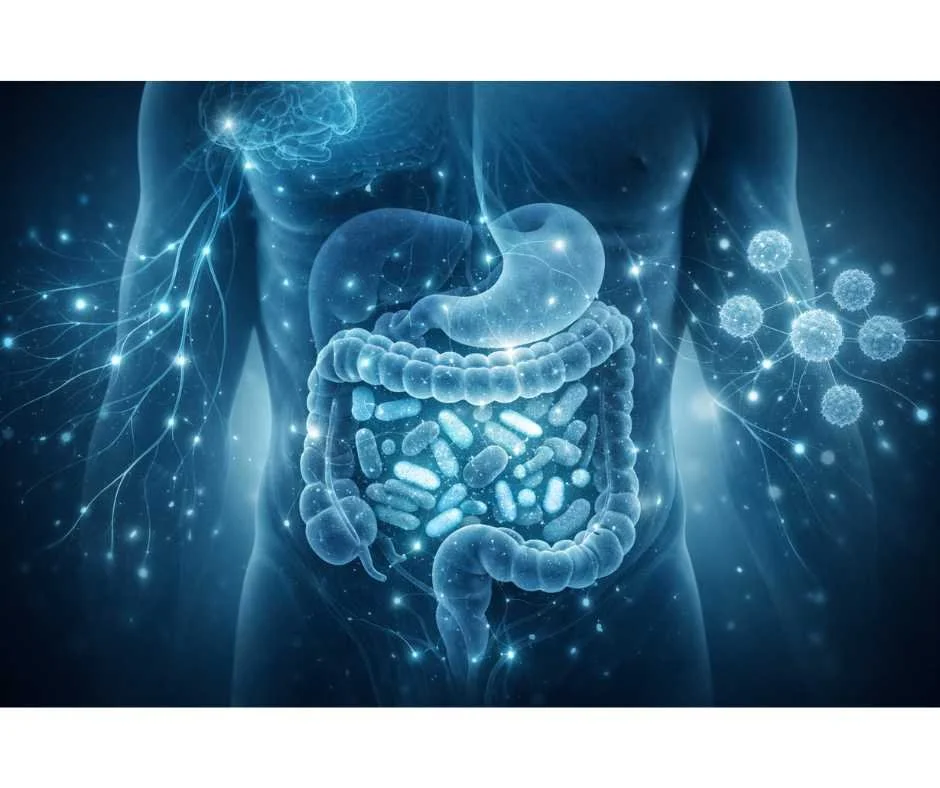
An estimated 70% of the immune system is housed within the gut-associated lymphoid tissue (GALT), making the digestive tract one of the most immunologically active systems in the body (1). The gut microbiome—composed of trillions of bacteria, fungi, viruses, and other microorganisms—regulates digestion, immune balance, hormone metabolism, detoxification pathways, and even neurotransmitter production.
When this ecosystem becomes disrupted, a condition known as gut dysbiosis, the consequences extend far beyond occasional bloating or irregular bowel movements. Microbial imbalance has been linked to irritable bowel syndrome (IBS) (2), small intestinal bacterial overgrowth (SIBO), Candida overgrowth, obesity and metabolic dysfunction (3), anxiety and depression through the gut–brain axis (4), cardiovascular disease (5), and chronic inflammatory conditions (6).
Gut dysbiosis is not simply a digestive inconvenience—it is often a root driver of systemic symptoms, including fatigue, brain fog, hormone imbalances, skin disorders, and immune dysfunction. Understanding how microbiome imbalance develops—and how to correct it—forms the foundation of long-term, whole-body health.
This article provides a comprehensive, evidence-informed overview of gut dysbiosis, including:
What gut dysbiosis is and how it develops
The most common root causes, including diet, stress, medications, and environmental toxins
How dysbiosis contributes to IBS, SIBO, Candida overgrowth, autoimmune disease, metabolic dysfunction, mood disorders, skin conditions, and cardiovascular risk
Practical strategies to restore microbiome balance and support intestinal barrier repair
Rather than focusing on symptom suppression, this guide examines the underlying biological mechanisms driving chronic digestive and systemic symptoms—so that gut health can be addressed at its source.
What Is Gut Dysbiosis? Causes, Symptoms, and Why It Matters
Gut dysbiosis refers to an imbalance in the composition, diversity, or function of the gut microbiome—the trillions of microorganisms that live along the digestive tract.
This imbalance can involve:
Loss of beneficial bacteria
Overgrowth of opportunistic organisms
Fungal overgrowth such as Candida
Reduced microbial diversity
Impaired production of protective compounds like short-chain fatty acids
In a healthy state, the microbiome helps maintain the integrity of the intestinal lining, regulates inflammation, supports hormone metabolism, assists with bile flow, and even influences mood through neurotransmitter signaling.
When that balance shifts, those protective systems begin to weaken.
The intestinal barrier may become more permeable. Inflammatory molecules can enter circulation. Immune signaling becomes more reactive. Digestion slows or becomes inefficient. Over time, what may begin as bloating or irregular bowel movements can evolve into fatigue, brain fog, skin changes, food sensitivities, metabolic instability, or autoimmune patterns.
Dysbiosis is not just a digestive inconvenience—it represents a broader disruption in how the body communicates internally.
What Causes Gut Dysbiosis? Root Triggers of Microbiome Imbalance
Gut dysbiosis rarely develops overnight. In most cases, it reflects the cumulative impact of daily inputs—dietary patterns, stress physiology, medications, alcohol exposure, and environmental toxins—that gradually reshape the microbial landscape and weaken the intestinal barrier.
Because the microbiome adapts continuously to what it encounters, small, repeated stressors often matter more than a single dramatic event. This is why symptoms may persist even when someone feels they are “doing everything right.”
True gut restoration requires identifying and correcting upstream drivers—not just modifying symptoms.
Diet is often the most immediate place to begin.
How Diet Contributes to Gut Dysbiosis
Food directly feeds the microbiome.
High sugar intake promotes fermentation and fuels opportunistic organisms such as Candida and certain pro-inflammatory bacterial strains. At the same time, diets low in fiber deprive beneficial bacteria of the substrates they need to produce short-chain fatty acids like butyrate—compounds that help maintain tight junction integrity and reduce inflammation.
Ultra-processed foods introduce emulsifiers, preservatives, artificial additives, and inflammatory seed oils that can disrupt the mucosal lining and reduce microbial diversity. In susceptible individuals, gluten may increase intestinal permeability by influencing zonulin signaling, allowing immune-triggering compounds to cross the gut barrier.
Over time, these dietary patterns shift the microbiome toward a less diverse, more inflammatory state—often long before major symptoms appear.
Poor Eating Habits and Impaired Gut Motility
How food is eaten can matter as much as what is eaten.
Eating quickly, inadequate chewing, frequent snacking, or grazing throughout the day can impair stomach acid production and digestive enzyme secretion. Low gastric acidity allows bacteria to survive into the small intestine, increasing susceptibility to small intestinal bacterial overgrowth (SIBO).
In addition, constant eating interrupts the migrating motor complex—a natural cleansing wave that sweeps residual bacteria and debris from the small intestine between meals. When this mechanism is disrupted, bacterial overgrowth becomes more likely.
Allowing proper meal spacing, chewing thoroughly, and supporting digestive rhythm helps protect microbial balance.
Chronic Stress and the Gut–Brain Axis
Stress is one of the most underestimated drivers of dysbiosis.
Through the hypothalamic-pituitary-adrenal (HPA) axis, elevated cortisol suppresses stomach acid, reduces enzyme output, alters gut motility, and increases intestinal permeability. Stress also shifts microbial composition toward species associated with inflammation.
At the same time, gut imbalance can amplify stress reactivity through the gut–brain axis. Changes in microbial signaling influence serotonin production, immune activity, and vagal tone—reinforcing cycles of anxiety, bloating, and food sensitivities.
The relationship is bidirectional. Stress affects the gut, and the gut affects stress.
Alcohol and Increased Intestinal Permeability
Alcohol is a common but often overlooked contributor to gut imbalance.
Even moderate intake can reduce beneficial Lactobacillus and Bifidobacterium species, increase intestinal permeability, promote endotoxin absorption, and impair nutrient uptake. When combined with high sugar intake, sleep disruption, or chronic stress, alcohol compounds inflammatory signaling within the digestive tract.
For some individuals, even small amounts can meaningfully shift microbial balance over time.
Environmental Toxins and Microbiome Disruption
The microbiome does not exist in isolation—it is influenced by environmental exposures.
Pesticides and herbicides may interfere with microbial enzymatic pathways. Heavy metals increase oxidative stress within the intestinal lining. Endocrine-disrupting chemicals alter hormone signaling, which in turn affects microbial composition.
Chronic toxic burden reduces microbial diversity and weakens intestinal barrier integrity, creating conditions that favor inflammatory species over protective commensals.
Over time, this environmental pressure can compound dietary and stress-related drivers of dysbiosis.
Medications That Disrupt the Gut Microbiome
Most medications are developed to target specific symptoms or disease processes—not to preserve the integrity of the gut microbiome. While many are appropriate and sometimes necessary, long-term or repeated use can unintentionally reshape microbial balance in ways that are rarely discussed.
These shifts do not always cause immediate digestive symptoms. Instead, they may gradually alter microbial diversity, weaken the intestinal barrier, impair nutrient absorption, and disrupt immune signaling. Over time, medication-induced microbiome changes can compound existing gut issues and contribute to persistent inflammation.
Understanding these effects does not mean avoiding necessary treatment—it means recognizing when gut support may also be required.
Antibiotics
Antibiotics can be life-saving. However, they do not distinguish between harmful and beneficial bacteria.
In addition to eliminating pathogenic organisms, antibiotics reduce protective commensal species, decrease microbial diversity, and alter short-chain fatty acid production. After repeated courses, recovery of the microbiome may be incomplete. This creates an ecological gap where opportunistic organisms such as Candida or Clostridium difficile can proliferate.
For some individuals, symptoms such as bloating, irregular bowel movements, food sensitivities, or recurrent infections begin after antibiotic exposure and persist long after the prescription ends.
Proton Pump Inhibitors (PPIs)
Stomach acid is one of the body’s primary defenses against microbial overgrowth. Proton pump inhibitors suppress acid production, which can impair protein digestion and reduce absorption of minerals such as magnesium, calcium, and iron.
Lower stomach acidity also allows more bacteria to survive passage into the small intestine, increasing the risk of bacterial overgrowth and infections such as Clostridium difficile (7).
Over time, reduced gastric acidity alters microbial balance throughout the digestive tract.
Laxatives
Occasional laxative use may be appropriate, but chronic use can disrupt natural gut motility patterns.
Frequent stimulation of bowel movements can interfere with the migrating motor complex, reduce microbial stability, and create physiological dependency. In addition, electrolyte imbalances caused by long-term laxative use can further impair digestive function and microbial balance (8).
When constipation is driven by dysbiosis or motility dysfunction, addressing root causes becomes more important than increasing stimulation.
NSAIDs
Nonsteroidal anti-inflammatory drugs (NSAIDs) such as ibuprofen, naproxen, and aspirin can directly affect the intestinal lining.
These medications increase intestinal permeability by disrupting tight junction proteins and impairing mucosal protection. Over time, this may allow inflammatory molecules to cross into circulation and alter microbial composition (9).
Even short-term use can measurably impact gut barrier integrity in susceptible individuals.
Opioids
Opioids slow gastrointestinal motility, reduce microbial diversity, and increase intestinal inflammation.
Reduced motility creates an environment where bacteria can accumulate in the small intestine, increasing the risk of bacterial overgrowth. Constipation associated with opioid use is often a sign of broader changes in digestive rhythm and microbial ecology (10).
Antidepressants and Antianxiety Medications
Selective serotonin reuptake inhibitors (SSRIs) and benzodiazepines influence more than mood—they also affect the gut.
Serotonin plays a major role in regulating gut motility, and alterations in serotonin signaling can influence microbial balance. Long-term use of certain psychiatric medications has been associated with reduced microbial diversity and increased intestinal permeability (11).
In some cases, gut imbalance may predate or contribute to mood symptoms, creating a complex bidirectional relationship.
Hormonal Birth Control
Synthetic hormonal contraceptives influence estrogen metabolism and bile flow—both of which interact with the gut microbiome.
Changes in estrogen signaling can alter microbial composition, reduce diversity, increase intestinal permeability, and promote yeast overgrowth. Over time, this may contribute to inflammatory patterns, mood changes, and metabolic shifts.
Chemotherapy
Chemotherapy significantly disrupts the gut microbiome by damaging rapidly dividing cells, including those lining the intestinal tract.
This can reduce microbial diversity, impair immune regulation, and increase susceptibility to infections and gastrointestinal complications (12). Because the microbiome plays a role in immune signaling and drug metabolism, these shifts may influence both recovery and long-term resilience.
When dysbiosis persists, its effects are rarely confined to digestion alone.
The gut functions as a central communication hub—interfacing with the immune, endocrine, nervous, and cardiovascular systems. As microbial balance declines and the intestinal barrier weakens, inflammatory signaling can extend beyond the digestive tract.
This is why microbiome imbalance may precede or contribute to autoimmune conditions, metabolic dysfunction, mood disorders, skin inflammation, and cardiovascular risk—sometimes years before prominent digestive symptoms develop.
Understanding this broader systems connection is essential for meaningful, long-term restoration.
→ Functional & Integrative Medicine
How Gut Dysbiosis Contributes to Chronic Disease
Gut health does not operate in isolation. The microbiome communicates constantly with the immune system, endocrine system, nervous system, and cardiovascular system. When microbial balance declines and the intestinal barrier weakens, inflammatory signaling can extend far beyond the digestive tract.
For many chronic conditions, gut dysfunction is not the only cause—but it is often a foundational contributor.
Below are some of the strongest and most well-established systemic connections.
Autoimmune Disease and Leaky Gut Syndrome
The immune system depends on a stable and diverse microbiome to regulate tolerance and prevent inappropriate immune activation.
When dysbiosis develops, tight junction proteins that maintain the intestinal barrier can become disrupted. This increased intestinal permeability—often referred to as “leaky gut”—allows microbial fragments, endotoxins such as lipopolysaccharide (LPS), and partially digested food proteins to enter circulation.
In susceptible individuals, this repeated immune exposure can drive chronic immune activation and loss of tolerance. Over time, this may contribute to autoimmune conditions such as:
Hashimoto’s thyroiditis
Rheumatoid arthritis
Inflammatory bowel diseases (Crohn’s disease and ulcerative colitis)
Multiple sclerosis
The microbiome also influences regulatory T-cell development and anti-inflammatory cytokine production. When beneficial bacteria decline, immune regulation weakens.
Targeted gut restoration strategies can help reduce inflammatory signaling and support immune balance (13).
Gut Dysbiosis, Insulin Resistance, and Metabolic Syndrome
The gut microbiome plays a central role in metabolic regulation.
Certain bacterial species influence insulin sensitivity, lipid metabolism, bile acid signaling, and energy extraction from food. When microbial diversity declines and inflammatory species dominate, low-grade systemic inflammation increases. This inflammation interferes with insulin receptor signaling and promotes metabolic dysfunction.
Dysbiosis has been associated with:
Insulin resistance
Central weight gain
Elevated triglycerides
Hypertension
Altered short-chain fatty acid production and endotoxin absorption further compound metabolic stress. Over time, this contributes to metabolic syndrome and increases cardiovascular risk (14,15).
Improving microbial diversity and intestinal barrier integrity can meaningfully improve metabolic resilience.
→ Weight Loss & Metabolic Health
The Gut–Brain Axis: Anxiety, Depression, and Microbiome Imbalance
The gut and brain communicate through neural, immune, and hormonal pathways collectively referred to as the gut–brain axis.
More than 90% of the body’s serotonin is produced in the gut, and microbial metabolites influence neurotransmitter synthesis, vagal tone, and inflammatory signaling. When dysbiosis develops, changes in microbial composition can alter serotonin regulation, increase inflammatory cytokines, and heighten stress reactivity.
This bidirectional relationship helps explain why digestive symptoms and mood disorders frequently coexist. Dysbiosis has been associated with higher rates of anxiety and depression, particularly in the presence of increased intestinal permeability and systemic inflammation (16,17).
Supporting gut integrity often stabilizes mood regulation in ways that extend beyond symptom management alone.
Gut Dysbiosis and Skin Conditions: Acne, Eczema, and Rosacea
The skin often reflects what is happening internally.
When the intestinal barrier weakens and inflammatory signaling increases, immune dysregulation can manifest at distant sites—including the skin. Altered bile flow, impaired detoxification, insulin resistance, and microbial imbalance all influence inflammatory skin conditions.
Eczema and Increased Intestinal Permeability
Eczema (atopic dermatitis) is strongly associated with reduced microbial diversity and increased intestinal permeability. When inflammatory compounds enter circulation, they activate immune pathways that contribute to chronic skin inflammation.
Barrier dysfunction in the gut frequently parallels barrier dysfunction in the skin.
Acne and Microbiome Imbalance
Acne is not solely a hormonal condition. It is also influenced by systemic inflammation, insulin signaling, and detoxification capacity—all of which are shaped by the gut microbiome.
Dysbiosis may alter sebum production and immune responses within the skin, contributing to persistent or treatment-resistant acne.
Rosacea and Small Intestinal Bacterial Overgrowth (SIBO)
Rosacea has been closely linked to small intestinal bacterial overgrowth. When bacterial populations expand in the small intestine, inflammatory mediators can increase vascular reactivity and immune hypersensitivity, leading to flushing, redness, and flare-ups.
In many cases, addressing gut imbalance reduces both digestive and dermatologic symptoms.
Gut Microbiome Imbalance and Cardiovascular Disease Risk
The digestive tract begins in the mouth, and oral microbial health influences systemic inflammation.
Disruption of the oral microbiome—through high-sugar diets, smoking, excessive antibacterial mouthwash use, or poor hygiene—can allow pathogenic bacteria to enter circulation. Organisms such as Porphyromonas gingivalis have been identified within arterial plaques and are associated with atherosclerosis and hypertension.
Gut dysbiosis further compounds cardiovascular risk by:
Increasing systemic inflammation
Promoting insulin resistance
Altering lipid metabolism
Increasing endotoxin absorption
Together, oral and gut microbiome imbalances create a pro-inflammatory internal environment that accelerates vascular damage.
Supporting both oral and gut microbial health represents an often-overlooked component of cardiovascular prevention.
How to Restore Gut Health and Rebalance the Microbiome
Restoring gut health is not about chasing symptoms—it is about rebuilding stability within the microbial ecosystem and strengthening the intestinal barrier.
While the exact protocol should be individualized, several foundational strategies consistently support microbiome repair, reduce inflammatory signaling, and improve long-term resilience.
Progress is rarely about doing everything at once. It is about reducing daily stressors while consistently reinforcing the systems that protect the gut.
Nutrition Strategies to Repair the Gut Microbiome
Diet directly shapes microbial composition and metabolic output. Small, repeated dietary choices often matter more than short-term extremes.
Whole, Nutrient-Dense Foods and Microbial Diversity
A diet centered around organic vegetables, seasonal fruits, grass-fed and grass-finished meats, wild-caught fish, and unprocessed fats provides:
Fermentable fibers that support beneficial bacteria
Polyphenols that enhance microbial diversity
Micronutrients required for epithelial repair
Amino acids necessary for tight junction integrity
These inputs help restore short-chain fatty acid production and support the structural resilience of the intestinal lining.
Probiotics and Prebiotics for Microbiome Support
Probiotic-rich foods such as yogurt, kefir, sauerkraut, and kimchi can help reintroduce beneficial organisms. Prebiotic foods—including garlic, onions, asparagus, leeks, and resistant starch sources—feed these microbes and encourage colonization.
In some cases, targeted probiotic supplementation may be appropriate, particularly after antibiotic exposure or during recovery from dysbiosis.
The goal is not simply adding bacteria—it is creating an environment where protective species can thrive.
Eliminating Ultra-Processed Foods and Inflammatory Oils
Reducing sugar, artificial sweeteners, refined carbohydrates, emulsifiers, and industrial seed oils decreases fuel for opportunistic organisms and lowers inflammatory signaling within the gut lining.
Reading ingredient labels becomes an important skill in identifying hidden additives that can quietly disrupt microbial balance.
Over time, removing these stressors allows beneficial species to repopulate.
Gluten Removal and Intestinal Barrier Repair
In susceptible individuals, gluten may increase intestinal permeability by influencing zonulin signaling. Removing gluten—and in some cases gluten cross-reactive foods—can reduce immune activation and support barrier repair (18).
Many people notice improvement in bloating, irregular bowel movements, and systemic symptoms when gluten exposure is reduced or eliminated.
Lifestyle Factors That Support Gut Healing
Microbiome stability depends on more than diet. Nervous system regulation, circadian rhythm, and metabolic balance all influence microbial resilience.
Stress Regulation and Nervous System Balance
Chronic stress alters gut motility, suppresses digestive secretions, and increases intestinal permeability (19). Practices such as breathwork, meditation, journaling, gentle movement, and time outdoors help restore parasympathetic tone.
When the nervous system shifts toward regulation, digestion improves naturally.
Exercise and Gut Motility
Regular movement enhances intestinal motility, improves insulin sensitivity, and has been associated with greater microbial diversity (20).
Moderate, consistent activity supports circulation, lymphatic flow, and microbial balance without overloading the stress response.
Sleep and Microbiome Regulation
Sleep is a biological repair process. Disrupted circadian rhythm alters microbial composition, immune signaling, and metabolic function (21).
Prioritizing 7–9 hours of restorative sleep supports immune balance and improves the gut’s ability to repair epithelial tissue.
Intermittent Fasting and Microbial Diversity
Intermittent fasting allows periods of digestive rest and supports the migrating motor complex—the natural cleansing wave that clears residual bacteria from the small intestine.
Research suggests fasting patterns may enhance microbial diversity, reduce systemic inflammation, and improve insulin sensitivity (22,23).
Meal spacing, rather than constant grazing, often plays an important role in reducing bacterial overgrowth.
Reducing Alcohol and Environmental Toxic Burden
Limiting alcohol intake protects the intestinal barrier and reduces endotoxin translocation. At the same time, minimizing exposure to environmental toxins—through clean water, air filtration, and lower-toxin personal care products—reduces oxidative stress within the gut lining.
Lowering cumulative inflammatory load allows the microbiome to stabilize more effectively.
Acupuncture for Gut Health and IBS Support
Acupuncture can serve as a supportive therapy within a comprehensive gut restoration plan.
By influencing autonomic nervous system regulation, acupuncture may help:
Improve gut motility
Reduce stress-mediated digestive dysfunction
Enhance blood flow to digestive organs
Modulate immune signaling
Studies suggest acupuncture can improve symptoms of IBS and inflammatory bowel conditions by regulating neuroimmune pathways and reducing inflammatory markers (24,25).
Because the gut and nervous system are deeply interconnected, therapies that calm the stress response often produce measurable digestive improvement (26).
Restoring gut health is not about suppressing isolated symptoms—it is about reestablishing communication and balance across interconnected systems.
When microbial stability returns, resilience follows.
A Root-Cause Approach to Restoring Gut Health
Gut dysbiosis is rarely confined to digestion alone. It often represents a deeper disruption in immune signaling, metabolic regulation, hormonal balance, and inflammatory control.
When the microbiome becomes unstable, symptoms may appear far beyond the digestive tract—fatigue, brain fog, mood changes, skin inflammation, autoimmune patterns, and metabolic dysfunction frequently trace back to impaired gut integrity.
Restoring gut health requires more than symptom suppression. It involves identifying root drivers, strengthening the intestinal barrier, rebalancing microbial ecology, and stabilizing the interconnected systems that influence digestion.
A comprehensive, systems-based evaluation can help clarify why symptoms persist and which mechanisms require support.
You may request a free 15-minute consultation with Dr. Martina Sturm to review your health concerns and outline appropriate next steps within a root-cause, systems-based framework.
Frequently Asked Questions About Gut Dysbiosis
What is dysbiosis?
Dysbiosis is an imbalance in the gut microbiome—the complex community of bacteria, fungi, and other microorganisms in the digestive tract. When this balance is disrupted, it can contribute to inflammation, increased intestinal permeability (leaky gut), immune dysregulation, and chronic conditions such as IBS, autoimmune disease, and mental health disorders.
What causes gut dysbiosis?
Gut dysbiosis commonly develops from a combination of factors, including a highly processed or high-sugar diet, gluten exposure, chronic stress, alcohol use, environmental toxins, antibiotic overuse, and certain medications such as NSAIDs, PPIs, hormonal birth control, opioids, and antidepressants.
How does dysbiosis affect overall health?
Dysbiosis does not only affect digestion. Research links gut imbalance to systemic conditions including autoimmune disease, metabolic syndrome, insulin resistance, anxiety and depression, cardiovascular disease, and inflammatory skin conditions such as acne, eczema, and rosacea.
Can medications disrupt gut health?
Yes. Many commonly prescribed medications can alter gut microbial diversity, weaken the intestinal barrier, and promote overgrowth of harmful bacteria or yeast. Antibiotics, PPIs, NSAIDs, opioids, hormonal birth control, chemotherapy drugs, and some antidepressants are well-documented contributors to dysbiosis.
How can diet improve gut health?
Diet plays a central role in restoring the gut microbiome. Emphasizing whole, organic foods; incorporating probiotic foods such as yogurt, sauerkraut, and kimchi; consuming prebiotic fibers from foods like garlic, onions, and asparagus; and reducing processed foods, refined sugars, seed oils, and gluten can help rebalance gut bacteria and reduce inflammation.
What lifestyle habits support a healthy gut?
Key lifestyle factors that support gut health include stress regulation, regular physical activity, adequate sleep, intermittent fasting when appropriate, reducing alcohol intake, and minimizing exposure to environmental toxins. These habits work together to support microbial diversity and gut barrier integrity.
How does stress affect the gut?
Chronic stress disrupts digestion, alters gut motility, reduces beneficial bacteria, increases intestinal permeability, and promotes inflammation. Stress-management practices such as breathwork, meditation, mindfulness, and nervous-system regulation can help restore gut balance.
Can acupuncture help with dysbiosis?
Acupuncture can be a valuable supportive therapy for gut health. It helps regulate the nervous system, improve digestion and motility, enhance nutrient absorption, and support immune balance, making it a useful complement to dietary and lifestyle-based gut-healing strategies.
Still Have Questions?
If the topics above reflect ongoing symptoms or unanswered concerns, a brief conversation can help clarify whether a root-cause approach is appropriate.
Resources
Nutrients – The interplay between the gut microbiome and the immune system in infectious diseases and nutritional modulation
Gastroenterology – Irritable bowel syndrome and the gut microbiota
Nature Reviews Endocrinology – Gut microbiota in obesity and metabolic dysfunction
Frontiers in Psychiatry – Gut microbiota and mental health: mechanisms of the gut–brain axis
Circulation Research – Role of gut microbiota in cardiovascular diseases
Microorganisms – Impacts of gut bacteria on human health and disease
Gut – Proton pump inhibitors alter the gut microbiome
Cell Reports – Transient osmotic perturbation and long-term microbiome alteration
British Journal of Pharmacology – NSAIDs, opioids, and gut microbiota interactions
Molecular Psychiatry – Changes in gut microbiota in major depressive disorder patients treated with SSRIs
Brain, Behavior, and Immunity – Chemotherapy-induced microbiome disruption and neuroinflammation
Nature Reviews Immunology – The microbiome in autoimmune diseases
The Lancet Diabetes & Endocrinology – Gut microbiota and metabolic syndrome
Physiological Reviews – The gut–brain axis: interactions between enteric microbiota and the nervous system
Alimentary Pharmacology & Therapeutics – Non-celiac gluten sensitivity, dysbiosis, and neuroinflammation
The American Journal of Gastroenterology – Stress-related gut dysfunction: pathophysiology and treatment considerations
Medicine & Science in Sports & Exercise – Exercise modifies the gut microbiota with positive health effects
Sleep – Gut microbiome diversity and sleep physiology
Annual Review of Nutrition – Dietary interventions and gut microbiota modulation
Cell Metabolism – Early time-restricted feeding improves insulin sensitivity independent of weight loss
World Journal of Gastroenterology – Acupuncture treatment in gastrointestinal diseases: systematic review
Frontiers in Medicine – Acupuncture improves intestinal microbiota and inflammation in Crohn’s disease
Autonomic Neuroscience – Acupuncture and immune modulation
Trends in Endocrinology & Metabolism – Gut microbiota influence on endocrine and metabolic regulation
Nature Reviews Gastroenterology & Hepatology – Dysbiosis and systemic inflammatory disease
Frontiers in Immunology – Microbiome-mediated immune regulation across the lifespan