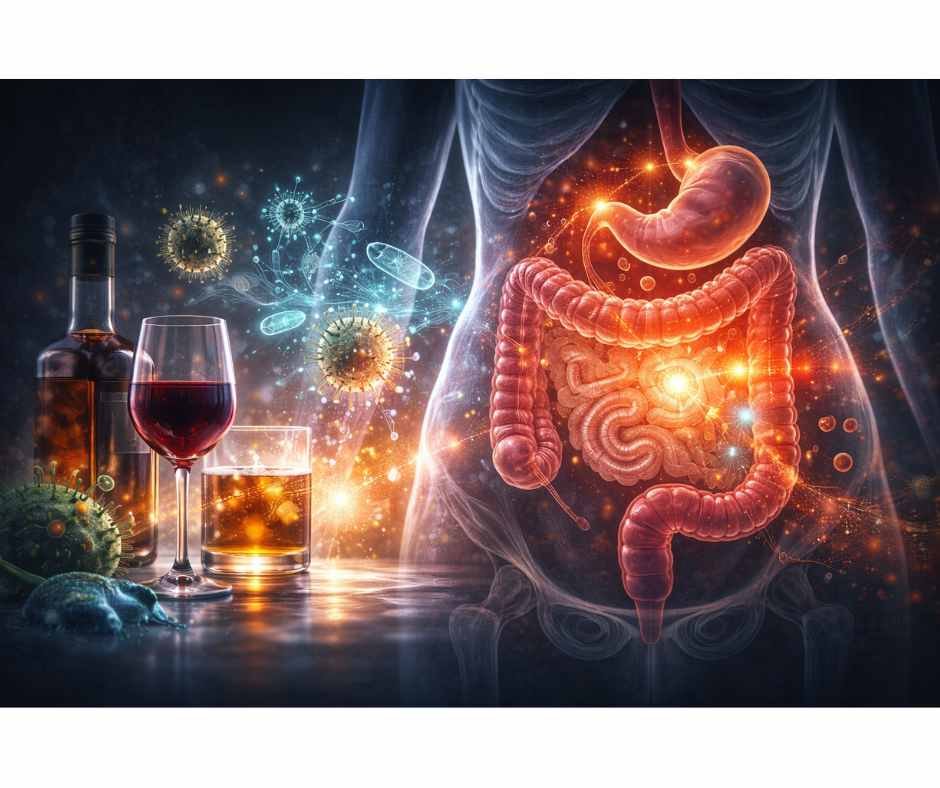
Alcohol is deeply normalized in modern culture, yet from a biological standpoint it functions as a systemic toxin. This in-depth article explores how alcohol impacts detoxification pathways, nutrient reserves, gut health, sleep quality, and nervous system regulation—and why individual biology determines risk long before conventional disease markers appear.
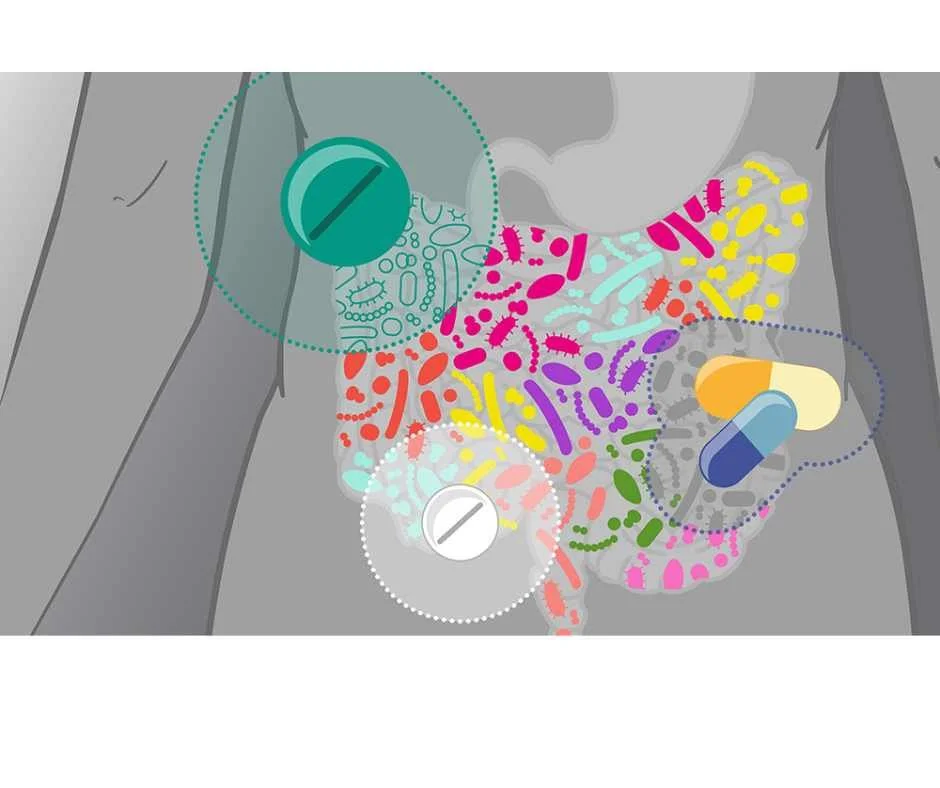
Read MoreLong-term use of PPIs, antibiotics, hormonal contraceptives, and NSAIDs can weaken stomach acid production, disrupt microbial balance, deplete key nutrients, and impair hormone metabolism—contributing to fatigue, bloating, PMS, mood shifts, and systemic inflammation.
Read MoreChronic constipation is rarely just a fiber issue. Hormonal imbalance, low bile flow, thyroid dysfunction, stress physiology, and gut–brain axis disruption can all impair motility. A root-cause approach restores natural bowel function without dependency on laxatives.
Read MoreMagnesium deficiency can drive fatigue, anxiety, muscle cramps, heart rhythm changes, hormone imbalance, and blood sugar instability. Because serum testing often misses intracellular depletion, proper evaluation and form selection are essential for effective repletion.
Read MoreChronic gum disease and oral microbiome imbalance are not isolated dental issues. Periodontal inflammation has been linked to cardiovascular disease, insulin resistance, cognitive decline, autoimmune disorders, and systemic inflammatory burden. A functional medicine approach evaluates the root drivers influencing both oral and whole-body health.
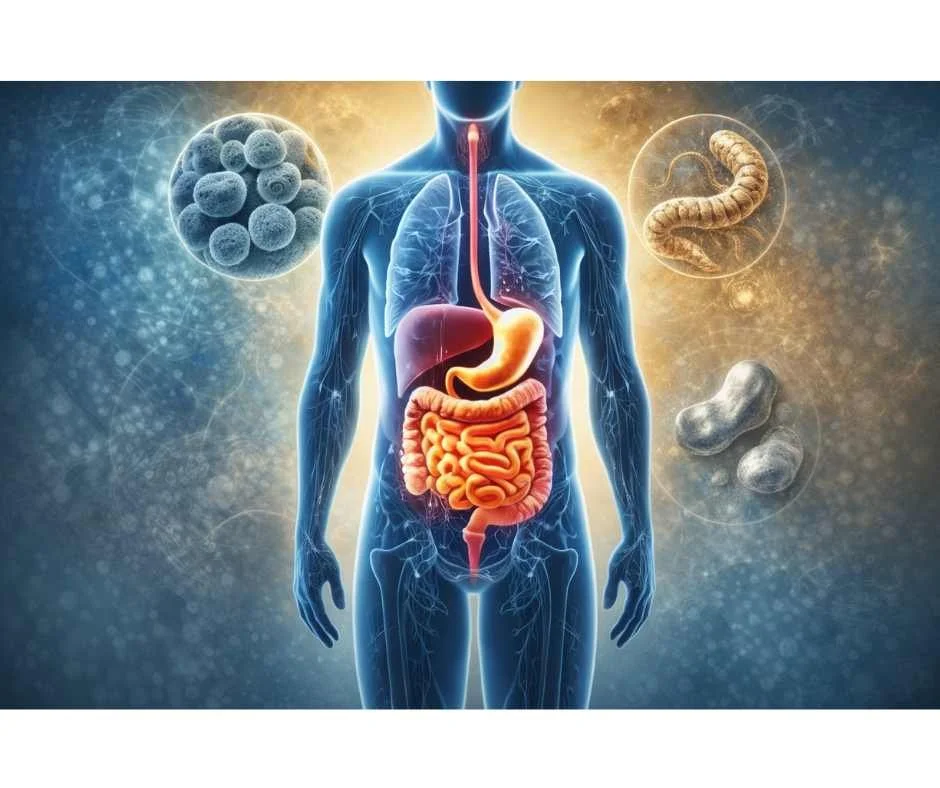
Read MoreCandida overgrowth, parasitic infections, and heavy metal toxicity often reinforce one another—creating a hidden connection that drives fatigue, brain fog, gut dysfunction, and chronic inflammation. Biofilms, immune suppression, and impaired detox pathways sustain this toxic cycle, requiring a systems-based approach that restores regulation and resilience rather than targeting one factor in isolation.
Read MoreCAFO-raised meat, lab-grown food technologies, and insect-derived ingredients are increasingly common—but rarely transparent. Part 3 of this food toxin series explores how industrial meat production and emerging food alternatives may impact hormones, gut health, immunity, and long-term metabolic resilience.
Read MoreModern food engineering introduces GMOs, glyphosate, Bt toxins, hexane-processed ingredients, and synthetic produce coatings into the food supply. These exposures may disrupt gut health, hormone signaling, detoxification capacity, and long-term metabolic resilience.
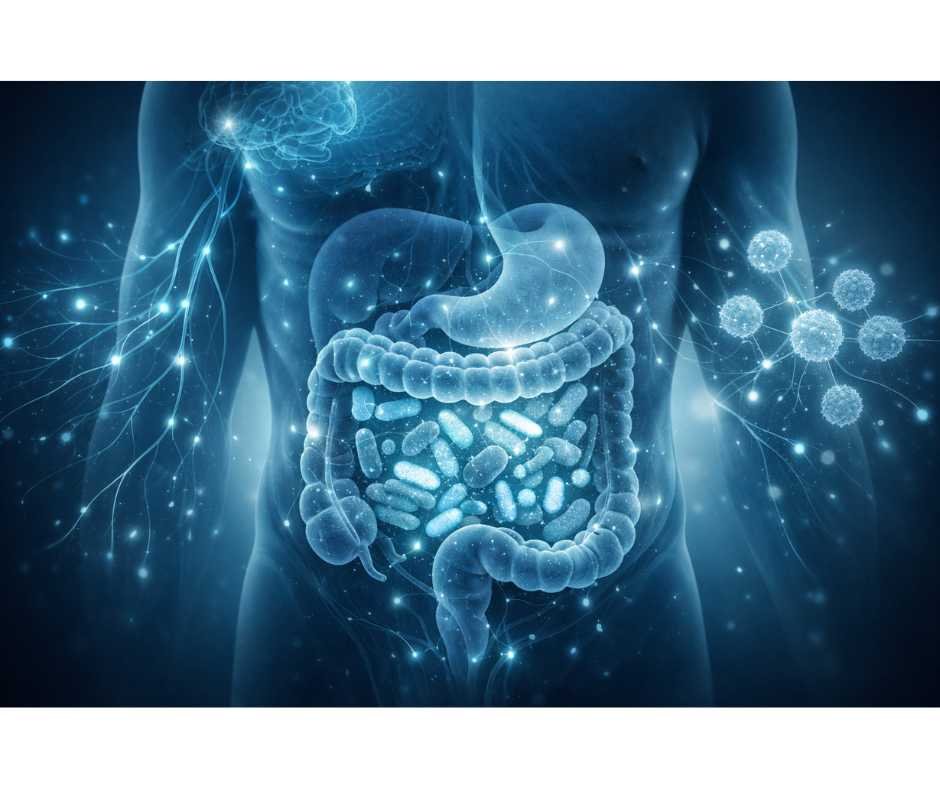
Read MoreGut dysbiosis is more than bloating or IBS. Learn how microbiome imbalance contributes to autoimmune disease, metabolic dysfunction, mood disorders, and how to restore gut health at the root.
Read MoreSeed oils are now a dominant source of dietary fat in modern diets, primarily consumed through ultra-processed foods and restaurant meals. As colorectal cancer rates rise—especially among younger adults—this article examines how seed oils, inflammation, gut health, and dietary patterns may influence long-term colon cancer risk within a prevention-focused framework.
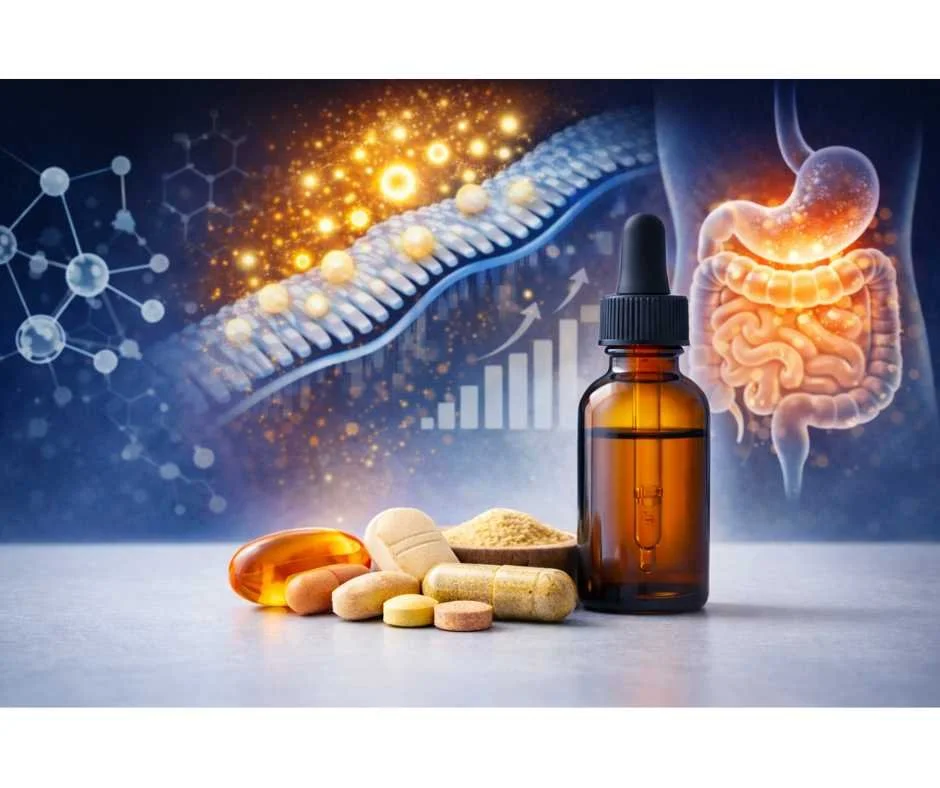
Read MoreTaking supplements does not guarantee absorption. Bioavailability determines whether nutrients reach circulation, enter cells, and produce measurable benefit. This article explains how delivery systems, excipients, gut health, and nutrient timing influence supplement effectiveness.
Read MoreThe AIP diet is a structured elimination protocol designed to reduce inflammatory triggers in autoimmune disease. Learn how it works, which foods are removed, how long elimination should last, and when deeper root-cause evaluation is needed.
Read MoreDetoxification is not a cleanse—it is a structured, three-phase physiological process. This guide explains how the liver processes toxins, why elimination matters, and how to detox safely without triggering symptoms.
Read MoreYeast infections are not just a vaginal issue. Candida overgrowth can affect the gut, mouth, skin, and immune system, often causing vague, chronic symptoms that are repeatedly misdiagnosed. This article explores hidden Candida symptoms, root causes of recurrence, and how a functional medicine approach restores microbial balance.
Read MoreThe low FODMAP diet can reduce bloating, gas, and abdominal pain—but only when used correctly. Learn who benefits, what the research shows, and why long-term restriction is not the answer.
Read MoreInflammatory bowel disease is a complex, immune-mediated condition that extends beyond the digestive tract. This article explores Crohn’s disease and ulcerative colitis through a functional medicine lens, examining gut barrier disruption, immune dysregulation, flare persistence, and integrative strategies that support long-term stability.
Read MoreGluten can contribute to intestinal permeability by disrupting the gut barrier and triggering immune activation. Learn the signs of gluten-related leaky gut and how to support healing at the root cause.
Read MoreAlcohol disrupts the gut microbiome, damages intestinal barrier integrity, and drives systemic inflammation through the gut–brain axis. This article explains how alcohol affects gut health, why symptoms often occur without digestive complaints, and why a systems-based clinical approach matters for long-term health.
Read MoreMany people experience persistent symptoms after eating gluten despite negative celiac testing. This article explains what non-celiac gluten sensitivity is, how it affects the gut and immune system, and how it can be identified and managed within a root-cause framework.
Read MoreThyroid hormones rely on gut integrity, immune regulation, and proper nutrient absorption to function at the cellular level. This article explains why thyroid symptoms often persist despite normal labs—and how gut health shapes thyroid regulation.
Read More