

Mercury Fillings: Health Risks, Symptoms, and Safe Amalgam Removal
How Mercury Vapor Affects the Body and Why the SMART Protocol Matters for Safe Removal
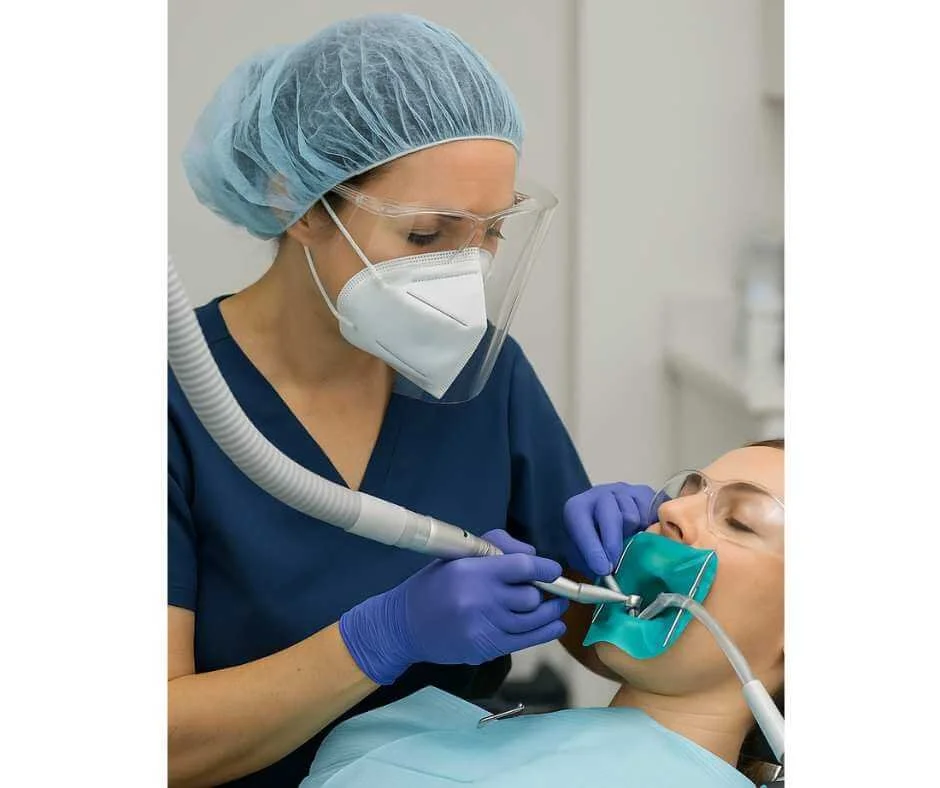
Dental amalgam fillings, commonly known as silver fillings, contain approximately 50% elemental mercury by weight. Although these fillings appear stable once placed, they are not chemically inert. They continuously release small amounts of mercury vapor, with exposure increasing during chewing, brushing, teeth grinding, and drinking hot liquids (1,2).
Once inhaled, elemental mercury enters the bloodstream, crosses the blood–brain barrier, and distributes into tissues, including the brain and kidneys. Mercury has a strong affinity for sulfur-containing proteins and glutathione, allowing it to interfere with antioxidant defenses, mitochondrial function, and cellular redox balance. These mechanisms are well established in mercury toxicology, although their clinical significance depends on the amount and duration of exposure (3).
Dental amalgam fillings can remain in place for decades, creating an ongoing source of low-dose mercury exposure. This adds to the body's cumulative mercury burden from dietary, occupational, environmental, and other sources. Kidney function, antioxidant defenses, nutritional status, and underlying health conditions all influence how the body handles mercury.
Chronic fatigue, brain fog, neurological symptoms, and unexplained inflammatory conditions often have multiple contributing factors. Mercury exposure is one environmental factor worth investigating, particularly when dental amalgams have been present for many years.
Removing mercury fillings eliminates that particular source of exposure, but the procedure itself requires precautions. Drilling into amalgam releases mercury vapor and particles, potentially increasing exposure during removal. Using protective techniques to minimize inhalation and contamination is essential.
The focus should be on reducing unnecessary mercury exposure while accounting for the patient's overall health, other toxicant exposures, and the physiological support needed before and after removal.
Are Mercury Fillings Harmful to Your Health?
Yes. Mercury is a known neurotoxin, and dental amalgam fillings continuously release mercury vapor, exposing the body to this toxic metal for as long as they remain in place (1,3).
Mercury doesn't stay in the mouth. It reaches tissues throughout the body, including the brain and kidneys, where higher mercury concentrations have been linked to greater numbers of amalgam-filled tooth surfaces (4,6).
Exposure is particularly concerning during pregnancy, in developing children, and in people with kidney disease or neurological conditions such as Parkinson's disease or multiple sclerosis (5). Micronutrient status, everyday toxicant exposures, and individual detoxification capacity also influence how the body handles mercury.
Removing mercury amalgam fillings eliminates a persistent source of toxic exposure. However, the removal process itself can release substantial amounts of mercury vapor and particles, making safe mercury amalgam removal with proper protective protocols essential.
Why Do Mercury Amalgam Fillings Release Mercury Vapor?
Dental amalgam combines elemental mercury with powdered metals, primarily silver, tin, and copper. Mercury binds these metals into a durable filling, but hardening does not stop mercury from escaping its surface as vapor (1,3).
Everyday activities such as chewing, brushing, and teeth grinding increase mercury vapor release, while hot liquids can increase emissions through temperature changes. The amount released also varies with the number, size, and exposed surface area of the fillings (2,3).
Amalgam is also subject to corrosion. Saliva acts as an electrolyte, allowing electrochemical reactions at the metal surface. Contact with other dental metals can create galvanic interactions that further influence corrosion and mercury release (7).
Even an intact, undamaged amalgam filling continues to release mercury vapor.
Can Cell Phones and EMFs Increase Mercury Release From Fillings?
Radiofrequency electromagnetic fields (EMFs) from cell phones may also influence mercury release from dental amalgam. Higher urinary mercury levels have been observed following mobile-phone exposure in people with amalgam fillings (8).
Increased microleakage has also been observed in amalgam restorations exposed to both cell-phone radiation and electromagnetic fields from dental curing equipment (9). Microleakage refers to microscopic gaps between the filling and surrounding tooth that allow bacteria and fluids to penetrate. Although microleakage does not directly measure mercury release, these findings raise questions about how electromagnetic fields affect amalgam restorations.
How Mercury Affects the Brain, Immune System, Hormones, and Mitochondria
Mercury doesn't affect just one organ. Its toxicity extends across several interconnected systems, including the brain, immune system, mitochondria, kidneys, and endocrine glands.
One of mercury's most damaging effects is its ability to bind to sulfur-containing proteins and interact with selenium-dependent enzymes. This interferes with glutathione and thioredoxin systems, weakens cellular antioxidant defenses, and increases oxidative stress (10).
Mercury, Mitochondrial Dysfunction, and Chronic Fatigue
Mitochondria depend on tightly regulated enzyme activity, antioxidant protection, and cellular calcium balance to produce energy efficiently.
Mercury disrupts these processes, interfering with mitochondrial membrane function, increasing oxidative damage, and impairing ATP production. These effects on cellular energy metabolism are particularly relevant to muscle function, neurological health, and physical endurance (10).
Fatigue, muscle weakness, and reduced exercise tolerance can occur with significant mercury toxicity. Persistent fatigue often involves several overlapping factors, including thyroid dysfunction, nutrient deficiencies, inflammation, and mitochondrial impairment.
Mercury's Effects on the Brain and Nervous System
The brain is particularly vulnerable to mercury because neurons require substantial energy and depend on tightly controlled neurotransmitter signaling.
Mercury interferes with glutamate regulation, calcium signaling, and antioxidant defenses, increasing the risk of neuronal injury and neuroinflammation (11).
Neurological effects of mercury toxicity include brain fog, memory and concentration difficulties, tremors, irritability, mood changes, and impaired coordination. Developing brains are especially vulnerable, with neurological injury potentially affecting long-term cognitive and motor function.
Mercury's Effects on the Kidneys
The kidneys are a major site of inorganic mercury accumulation and play an important role in its elimination. Mercury is particularly damaging to the proximal tubules, where it interferes with mitochondrial energy production, antioxidant defenses, and normal cellular transport processes (12).
At sufficient exposure levels, these effects can damage kidney tissue and impair renal function. Existing kidney dysfunction is also an important consideration when evaluating mercury exposure because the kidneys are involved in clearing inorganic mercury from the body.
Mercury, Inflammation, and Autoimmune Activity
Mercury can disrupt immune regulation by altering inflammatory cytokines, immune cell activity, and autoantibody production. These changes can promote chronic inflammation and autoimmune responses, particularly in people with genetic susceptibility (13).
For patients with autoimmune conditions or persistent inflammation, mercury exposure is another environmental factor worth considering, especially alongside other toxicant exposures and underlying immune dysfunction.
Mercury's Effects on Thyroid and Reproductive Hormones
Mercury also interferes with endocrine signaling, including pathways involved in thyroid function, reproductive hormones, and adrenal regulation.
Potential mechanisms include oxidative damage within endocrine tissues, altered hormone concentrations, interference with enzyme activity, and disruption of steroid hormone production (14).
Thyroid hormone regulation, fertility, menstrual function, and stress physiology all depend on coordinated endocrine signaling. Mercury's effects on these pathways make environmental exposure relevant to the evaluation of hormonal dysfunction, particularly when several metabolic and inflammatory problems occur together.
Mercury's Effects on the Gut and Microbiome
Mercury exposure can disrupt the gut microbiome, alter microbial metabolism, and damage the intestinal barrier. These changes involve oxidative stress, inflammatory signaling, and disruption of the tight junction proteins that regulate intestinal permeability (15).
The relationship also works in the other direction. Gut microbes influence mercury metabolism, including the conversion between different chemical forms, while the gastrointestinal tract contributes to mercury elimination through biliary and fecal excretion. Gut health is therefore relevant to both mercury toxicity and the body's detoxification capacity.
Mercury, Oxidative Stress, and Cardiovascular Health
Mercury also affects the vascular endothelium, the thin layer of cells lining blood vessels. It increases oxidative stress and interferes with nitric oxide signaling, which helps regulate blood vessel relaxation, circulation, and blood pressure (16).
These effects can impair endothelial function and promote vascular inflammation, two processes involved in cardiovascular disease. Mercury exposure has also been associated with increased cardiovascular risk, although the strength of that relationship varies with the form and amount of mercury involved.
Mercury Exposure, DNA Damage, and Cancer Risk
Mercury's toxicity extends to processes involved in cancer development. It increases oxidative stress, damages DNA, interferes with DNA repair, and disrupts cellular signaling involved in growth and programmed cell death. These effects can compromise genomic stability and interfere with the body's ability to regulate damaged cells (17).
Chronic mercury exposure raises additional concerns when combined with persistent inflammation and other environmental toxicants. Its effects on DNA integrity and cellular regulation provide a biological basis for investigating mercury's potential role in cancer development.
Safe Mercury Amalgam Removal: What Is the SMART Protocol?
Drilling into mercury amalgam fillings releases mercury vapor and fine particles, creating an additional source of exposure during removal. Mercury-safe removal uses several precautions to limit inhalation, ingestion, and contamination during the procedure (18).
The Safe Mercury Amalgam Removal Technique (SMART) was developed by the International Academy of Oral Medicine and Toxicology (IAOMT). It provides a structured set of precautions designed to reduce mercury exposure for patients and dental professionals during amalgam removal.
How Does the SMART Protocol Protect Patients?
SMART incorporates several protective measures beyond standard dental procedures (18):
Dental dam isolation: A barrier separates the treated tooth from the rest of the mouth, helping prevent amalgam particles from being swallowed or dispersed.
Clean air supply: Patients receive an external source of air or oxygen through a nasal mask to reduce inhalation of mercury vapor.
High-volume suction and air filtration: Specialized suction and filtration equipment capture mercury-containing particles and vapor near the treatment site.
Water cooling and controlled removal: Continuous cooling reduces heat, while sectioning the filling into larger pieces limits unnecessary grinding.
Protective barriers: Covers for the patient and appropriate respiratory protection and clothing for the dental team reduce contact with contaminated particles.
The way amalgam is removed affects mercury exposure. In a study published in Dental Materials, patients whose amalgam fillings were removed without a rubber dam had significantly greater increases in plasma mercury than those treated with a rubber dam. One year after removal, plasma and urinary mercury concentrations had fallen below baseline levels in both groups (19).
The study examined rubber dam use rather than the complete SMART protocol, but it demonstrates how removal techniques influence mercury exposure.
Patients considering amalgam replacement should look for a dentist trained in SMART and ask which precautions will be used. Certification demonstrates training in the IAOMT protocol, but it's worth confirming how the dentist performs the procedure.
Functional Medicine Support Before and After Mercury Amalgam Removal
Preparing the body before mercury filling removal is an important part of comprehensive care, especially for patients dealing with chronic illness, environmental sensitivities, or multiple toxicant exposures. Nutritional status, inflammation, metabolic health, and detoxification capacity all deserve attention before dental treatment.
The Swiss Biohealth Concept follows a similar philosophy, integrating medical assessment, nutritional optimization, and recovery care into biological dentistry (20). Functional medicine complements this approach by identifying and addressing health problems that extend beyond the mouth.
Preparing for Mercury Filling Removal
Preparation begins with a thorough evaluation of the patient's health, including nutritional deficiencies, kidney and liver function, gut health, inflammation, and other environmental exposures.
Mercury interacts with glutathione-dependent antioxidant defenses and cellular energy metabolism, making nutritional and metabolic health particularly relevant (10,12).
For patients with autoimmune conditions, chronic fatigue, or chemical sensitivities, correcting deficiencies, addressing digestive problems, and stabilizing existing symptoms may take priority before dental treatment. Aggressive detoxification protocols can add unnecessary stress, particularly in patients who already struggle to tolerate supplements or other interventions.
Supporting Detoxification and Recovery After Removal
Previously absorbed mercury takes time to clear after amalgam removal, with elimination rates varying between tissues (12).
Post-removal care may involve targeted nutritional and antioxidant support, addressing gut or liver dysfunction, and treatment for ongoing inflammation, mitochondrial dysfunction, or nervous system dysregulation.
Recovery looks different for every patient, particularly those with chronic illness or heightened sensitivity to treatment. Nutritional needs, detoxification capacity, and existing health conditions determine where to focus care and how quickly to proceed.
The biological dentist handles safe mercury amalgam removal, while the functional medicine practitioner addresses the nutritional, metabolic, immune, and environmental health issues that dental treatment alone cannot resolve.
→ Detoxification & Environmental Medicine
Frequently Asked Questions About Mercury Fillings and Safe Removal
What are the symptoms of mercury exposure from dental fillings?
Mercury toxicity can affect the nervous system, causing tremors, memory and concentration problems, irritability, and impaired coordination. Fatigue, headaches, and brain fog are also reported but are not specific to mercury exposure. Dental amalgam is one possible source of mercury, although these symptoms alone cannot establish that fillings are responsible.
Can you test for mercury toxicity from amalgam fillings?
Mercury exposure can be measured through laboratory testing. Urine mercury testing is generally more useful for assessing exposure to elemental and inorganic mercury, while blood testing can help evaluate certain recent exposures. Neither test reliably measures the body's total mercury burden or proves that a particular symptom is caused by amalgam fillings.
Should mercury fillings be removed if they are still intact?
Even intact amalgam fillings release mercury vapor. Replacing them eliminates that source of exposure, but removal also involves temporary mercury release and possible loss of healthy tooth structure. The condition of the tooth, other mercury exposures, and individual health concerns all matter when deciding whether to proceed. If removal is chosen, a dentist trained in mercury-safe techniques is preferable.
Can removing mercury fillings improve fatigue, brain fog, or autoimmune symptoms?
Some patients report improvements after amalgam removal, but clinical research has not established consistent benefits for chronic fatigue, cognitive symptoms, or autoimmune disease. Removal eliminates one source of mercury exposure, not necessarily every factor contributing to illness. Persistent symptoms deserve a broader evaluation of neurological, immune, metabolic, and environmental health.
How long does mercury stay in the body after amalgam removal?
Mercury levels typically decline after amalgam removal, but elimination varies between tissues. Inorganic mercury can persist in the kidneys and other organs longer than it remains detectable in blood. Previous exposure, kidney function, and additional mercury sources affect how quickly levels decline.
Is detoxification necessary before or after mercury filling removal?
There is no single detoxification protocol that everyone needs. Patients with chronic illness, nutritional deficiencies, digestive dysfunction, or multiple environmental exposures may benefit from preparation before removal and individualized care afterward. The priority is to address existing health problems and maintain normal elimination rather than use aggressive detoxification treatments without a clear indication.
Can mercury fillings be removed during pregnancy or breastfeeding?
Elective mercury amalgam removal is generally best postponed during pregnancy and breastfeeding because drilling temporarily increases mercury exposure. The IAOMT advises against removal during these periods. If urgent dental treatment is necessary, the dentist should coordinate with the patient's medical clinician to determine the safest approach.
What are the best mercury-free alternatives to amalgam fillings?
Common mercury-free alternatives include composite resin, ceramic, and glass ionomer restorations. Composite resin is frequently used for smaller fillings, while ceramic may be suitable for larger restorations. Material biocompatibility, tooth structure, bite forces, and the size of the restoration should guide the decision with a biological dentist.
Still Have Questions?
If the topics above reflect ongoing symptoms or unanswered concerns, a brief conversation can help clarify whether a root-cause approach is appropriate.
Resources
U.S. Food & Drug Administration – Dental amalgam fillings
World Health Organization – Mercury and health
StatPearls (NCBI Bookshelf) – Mercury toxicity
Environmental Health Perspectives – Mercury concentrations in the human brain and kidneys in relation to exposure from dental amalgam fillings
Toxicology Letters – The impact of genetic variation on metabolism of heavy metals
International Academy of Oral Medicine and Toxicology – The Safe Mercury Amalgam Removal Technique (SMART)
Journal of Trace Elements in Medicine and Biology – Rethinking the dental amalgam dilemma: an integrated toxicological approach
Toxicological Sciences – Mercury exposure and mitochondrial dysfunction
Neurotoxicology – Neurobehavioral effects of chronic low-level mercury exposure
Clinical & Experimental Immunology – Immunotoxic effects of mercury
Endocrine Reviews – Endocrine disruption associated with mercury exposure
Toxicology and Applied Pharmacology – Genetic susceptibility and mercury toxicokinetics
Environmental Research – Chronic low-dose heavy metal exposure and multisystem effects
Neurotoxicology and Teratology – Mercury exposure and cognitive dysfunction
Journal of Alzheimer’s Disease – Mercury exposure and neurodegenerative disease risk
Autoimmunity Reviews – Mercury-induced immune dysregulation and autoimmunity
Thyroid – Mercury interference with thyroid hormone metabolism
Free Radical Biology & Medicine – Mitochondrial toxicity of heavy metals and chronic fatigue
Gut Microbes – Mercury exposure, gut dysbiosis, and intestinal permeability
Circulation Research – Mercury, oxidative stress, and cardiovascular risk
Science of the Total Environment – Correlation between dental amalgam burden and tissue mercury levels
Environmental Health – MTHFR and glutathione pathway polymorphisms in heavy metal detoxification
International Academy of Oral Medicine and Toxicology – Mercury vapor release during amalgam removal
Journal of Occupational and Environmental Medicine – Acute mercury exposure during dental procedures
International Academy of Oral Medicine and Toxicology – Scientific basis for SMART mercury removal protocols
Journal of Dentistry – Mercury exposure reduction using protective dental protocols
Toxicology Reports – Redistribution of mercury following dental amalgam removal
Biometals – Tissue mercury mobilization and detoxification challenges
Nutrients – Role of minerals in heavy metal displacement and detoxification
Journal of Environmental and Public Health – Sauna therapy and mercury excretion
Clinical Toxicology – Laboratory assessment of mercury burden in clinical practice
Environmental Toxicology and Pharmacology – Chronic mercury exposure and cumulative toxic burden