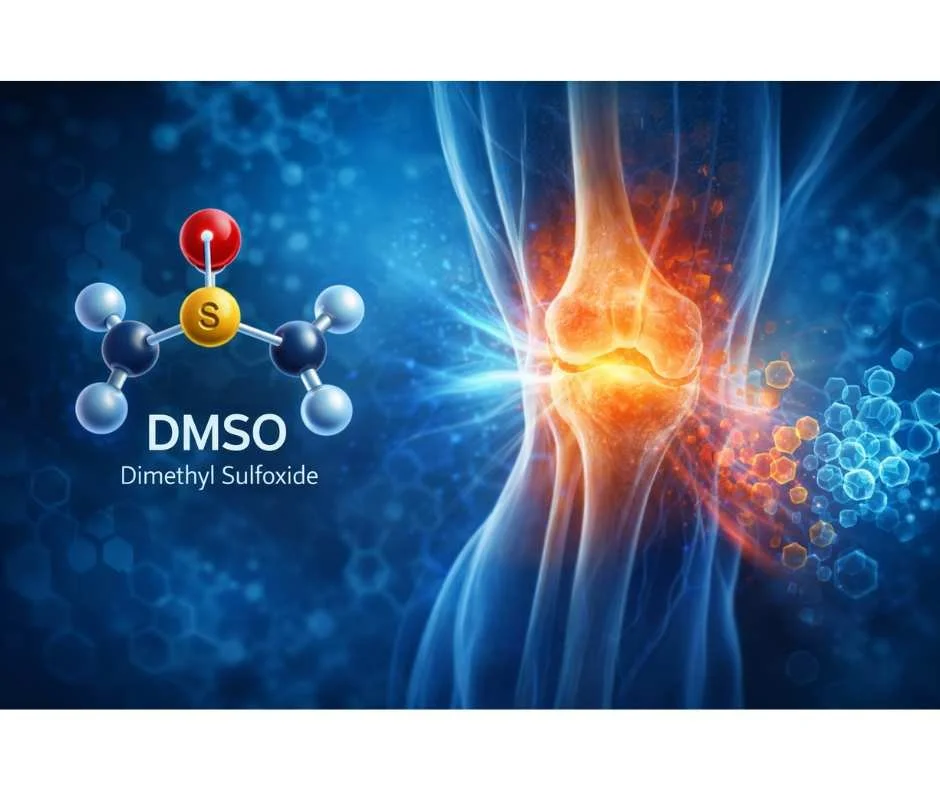
DMSO (dimethyl sulfoxide) is a membrane-penetrating sulfur compound used in clinical settings for topical pain relief, inflammation modulation, injury recovery, and controlled transderal delivery of therapeutic agents. This guide reviews its mechanisms, safety considerations, and integrative applications.
Read MoreAre mammograms safe? While widely used for breast cancer screening, they carry measurable risks. Explore dense breast screening limitations, radiation exposure concerns, and holistic strategies that support personalized breast cancer prevention.

Read MoreMercury amalgam fillings contain approximately 50% elemental mercury and continuously release low levels of mercury vapor. Over time, chronic exposure may contribute to neurological symptoms, immune dysregulation, hormonal imbalance, and increased oxidative stress. Understanding safe removal protocols and functional detox support is essential for reducing toxic burden without triggering symptom flares.
Read MoreWhy does the United States spend more on healthcare than any other nation yet struggle with chronic disease outcomes? This in-depth analysis explores the limitations of symptom-based medicine and explains how systems-based, root-cause care offers a more sustainable path forward.
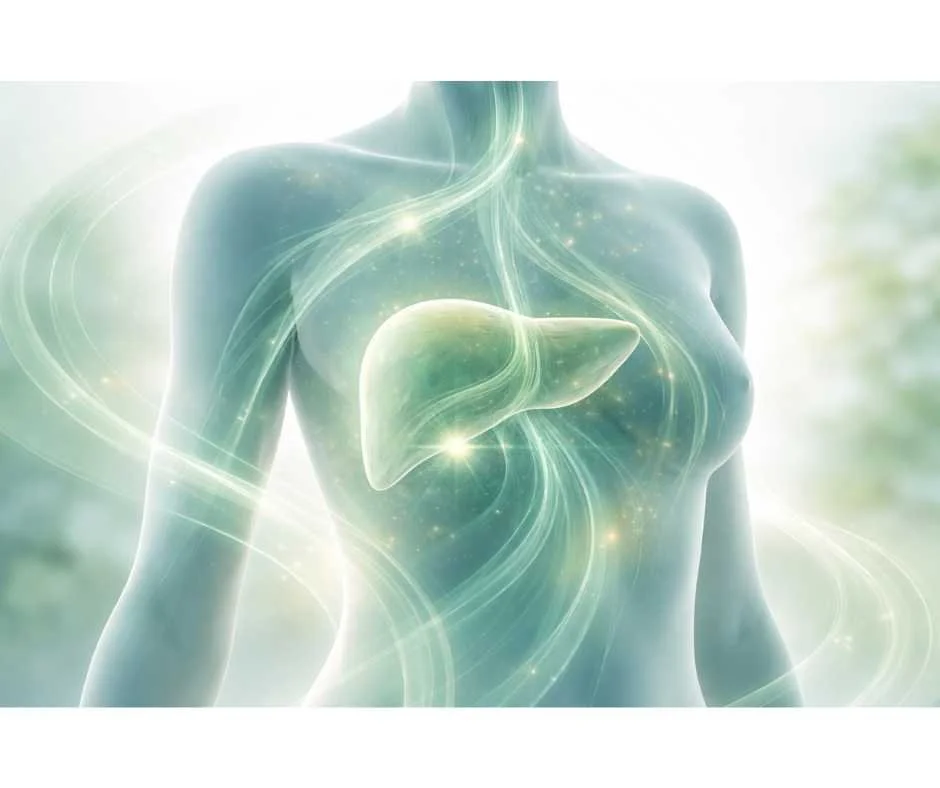
Read MoreDetoxification is not a cleanse—it is a structured, three-phase physiological process. This guide explains how the liver processes toxins, why elimination matters, and how to detox safely without triggering symptoms.
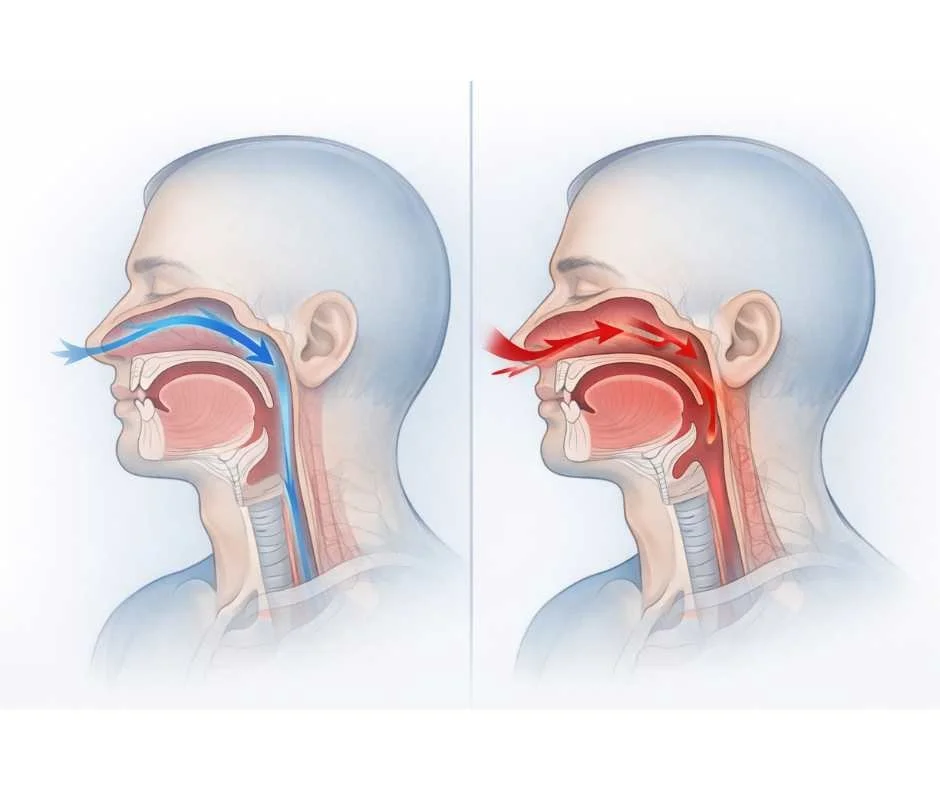
Read MoreSleep apnea is a systemic condition that affects breathing, metabolism, inflammation, and nervous system regulation. This article explores how conventional treatment, functional medicine, and acupuncture can work together to support airway stability, sleep quality, and long-term health.
Read MoreYeast infections are not just a vaginal issue. Candida overgrowth can affect the gut, mouth, skin, and immune system, often causing vague, chronic symptoms that are repeatedly misdiagnosed. This article explores hidden Candida symptoms, root causes of recurrence, and how a functional medicine approach restores microbial balance.
Read MoreMigraines are more than headaches. This article explains the root causes of migraines and how a functional medicine approach—addressing gut health, hormones, nutrients, stress, and nervous system regulation—can support long-term relief.
Read MoreNon-alcoholic fatty liver disease is a metabolic condition driven by insulin resistance and inflammation. Learn how NAFLD develops, how it’s diagnosed, and which strategies support liver recovery.
Read MoreBone loss after menopause is not just about calcium or aging. Learn how hormone decline, digestion, inflammation, stress, and environmental exposures shape osteoporosis risk—and how a functional and Traditional Chinese Medicine approach supports resilient bone health.
Read MoreInflammatory bowel disease is a complex, immune-mediated condition that extends beyond the digestive tract. This article explores Crohn’s disease and ulcerative colitis through a functional medicine lens, examining gut barrier disruption, immune dysregulation, flare persistence, and integrative strategies that support long-term stability.
Read MoreDepression recovery is rarely driven by a single intervention. This article explores how functional medicine supports mood by stabilizing sleep, nervous system regulation, inflammation, metabolism, and hormonal context over time.
Read MoreAfter menopause, declining estrogen accelerates collagen loss, skin thinning, and reduced repair capacity. This article explains how microneedling supports collagen remodeling, improves firmness, and enhances skin texture in postmenopausal skin—without surgery or synthetic fillers.
Read MoreSmoking cessation is not just a willpower issue—it’s a nervous system pattern. This article explains how acupuncture supports quitting smoking by regulating stress response, reducing cravings, and helping prevent relapse through nervous system stabilization.
Read MoreLearn what functional medicine is, how it differs from conventional care, and how to choose a qualified functional medicine doctor using a root-cause approach.
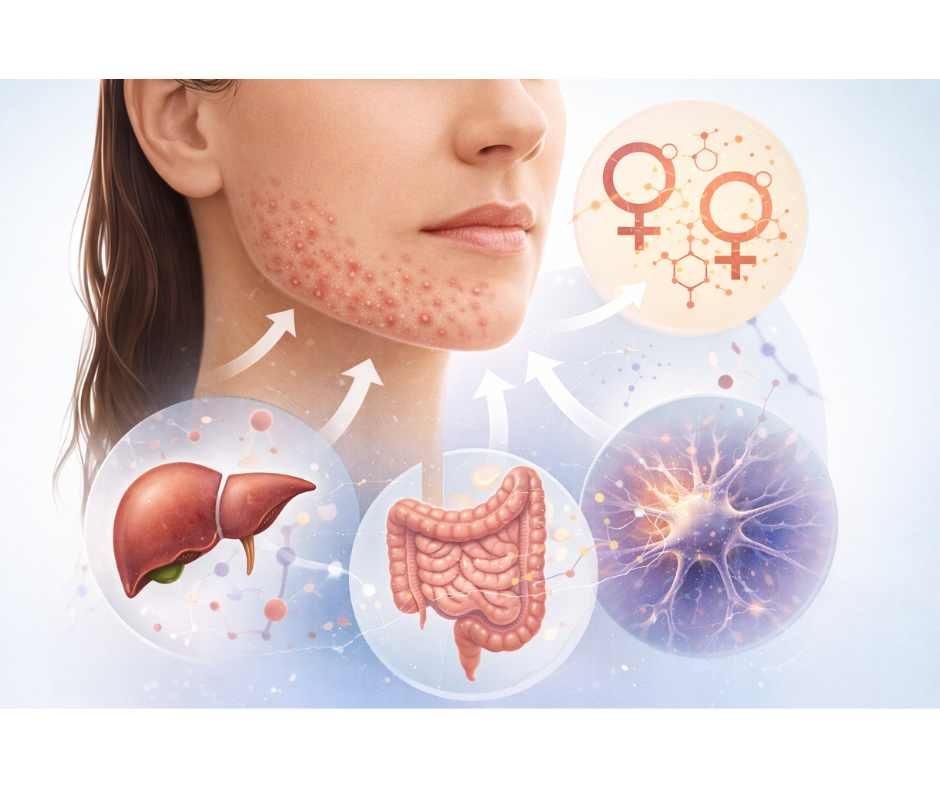
Read MoreAdult acne is often a sign of deeper imbalance rather than a surface skin problem. This article explores the root causes of persistent adult acne—including hormones, gut health, inflammation, stress physiology, and detoxification—and explains how a functional, integrative medicine approach supports long-term skin healing beyond symptom suppression.
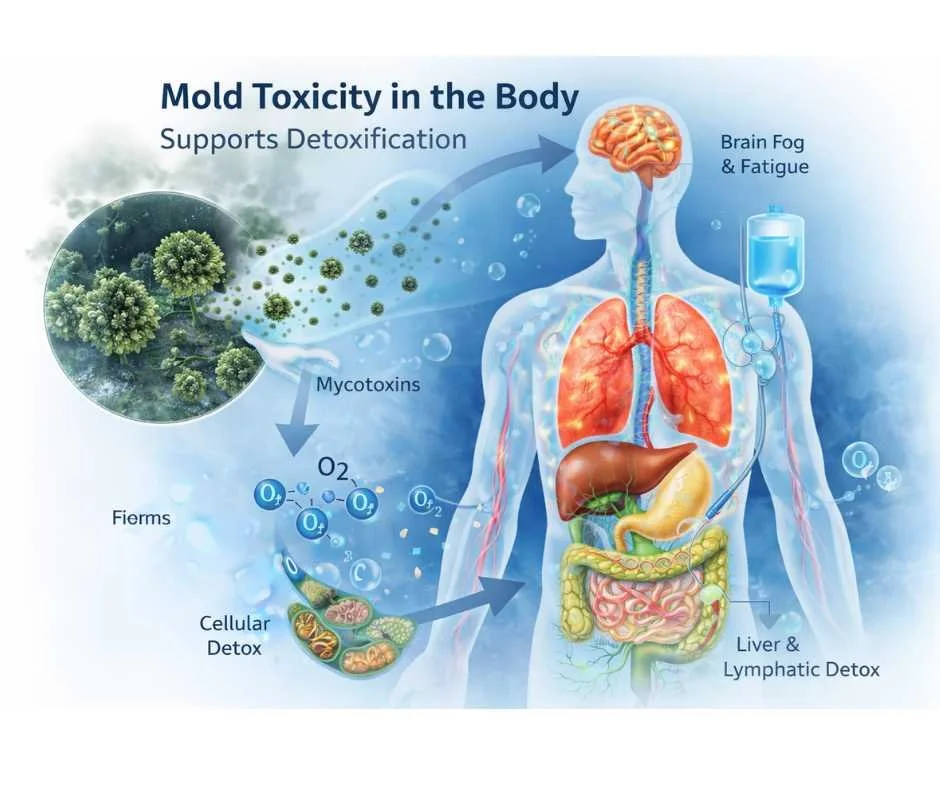
Read MoreMold illness can disrupt oxygen utilization, immune balance, and detox capacity. Learn how medical ozone therapy may support recovery when used carefully within a comprehensive mold treatment plan.
Read MoreMicroneedling is a regenerative skin treatment that stimulates collagen and elastin production to improve texture, tone, firmness, and overall skin resilience. This comprehensive guide explains how microneedling works, how it differs from acupuncture, what it can help address, and how it fits into an integrative approach to long-term skin health.
Read MoreRed light therapy, also known as photobiomodulation, supports skin health by influencing cellular energy production, collagen synthesis, and inflammatory signaling. When used clinically, it can help support tissue repair, skin resilience, and recovery within a broader integrative care framework.
Read MoreBreast cancer develops within a complex biological terrain shaped by metabolism, hormones, immune regulation, detoxification, and chronic stress. This article explores how a holistic, integrative approach supports healing, recovery, and long-term resilience by addressing the underlying conditions that influence disease behavior.
Read More