Seed oils have become a dominant fat source in modern diets, largely through ultra-processed foods and restaurant cooking. This comprehensive guide explains how omega-6 imbalance, industrial refining, and lipid oxidation influence inflammation, gut integrity, and metabolic health—and outlines practical alternatives for reducing exposure without extreme dieting.
Read MoreHormone imbalances in women are rarely caused by a single hormone being “off.” Persistent symptoms often reflect signaling dysfunction, impaired metabolism, or receptor resistance—even when laboratory values are normal.
Read MoreAlcohol is deeply normalized in modern culture, yet from a biological standpoint it functions as a systemic toxin. This in-depth article explores how alcohol impacts detoxification pathways, nutrient reserves, gut health, sleep quality, and nervous system regulation—and why individual biology determines risk long before conventional disease markers appear.
Read MoreADHD is a regulation disorder — not simply a lack of attention. This in-depth guide explains how executive dysfunction, dopamine signaling, sleep disruption, stress physiology, and metabolic instability shape ADHD symptom variability across life stages.
Read MorePersistent fatigue, weight gain, brain fog, and cold intolerance can occur even when TSH and standard thyroid labs appear normal. This guide explains T4-to-T3 conversion, reverse T3, stress physiology, nutrient deficiencies, and how a root-cause approach evaluates thyroid dysfunction beyond basic testing.
Read MoreA clinical guide to intermittent fasting for women, explaining how fasting affects cortisol, ovulation, progesterone, and the menstrual cycle—and how to time fasting without disrupting hormone balance.
Read MoreChronic Lyme disease often persists despite antibiotics due to immune dysregulation, inflammation, and mitochondrial dysfunction. The Buhner Protocol uses targeted herbal medicine and a systems-based approach to address persistent Lyme symptoms and common co-infections.
Read MoreChronic pain does not require lifelong dependence on NSAIDs, opioids, or steroid injections. Natural pain relief strategies—including acupuncture, PEMF therapy, peptides, regenerative injections, targeted nutrition, and nervous system regulation—reduce inflammation, support tissue repair, and restore function without suppressing healing. A multi-modality, root-cause approach addresses why pain persists and helps build long-term resilience.
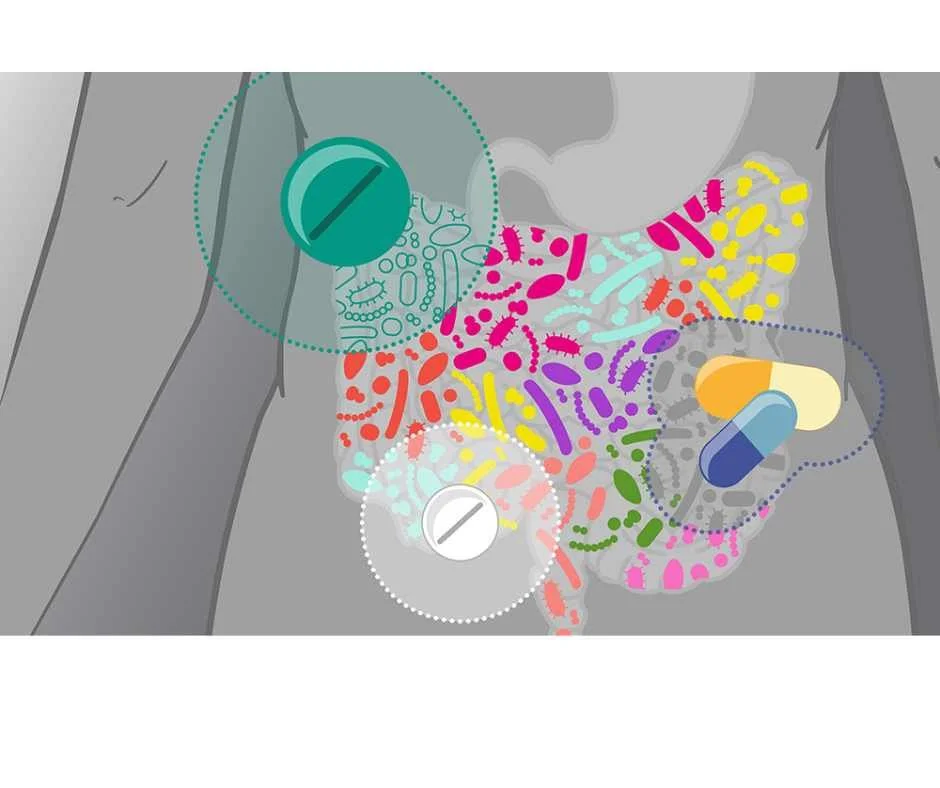
Read MoreLong-term use of PPIs, antibiotics, hormonal contraceptives, and NSAIDs can weaken stomach acid production, disrupt microbial balance, deplete key nutrients, and impair hormone metabolism—contributing to fatigue, bloating, PMS, mood shifts, and systemic inflammation.
Read MoreStatins, metformin, diuretics, and beta blockers can quietly deplete CoQ10, vitamin B12, magnesium, and key electrolytes—affecting mitochondrial energy production, glucose regulation, and cardiovascular resilience over time.
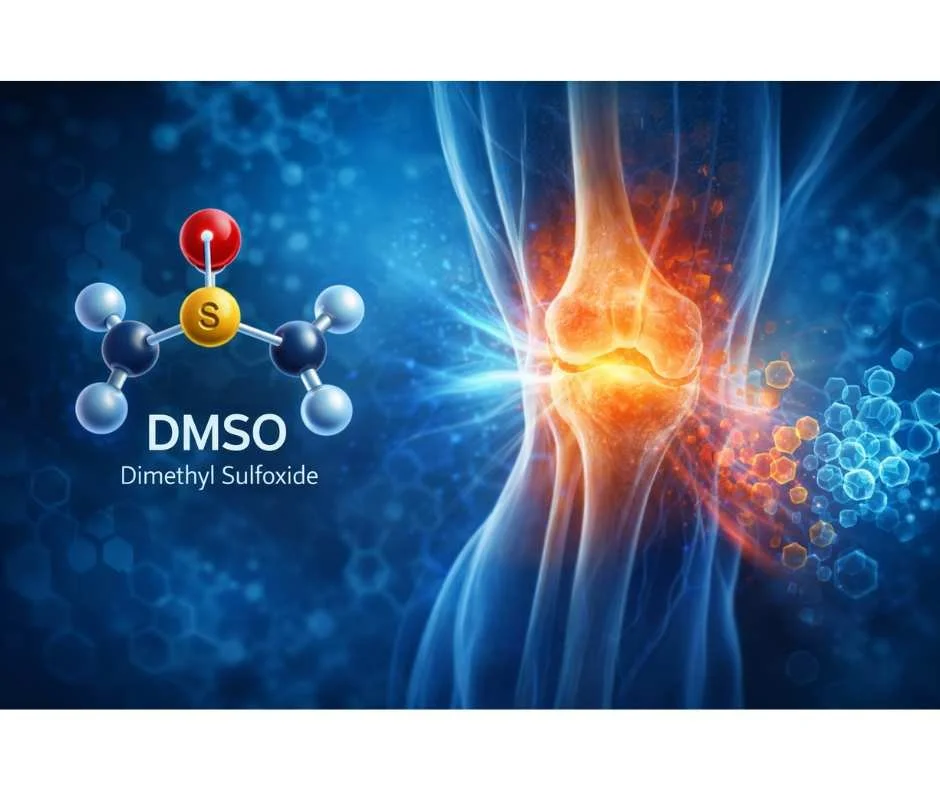
Read MoreDMSO (dimethyl sulfoxide) is a membrane-penetrating sulfur compound used in clinical settings for topical pain relief, inflammation modulation, injury recovery, and controlled transderal delivery of therapeutic agents. This guide reviews its mechanisms, safety considerations, and integrative applications.
Read MoreAre mammograms safe? While widely used for breast cancer screening, they carry measurable risks. Explore dense breast screening limitations, radiation exposure concerns, and holistic strategies that support personalized breast cancer prevention.
Read MoreSalt isn’t the enemy. Learn why sodium is essential for health, how low salt intake can cause problems, and why salt quality matters more than restriction.
Read MoreType 2 diabetes develops gradually through insulin resistance and progressive beta cell dysfunction. Explore early warning signs, root causes, complications, and prevention strategies that support long-term metabolic health.
Read MoreMagnesium deficiency can drive fatigue, anxiety, muscle cramps, heart rhythm changes, hormone imbalance, and blood sugar instability. Because serum testing often misses intracellular depletion, proper evaluation and form selection are essential for effective repletion.
Read MoreChronic gum disease and oral microbiome imbalance are not isolated dental issues. Periodontal inflammation has been linked to cardiovascular disease, insulin resistance, cognitive decline, autoimmune disorders, and systemic inflammatory burden. A functional medicine approach evaluates the root drivers influencing both oral and whole-body health.
Read MoreChronic exposure to artificial electromagnetic fields and blue light disrupts circadian rhythm, increases oxidative stress, and impairs mitochondrial energy production. Understanding how modern light environments affect sleep, metabolism, and cellular resilience provides a practical framework for restoring long-term physiological stability.
Read MoreMercury amalgam fillings contain approximately 50% elemental mercury and continuously release low levels of mercury vapor. Over time, chronic exposure may contribute to neurological symptoms, immune dysregulation, hormonal imbalance, and increased oxidative stress. Understanding safe removal protocols and functional detox support is essential for reducing toxic burden without triggering symptom flares.
Read MoreShilajit benefits extend beyond traditional herbal use. Learn how purified Shilajit resin supports mitochondrial ATP production, testosterone balance, heavy metal detoxification, and cognitive resilience within a functional medicine framework.
Read MoreCandida overgrowth, parasitic infections, and heavy metal toxicity often reinforce one another—creating a hidden connection that drives fatigue, brain fog, gut dysfunction, and chronic inflammation. Biofilms, immune suppression, and impaired detox pathways sustain this toxic cycle, requiring a systems-based approach that restores regulation and resilience rather than targeting one factor in isolation.
Read More