

Microneedling in Denver: Skin Rejuvenation, Safety, and Collagen Regeneration
How Collagen Induction Therapy Supports Texture, Tone, and Long-Term Skin Health
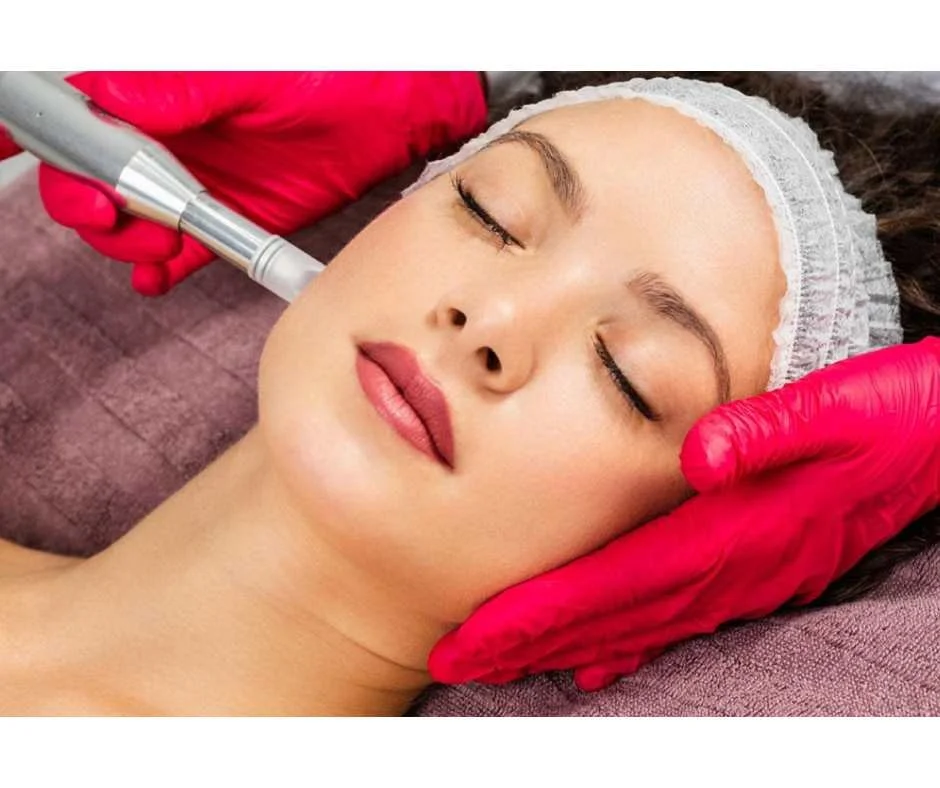
When most people think about facial rejuvenation, they often picture injectables, fillers, or invasive surgical procedures that come with significant cost, downtime, and risk. For many years, these were considered the primary options for addressing changes in skin texture, tone, and firmness.
Microneedling offers a different approach—one that works by stimulating the body’s natural repair and regeneration processes rather than forcing change through synthetic or surgical means. At Denver Sports & Holistic Medicine, microneedling is used to support collagen regeneration and skin resilience through controlled stimulation of the body’s natural healing pathways.
Although microneedling has gained widespread attention in recent years, the concept of controlled skin stimulation is not new. Variations of this technique date back thousands of years, with early forms used in ancient medical traditions. Modern microneedling builds on these principles using precise, medical-grade technology designed to support skin health safely and effectively.
Microneedling is widely used to address concerns such as acne scarring, uneven texture, stretch marks, and early changes in skin firmness. In clinical practice, microneedling in Denver is performed using medical-grade devices designed to stimulate collagen regeneration while supporting controlled healing of the skin.
→ Microneedling & Skin Rejuvenation
What Is Microneedling?
Microneedling is a minimally invasive skin treatment that uses ultra-fine needles to create controlled micro-channels in the skin without damaging the outer protective layer. This process—often referred to as collagen induction therapy—stimulates the skin’s natural repair mechanisms and supports long-term tissue regeneration. (1)
These controlled micro-injuries activate the body’s healing response. Blood flow to the area increases, signaling the recruitment of repair cells and triggering the production of collagen and elastin, two proteins essential for skin structure, elasticity, and resilience. As healing progresses, new skin cells gradually form over existing tissue, supporting improved texture and overall skin integrity. (2)
This response reflects a fundamental biological principle: when tissue is stimulated in a controlled way, the body responds by repairing and strengthening it. Rather than forcing cosmetic change, microneedling initiates the skin’s own regenerative processes.
How Microneedling Supports Skin Regeneration
Collagen and elastin provide the structural framework that gives skin its strength, flexibility, and ability to withstand daily environmental stress. Over time, natural collagen turnover slows, and cumulative environmental exposure can further weaken the skin’s supportive matrix.
Microneedling works by re-engaging collagen and elastin production, helping restore aspects of the skin’s structural support rather than masking surface concerns. Through repeated, appropriately spaced treatments, this regenerative signaling can lead to smoother texture, improved firmness, and more resilient skin over time. (3)
Because microneedling works through physiological repair pathways, it is often used as part of a broader skin-health strategy rather than as a one-time cosmetic intervention.
Does Microneedling Really Stimulate Collagen?
Yes. Microneedling stimulates collagen production by activating the skin’s natural wound-healing response. When controlled micro-channels are created in the skin, the body responds by increasing circulation, recruiting repair cells, and initiating the synthesis of collagen and elastin—two proteins responsible for skin strength, elasticity, and structural support. This regenerative process is often referred to as collagen induction therapy. (3)
Over the following weeks and months, the skin gradually remodels beneath the surface as newly formed collagen fibers develop and organize. As this remodeling occurs, the skin’s supportive matrix becomes stronger and more resilient, contributing to improvements in texture, firmness, and overall skin quality.
Because this response develops gradually, microneedling is typically performed as a series of treatments spaced several weeks apart to support cumulative collagen remodeling and longer-lasting results.
What Skin Concerns Can Microneedling Help Improve?
Microneedling is commonly used to improve several skin concerns by stimulating collagen production and supporting controlled tissue repair within the skin.
Skin concerns that may improve with microneedling include:
Fine lines and wrinkles
Uneven skin texture or rough skin surface
Hyperpigmentation and sun damage
Acne scars and other types of scarring
Stretch marks
Enlarged pores
Skin that appears dull, thin, or less resilient
Hair thinning and certain types of hair loss
Common treatment areas include the face, neck, chest, décolleté, hands, scalp, and body, depending on individual needs.
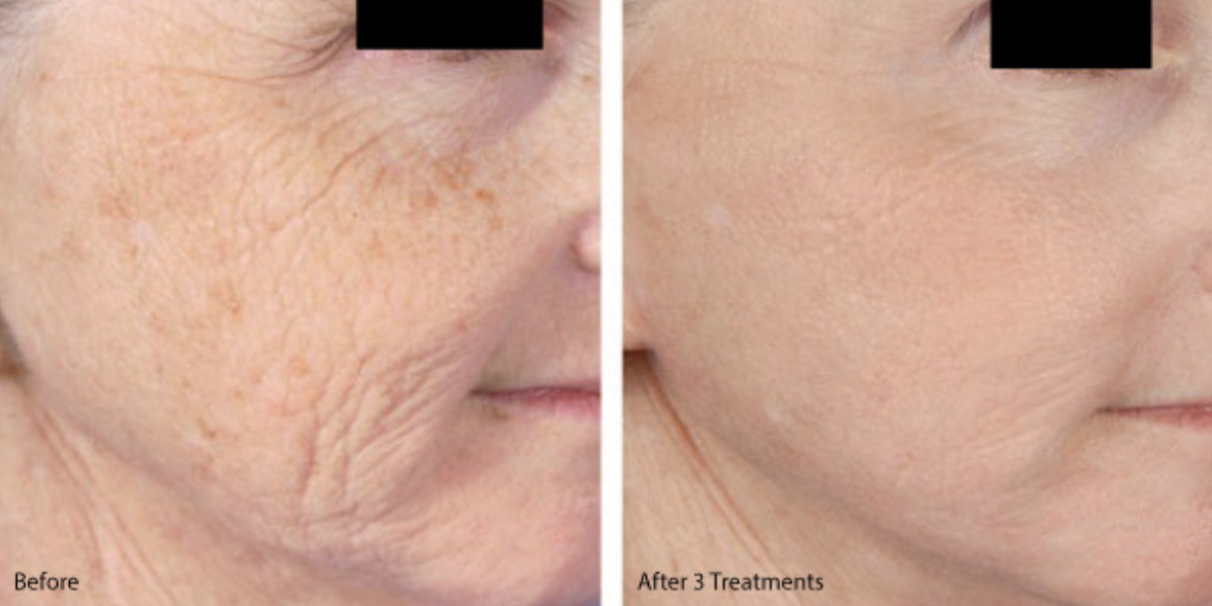
Microneedling treatment supporting improved skin texture and reduction in fine lines after three sessions.
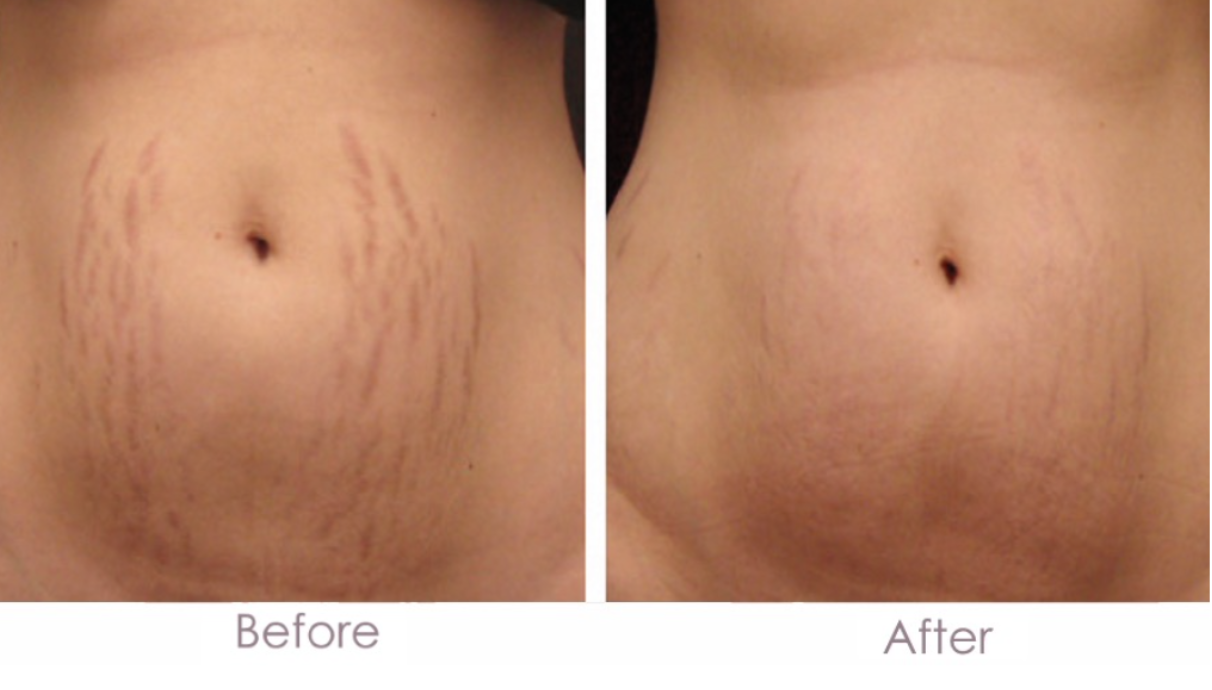
Microneedling treatment supporting visible improvement in abdominal stretch marks following a series of treatments.
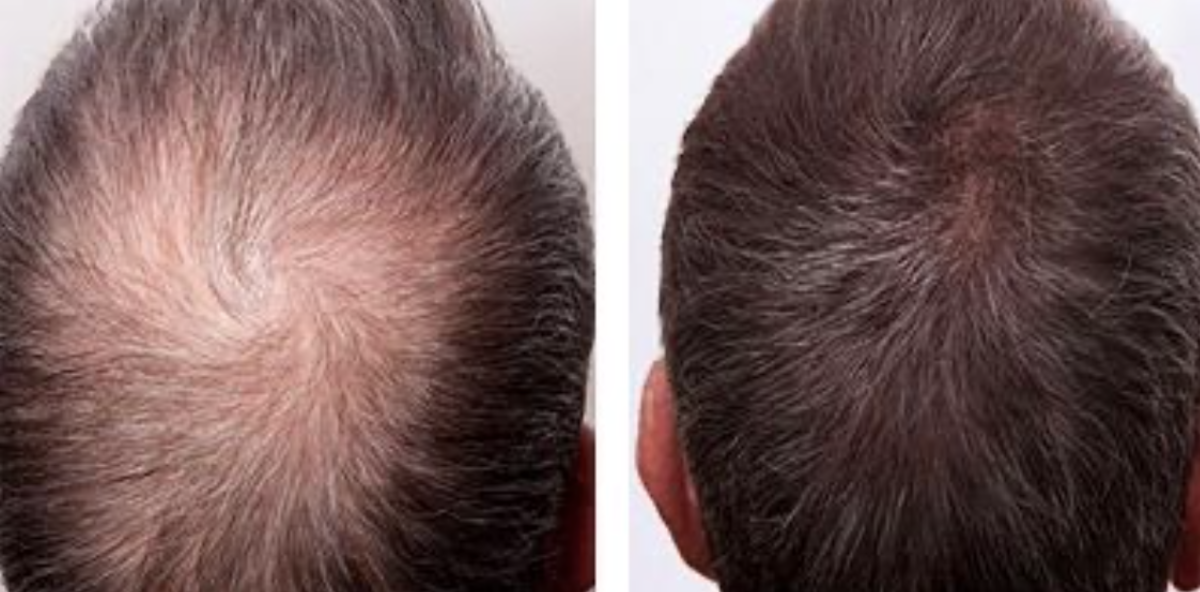
Microneedling treatment of the scalp supporting improved hair density and coverage.
Condition-specific applications—such as acne scarring, hair loss, or post-menopausal skin changes—are discussed in separate dedicated articles.
How Does a Microneedling Treatment Work?
A microneedling session is designed to stimulate controlled skin repair while supporting comfort and safety throughout the process.
Treatment typically lasts 30–60 minutes, depending on the treatment area. After appropriate skin preparation, a medical-grade microneedling device creates precise micro-channels within the skin. These controlled stimulations increase local circulation and activate collagen and elastin signaling without damaging the outer protective barrier of the skin.
The depth and intensity of treatment are adjusted based on the treatment area, skin sensitivity, and individual goals. Because microneedling works by activating the body’s natural healing response, outcomes depend on appropriate depth selection, spacing between sessions, and individualized treatment planning.
Detailed protocol steps, topical formulations, and post-treatment care are addressed as part of personalized clinical treatment planning.
What Happens After a Microneedling Treatment?
Microneedling typically involves minimal downtime, though the skin will go through a short recovery period as the body begins its natural repair process.
Immediately after treatment, the skin often appears mildly red or flushed and may feel warm or tight—similar to a light sunburn. These effects reflect increased circulation and activation of the skin’s healing response and usually resolve within 24–72 hours.
Over the following days, the skin continues to remodel beneath the surface as collagen and elastin production gradually increases. During this time, the focus is on supporting barrier recovery and allowing the regenerative process to unfold without unnecessary irritation or disruption.
Individual recovery experiences vary depending on treatment depth, skin sensitivity, and overall skin health, which is why post-treatment expectations and care recommendations are discussed as part of individualized treatment planning.
How Long Does It Take to See Results From Microneedling?
Microneedling stimulates collagen remodeling that develops gradually as the skin heals and regenerates.
Some individuals notice subtle improvements in hydration, brightness, or texture within the first one to two weeks after treatment. More meaningful structural changes occur over the following several months as new collagen fibers form and reorganize beneath the skin’s surface.
Because this process unfolds over time, microneedling is often performed as a series of treatments spaced several weeks apart. Results are cumulative and tend to improve progressively as collagen remodeling continues.
With appropriate maintenance treatments and supportive skin care, improvements in skin texture, firmness, and overall resilience can often be sustained for many months or longer.
Benefits of Microneedling
When performed as part of a structured treatment plan, microneedling may support improvements in overall skin quality and resilience.
Potential benefits include:
Improved skin texture and tone
Smoother appearance of fine lines
Increased skin firmness and elasticity
Reduction in visible sun damage and pigmentation irregularities
Refinement of enlarged pores
Brighter, more even-looking skin
Microneedling may also improve the appearance of scars and stretch marks while temporarily increasing skin permeability, which can enhance the absorption of topical serums applied during treatment.
What’s the Difference Between Acupuncture and Microneedling?
At first glance, acupuncture and microneedling may appear similar because both involve the use of very fine needles. In practice, however, they serve very different purposes and work through distinct physiological mechanisms.
Acupuncture is a core modality of Traditional Chinese Medicine that has been used for thousands of years to support systemic health. It involves inserting needles at specific points along meridian pathways to influence the nervous system, circulation, immune signaling, and organ function. While acupuncture can be used cosmetically, its primary role is to regulate the body as a whole.
Microneedling, by contrast, is a localized skin treatment. It uses fine needles to create controlled micro-injuries in the skin, triggering collagen and elastin production and supporting tissue repair at the treatment site. The effects of microneedling are primarily structural and regenerative within the skin itself.
How Microneedling and Acupuncture Differ
Microneedling
Targets the skin tissue directly
Stimulates collagen and elastin production
Supports improvements in texture, tone, and skin integrity
Enhances absorption of topical serums applied after treatment
Focuses on local tissue regeneration rather than systemic regulation
Acupuncture
Works through the nervous system and meridian pathways
Addresses both root causes and symptom patterns
Supports circulation, hormonal signaling, and stress regulation
Treats the entire body, not just the skin or face
Can indirectly support skin health through systemic balance
Can Microneedling and Acupuncture Be Used Together?
Acupuncture and microneedling are not interchangeable treatments. They are often most effective when used together as part of an integrative care plan.
Microneedling supports local skin repair, while acupuncture helps regulate internal systems—such as circulation, inflammation, and nervous system tone—that influence how the skin heals and ages.
Acupuncture services are offered as part of comprehensive care at Denver Sports & Holistic Medicine.
→ Acupuncture & Nervous System Regulation
Integrative Microneedling: Where Traditional Medicine Meets Modern Technology
At Denver Sports & Holistic Medicine, microneedling is informed by a deep clinical understanding of acupuncture, tissue healing, and nervous system regulation. This background allows microneedling to be performed with precision, intention, and respect for the body’s natural repair processes.
While microneedling itself is a modern technique, the underlying principle—stimulating tissue to support regeneration—has roots in longstanding medical traditions. By combining this systems-based understanding of the body with current microneedling technology, treatment can be tailored to support skin health as part of a broader integrative care approach rather than as a standalone cosmetic service.
Is Microneedling in Denver Right for You?
Microneedling is generally considered safe for many skin types when performed by a trained provider using appropriate protocols. A consultation allows us to review your skin history, treatment goals, and overall health to determine whether microneedling is appropriate and how it may fit within an individualized skin-health plan.
Why Professional Microneedling Technology Matters
Microneedling at Denver Sports & Holistic Medicine is performed using medical-grade technology designed to create precise vertical micro-channels in the skin rather than tearing or dragging the tissue.
Professional microneedling systems allow for:
Controlled treatment depth based on skin thickness and treatment area
Reduced discomfort during the procedure
More consistent and predictable tissue response
Safer healing and lower risk of unnecessary skin trauma
At-home microneedling devices typically do not reach the depth required to meaningfully stimulate collagen production or support effective transdermal delivery of active topical ingredients.
Treatments That Can Enhance Microneedling Results
Microneedling is often combined with complementary therapies to support healing, improve skin response, and optimize treatment outcomes.
Nano-Needling
Nano-needling works at a very superficial depth within the epidermis and may be used between microneedling sessions.
Potential benefits include:
Improved skin cell turnover
Support for pigmentation concerns
Enhanced skin radiance with minimal downtime
Because nano-needling works at a shallower depth, it can be used safely around delicate areas such as the eyes and performed more frequently between microneedling treatments.
Cosmetic Acupuncture
Cosmetic acupuncture supports skin health by addressing systemic circulation, muscle tone, and nervous system regulation.
When used alongside microneedling, it may:
Support facial muscle tone
Improve circulation to the skin
Address internal contributors to facial aging
Enhance relaxation and overall wellbeing
Microneedling Safety and Contraindications
Microneedling is generally considered safe when performed by a trained provider using appropriate clinical protocols. However, treatment may not be appropriate for individuals with certain skin conditions or medical factors.
Microneedling may be avoided or postponed in cases involving:
Active skin infections or open wounds
Active inflammatory skin conditions in the treatment area
Recent sunburn or significant skin irritation
A history of keloid scarring
Active cold sores or herpes outbreaks
Uncontrolled diabetes
Certain autoimmune or connective tissue conditions
A consultation allows for individualized assessment to determine whether microneedling is appropriate and to ensure safe treatment planning.
When to Consider Microneedling Treatment
Microneedling at Denver Sports & Holistic Medicine is delivered within an integrative care framework that emphasizes precise technique, individualized planning, and respect for the body’s natural repair processes.
Frequently Asked Questions About Microneedling
Does microneedling hurt?
Microneedling is generally well tolerated. Most people describe the sensation as mild pressure or light prickling rather than significant pain. A topical anesthetic is typically used to improve comfort, and treatment depth is adjusted based on the treatment area and skin sensitivity. Red light therapy may also be used after treatment to support comfort and recovery.
Is microneedling safe for all skin types?
When performed by a trained provider using appropriate protocols, microneedling is considered safe for most skin types and tones. An initial consultation helps assess skin condition, medical history, and any factors that may require adjustments to treatment depth or protocol.
How many microneedling treatments are usually needed?
The number of treatments varies depending on individual goals and the condition being treated. Many people begin with a series of sessions spaced several weeks apart to support collagen remodeling. Maintenance treatments may be recommended over time to help sustain improvements in skin quality.
How long does it take to see results from microneedling?
Some people notice subtle improvements in skin hydration or texture within the first one to two weeks. More noticeable structural changes develop gradually over several months as collagen remodeling continues beneath the skin’s surface.
How long do microneedling results last?
Microneedling results can last for many months or longer, depending on skin condition, lifestyle factors, and ongoing skin care. Because collagen remodeling develops gradually, results often improve over time and can be maintained with periodic treatments.
Can microneedling be combined with other treatments?
Yes. Microneedling is often combined with complementary therapies such as nano-needling, cosmetic acupuncture, red light therapy, or other integrative approaches to support healing and optimize results.
What are the most common side effects of microneedling?
Side effects are usually mild and temporary. The most common reactions include redness, warmth, mild swelling, dryness, or light peeling as the skin heals. These effects typically resolve within a few days.
Who should avoid microneedling?
Microneedling may not be appropriate for individuals with active skin infections, open wounds, recent sunburn, active herpes outbreaks, a history of keloid scarring, uncontrolled diabetes, or certain autoimmune or inflammatory skin conditions. A consultation is required to determine whether treatment is appropriate.
Is microneedling a one-time treatment?
Microneedling is usually performed as a series of treatments because collagen remodeling develops gradually. Many people choose periodic maintenance sessions to support long-term improvements in skin texture, firmness, and overall skin quality.
Still Have Questions?
If the topics above reflect ongoing symptoms or unanswered concerns, a brief conversation can help clarify whether a root-cause approach is appropriate.
Resources
Journal of Cutaneous and Aesthetic Surgery – Percutaneous Collagen Induction Therapy: An Alternative Treatment for Scars, Wrinkles, and Skin Laxity
Journal of Clinical and Aesthetic Dermatology – Microneedling Therapy in Atrophic Acne Scars: An Objective Assessment
Dermatologic Surgery – Microneedling: A Review and Practical Guide
Plastic and Reconstructive Surgery – Collagen Induction Therapy for Skin Rejuvenation
Journal of Cosmetic Dermatology – Treatment of Atrophic Facial Acne Scars with Microneedling
Archives of Dermatology – Percutaneous Collagen Induction: An Effective and Safe Treatment
Journal of Investigative Dermatology – Wound Healing and Collagen Remodeling Mechanisms