Hormone imbalances in women are rarely caused by a single hormone being “off.” Persistent symptoms often reflect signaling dysfunction, impaired metabolism, or receptor resistance—even when laboratory values are normal.
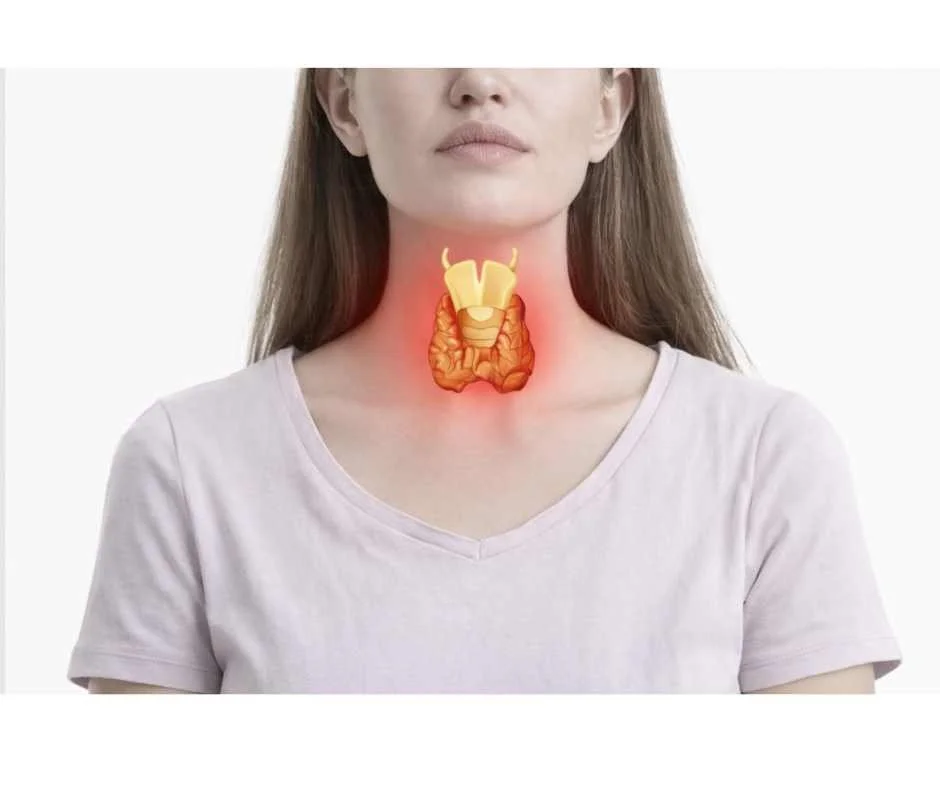
Read MorePersistent fatigue, weight gain, brain fog, and cold intolerance can occur even when TSH and standard thyroid labs appear normal. This guide explains T4-to-T3 conversion, reverse T3, stress physiology, nutrient deficiencies, and how a root-cause approach evaluates thyroid dysfunction beyond basic testing.
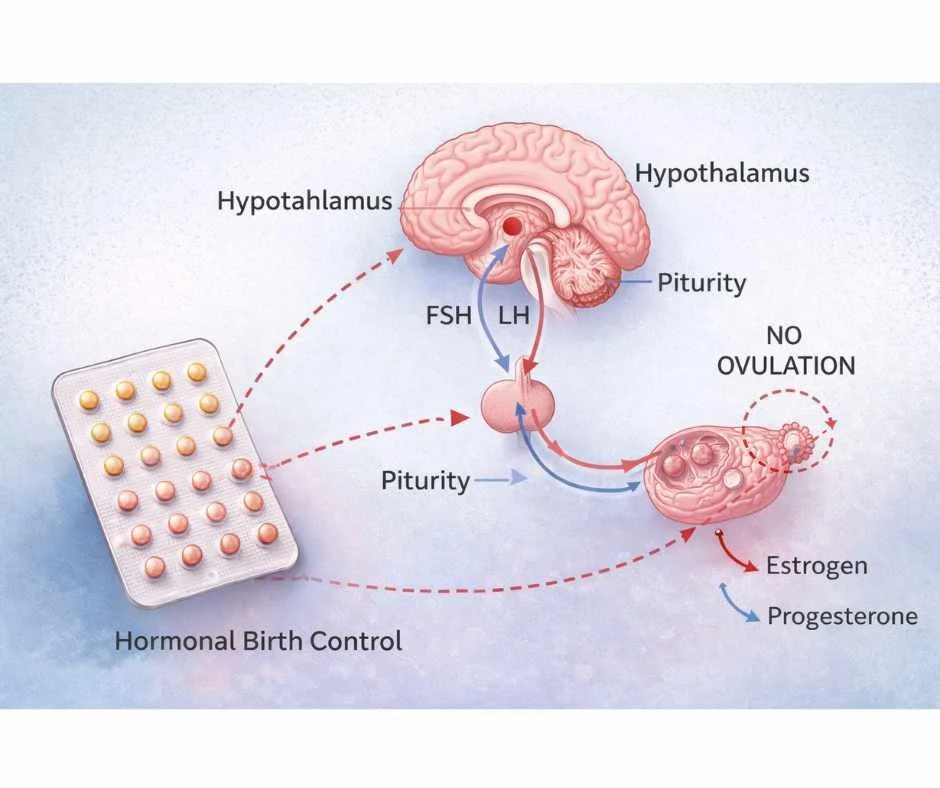
Read MoreHormonal birth control suppresses ovulation and replaces natural hormone rhythms with synthetic signaling. Side effects may affect mood, metabolism, and gut health—especially after stopping birth control.
Read MoreA clinical guide to intermittent fasting for women, explaining how fasting affects cortisol, ovulation, progesterone, and the menstrual cycle—and how to time fasting without disrupting hormone balance.
Read MoreAre mammograms safe? While widely used for breast cancer screening, they carry measurable risks. Explore dense breast screening limitations, radiation exposure concerns, and holistic strategies that support personalized breast cancer prevention.
Read MoreShilajit benefits extend beyond traditional herbal use. Learn how purified Shilajit resin supports mitochondrial ATP production, testosterone balance, heavy metal detoxification, and cognitive resilience within a functional medicine framework.
Read MoreEven organic and whole foods can contain microplastics and heavy metals. Learn which foods are highest risk and how to reduce cumulative toxic exposure.
Read MoreIodine plays a critical yet often overlooked role in breast health. This article explores how iodine supports estrogen balance, protects breast tissue, reduces fibrocystic breast changes, and may influence long-term breast cancer risk—while examining iodine deficiency, halide toxicity, dosing considerations, and clinical testing through a functional medicine lens.
Read MoreFunctional hormone lab testing goes beyond symptoms and basic blood work to identify the root causes of hormonal imbalance. By evaluating hormone production, metabolism, stress physiology, nutrient status, toxic burden, and gut health, this approach supports accurate, personalized treatment decisions before intervention.
Read MoreMenopause is a natural transition—but persistent symptoms don’t have to be ignored. This guide explores how nutrition, movement, sleep, stress regulation, acupuncture, and integrative care support a healthier menopause, with or without hormone therapy.
Read MoreA functional medicine overview of bioidentical hormone replacement therapy (BHRT) for perimenopause and menopause, including hormone physiology, safety considerations, delivery methods, and individualized care.
Read MoreYeast infections are not just a vaginal issue. Candida overgrowth can affect the gut, mouth, skin, and immune system, often causing vague, chronic symptoms that are repeatedly misdiagnosed. This article explores hidden Candida symptoms, root causes of recurrence, and how a functional medicine approach restores microbial balance.
Read MoreMigraines are more than headaches. This article explains the root causes of migraines and how a functional medicine approach—addressing gut health, hormones, nutrients, stress, and nervous system regulation—can support long-term relief.
Read MoreEndocrine-disrupting chemicals are widespread environmental toxins that interfere with hormone signaling, metabolism, thyroid function, and reproductive health—often without obvious symptoms.
Read MoreBone loss after menopause is not just about calcium or aging. Learn how hormone decline, digestion, inflammation, stress, and environmental exposures shape osteoporosis risk—and how a functional and Traditional Chinese Medicine approach supports resilient bone health.
Read MoreFertility hormones respond to nervous system signaling, stress physiology, circulation, and metabolic balance. This article explains how acupuncture supports hormonal regulation and reproductive readiness in both natural conception and IVF.
Read MoreChronic stress alters thyroid hormone signaling through shared regulatory pathways in the brain. This article explains how adrenal stress physiology affects thyroid conversion, cellular responsiveness, and why symptoms can persist despite “normal” labs.
Read MoreWeight loss resistance is often driven by deeper physiologic regulation—not effort. This article explains why weight loss can stall despite healthy habits using a functional medicine, root-cause framework.
Read MoreWeight loss resistance is one of the most frustrating—and misunderstood—effects of hypothyroidism. This article explains how thyroid signaling alters metabolism, energy conservation, stress hormones, and fat oxidation, making traditional diet and exercise strategies ineffective despite consistent effort.
Read MoreOxytocin plays a central role in hormonal regulation by signaling safety to the brain and shaping how stress, metabolic, and reproductive hormones are prioritized. This article explains the hormonal hierarchy and why hormone symptoms can persist even when labs appear normal.
Read More