Microneedling for acne scars improves skin texture, reduces scar depth, and supports collagen remodeling without aggressive resurfacing or extended downtime.
Read More

Microneedling for acne scars improves skin texture, reduces scar depth, and supports collagen remodeling without aggressive resurfacing or extended downtime.
Read MoreA clinical guide to intermittent fasting for women, explaining how fasting affects cortisol, ovulation, progesterone, and the menstrual cycle—and how to time fasting without disrupting hormone balance.
Read MoreStatins, metformin, diuretics, and beta blockers can quietly deplete CoQ10, vitamin B12, magnesium, and key electrolytes—affecting mitochondrial energy production, glucose regulation, and cardiovascular resilience over time.
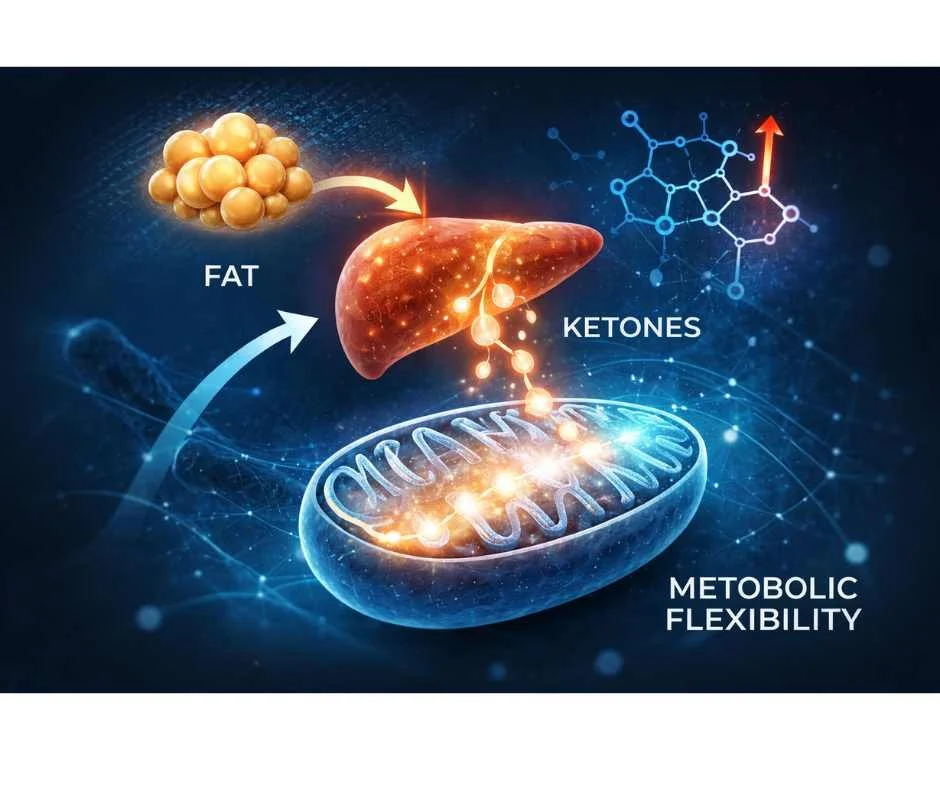
Read MoreKetosis can improve energy and blood sugar control—but it can also raise cortisol and disrupt thyroid signaling when misapplied. Understanding metabolic flexibility is the key to using keto strategically.
Read MoreSalt isn’t the enemy. Learn why sodium is essential for health, how low salt intake can cause problems, and why salt quality matters more than restriction.
Read MoreType 2 diabetes develops gradually through insulin resistance and progressive beta cell dysfunction. Explore early warning signs, root causes, complications, and prevention strategies that support long-term metabolic health.
Read MoreMagnesium deficiency can drive fatigue, anxiety, muscle cramps, heart rhythm changes, hormone imbalance, and blood sugar instability. Because serum testing often misses intracellular depletion, proper evaluation and form selection are essential for effective repletion.
Read MoreChronic exposure to artificial electromagnetic fields and blue light disrupts circadian rhythm, increases oxidative stress, and impairs mitochondrial energy production. Understanding how modern light environments affect sleep, metabolism, and cellular resilience provides a practical framework for restoring long-term physiological stability.
Read MoreShilajit benefits extend beyond traditional herbal use. Learn how purified Shilajit resin supports mitochondrial ATP production, testosterone balance, heavy metal detoxification, and cognitive resilience within a functional medicine framework.
Read MoreCancer progression is strongly influenced by metabolic dysfunction. Insulin resistance, chronic inflammation, and mitochondrial impairment shape tumor biology and long-term cancer risk.
Read MoreWhy does the United States spend more on healthcare than any other nation yet struggle with chronic disease outcomes? This in-depth analysis explores the limitations of symptom-based medicine and explains how systems-based, root-cause care offers a more sustainable path forward.
Read MoreBreathing is automatic—but the pattern you rely on directly influences oral health, sleep quality, inflammation, and whole-body regulation. Chronic mouth breathing is associated with dry mouth, cavities, gum disease, fragmented sleep, and reduced nitric oxide availability, while nasal breathing supports a balanced oral microbiome, efficient oxygen delivery, and autonomic stability.
Read MoreCAFO-raised meat, lab-grown food technologies, and insect-derived ingredients are increasingly common—but rarely transparent. Part 3 of this food toxin series explores how industrial meat production and emerging food alternatives may impact hormones, gut health, immunity, and long-term metabolic resilience.
Read MoreNot all dietary supplements are created equal. Learn how to identify high-quality, third-party tested supplements and avoid contamination, adulteration, and misleading formulations.
Read MoreMenopause is a natural transition—but persistent symptoms don’t have to be ignored. This guide explores how nutrition, movement, sleep, stress regulation, acupuncture, and integrative care support a healthier menopause, with or without hormone therapy.
Read MoreA functional medicine overview of bioidentical hormone replacement therapy (BHRT) for perimenopause and menopause, including hormone physiology, safety considerations, delivery methods, and individualized care.
Read MoreDetoxification is not a cleanse—it is a structured, three-phase physiological process. This guide explains how the liver processes toxins, why elimination matters, and how to detox safely without triggering symptoms.
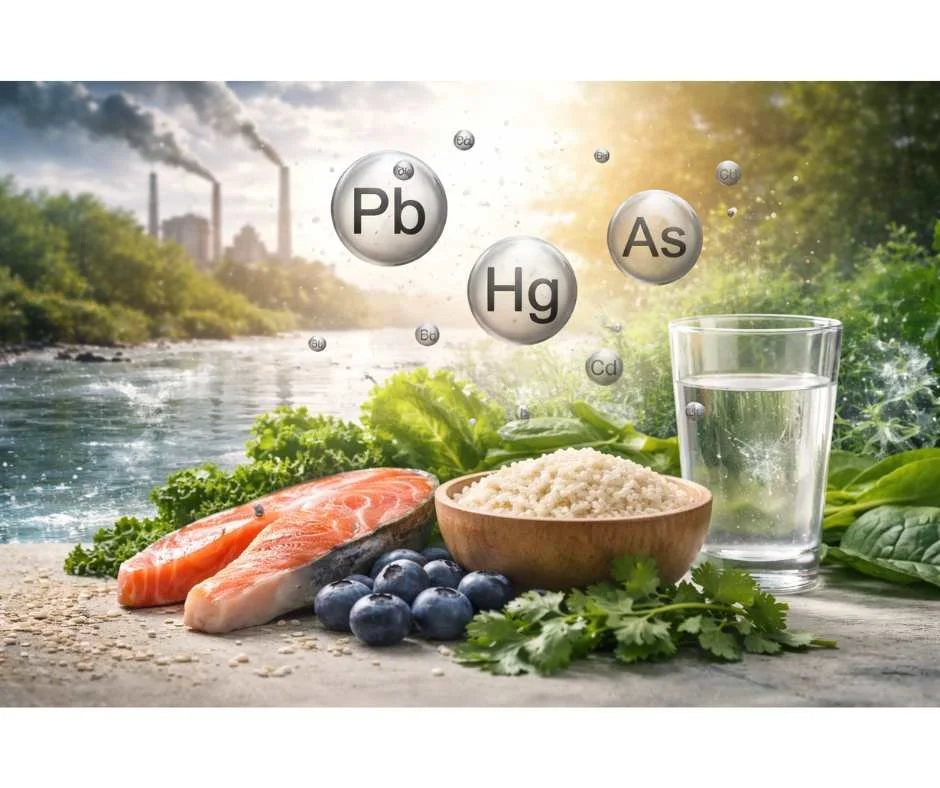
Read MoreHeavy metal exposure often occurs quietly through food, water, air, and everyday products. Learn how toxic metals affect the body and how functional medicine safely addresses cumulative toxic burden.
Read MoreEndocrine-disrupting chemicals are widespread environmental toxins that interfere with hormone signaling, metabolism, thyroid function, and reproductive health—often without obvious symptoms.
Read MoreBone loss after menopause is not just about calcium or aging. Learn how hormone decline, digestion, inflammation, stress, and environmental exposures shape osteoporosis risk—and how a functional and Traditional Chinese Medicine approach supports resilient bone health.
Read More