

Red Light Therapy for Skin Health and Tissue Repair
Photobiomodulation Therapy for Collagen Production, Inflammation Reduction, and Tissue Regeneration
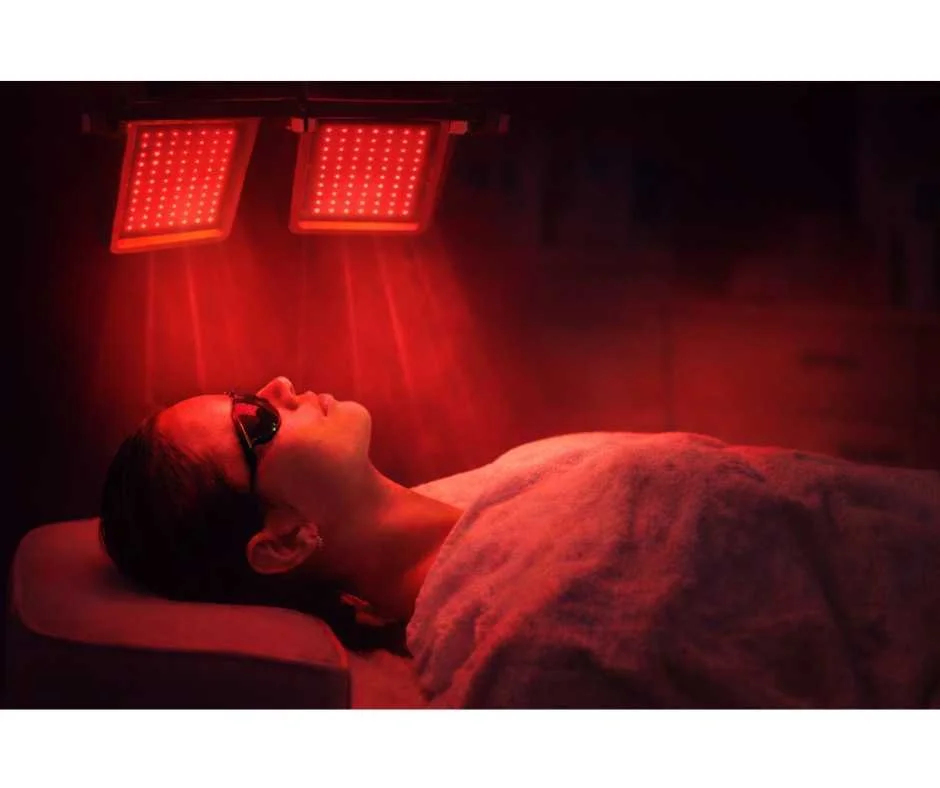
Red light therapy for skin health has gained increasing attention for its ability to support collagen production, reduce inflammation, and accelerate tissue repair. Also known as photobiomodulation, red light therapy uses specific wavelengths of red and near-infrared light to stimulate cellular energy production, regulate inflammatory signaling, and support skin regeneration (1).
While often marketed as a cosmetic trend, red light therapy is a clinically studied therapeutic modality used in dermatology, wound care, and regenerative medicine. By improving mitochondrial function, circulation, and cellular repair pathways, red light therapy can influence the biological processes that maintain skin integrity, healing capacity, and overall skin quality.
In a medical setting, red light therapy is used as a targeted therapeutic intervention rather than superficial light exposure, supporting tissue recovery and skin health at the cellular level.
→ Red Light Therapy & Photobiomodulation
What Is Red Light Therapy and How Does Photobiomodulation Work?
Red light therapy—also called photobiomodulation therapy—uses specific wavelengths of visible red light (typically 630–660 nm) and near-infrared light (approximately 810–850 nm) to penetrate the skin and underlying tissues. These therapeutic wavelengths have been studied for their ability to influence cellular signaling, mitochondrial activity, and tissue repair without causing thermal damage or tissue injury (2).
Unlike ultraviolet light, red and near-infrared wavelengths do not damage DNA or accelerate photoaging. Instead, they interact with light-sensitive molecules called chromophores inside cells—particularly within mitochondria—to support energy production, cellular resilience, and tissue regeneration (3).
Because these wavelengths can reach deeper layers of the skin and soft tissue, photobiomodulation therapy is widely studied for its role in skin health, wound healing, inflammation regulation, and regenerative medicine.
How Red Light Therapy Stimulates Mitochondria and Cellular Repair
At the core of red light therapy is its ability to stimulate mitochondrial function, the cellular structures responsible for producing adenosine triphosphate (ATP). ATP serves as the primary energy source required for cellular repair, regeneration, collagen production, and metabolic balance within the skin.
Red and near-infrared wavelengths used in photobiomodulation therapy interact with mitochondrial chromophores—particularly cytochrome c oxidase—within the electron transport chain. This interaction improves mitochondrial efficiency, increases ATP production, and helps regulate oxidative stress within cells (4).
Mitochondrial stimulation from red and near-infrared light supports several biological processes involved in tissue repair, including:
Increased ATP availability for cellular repair
Improved cellular regeneration and turnover
Modulation of inflammatory signaling pathways
Enhanced microcirculation and tissue oxygenation
These effects are particularly relevant for skin, which has high metabolic demand and relies on efficient cellular turnover to maintain dermal structure, collagen integrity, and barrier function (5).
What Are the Benefits of Red Light Therapy for Skin?
Red light therapy supports several biological processes that influence skin health, collagen production, and tissue recovery. By improving mitochondrial energy production and regulating inflammatory signaling, photobiomodulation therapy helps skin cells repair damage, regenerate more efficiently, and maintain structural integrity.
Clinical research suggests that red and near-infrared wavelengths may support multiple aspects of skin physiology, including collagen synthesis, circulation, cellular regeneration, and skin rejuvenation (5).
Common benefits associated with red light therapy include:
Increased collagen production and improved skin firmness
Reduced appearance of fine lines and wrinkles
Improved skin tone and texture
Reduction in redness and inflammatory irritation
Support for wound healing and post-procedure recovery
Improved circulation and tissue oxygenation
Because these effects occur at the cellular level, improvements in skin quality tend to develop gradually with consistent treatment over time.
How Red Light Therapy Supports Collagen, Inflammation Reduction, and Skin Repair
Red light therapy influences several biological processes that determine skin structure, resilience, and recovery. By improving mitochondrial activity, circulation, and inflammatory regulation, photobiomodulation therapy can support collagen production, calm inflammatory skin conditions, and accelerate tissue repair.
Collagen Production and Skin Firmness
Collagen and elastin are structural proteins responsible for skin firmness, elasticity, and resilience. With age, inflammation, ultraviolet exposure, and metabolic stress, collagen synthesis declines while degradation increases.
Clinical studies demonstrate that red light therapy can stimulate fibroblast activity, supporting collagen production and improving dermal density over time (6). These changes may contribute to:
Smoother skin texture
Reduced appearance of fine lines and wrinkles
Improved skin firmness and elasticity
Because collagen remodeling occurs gradually, visible improvements typically develop with consistent treatments over several weeks.
Inflammation Reduction and Skin Barrier Support
Chronic low-grade inflammation is a common underlying factor in skin conditions such as acne, rosacea, eczema, and delayed wound healing. Photobiomodulation therapy has been shown to reduce pro-inflammatory cytokine activity while supporting cellular repair and tissue regeneration (7).
For inflammatory skin conditions, these mechanisms may help:
Reduce redness and irritation
Calm inflammatory flare patterns
Support skin barrier repair
Improve tolerance to environmental stressors
Unlike therapies that suppress immune activity, red light therapy works by helping restore physiological balance in inflammatory signaling pathways.
Wound Healing and Tissue Regeneration
Red light therapy has been widely studied in wound care, surgical recovery, and regenerative medicine. By improving microcirculation, ATP availability, and collagen synthesis, red and near-infrared light exposure may accelerate tissue healing and improve tissue quality during recovery (8).
These mechanisms help explain why red light therapy is frequently used alongside regenerative dermatologic procedures and integrative skin therapies to support faster recovery and improved long-term skin health.
Can Red Light Therapy Help Acne, Scars, and Inflammatory Skin Conditions?
Red light therapy is increasingly used to support inflammatory skin conditions such as acne, rosacea, and post-inflammatory skin irritation. Unlike treatments that work by destroying bacteria or removing layers of skin, photobiomodulation therapy supports the biological processes involved in healing and inflammation regulation.
By improving mitochondrial energy production, reducing inflammatory signaling, and supporting tissue repair pathways, red light therapy may help stabilize the internal environment required for healthy skin recovery (9).
Research suggests potential benefits for several inflammatory and post-inflammatory skin conditions, including:
Acne and post-inflammatory redness
Acne scarring and uneven skin texture
Rosacea-related flushing and sensitivity
Eczema and psoriasis-associated inflammation
Because many skin conditions are influenced by systemic factors such as hormonal signaling, immune regulation, gut health, and environmental exposures, red light therapy is typically used as adjunctive support rather than a standalone treatment.
When integrated within a broader clinical strategy, photobiomodulation therapy may help reduce inflammatory burden and support gradual improvements in skin stability and tissue repair.
Is Professional Red Light Therapy More Effective Than At-Home Devices?
At-home red light therapy devices are widely available, but they vary significantly in wavelength accuracy, output power, and tissue penetration. Many consumer devices deliver lower light intensity that may not reach deeper skin layers or stimulate the cellular responses associated with clinical photobiomodulation therapy (10).
In a clinical setting, professional red light therapy systems are designed to deliver precise therapeutic wavelengths and controlled energy output. These systems are calibrated to support deeper tissue penetration and more consistent biological responses.
Professional treatments typically provide:
Verified therapeutic wavelengths
Consistent energy delivery and treatment dosing
Greater tissue penetration
Integration with other medical and regenerative therapies
This distinction becomes particularly important when red light therapy is used for tissue repair, post-procedure recovery, inflammatory skin conditions, or regenerative dermatologic treatments rather than general wellness use.
How Red Light Therapy Is Used Clinically at Denver Sports & Holistic Medicine
At Denver Sports & Holistic Medicine, red light therapy is used as an integrative therapeutic modality rather than a cosmetic add-on. Treatment protocols are individualized based on patient goals and may be combined with acupuncture, microneedling, regenerative therapies, or functional medicine care to support tissue repair and long-term skin health.
Clinical sessions are designed to deliver therapeutic wavelengths and treatment parameters that support cellular repair, skin recovery, and systemic regulation within a broader root-cause framework.
Is Red Light Therapy Safe and How Often Should It Be Used?
Red light therapy is generally well tolerated and considered safe when delivered at therapeutic wavelengths and appropriate treatment doses. Because red and near-infrared light do not damage DNA or generate ultraviolet radiation, side effects are uncommon. Some individuals may experience mild warmth or temporary redness related to increased circulation following treatment (11).
Treatment frequency depends on individual goals, tissue response, and the condition being addressed. Some individuals notice improvements in skin tone, inflammation, or recovery within several sessions, while structural skin changes such as collagen remodeling typically develop gradually over several weeks.
Red light therapy tends to work best when expectations are realistic and when underlying contributors—such as chronic inflammation, hormonal imbalance, nutrient deficiencies, or environmental stressors—are addressed alongside skin-directed therapies.
When to Consider Professional Red Light Therapy for Skin Health
If you are dealing with persistent skin concerns, slow healing, or inflammatory patterns that have not responded to topical care alone, a more integrative approach may be helpful. Red light therapy is often used within a broader clinical strategy to support tissue repair, reduce inflammation, and improve skin resilience.
You may request a free 15-minute consultation with Dr. Martina Sturm to review your health concerns and outline appropriate next steps within a root-cause, systems-based framework.
Frequently Asked Questions About Red Light Therapy
Does red light therapy actually work for skin?
Clinical research suggests that red light therapy can support collagen production, improve circulation, and reduce inflammatory signaling within the skin. These cellular effects may contribute to gradual improvements in skin texture, tone, and overall skin quality when treatments are used consistently.
What skin conditions can red light therapy help?
Red light therapy is commonly used to support inflammatory and regenerative skin processes. Research suggests potential benefits for acne, rosacea, post-inflammatory redness, wound healing, and skin texture changes related to collagen loss.
How long does it take to see results from red light therapy?
Some individuals notice improvements in skin tone or inflammation within several sessions. Structural changes such as collagen remodeling and improved skin firmness typically develop gradually over several weeks of consistent treatment.
Is red light therapy safe for all skin types?
Yes. Red and near-infrared wavelengths do not target melanin and do not produce ultraviolet radiation, making red light therapy generally safe for a wide range of skin tones when delivered at appropriate therapeutic doses.
Can red light therapy replace other skin treatments?
Red light therapy is typically used as supportive therapy rather than a replacement for other dermatologic or medical treatments. Many skin conditions involve hormonal, inflammatory, immune, or environmental factors that may require additional therapies.
How often should you use red light therapy?
Treatment frequency varies depending on clinical goals and device strength. In clinical settings, sessions are often performed several times per week initially, with maintenance treatments spaced further apart as tissue repair and skin stability improve.
Still Have Questions?
If the topics above reflect ongoing symptoms or unanswered concerns, a brief conversation can help clarify whether a root-cause approach is appropriate.
Resources
Photomedicine and Laser Surgery – Mechanisms and applications of photobiomodulation therapy
Lasers in Surgery and Medicine – Cellular responses to red and near-infrared light exposure
Journal of Biophotonics – Mitochondrial signaling and photobiomodulation
Free Radical Biology & Medicine – Modulation of oxidative stress by low-level light therapy
Journal of Investigative Dermatology – Effects of red light therapy on dermal collagen synthesis
Dermatologic Surgery – Photobiomodulation and skin rejuvenation outcomes
Inflammation Research – Anti-inflammatory mechanisms of photobiomodulation
Wound Repair and Regeneration – Low-level light therapy and tissue healing
Clinical, Cosmetic and Investigational Dermatology – Photobiomodulation in inflammatory skin conditions
Lasers in Medical Science – Dose-response relationships in red light therapy
Cochrane Database of Systematic Reviews – Safety and efficacy of low-level light therapy