

The Hidden Dangers of Alcohol: How It Depletes Essential Nutrients and Impacts Your Health
How alcohol disrupts nutrient absorption, metabolism, and detoxification—often long before symptoms are obvious
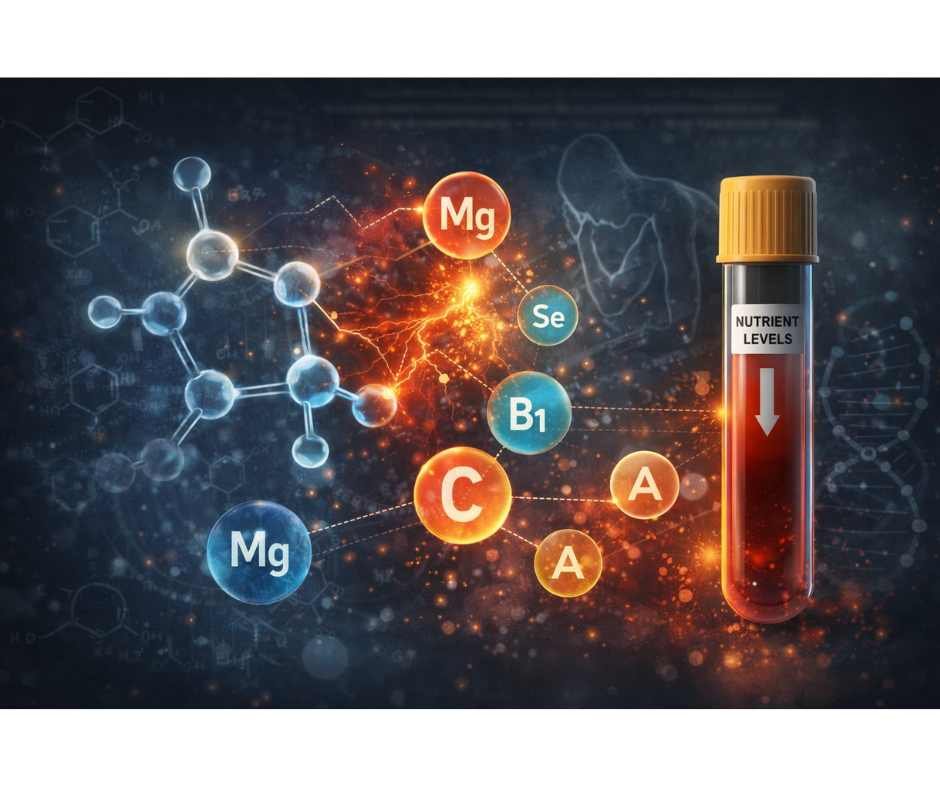
Alcohol is deeply woven into everyday life. Meeting a friend for a drink, unwinding with a cocktail after a long day, sharing a bottle of wine with dinner, or celebrating a milestone—these behaviors are socially normalized and rarely questioned.
Over the course of a typical week, many individuals consume six or more alcoholic drinks without consciously tracking how often or how much they are drinking.
But from a physiological standpoint, is this actually healthy?
From a functional medicine perspective, the answer is clear:
Alcohol is 100% toxic.
This article focuses specifically on how alcohol depletes essential nutrients and why those deficiencies matter. Alcohol interferes with the absorption, metabolism, and utilization of vitamins and minerals that the brain, nervous system, immune system, liver, and detoxification pathways depend on to function and repair (1,2). Over time, these nutrient losses can contribute to fatigue, anxiety, poor sleep, cognitive changes, immune dysfunction, and increased chronic disease risk (3).
Understanding alcohol’s impact on nutrient status helps explain why even “moderate” drinking can quietly undermine health—and why symptoms often appear long before conventional labs flag a problem (4).
Why Alcohol-Related Nutrient Depletion Matters Clinically
Alcohol does not affect the body through a single pathway. It disrupts health across multiple systems—including the gut, liver, brain, nervous system, immune function, and sleep regulation. One of the most consistent and underrecognized drivers behind these effects is progressive nutrient depletion (1).
Clinically, this helps explain why many people feel “off” long before any diagnosis is made—despite eating well, exercising, and having labs that appear normal.
Alcohol interferes with digestion, absorption, liver storage, enzymatic activation, and cellular utilization of essential vitamins and minerals. At the same time, it increases oxidative stress and detoxification demand, accelerating the loss of nutrients required for repair and resilience (2).
This means that symptoms associated with alcohol use are often not caused by alcohol alone, but by the downstream consequences of depleted magnesium, B vitamins, antioxidants, and methylation cofactors. Over time, these deficiencies can quietly undermine neurological function, immune regulation, metabolic balance, and detoxification capacity—even in individuals who otherwise eat well. (3)
What matters next is understanding which nutrients are most vulnerable to alcohol exposure—and how their depletion shows up in the body. The sections below walk through the key deficiencies clinicians see most often and why addressing them changes long-term health outcomes.
Understanding the Effects of Alcohol on Nutrient Depletion
Alcohol disrupts nutritional status through multiple, overlapping mechanisms that compound over time. Rather than causing a single, obvious deficiency, alcohol creates a system-wide depletion pattern that affects absorption, metabolism, storage, and cellular utilization of essential vitamins and minerals—often quietly and progressively. (4)
How Alcohol Drives Nutrient Depletion
1. Impaired Digestion and Absorption
Alcohol reduces stomach acid production and damages the intestinal lining, limiting the absorption of key nutrients such as magnesium, B vitamins, vitamin C, and fat-soluble vitamins. Chronic exposure also increases intestinal permeability, further compromising nutrient uptake and allowing inflammatory compounds to enter circulation (5).
Clinically, this means that even a nutrient-dense diet may not translate into adequate nutrient levels when alcohol is consumed regularly.
2. Altered Liver Metabolism
The liver prioritizes detoxifying ethanol and its toxic byproduct acetaldehyde over normal metabolic functions. As a result, enzymatic activity is diverted away from nutrient activation, storage, and methylation processes. This is particularly problematic for B vitamins, folate, and fat-soluble vitamins that require hepatic processing (6).
In practice, this helps explain why fatigue, mood changes, or brain fog can persist despite “normal” lab values.
3. Increased Nutrient Loss and Oxidative Demand
Alcohol increases renal loss of minerals such as magnesium and zinc while simultaneously raising antioxidant requirements due to alcohol-induced oxidative stress. At the same time, alcohol suppresses glutathione production by impairing methylation and depleting precursor nutrients, reducing the body’s ability to neutralize toxins and repair cellular damage (7).
This creates a metabolic environment where the body is constantly trying to catch up.
Why Symptoms Persist Despite “Normal” Intake
Over time, these mechanisms create a biochemical environment in which symptoms may emerge despite an otherwise adequate diet. Fatigue, anxiety, poor sleep, brain fog, immune dysfunction, blood sugar instability, and cardiovascular strain often reflect nutrient-driven dysfunction, not isolated disease (8).
From a clinical standpoint, alcohol-related nutrient depletion is rarely addressed adequately in conventional care, where symptoms are often treated in isolation. A systems-based evaluation that considers nutrient status, detoxification capacity, gut integrity, and nervous system regulation together is central to identifying and correcting these imbalances.
→ Functional & Integrative Medicine
The nutrient losses outlined above do not occur in isolation. Each deficiency creates specific physiological stress patterns that show up as recognizable symptoms in daily life. The sections that follow break down the key nutrients most commonly depleted by alcohol, what those deficiencies look like clinically, and why they matter for long-term health.
Magnesium Deficiency
Magnesium is one of the most consistently depleted minerals in individuals who consume alcohol regularly. Alcohol increases urinary magnesium excretion while simultaneously impairing intestinal absorption, creating a deficit that can develop even with a nutrient-dense diet (15).
Magnesium is a foundational “master” mineral involved in more than 300 enzymatic reactions, including energy production, muscle and nerve signaling, blood glucose regulation, blood pressure control, and stress response modulation (16). It also plays a critical role in nervous system stability and sleep regulation.
How alcohol contributes to magnesium deficiency
Increases renal loss of magnesium through the kidneys
Reduces intestinal absorption due to gut lining irritation
Raises physiological demand through alcohol-induced stress and inflammation (15)
Common symptoms of magnesium deficiency
Muscle cramps, tightness, or spasms
Fatigue and low energy
Heart rhythm disturbances or palpitations
Anxiety, irritability, or heightened stress sensitivity
Poor sleep or difficulty staying asleep
Headaches or migraines
Blood sugar instability and insulin resistance
Clinically, this is one of the most common reasons people report feeling wired-and-tired, anxious, or unable to sleep well despite otherwise “doing everything right.”
Magnesium deficiency also amplifies alcohol’s downstream effects on blood pressure, cardiovascular health, glucose metabolism, and nervous system regulation, increasing vulnerability to both metabolic and stress-related disorders over time (17).
Because magnesium is required for detoxification enzymes, mitochondrial function, and neurotransmitter balance, depletion creates a multiplier effect—making other nutrient deficiencies more symptomatic and recovery more difficult if not addressed (18).
Selenium Deficiency
Selenium deficiency is frequently overlooked, yet it is clinically significant in individuals who consume alcohol regularly. Alcohol interferes with selenium absorption and increases oxidative stress, which raises selenium demand while reducing availability (19).
Selenium is an essential trace mineral required for antioxidant defense, thyroid hormone conversion, immune regulation, and cardiovascular function. It is a critical component of glutathione peroxidase, one of the body’s primary enzymes for neutralizing oxidative damage (20).
How alcohol contributes to selenium deficiency
Impairs intestinal absorption of selenium (25)
Increases oxidative stress, rapidly consuming selenium-dependent antioxidants (26)
Disrupts liver function, where many selenium-dependent enzymes are active (27)
Common symptoms and clinical consequences
Muscle weakness or pain (myopathy)
Reduced immune resilience and frequent infections
Thyroid dysfunction due to impaired T4 → T3 conversion
Cardiomyopathy and increased cardiovascular risk in severe deficiency
Slower recovery from inflammation and illness (19)
Clinically, selenium deficiency often shows up as “poor resilience”—patients feel run down, recover slowly, and seem unusually sensitive to stress, illness, or inflammation.
Low selenium status has been associated with worsened outcomes in liver disease, impaired immune response, and increased vulnerability to oxidative tissue damage—effects that compound alcohol-related toxicity over time (21).
Because selenium works synergistically with other antioxidants, deficiency can magnify the impact of alcohol-induced oxidative stress and accelerate tissue injury when not addressed (21).
Vitamin B1 (Thiamine) Deficiency
Thiamine deficiency is one of the most clinically significant consequences of alcohol use, particularly because of its impact on the brain and nervous system. Alcohol interferes with thiamine absorption in the gut, reduces liver storage, and impairs conversion to its active form, thiamine pyrophosphate (22).
Thiamine is essential for carbohydrate metabolism, mitochondrial energy production, and normal neuronal function. It plays a central role in glucose utilization in the brain, making deficiency especially damaging to cognitive and neurological health (23).
How alcohol contributes to thiamine deficiency
Reduces intestinal absorption of thiamine
Impairs hepatic storage and activation
Increases metabolic demand in the context of oxidative stress and high carbohydrate intake (22)
Common symptoms and clinical consequences
Fatigue and profound low energy
Brain fog, poor concentration, and memory changes
Mood instability, irritability, or depression
Neuropathy, tingling, or burning sensations in the extremities
In more severe cases, Wernicke–Korsakoff syndrome with confusion, ataxia, and vision changes
Clinically, thiamine deficiency often shows up as mental exhaustion—patients describe feeling cognitively “offline,” overwhelmed, or unable to tolerate stress.
Even subclinical thiamine depletion can worsen anxiety, impair glucose regulation, and amplify alcohol-related neurological stress. When unrecognized, deficiency may progress silently until significant and sometimes irreversible nervous system injury occurs (24).
Because thiamine is foundational for energy metabolism, deficiency also reduces tolerance for other stressors, making recovery from alcohol-related nutrient depletion more difficult if not addressed directly (23).
Vitamin B2 (Riboflavin) Deficiency
Riboflavin deficiency is common in individuals who consume alcohol regularly, largely due to impaired absorption and increased metabolic demand. Alcohol disrupts riboflavin transport in the gut and interferes with its activation in the liver (38).
Riboflavin is essential for mitochondrial energy production, antioxidant regeneration, and cellular repair. It is a cofactor for flavoproteins involved in redox reactions, making it particularly important in the context of alcohol-induced oxidative stress (39).
How alcohol contributes to riboflavin deficiency
Reduces intestinal absorption and transport (40)
Increases oxidative demand, accelerating riboflavin utilization (41)
Common symptoms and clinical consequences
Cracks at the corners of the mouth (cheilitis)
Inflammation of the tongue (glossitis)
Skin irritation or dermatitis
Eye fatigue or light sensitivity
Generalized low energy
Clinically, riboflavin deficiency often shows up as subtle but persistent mucosal and skin changes that are easy to overlook or misattribute.
Because riboflavin supports antioxidant systems, deficiency can worsen cellular damage and slow recovery from alcohol-related stress (42).
Vitamin A (Retinol) Deficiency
Alcohol significantly interferes with vitamin A metabolism by impairing liver storage, activation, and mobilization of retinol. Chronic alcohol exposure increases the risk of both functional deficiency and toxicity, making vitamin A balance particularly fragile. (25).
Vitamin A is critical for vision, immune defense, epithelial integrity, thyroid signaling, and skin health. Its metabolism is tightly regulated by the liver—an organ already under stress during alcohol detoxification (26).
How alcohol contributes to vitamin A deficiency
Disrupts hepatic storage and retinol-binding proteins
Competes for detoxification enzymes required for vitamin A metabolism
Common symptoms and clinical consequences
Poor night vision or difficulty adapting to darkness
Dry or rough skin
Increased susceptibility to infections
Impaired thyroid and immune function (25)
Clinically, vitamin A deficiency may present as immune weakness or visual changes long before overt deficiency is diagnosed.
Because vitamin A plays a role in tissue repair and immune regulation, depletion can amplify inflammation and delay healing in individuals affected by alcohol use (27).
Vitamin C Deficiency
Vitamin C is rapidly depleted in people who consume alcohol due to increased oxidative stress and reduced dietary intake. Alcohol accelerates vitamin C utilization while impairing absorption, increasing the risk of deficiency even at modest intake levels (28).
Vitamin C is essential for collagen synthesis, antioxidant defense, immune function, and vascular integrity. It also supports detoxification by regenerating other antioxidants, including glutathione (29).
How alcohol contributes to vitamin C deficiency
Increases oxidative demand, rapidly consuming vitamin C
Reduces intestinal absorption and dietary intake
Common symptoms and clinical consequences
Easy bruising or petechiae
Fatigue and poor wound healing
Increased susceptibility to infections
Gum irritation or bleeding (29)
Clinically, vitamin C deficiency often shows up as “poor repair”—people notice they don’t bounce back as easily from illness, stress, or injury.
Low vitamin C status compounds alcohol-related inflammation and weakens immune resilience over time (30).
Vitamin D Deficiency
Alcohol disrupts vitamin D metabolism by impairing liver and kidney activation pathways and altering calcium balance. Chronic intake has been associated with lower circulating vitamin D levels and impaired bone metabolism (53).
Vitamin D plays a central role in immune regulation, bone health, neuromuscular function, and inflammation control. Deficiency increases the risk of osteoporosis, infections, and chronic inflammatory conditions (54).
How alcohol contributes to vitamin D deficiency
Impairs hepatic conversion to active metabolites (55)
Disrupts calcium absorption and bone remodeling (56)
Common symptoms and clinical consequences
Bone pain or increased fracture risk
Muscle weakness
Frequent infections
Worsening inflammatory or autoimmune conditions
Clinically, vitamin D deficiency often goes unnoticed until bone density declines or immune issues become recurrent.
When combined with alcohol-related magnesium depletion, low vitamin D further compromises skeletal and immune health (57).
Vitamin E Deficiency
Vitamin E deficiency is a common but underrecognized consequence of alcohol use due to increased oxidative stress and impaired fat-soluble vitamin handling. Alcohol accelerates the consumption of vitamin E while simultaneously interfering with its absorption and hepatic distribution (31).
Vitamin E is a primary fat-soluble antioxidant that protects cell membranes from oxidative damage. It plays an essential role in immune function, neurological integrity, vascular health, and regulation of inflammatory signaling—systems already under strain during alcohol exposure (32).
How alcohol contributes to vitamin E deficiency
Increases lipid peroxidation, rapidly consuming vitamin E reserves
Impairs absorption and transport of fat-soluble vitamins
Common symptoms and clinical consequences
Increased inflammatory burden
Muscle weakness or coordination changes
Peripheral neuropathy in more advanced deficiency
Reduced immune resilience (31)
Clinically, vitamin E deficiency often shows up as accelerated “wear and tear”—patients experience heightened inflammation, slower recovery, and increased sensitivity to physical or neurological stress.
Because vitamin E works synergistically with other antioxidants, deficiency can amplify alcohol-related oxidative damage and compound tissue injury when not addressed (33).
Niacin (Vitamin B3) Deficiency
Niacin deficiency is more likely to occur in individuals who consume alcohol regularly due to impaired absorption, altered liver metabolism, and increased metabolic demand. Alcohol interferes with the conversion of tryptophan to niacin and disrupts hepatic processing, increasing the risk of deficiency over time (34).
Niacin is essential for cellular energy production, DNA repair, and normal nervous system function. It plays a central role in redox reactions and mitochondrial metabolism, making deficiency particularly impactful in the setting of alcohol-induced oxidative stress (35).
How alcohol contributes to niacin deficiency
Impairs intestinal absorption and hepatic metabolism of niacin
Reduces availability of tryptophan for endogenous niacin synthesis
Common symptoms and clinical consequences
Skin photosensitivity or dermatitis
Cognitive changes, confusion, or brain fog
Fatigue and reduced stress tolerance
Digestive disturbances
In more severe cases, pellagra (dermatitis, diarrhea, dementia) (34)
Clinically, niacin deficiency often presents as cognitive and skin-related symptoms that are misattributed to stress, aging, or unrelated dermatologic issues.
Because niacin is required for DNA repair and cellular resilience, deficiency can accelerate tissue damage and impair recovery in individuals exposed to chronic alcohol-related oxidative stress (36).
Folate (Vitamin B9), Vitamin B6, Vitamin B12, and S-Adenosylmethionine (SAMe) Deficiency
Alcohol has a profound impact on methylation-related nutrients, including folate, vitamin B6, vitamin B12, and S-adenosylmethionine (SAMe). These nutrients work together to support DNA synthesis, neurotransmitter production, detoxification, and epigenetic regulation. Alcohol disrupts their absorption, activation, and recycling, increasing the risk of both functional and clinical deficiency (37).
Methylation is a foundational biochemical process that influences immune regulation, cardiovascular health, hormone metabolism, neurological function, and cancer risk. It is also required for the production of glutathione, the body’s most important endogenous antioxidant and detoxification compound (38).
How alcohol disrupts methylation nutrients
Impairs intestinal absorption of folate, B6, and B12
Interferes with hepatic storage and activation of methylation cofactors
Increases demand for SAMe during detoxification and oxidative stress
Common symptoms and clinical consequences
Fatigue and low stress tolerance
Mood changes, anxiety, or depression
Brain fog and memory difficulties
Anemia or elevated homocysteine
Increased cardiovascular and cancer risk with long-term deficiency (37)
Clinically, methylation-related deficiencies often show up as a combination of low energy, mood instability, and poor detox tolerance—patients feel overwhelmed by stressors they previously handled without difficulty.
Because methylation is required to regenerate glutathione, deficiency in these nutrients amplifies oxidative stress and impairs the body’s ability to clear alcohol-related toxins, compounding inflammation and long-term disease risk (39).
The Link Between Alcohol, Nutrient Deficiencies, and Health Issues
Nutrient deficiencies caused by alcohol do not remain isolated biochemical problems. Over time, they translate into predictable patterns of dysfunction across the nervous system, immune system, metabolic pathways, and detoxification processes.
When essential vitamins and minerals are depleted, the body loses its ability to regulate inflammation, repair tissues, maintain neurological stability, and adapt to stress. This helps explain why alcohol-related health effects often appear multisystem and progressive, rather than confined to a single organ (40).
Neurological and Cognitive Effects
Deficiencies in B vitamins, magnesium, and antioxidants impair neurotransmitter synthesis, mitochondrial energy production, and neuronal repair. Over time, this can lead to cognitive slowing, memory impairment, peripheral neuropathy, mood changes, and increased vulnerability to anxiety and depression (41).
Clinically, many individuals describe this as brain fog, emotional volatility, or feeling mentally “less sharp” than they once were—often without realizing alcohol-related nutrient depletion is contributing.
Immune Dysregulation and Increased Infection Risk
Alcohol-related depletion of zinc, selenium, vitamin C, vitamin D, and methylation cofactors weakens both innate and adaptive immune responses. This increases susceptibility to infections, slows recovery from illness, and promotes chronic low-grade inflammation (42).
When immune defenses are compromised, inflammatory signaling becomes more reactive, further increasing nutrient demand and accelerating depletion.
Oxidative Stress, Inflammation, and Impaired Detoxification
Many of the nutrients depleted by alcohol—magnesium, B vitamins, selenium, vitamin C, vitamin E, and methylation cofactors—are required to neutralize oxidative stress and support detoxification enzymes.
When these nutrients are insufficient, alcohol metabolism generates excess reactive oxygen species, overwhelms antioxidant systems, and impairs glutathione production. The result is increased inflammation, reduced toxin clearance, and higher long-term risk of cardiovascular disease, liver disease, and cancer (43).
Gut Dysfunction and Malabsorption
Alcohol disrupts the gut microbiome and damages the intestinal barrier, contributing to dysbiosis, increased permeability, and impaired nutrient absorption. This creates a self-reinforcing cycle: alcohol damages the gut, the gut absorbs fewer nutrients, and deficiencies worsen systemic effects (44).
Digestive symptoms such as bloating, reflux, altered bowel habits, and food sensitivities are common downstream consequences.
Gut–Brain Axis Disruption
The gut and brain communicate through immune, hormonal, and neural pathways. Alcohol-related gut dysfunction alters this signaling, increasing inflammatory cytokines and neuroactive compounds that influence mood, cognition, sleep, and cravings (45).
This helps explain why alcohol-related nutrient depletion is often associated with anxiety, depression, sleep disruption, and difficulty moderating intake.
Increased Toxicity and Disease Risk
As nutrient reserves decline, the body becomes less capable of safely processing acetaldehyde and other toxic byproducts of alcohol metabolism. DNA repair mechanisms weaken, immune surveillance declines, and inflammatory damage accumulates—raising long-term disease risk even in individuals who do not meet criteria for alcohol dependence (46).
Addressing Alcohol-Induced Nutrient Deficiencies: A Holistic, Root-Cause Approach
Alcohol-induced nutrient deficiencies are not isolated or short-term issues—they create cascading effects across neurological function, immune resilience, metabolic balance, and oxidative-reductive systems. When these deficiencies persist, symptoms often evolve gradually and become normalized, even as underlying physiological stress accumulates.
By understanding how alcohol affects nutrient status—and by taking proactive steps to reduce exposure and restore depleted reserves—individuals can meaningfully improve energy, cognitive clarity, stress tolerance, sleep quality, and long-term disease resilience.
A holistic, root-cause approach focuses on more than simple avoidance. It emphasizes restoring physiological balance through targeted nutrition, strategic supplementation, nervous system regulation, detoxification support, and lifestyle interventions that respect the body’s adaptive capacity. When these systems are supported together, the negative downstream effects of alcohol exposure can be mitigated, and long-term wellness becomes achievable rather than aspirational.
→ Functional & Integrative Medicine
When Alcohol-Related Nutrient Depletion Requires Clinical Support
Alcohol-related nutrient depletion and metabolic stress can contribute to a wide range of symptoms affecting neurological function, immune regulation, detoxification capacity, and overall resilience—even in individuals who do not meet criteria for alcohol dependence.
At Denver Sports and Holistic Medicine, evaluation begins with a comprehensive, systems-based assessment. When clinically appropriate, this may include functional laboratory testing such as micronutrient analysis, metabolic markers, and indicators of detoxification and oxidative stress. This approach allows for identification of underlying deficiencies and physiological patterns that are often not detected through standard testing alone.
Care is individualized and integrative, incorporating evidence-informed therapies such as acupuncture, targeted nutritional strategies, detoxification support, and lifestyle interventions to address contributing factors across interconnected body systems.
You may request a free 15-minute consultation with Dr. Martina Sturm to review your health concerns and outline appropriate next steps within a root-cause, systems-based framework.
Based on clinical findings, a personalized treatment plan is developed to address identified imbalances, reduce long-term risk, and support restoration of physiological function.
Frequently Asked Questions About Alcohol and Nutrient Depletion
What nutrients does alcohol deplete the most?
Alcohol most commonly depletes magnesium, B vitamins (especially B1, B2, B3, B6, B9, and B12), vitamin C, vitamin D, vitamin E, selenium, and zinc. These nutrients are lost through impaired absorption, increased urinary excretion, altered liver metabolism, and higher oxidative stress.
Can moderate alcohol use still cause nutrient deficiencies?
Yes. Even moderate or social drinking can contribute to nutrient depletion over time. Alcohol disrupts digestion, absorption, and cellular utilization of nutrients, meaning deficiencies can develop even when diet quality appears adequate.
Why do alcohol-related symptoms occur even when lab tests are “normal”?
Standard labs often do not detect functional or early-stage nutrient deficiencies. Alcohol-related depletion frequently affects intracellular nutrient status, enzyme activity, and detoxification pathways, which may not be reflected in routine blood work.
How does alcohol affect the brain through nutrient depletion?
Alcohol-related depletion of B vitamins, magnesium, and antioxidants impairs neurotransmitter production, mitochondrial energy generation, and neuronal repair. This can contribute to brain fog, memory changes, mood instability, anxiety, sleep disruption, and reduced stress tolerance.
Does alcohol interfere with detoxification?
Yes. Alcohol places a significant burden on liver detoxification pathways and reduces the availability of nutrients required for glutathione production and antioxidant defense. When these systems are compromised, toxic byproducts such as acetaldehyde accumulate more easily.
Can alcohol-related nutrient deficiencies affect the immune system?
Alcohol-related depletion of zinc, selenium, vitamin C, vitamin D, and methylation nutrients weakens immune signaling and regulation. This can increase susceptibility to infections, prolong recovery, and promote chronic low-grade inflammation.
How long does it take to restore nutrients after reducing alcohol intake?
The timeline varies depending on the degree of depletion, individual metabolism, gut health, liver function, and overall nutrient status. Some improvements may occur within weeks, while deeper restoration often requires targeted nutritional and clinical support over several months.
Is supplementation enough to correct alcohol-related nutrient depletion?
Not always. While supplementation can be helpful, alcohol-related deficiencies often involve impaired absorption, altered metabolism, and increased physiological demand. Addressing gut integrity, liver function, detoxification capacity, and nervous system regulation is often necessary for sustained improvement.
Resources
Alcohol Research: Current Reviews- Alcohol and Nutritional Status
The American Journal of Clinical Nutrition- Effects of Alcohol on Micronutrient Absorption and Metabolism
The Lancet- Alcohol Consumption and Global Disease Burden
BMJ Open- Subclinical Health Effects of Moderate Alcohol Intake
Gut- Alcohol-Induced Intestinal Permeability and Malabsorption
Hepatology- Hepatic Prioritization of Ethanol Metabolism and Nutrient Disruption
Free Radical Biology & Medicine- Alcohol, Oxidative Stress, and Antioxidant Depletion
The Journal of Internal Medicine- Functional Nutrient Deficiency Despite Adequate Intake
The Journal of Nutrition- Alcohol-Induced Magnesium Deficiency
Physiological Reviews- Magnesium in Human Health and Disease
Hypertension- Magnesium Deficiency and Cardiovascular Risk
Mitochondrion- Magnesium, Mitochondrial Function, and Cellular Stress
Journal of Trace Elements in Medicine and Biology- Selenium Status in Alcohol Consumers
The Journal of Biological Chemistry- Glutathione Peroxidase and Selenium-Dependent Antioxidant Defense
Nutrients- Selenium, Oxidative Stress, and Immune Function
Alcohol Research: Current Reviews- Thiamine Deficiency and Alcohol Use
The Journal of Neurochemistry- Thiamine and Brain Energy Metabolism
Neurology- Wernicke–Korsakoff Syndrome and Subclinical Thiamine Deficiency
The Journal of Nutrition- Alcohol and Vitamin A Metabolism
Hepatology- Retinol Storage, Mobilization, and Liver Disease
The Journal of Immunology- Vitamin A and Immune Regulation
The American Journal of Clinical Nutrition- Vitamin C Depletion in Alcohol Consumers
Nutrients- Vitamin C in Immune Defense and Tissue Repair
Free Radical Research- Vitamin C and Inflammation
The Journal of Nutrition- Vitamin E Status in Chronic Alcohol Intake
Antioxidants & Redox Signaling- Vitamin E and Membrane Protection
The Journal of Lipid Research- Synergistic Antioxidant Deficiencies
The American Journal of Clinical Nutrition- Niacin Deficiency and Alcohol Metabolism
Biochimica et Biophysica Acta- NAD⁺, Niacin, and Mitochondrial Function
Aging Cell- DNA Repair Impairment in Niacin Deficiency
Alcohol Research: Current Reviews- Alcohol, One-Carbon Metabolism, and Epigenetic Regulation
The American Journal of Clinical Nutrition- Folate, Vitamin B12, and Homocysteine Metabolism
Free Radical Biology & Medicine- Glutathione Metabolism and Cellular Detoxification
The Lancet- Alcohol Use and Multisystem Disease Burden
Neurology- Alcohol-Related Cognitive Impairment and Peripheral Neuropathy
The Journal of Immunology- Alcohol-Induced Immune Dysregulation
Hepatology- Oxidative Stress in Alcohol-Related Liver Disease
Gut- Alcohol-Induced Dysbiosis, Intestinal Permeability, and Malabsorption
Nature Reviews Gastroenterology & Hepatology- The Gut–Brain Axis in Alcohol-Related Disease
Carcinogenesis- Alcohol Metabolism, DNA Damage, and Cancer Risk