Fasting offers powerful metabolic and longevity benefits for women — when done correctly. Learn how to align fasting with your hormonal cycle to support energy, fertility, hormone balance, and long-term health without triggering stress or hormone disruption.
Read MorePain relief medications often suppress symptoms—but at a cost. Discover how Tylenol, NSAIDs, corticosteroids, and opioids can deplete nutrients, strain detox pathways, injure the gut, and weaken the body’s natural ability to heal.
Read MoreLong-term use of statins, metformin, diuretics, and beta blockers can quietly deplete CoQ10, magnesium, B vitamins, and electrolytes—driving fatigue, insulin resistance, and cardiovascular strain. This evidence-based guide explains how medication-related nutrient depletion occurs and what a functional medicine approach looks like for restoring metabolic resilience.
Read MoreKetosis and fasting can be powerful metabolic tools—but only when applied strategically. Learn how keto works, who benefits, common pitfalls like cortisol-driven blood sugar spikes, and how to personalize ketosis using a functional medicine approach.
Read MoreType 2 diabetes develops gradually through insulin resistance, metabolic dysfunction, and lifestyle-driven stressors. Learn the stages, risks, and prevention strategies.
Read MoreAlcohol disrupts digestion, liver metabolism, and detoxification pathways—quietly depleting essential vitamins and minerals over time. This article explains how alcohol-related nutrient deficiencies develop, which nutrients are most affected, how symptoms often appear despite normal labs, and why a systems-based clinical approach matters for long-term health.
Read MoreEndocrine-disrupting chemicals (EDCs) are hidden in everyday products—from food packaging and personal care items to tap water and household cleaners. Learn how these toxins interfere with hormone signaling, increase disease risk, and what practical steps can help reduce exposure and protect long-term hormonal health.
Read MoreNon-alcoholic fatty liver disease is a metabolic condition driven by insulin resistance and inflammation. Learn how NAFLD develops, how it’s diagnosed, and which strategies support liver recovery.
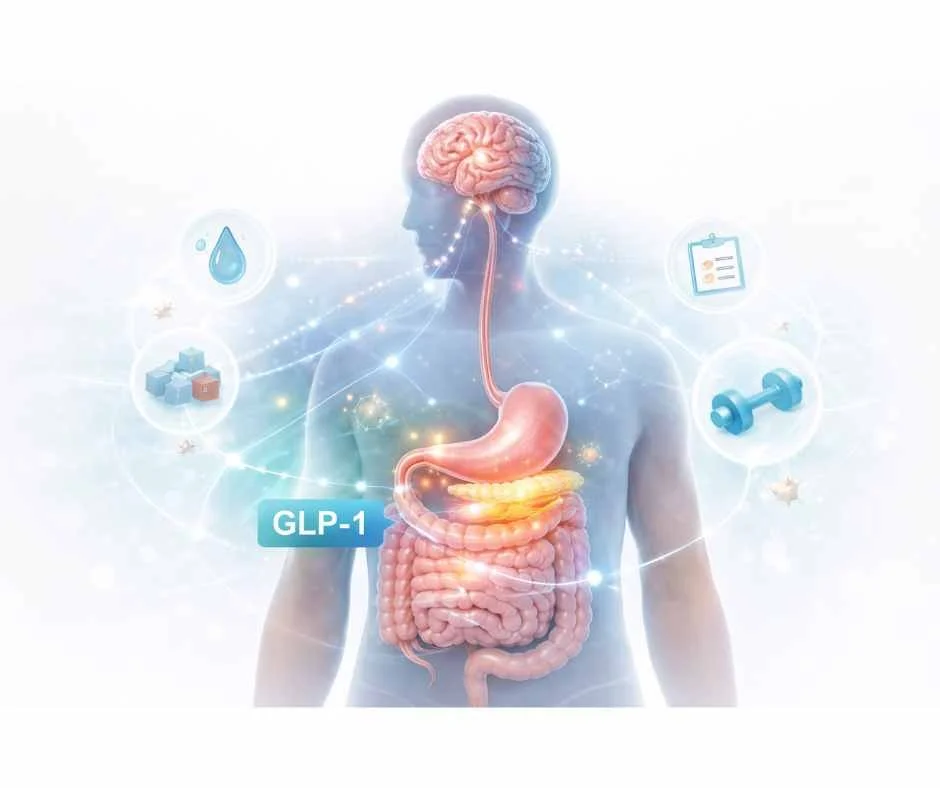
Read MoreOzempic and other GLP-1 medications are increasingly used for weight loss—but do they address the real reasons the body holds weight? This article explores how Ozempic works, potential risks and side effects, and why a root-cause, metabolic approach leads to more sustainable results.
Read MoreA functional medicine guide to recognizing and treating estrogen dominance
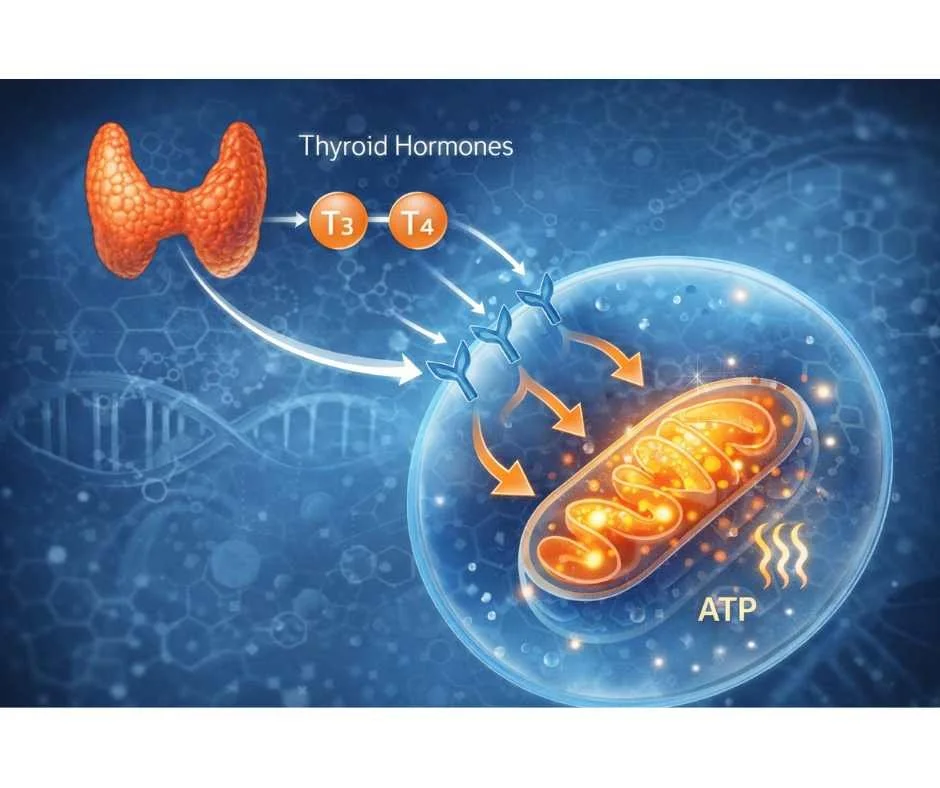
Read MoreMitochondrial function plays a central role in how the body produces energy, adapts to stress, and ages over time. This article explains how cellular energy regulation influences fatigue, metabolic health, and chronic disease—and why symptoms often appear long before standard tests detect a problem.
Read MoreNutrient deficiencies are often overlooked—not because intake is inadequate, but because absorption, utilization, inflammation, and cofactor balance are rarely evaluated. This article explains why common deficiencies are missed, how cellular-level assessment differs from standard blood testing, and why a systems-based approach is essential for accurate evaluation.
Read MoreChronic inflammation rarely comes from a single cause. Instead, it reflects the combined impact of gut health, diet quality, stress, sleep, environmental exposures, and immune regulation over time. This article explores what reduces inflammation naturally by examining the root factors that influence inflammatory load—before relying on symptom suppression or medication-based approaches.
Read MoreIntermittent fasting isn’t one-size-fits-all. Learn how to determine whether fasting supports your metabolism, energy, and health—or when it may need personalization.
Read More