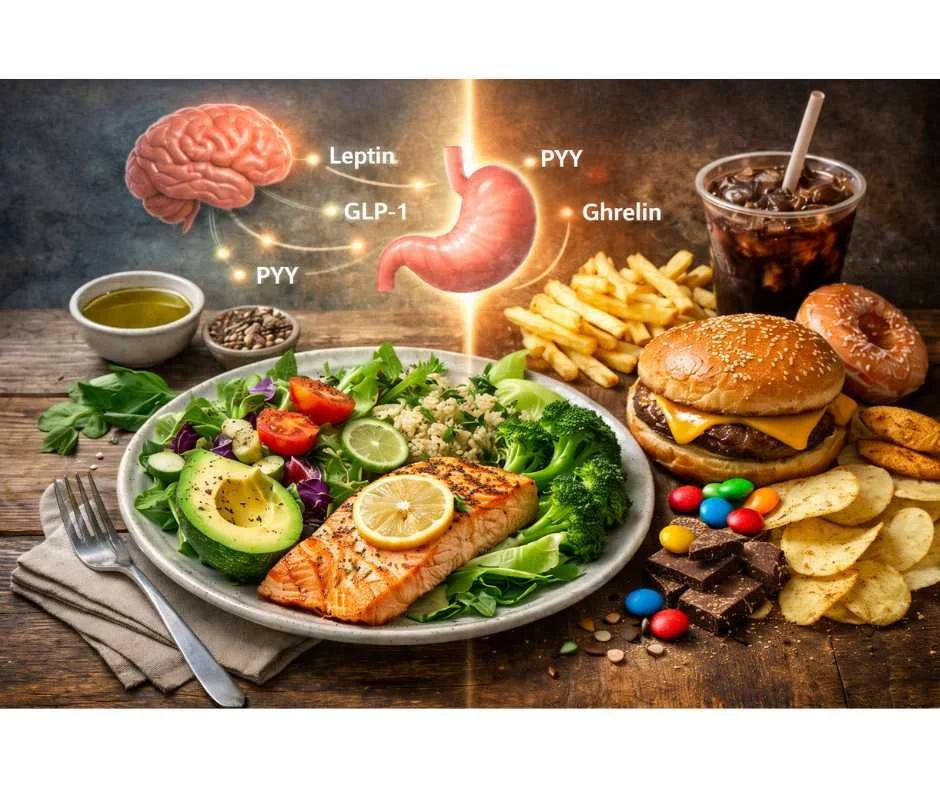
Food quality—not calorie counting—determines how hormones, metabolism, and appetite regulate weight loss. Nutrient-dense foods support sustainable fat loss without restriction.
Read More

Food quality—not calorie counting—determines how hormones, metabolism, and appetite regulate weight loss. Nutrient-dense foods support sustainable fat loss without restriction.
Read MoreIodine is essential for thyroid hormone production, yet iodine supplementation can sometimes worsen thyroid symptoms. Understanding when iodine supports thyroid health—and when it can trigger symptoms—requires evaluating nutrient balance, immune activity, and thyroid regulatory function.
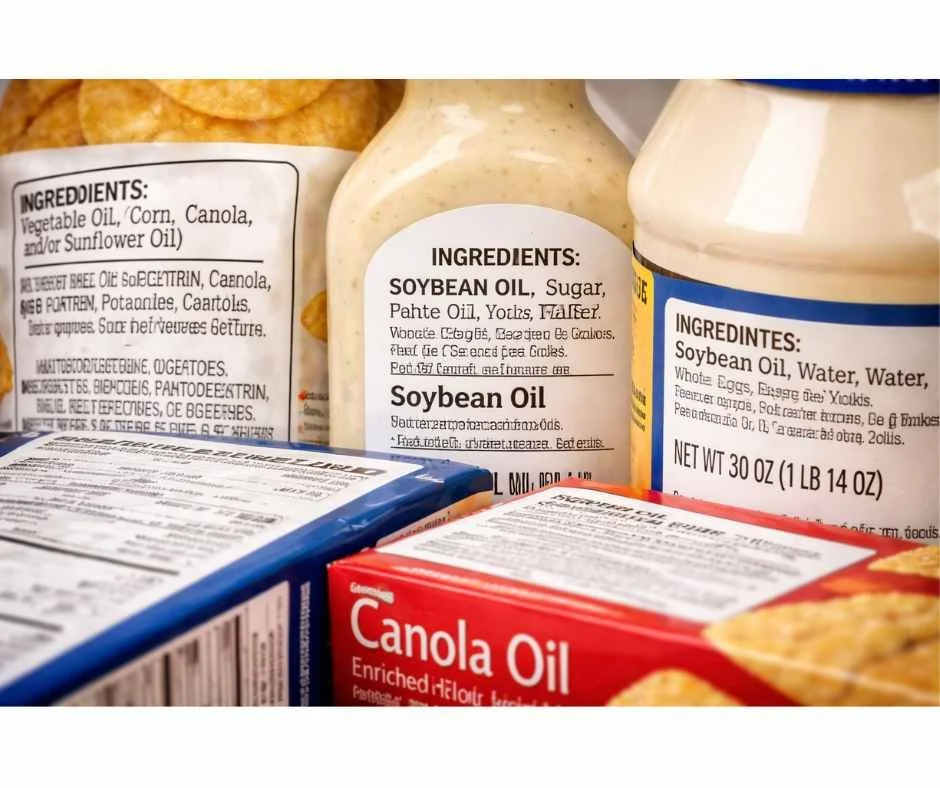
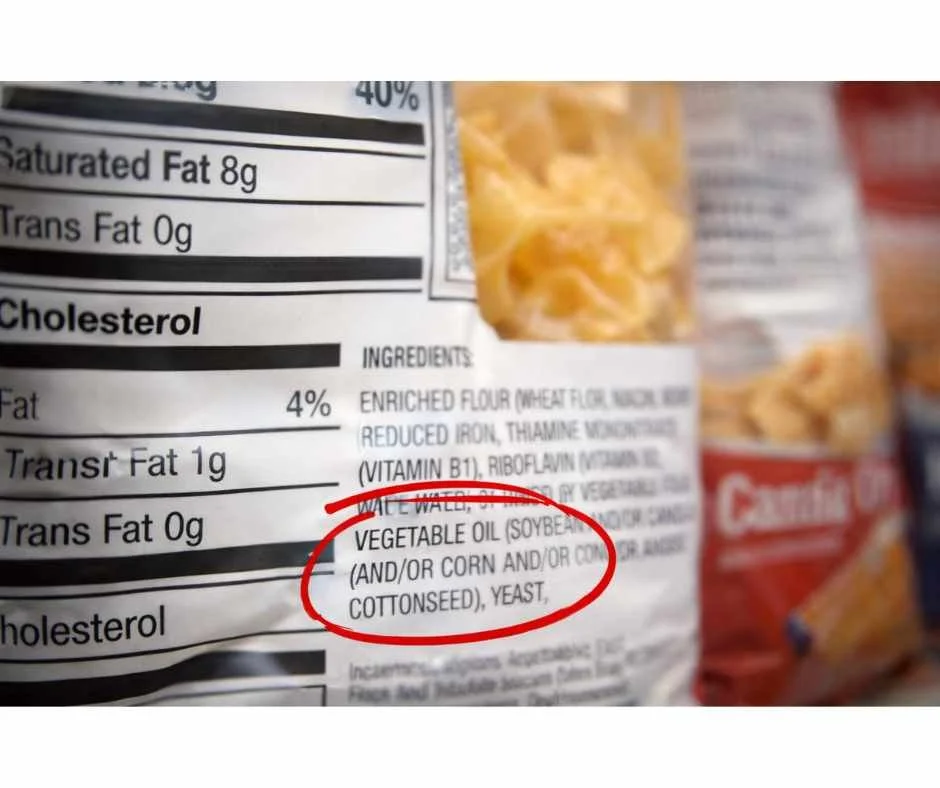
Read MoreSeed oils have become a dominant fat source in modern diets, largely through ultra-processed foods and restaurant cooking. This comprehensive guide explains how omega-6 imbalance, industrial refining, and lipid oxidation influence inflammation, gut integrity, and metabolic health—and outlines practical alternatives for reducing exposure without extreme dieting.
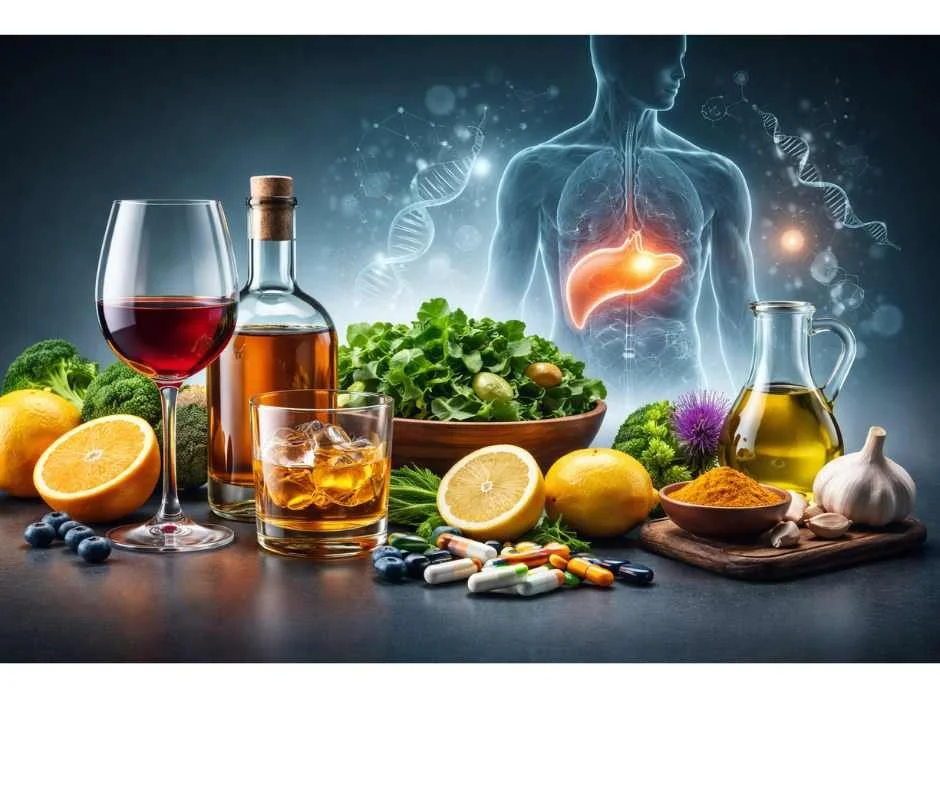
Read MoreAlcohol is deeply normalized in modern culture, yet from a biological standpoint it functions as a systemic toxin. This in-depth article explores how alcohol impacts detoxification pathways, nutrient reserves, gut health, sleep quality, and nervous system regulation—and why individual biology determines risk long before conventional disease markers appear.
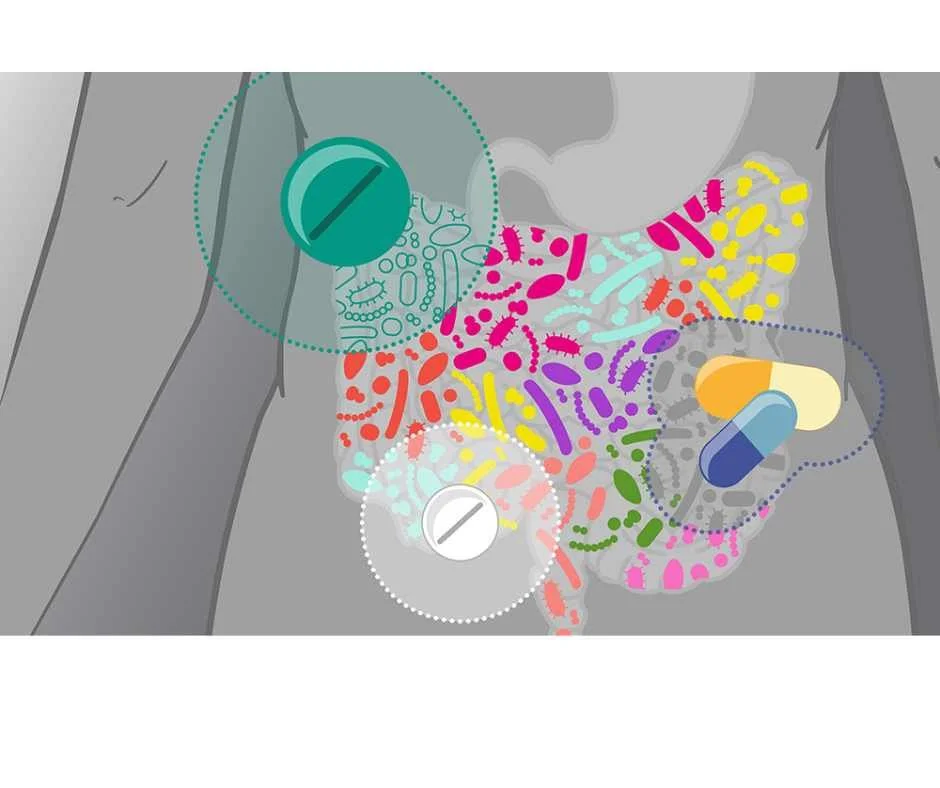
Read MoreLong-term use of PPIs, antibiotics, hormonal contraceptives, and NSAIDs can weaken stomach acid production, disrupt microbial balance, deplete key nutrients, and impair hormone metabolism—contributing to fatigue, bloating, PMS, mood shifts, and systemic inflammation.
Read MoreStatins, metformin, diuretics, and beta blockers can quietly deplete CoQ10, vitamin B12, magnesium, and key electrolytes—affecting mitochondrial energy production, glucose regulation, and cardiovascular resilience over time.
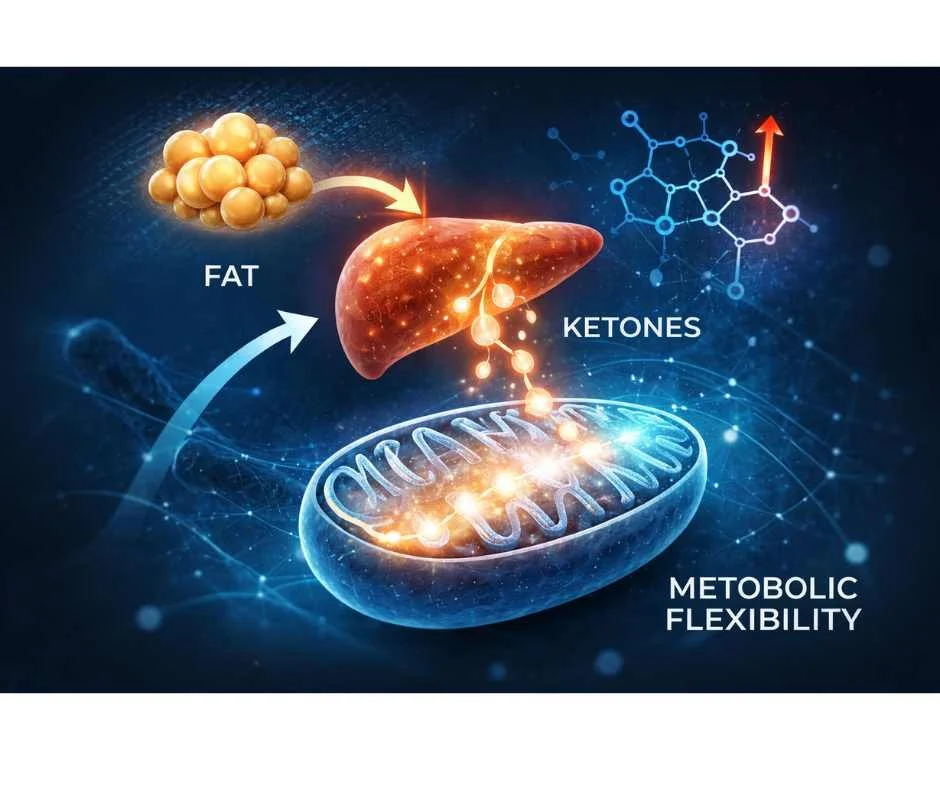
Read MoreKetosis can improve energy and blood sugar control—but it can also raise cortisol and disrupt thyroid signaling when misapplied. Understanding metabolic flexibility is the key to using keto strategically.
Read MoreSalt isn’t the enemy. Learn why sodium is essential for health, how low salt intake can cause problems, and why salt quality matters more than restriction.
Read MoreType 2 diabetes develops gradually through insulin resistance and progressive beta cell dysfunction. Explore early warning signs, root causes, complications, and prevention strategies that support long-term metabolic health.
Read MoreMagnesium deficiency can drive fatigue, anxiety, muscle cramps, heart rhythm changes, hormone imbalance, and blood sugar instability. Because serum testing often misses intracellular depletion, proper evaluation and form selection are essential for effective repletion.
Read MoreShilajit benefits extend beyond traditional herbal use. Learn how purified Shilajit resin supports mitochondrial ATP production, testosterone balance, heavy metal detoxification, and cognitive resilience within a functional medicine framework.
Read MoreHidden toxins in food often enter through farming, processing, packaging, and water exposure. Learn how to shop smarter, choose organic wisely, filter water effectively, and reduce toxic burden with practical detox strategies.
Read MoreTap water may contain PFAS, heavy metals, fluoride, pesticides, and pharmaceutical residues. Learn what’s in drinking water and how to reduce long-term exposure.
Read MoreEven organic and whole foods can contain microplastics and heavy metals. Learn which foods are highest risk and how to reduce cumulative toxic exposure.
Read MoreCAFO-raised meat, lab-grown food technologies, and insect-derived ingredients are increasingly common—but rarely transparent. Part 3 of this food toxin series explores how industrial meat production and emerging food alternatives may impact hormones, gut health, immunity, and long-term metabolic resilience.
Read MoreModern food engineering introduces GMOs, glyphosate, Bt toxins, hexane-processed ingredients, and synthetic produce coatings into the food supply. These exposures may disrupt gut health, hormone signaling, detoxification capacity, and long-term metabolic resilience.
Read MoreMany processed foods contain hidden additives, preservatives, seed oils, and GRAS-approved chemicals that influence gut health, metabolism, hormones, and long-term disease risk. Learn how to identify harmful ingredients and decode misleading food labels.
Read MoreSeed oils are now a dominant source of dietary fat in modern diets, primarily consumed through ultra-processed foods and restaurant meals. As colorectal cancer rates rise—especially among younger adults—this article examines how seed oils, inflammation, gut health, and dietary patterns may influence long-term colon cancer risk within a prevention-focused framework.
Read MoreAlcohol may help you fall asleep, but it disrupts REM sleep, circadian rhythm signaling, and nervous system regulation—leading to fragmented, non-restorative rest.
Read MoreTaking supplements does not guarantee absorption. Bioavailability determines whether nutrients reach circulation, enter cells, and produce measurable benefit. This article explains how delivery systems, excipients, gut health, and nutrient timing influence supplement effectiveness.
Read More