Alcohol is deeply normalized in modern culture, yet from a biological standpoint it functions as a systemic toxin. This in-depth article explores how alcohol impacts detoxification pathways, nutrient reserves, gut health, sleep quality, and nervous system regulation—and why individual biology determines risk long before conventional disease markers appear.
Read MoreCAFO-raised meat, lab-grown food technologies, and insect-derived ingredients are increasingly common—but rarely transparent. Part 3 of this food toxin series explores how industrial meat production and emerging food alternatives may impact hormones, gut health, immunity, and long-term metabolic resilience.
Read MoreIodine plays a critical yet often overlooked role in breast health. This article explores how iodine supports estrogen balance, protects breast tissue, reduces fibrocystic breast changes, and may influence long-term breast cancer risk—while examining iodine deficiency, halide toxicity, dosing considerations, and clinical testing through a functional medicine lens.
Read MoreHeavy metal exposure often occurs quietly through food, water, air, and everyday products. Learn how toxic metals affect the body and how functional medicine safely addresses cumulative toxic burden.
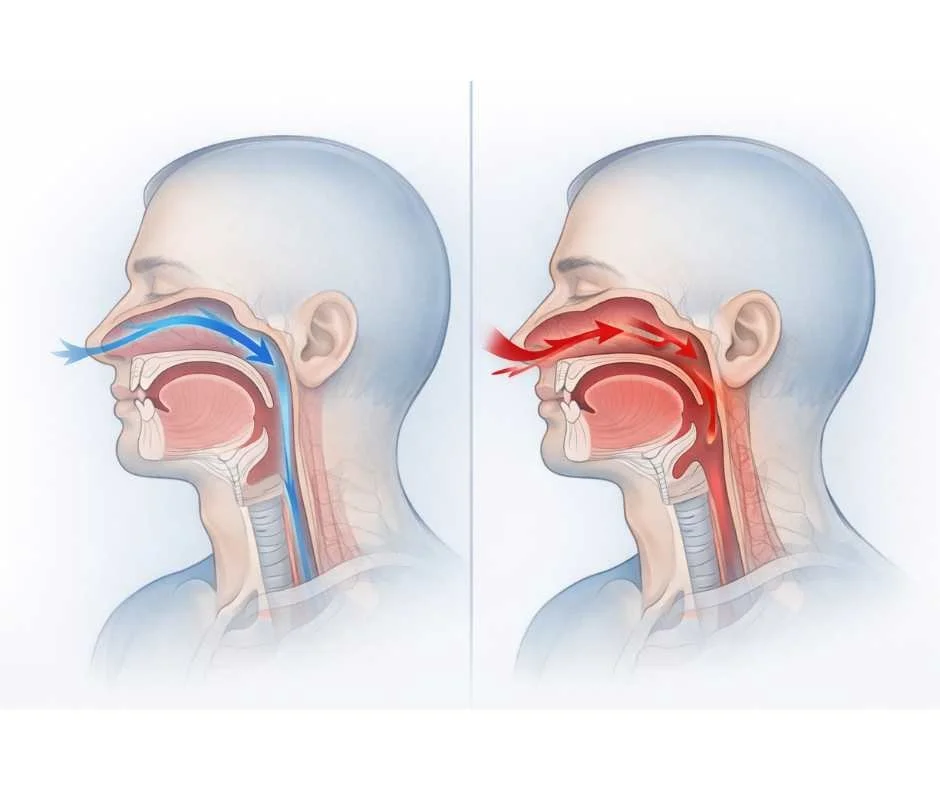
Read MoreSleep apnea is a systemic condition that affects breathing, metabolism, inflammation, and nervous system regulation. This article explores how conventional treatment, functional medicine, and acupuncture can work together to support airway stability, sleep quality, and long-term health.
Read MoreMigraines are more than headaches. This article explains the root causes of migraines and how a functional medicine approach—addressing gut health, hormones, nutrients, stress, and nervous system regulation—can support long-term relief.
Read MoreEndocrine-disrupting chemicals are widespread environmental toxins that interfere with hormone signaling, metabolism, thyroid function, and reproductive health—often without obvious symptoms.
Read MoreNon-alcoholic fatty liver disease is a metabolic condition driven by insulin resistance and inflammation. Learn how NAFLD develops, how it’s diagnosed, and which strategies support liver recovery.
Read MoreInflammatory bowel disease is a complex, immune-mediated condition that extends beyond the digestive tract. This article explores Crohn’s disease and ulcerative colitis through a functional medicine lens, examining gut barrier disruption, immune dysregulation, flare persistence, and integrative strategies that support long-term stability.
Read MorePoor sleep is not just a lifestyle inconvenience—it is a systems-level disruption that affects hormones, metabolism, gut health, immune balance, and mental resilience long before disease develops.
Read MoreGluten can contribute to intestinal permeability by disrupting the gut barrier and triggering immune activation. Learn the signs of gluten-related leaky gut and how to support healing at the root cause.
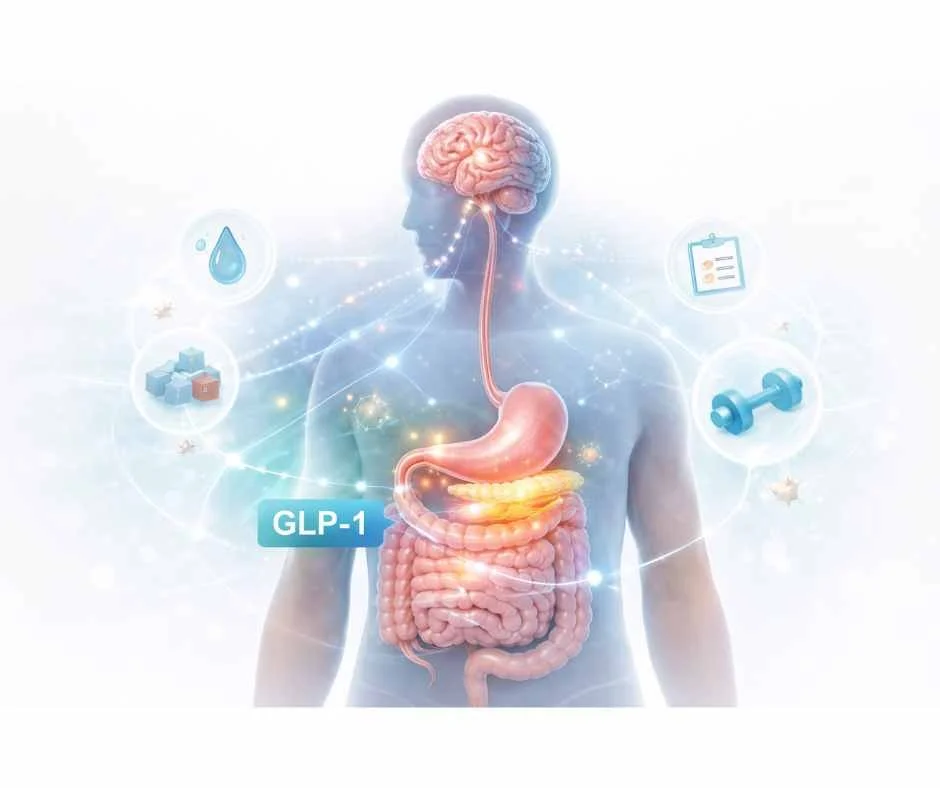
Read MoreOzempic and other GLP-1 medications can support weight loss and blood sugar control—but they don’t address the root causes of metabolic dysfunction. This article explores how GLP-1 agonists work, their potential benefits and risks, and what’s required for sustainable, long-term metabolic health.
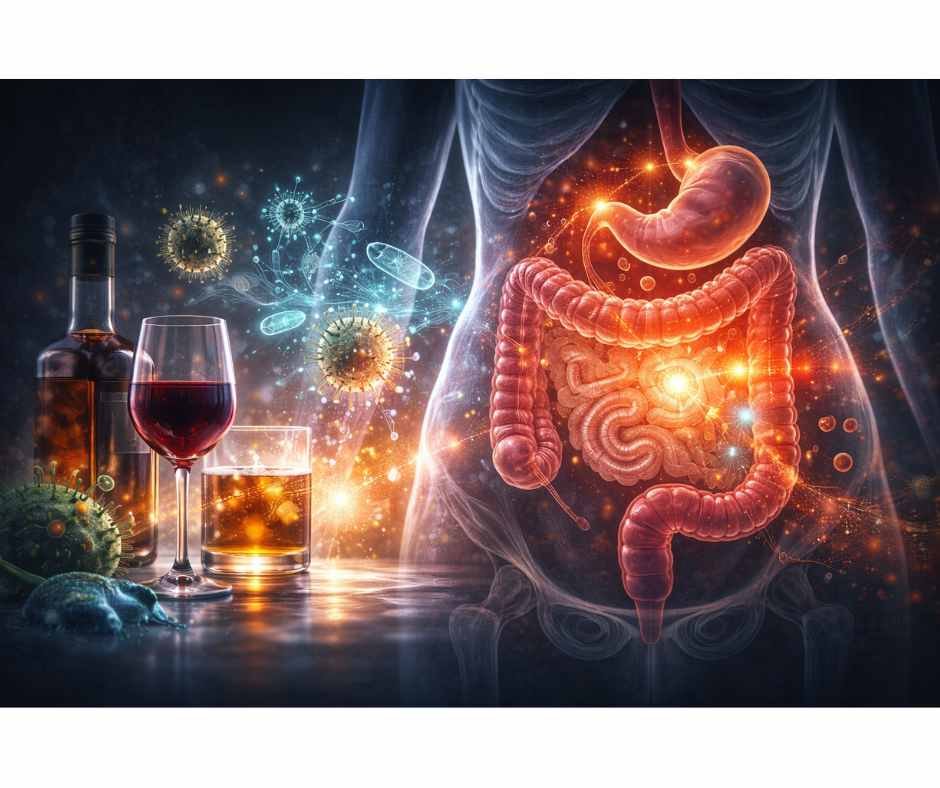
Read MoreAlcohol disrupts the gut microbiome, damages intestinal barrier integrity, and drives systemic inflammation through the gut–brain axis. This article explains how alcohol affects gut health, why symptoms often occur without digestive complaints, and why a systems-based clinical approach matters for long-term health.
Read MoreChronic stress alters thyroid hormone signaling through shared regulatory pathways in the brain. This article explains how adrenal stress physiology affects thyroid conversion, cellular responsiveness, and why symptoms can persist despite “normal” labs.
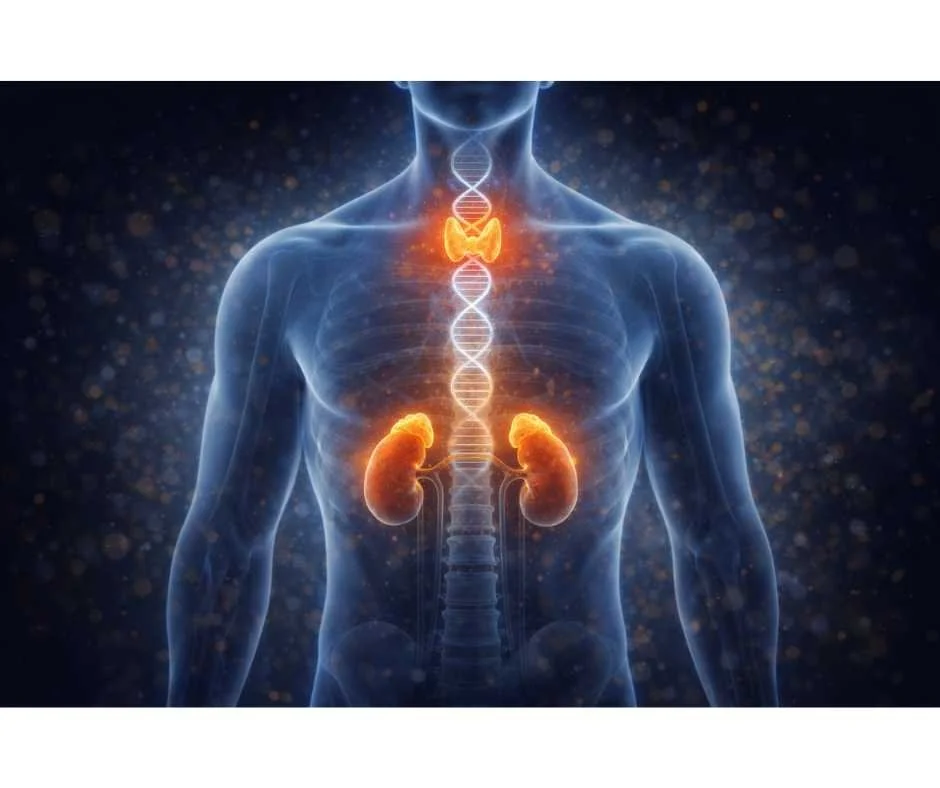
Read MoreThyroid hormones rely on gut integrity, immune regulation, and proper nutrient absorption to function at the cellular level. This article explains why thyroid symptoms often persist despite normal labs—and how gut health shapes thyroid regulation.
Read MoreA clear, physiology-first explanation of how the immune system works, why regulation matters more than stimulation, and how immune imbalance develops over time.
Read MoreWeight loss resistance is often driven by deeper physiologic regulation—not effort. This article explains why weight loss can stall despite healthy habits using a functional medicine, root-cause framework.
Read MoreHashimoto’s disease is not simply a thyroid problem—it is a progressive autoimmune condition shaped by immune dysfunction, gut health, environmental exposures, and stress physiology. This guide explains why symptoms often appear long before thyroid labs change and how a root-cause, systems-based approach reframes long-term care.
Read MoreThe gut–brain connection describes the constant communication between the digestive system and the nervous system that shapes digestion, inflammation, stress response, mood, and cognitive function. Disruptions in gut health can influence far more than digestion alone—helping explain why symptoms such as anxiety, fatigue, brain fog, and chronic inflammation often overlap.
Read MoreLeaky gut syndrome—also known as increased intestinal permeability—can drive inflammation, immune dysfunction, and chronic symptoms throughout the body. Learn how to heal at the root cause.
Read More