

Iodine and Breast Health: A Missing Link in Hormonal Balance and Cancer Prevention
How Iodine Supports Estrogen Balance, Protects Breast Tissue, and May Influence Fibrocystic Changes and Long-Term Breast Cancer Risk
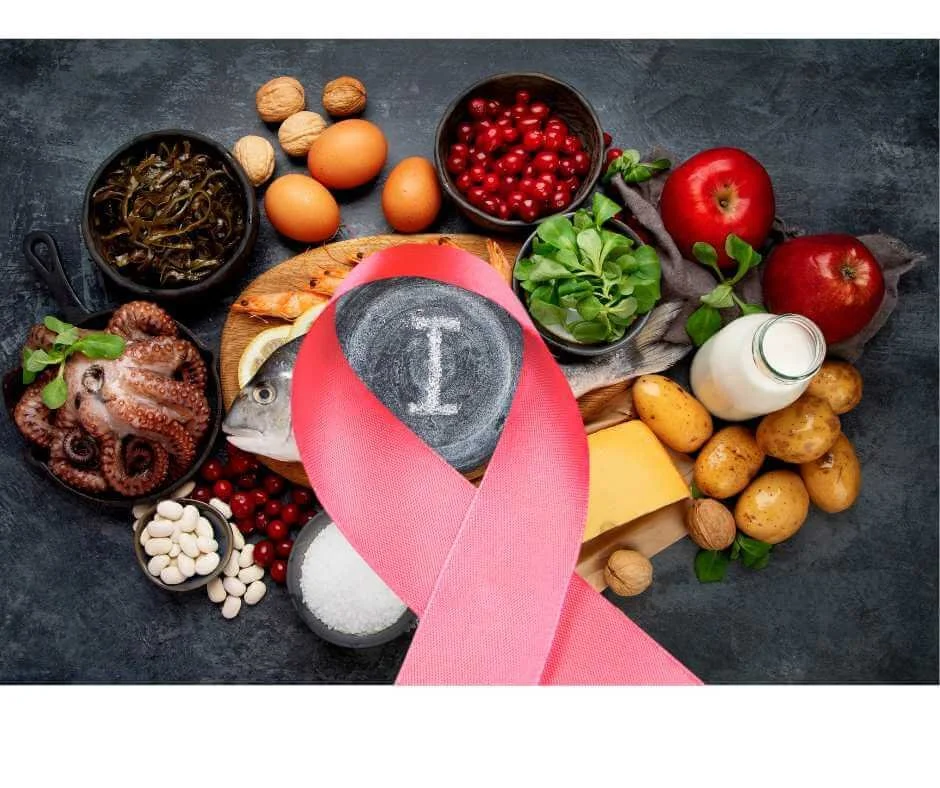
Iodine plays a critical role in breast health, yet it remains one of the most overlooked nutrients in discussions of women’s hormones and long-term cancer risk.
Although iodine is most commonly associated with thyroid function, breast tissue concentrates iodine at levels comparable to—and in some cases higher than—the thyroid (1). Within breast tissue, iodine plays a critical role in maintaining normal cellular structure, protecting against oxidative stress, and supporting healthy hormonal signaling (2).
Across a woman’s lifespan—particularly during periods of hormonal fluctuation such as puberty, pregnancy, perimenopause, and menopause—iodine demand increases. When iodine intake is inadequate, breast tissue becomes more vulnerable to estrogen dominance, fibrocystic changes, inflammation, and dysregulated cellular growth (3).
Emerging research and clinical experience suggest that iodine deficiency may contribute to fibrocystic breast disease and may also influence long-term breast cancer risk (4). Despite this, iodine status is rarely evaluated as part of routine breast health or hormone assessments.
While iodine is not a standalone preventive therapy, current evidence suggests it plays a meaningful supportive role in breast tissue physiology and hormonal signaling.
This article explores iodine’s role in breast tissue physiology, its relationship to estrogen metabolism and environmental toxins, and why optimizing iodine status may be a missing piece in comprehensive breast health and cancer prevention strategies.
The Role of Iodine in Breast Tissue
Breast tissue is particularly sensitive to hormonal fluctuations and environmental toxin exposure, making it highly vulnerable to oxidative stress and dysregulated cell signaling.
Adequate iodine levels help protect breast tissue from oxidative damage and abnormal cellular activity. Iodine functions as a local antioxidant within the breast, supporting tissue integrity while reducing inflammation and vulnerability to hormone-driven changes.
Research indicates that iodine plays a role in regulating estrogen receptor activity in breast tissue, helping balance estrogen signaling and reduce the risk of estrogen dominance—a state in which estrogen’s effects outweigh those of progesterone and contribute to fibrocystic changes and malignant transformation (1).
In Iodine: Why You Need It, Why You Can’t Live Without It, David Brownstein describes iodine as a critical yet frequently overlooked factor in breast health. He explains that iodine supports normal hormonal signaling within breast tissue and may help reduce the risk of breast-related conditions, including fibrocystic breast disease and breast cancer (2).
Dr. Brownstein emphasizes that iodine deficiency often goes unrecognized in women with breast symptoms. Clinically, this deficiency may present as increased breast pain, lumpiness, and tenderness—particularly during the luteal phase of the menstrual cycle, when hormonal demands on breast tissue are highest.
Iodine Deficiency and Its Impact on Breast Health
When iodine levels are insufficient, breast tissue becomes more susceptible to abnormal cell growth, oxidative stress, and hormonal dysregulation. Research has shown that iodine deficiency is associated with an increased risk of fibrocystic breast disease—a condition marked by lumpy, painful, and tender breast tissue.
Because iodine plays a direct role in cellular regulation and antioxidant defense within breast tissue, prolonged deficiency can create an environment that favors inflammation, estrogen-driven stimulation, and impaired tissue repair.
Fibrocystic breast disease is not merely a benign inconvenience. In the setting of chronic iodine deficiency, persistent tissue irritation, inflammation, and altered estrogen signaling may increase vulnerability to more serious breast pathology, including breast cancer (3).
Understanding Estrogen Dominance, Its Symptoms, and How Iodine Can Help
One of the primary ways iodine supports breast health is through its influence on estrogen balance. Estrogen dominance occurs when estrogen activity outweighs progesterone’s regulatory effects, often driven by factors such as environmental toxin exposure, chronic stress, impaired detoxification, or endocrine disruption.
This imbalance promotes excessive stimulation of breast tissue, increasing the risk of fibrocystic changes and potentially malignant cell growth.
Symptoms and Conditions Commonly Associated With Estrogen Dominance
Fibrocystic breasts
Menstrual irregularities
Mood swings and irritability
Weight gain
Fatigue and low energy
Bloating and water retention
PMS
Estrogen receptor–positive (ER+) breast cancers
Thyroid nodules
Endometriosis
Fibroids
Infertility
Iodine helps counter estrogen dominance through several complementary mechanisms:
Supporting hormonal balance: Adequate iodine intake helps regulate the balance between estrogen and progesterone, reducing excessive estrogen signaling (4).
Providing antioxidant protection: Iodine works alongside other antioxidants to neutralize free radicals in breast tissue, limiting oxidative stress that can damage cellular DNA and contribute to cancer development (5).
Supporting estrogen detoxification: In combination with selenium, iodine helps mitigate the effects of xenoestrogens and inhibits the formation of cancer-promoting estrogen metabolites, reducing overstimulation of breast tissue (6).
→ Hormone & Metabolic Optimization
To support healthy breast tissue, consistent iodine intake from diet—and when indicated, supplementation—is essential. Natural sources include seaweed, fish, eggs, and dairy products. Iodized salt is not an ideal source. For many individuals, particularly those with dietary restrictions, thyroid concerns, or high environmental toxin exposure, supplementation may be necessary under clinical guidance.
Iodine’s Impact on Fibrocystic Breast Disease and Breast Cancer
Fibrocystic breast disease may be significantly improved by correcting iodine deficiency. Clinical research suggests that women with adequate iodine levels experience less breast pain, tenderness, and nodularity compared to those who are deficient.
Beyond symptom relief, iodine appears to influence breast cell behavior by modulating cellular growth and limiting abnormal proliferation—mechanisms that may reduce long-term breast cancer risk.
In one study, iodine supplementation led to marked improvement in women with fibrocystic breast disease, including reductions in pain, tenderness, and lumpiness (7).
Clinical observations and published work by Dr. David Brownstein further suggest that iodine may exert anti-cancer effects, potentially helping to slow or inhibit the progression of breast cancer cells when tissue iodine sufficiency is restored.
Optimizing Iodine and Nutrient Levels for Balanced Hormones and Breast Health
Because breast tissue is highly responsive to hormonal signaling, maintaining adequate iodine levels is critical for overall hormonal balance and breast health.
Iodine is essential not only for thyroid hormone production, but also for maintaining proper coordination between estrogen and progesterone. When iodine is deficient, this balance can become disrupted, contributing to a cascade of hormonal effects that increase stress on breast tissue and promote inflammation, abnormal cellular signaling, and tissue sensitivity.
Iodine deficiency can also amplify the impact of xenoestrogens—synthetic chemicals that mimic estrogen and interfere with normal hormone signaling. These compounds are commonly found in plastics, personal care products, food packaging, pesticides, and the broader environment.
When iodine status is inadequate, the body’s ability to buffer and regulate these estrogen-disrupting chemicals is compromised. This places additional strain on breast tissue, particularly in the context of chronic environmental exposure.
Iodine’s ability to support hormone regulation while mitigating the effects of environmental estrogens underscores its importance in breast health—especially in the modern toxic landscape where cumulative chemical exposure is difficult to avoid.
Halide Toxicity and Detoxing with Iodine and Salt
David Brownstein has extensively described the concept of halide toxicity, a process in which halogen compounds such as bromide, fluoride, and chloride competitively displace iodine within breast and thyroid tissues (2).
These halides are pervasive in modern life. They are commonly found in processed foods, drinking water, pharmaceuticals, flame retardants, pesticides, and household products. Because of their chemical similarity to iodine, they can occupy iodine transport sites, interfering with iodine uptake and utilization. Over time, this displacement can increase oxidative stress, disrupt hormone signaling, and reduce the protective effects iodine normally provides to breast tissue.
In this context, breast tissue may become more vulnerable to fibrocystic changes and other hormone-driven pathology, particularly when iodine intake is inadequate or environmental exposure is ongoing.
To address halide accumulation, Dr. Brownstein advocates for a detoxification strategy that pairs iodine supplementation with a salt-loading protocol. The use of unrefined sea salt or hypertonic seawater is intended to support renal excretion of displaced halides, helping remove these compounds from circulation so iodine can more effectively reoccupy its biological roles.
When applied appropriately and under clinical guidance, this approach may improve iodine utilization, reduce toxic burden, and support both hormone regulation and breast tissue resilience.
→ Detoxification & Environmental Medicine
Rethinking Iodine Dosages for Breast and Thyroid Health
The U.S. Recommended Dietary Allowance (RDA) for iodine ranges from 150–290 micrograms (mcg) per day for adults, with higher recommendations during pregnancy and breastfeeding. These intake levels were established primarily to prevent goiter and overt iodine deficiency affecting the thyroid, not to optimize iodine status in other iodine-sensitive tissues such as the breasts.
Emerging research suggests that these baseline recommendations may be insufficient for individuals with fibrocystic breast disease or chronic iodine deficiency. Clinical studies have demonstrated that daily iodine intakes in the range of 3,000 to 6,000 mcg have been used safely in women with fibrocystic breast disease, with reported improvements in breast pain, tenderness, and nodularity (8).
Population data provide additional perspective. In Japan, where seaweed consumption is common, average daily iodine intake is estimated to range from approximately 5,000 to 13,800 mcg. These higher intakes are associated with low rates of fibrocystic breast disease and favorable breast health outcomes, without widespread thyroid dysfunction in the general population (9).
Thyroid function further complicates the iodine–breast health relationship. Women with hypothyroidism have been shown to carry a higher risk of breast cancer compared to those with normal thyroid function (10). Conversely, women with a history of breast cancer are nearly three times more likely to develop thyroid cancer, and geographic patterns have demonstrated overlap between regions with higher rates of goiter and breast cancer incidence (11).
Some studies have also observed increased breast cancer risk among women receiving long-term thyroid hormone therapy, with risk rising alongside duration of use (12). These findings reflect associations observed in population data and do not establish a direct causal relationship. Several potential confounders may influence these observations, including underlying autoimmune thyroid disease, duration and dosing of therapy, baseline iodine status, metabolic health, and differences in clinical monitoring. Examples of thyroid hormones include levothyroxine, desiccated thyroid, liothyronine, and thyrotropin. One proposed explanation is that thyroid hormone therapy increases metabolic demand, thereby increasing iodine requirements. When iodine intake is not sufficient to meet this demand, relative iodine deficiency may worsen over time.
David Brownstein and Abraham have suggested that iodine deficiency may represent a missing link in these observed associations. They propose that correcting iodine insufficiency—rather than relying solely on thyroid hormone replacement—may be an important consideration in long-term breast and thyroid health.
While Abraham and Brownstein suggest a daily iodine intake of approximately 1,500 mcg (1.5 mg) as a more functional baseline, they also argue that widespread exposure to bromide and fluoride may substantially increase iodine requirements. In some cases, they estimate that intake levels between 5 and 50 mg per day may be necessary to restore tissue sufficiency—amounts achievable only through supplementation.
Importantly, iodine supplementation at these levels should not be approached casually. Individual iodine needs vary based on thyroid status, environmental exposure, nutrient cofactors, and overall metabolic health. For this reason, higher-dose iodine protocols should be implemented only with appropriate testing, monitoring, and clinical oversight.
Why Lugol’s Iodine Is a Superior Choice for Iodine Supplementation
Lugol’s iodine is a liquid iodine solution that contains two biologically active forms of iodine: elemental iodine (I₂) and iodide (as potassium iodide, KI). These two forms are absorbed and utilized differently by the body and support distinct iodine-dependent tissues.
Elemental iodine (I₂) is preferentially taken up by iodine-concentrating tissues such as the breasts, ovaries, prostate, and other glandular tissues. Iodide, on the other hand, is more readily utilized by the thyroid gland for thyroid hormone synthesis. By providing both forms, Lugol’s iodine supports a broader range of iodine-dependent physiological functions than iodide-only supplements.
This dual-form composition makes Lugol’s iodine particularly relevant for breast health, where molecular iodine appears to play a direct role in antioxidant defense, regulation of cellular growth, and protection against hormone-driven tissue changes. Providing both iodine forms allows supplementation to address thyroid and extra-thyroidal iodine needs simultaneously.
Lugol’s iodine is also valued for its high bioavailability, meaning it can be readily absorbed and used by the body. In addition to supporting hormone balance, iodide has been shown to facilitate detoxification processes, including the mobilization and excretion of certain heavy metals such as mercury, lead, cadmium, aluminum, and arsenic (12).
Another notable advantage of iodide in Lugol’s solution is its role in supporting detoxification processes. Certain heavy metals—including mercury, lead, cadmium, aluminum, and arsenic—can accumulate in the body over time. Iodide may support the mobilization and elimination of certain heavy metals by influencing renal excretion and related detoxification pathways (12).
Key companion nutrients commonly emphasized alongside iodine supplementation include:
Selenium
Zinc
Vitamin C
B vitamins
Magnesium
Among these, selenium is especially critical. Selenium is required for the activation and regulation of thyroid hormones and for protecting thyroid tissue from oxidative stress that can occur when iodine status is changing. Ensuring adequate selenium intake helps reduce the risk of adverse thyroid responses and supports balanced hormone signaling throughout the body.
Monitoring Iodine and Nutrient Balance for Optimal Breast and Thyroid Health
Monitoring iodine status is an important component of a comprehensive approach to breast, thyroid, and hormonal health. Because iodine requirements vary based on diet, environmental exposure, thyroid function, and overall metabolic health, supplementation should be guided by objective assessment rather than assumption.
Clinical evaluation may include urinary iodine testing to assess iodine intake and excretion patterns, along with thyroid function markers to evaluate how iodine status is influencing thyroid hormone production and regulation. In some cases, additional testing may be warranted to assess related nutrient status, inflammatory markers, or exposure to environmental toxins that can interfere with iodine utilization.
When iodine supplementation is initiated, ongoing monitoring helps ensure that iodine is supporting hormone balance and tissue health without creating unintended thyroid stress. This is particularly important for individuals with a history of thyroid disease, fibrocystic breast disease, or prior hormone-related conditions.
A personalized approach allows iodine intake to be adjusted over time, taking into account clinical response, laboratory findings, and changes in environmental or dietary exposure. This helps support long-term breast and thyroid health while minimizing risk.
Proactive Measures for Breast Health
Supporting breast health requires a proactive, systems-based approach that extends beyond symptom management or isolated nutrient supplementation. While iodine status plays a critical role, breast tissue health is ultimately influenced by the interaction between hormones, thyroid function, detoxification capacity, immune regulation, and cellular metabolism.
A comprehensive strategy often includes evaluating iodine levels alongside estrogen and progesterone balance, thyroid function, nutrient status, and environmental toxin exposure. Addressing these factors together helps reduce ongoing tissue stress, improve cellular resilience, and support healthy breast tissue remodeling over time.
For women with fibrocystic breast disease, hormone-driven breast symptoms, or elevated breast cancer risk, a personalized assessment is especially important. In these cases, optimizing iodine status may be one component of a broader plan that also addresses estrogen metabolism, inflammatory signaling, oxidative stress, and detoxification pathways.
This integrative framework is also highly relevant for individuals navigating breast cancer risk reduction, survivorship, or adjunctive support during conventional treatment. Nutrient status, hormone balance, and environmental exposures can all influence cellular behavior and tissue recovery, making individualized evaluation essential.
At Denver Sports and Holistic Medicine, we take a comprehensive approach to breast health that integrates functional medicine, hormone evaluation, detoxification support, and individualized nutrition and supplementation strategies—tailored to each patient’s physiology and clinical context.
By addressing breast health through a root-cause lens, it becomes possible to move beyond reactive care and toward long-term tissue protection, hormonal balance, and informed prevention strategies.
Ready to Take Charge of Your Breast Health?
Breast health is shaped by far more than isolated symptoms or single nutrients. Iodine status, hormone balance, thyroid function, detoxification capacity, and environmental exposures all interact to influence how breast tissue responds over time.
Addressing these factors early—before symptoms escalate or disease develops—allows for a more informed, proactive approach to long-term breast and hormonal health. For individuals experiencing fibrocystic breast changes, hormone-related breast symptoms, thyroid dysfunction, or increased breast cancer risk, personalized evaluation is especially important.
At Denver Sports and Holistic Medicine, we take the time to assess these interconnected systems and develop individualized strategies that support breast tissue resilience, hormonal balance, and overall metabolic health.
Dr. Martina Sturm works with patients using comprehensive testing and personalized treatment plans to identify underlying contributors and guide appropriate nutritional, hormonal, and detoxification support—tailored to each individual’s physiology and clinical goals.
If you’re ready to take a more informed, integrative approach to breast health, support is available.
You may request a free 15-minute consultation with Dr. Martina Sturm to review your health concerns and outline appropriate next steps within a root-cause, systems-based framework.
Frequently Asked Questions About Iodine and Breast Health
Why is iodine important for breast health?
Iodine supports breast tissue physiology by contributing to normal cellular structure, antioxidant defense, and estrogen receptor regulation. Breast tissue concentrates iodine, and adequate levels are associated with reduced fibrocystic changes and more balanced hormonal signaling.
How does iodine affect estrogen dominance?
Iodine plays a role in modulating estrogen receptor activity and supporting coordination between estrogen and progesterone signaling. It may also support healthy estrogen metabolism, which can help reduce excessive estrogen stimulation of breast tissue.
What are symptoms of iodine deficiency related to breast health?
Possible signs may include breast tenderness, cyclical swelling, fibrocystic changes, PMS symptoms, menstrual irregularities, fatigue, mood changes, and thyroid nodules. Presentation varies depending on overall hormonal balance and individual physiology.
Can iodine supplementation help fibrocystic breast disease?
Some clinical studies suggest iodine supplementation may reduce breast pain, tenderness, and nodularity in women with fibrocystic breast disease. Response can vary depending on baseline iodine status, hormonal balance, and nutrient sufficiency.
What foods are naturally high in iodine?
Rich dietary sources include seaweed (kelp, nori, wakame), wild-caught fish, eggs, and dairy products. Due to soil depletion and environmental halide exposure, dietary intake alone may not consistently provide sufficient iodine for all individuals.
What are halides and how do they interfere with iodine?
Halides such as bromide, fluoride, and chloride are chemically similar to iodine and can compete for uptake in breast and thyroid tissue. Chronic exposure may reduce iodine utilization and influence hormonal signaling.
What is Lugol’s iodine?
Lugol’s iodine is a solution containing both elemental iodine (I₂) and iodide (as potassium iodide). These forms support different iodine-dependent tissues, including the breasts and thyroid, and are sometimes used in clinical practice when broader iodine repletion is indicated.
How much iodine is recommended for breast health?
The Recommended Dietary Allowance (RDA) for adults ranges from 150–290 micrograms per day. Some research suggests higher individualized doses may be used in specific clinical contexts, but iodine intake should be guided by appropriate evaluation and monitoring, particularly in individuals with thyroid conditions.
Which nutrients support iodine supplementation?
Selenium is especially important because it helps regulate thyroid hormone metabolism and protects thyroid tissue from oxidative stress during iodine repletion. Zinc, vitamin C, B vitamins, and magnesium may also support iodine utilization and overall hormonal balance.
Can iodine supplementation cause thyroid problems?
Yes, iodine supplementation can affect thyroid function in some individuals, particularly when intake is excessive or introduced too rapidly. Both deficiency and excess iodine can influence thyroid hormone production. Individuals with autoimmune thyroid disease, thyroid nodules, or prior thyroid dysfunction may be more sensitive to changes in iodine intake. For this reason, iodine supplementation—especially at higher doses—should be individualized and monitored appropriately.
Can thyroid dysfunction influence breast cancer risk?
Research has identified associations between thyroid disorders, thyroid hormone therapy, and breast cancer risk. These findings reflect population-level correlations and do not establish direct causation. Evaluating thyroid function and iodine status together may be an important component of a comprehensive breast health assessment.
Still Have Questions?
If the topics above reflect ongoing symptoms or unanswered concerns, a brief conversation can help clarify whether a root-cause approach is appropriate.
Resources
Breast Cancer Research – Iodine modulation of gene expression and anti-estrogen effects in estrogen receptor–positive breast cancer cells
Endocrine Reviews – Iodine physiology beyond the thyroid: cellular signaling, antioxidant activity, and apoptosis
The Journal of Clinical Endocrinology & Metabolism – Iodine replacement therapy in benign breast disease
Free Radical Biology & Medicine – Extrathyroidal actions of iodine as an antioxidant and differentiation factor
Steroids – Estrogen metabolism and biologically active estrogen metabolites
Nutrients – Iodine deficiency: prevalence, mechanisms, and therapeutic considerations
The Journal of Clinical Endocrinology & Metabolism – Thyroid function and adaptation during chronic excess iodine exposure
Cancer Epidemiology, Biomarkers & Prevention – Hypothyroidism and breast cancer risk: population-based cohort evidence
Thyroid – Thyroid cancer incidence in women and associations with breast cancer risk factors
Journal of Steroid Biochemistry and Molecular Biology – Thyroid hormone signaling enhances proliferation in estrogen receptor–positive breast cancer