

Are Seed Oils Bad for You? Inflammation, Chronic Disease Risks, and Healthier Alternatives
How seed oils entered the modern diet, how they may contribute to inflammation and chronic disease, and what to use instead
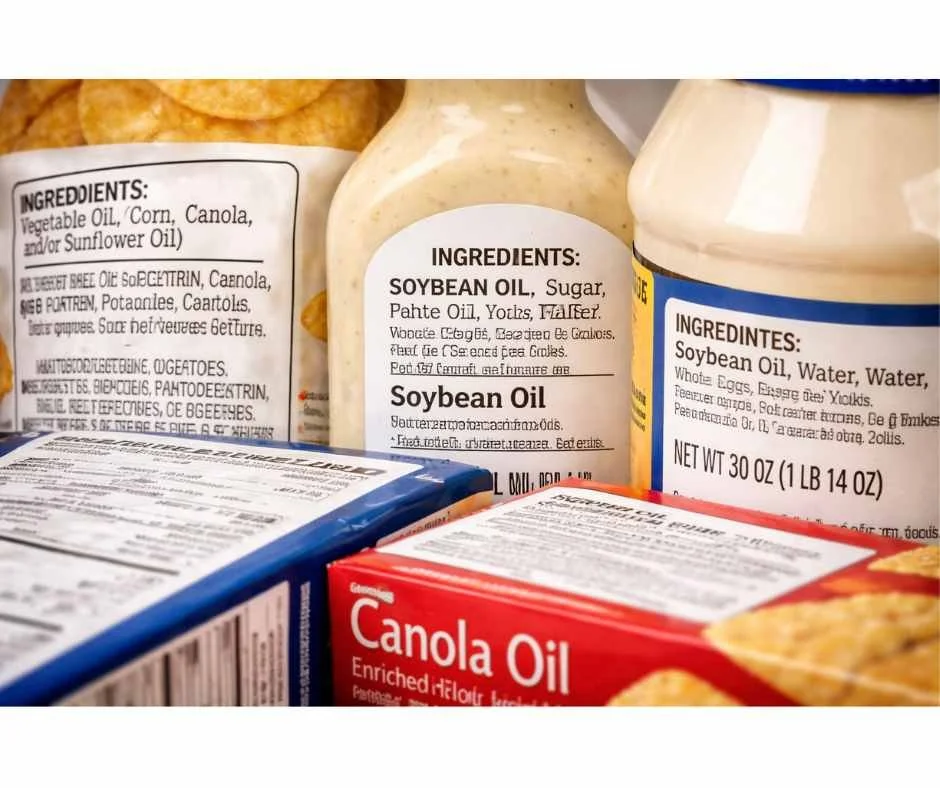
Seed oils have become one of the most common—and most invisible—ingredients in the modern diet. These industrial seed oils are no longer occasional cooking fats; they are embedded into daily exposure through restaurant meals, packaged foods, condiments, sauces, and many products marketed as “heart-healthy” or “plant-based.” Most people consume seed oils and vegetable oils multiple times per day without realizing it. (1)
From a functional and integrative medicine perspective, the concern is not that fat is bad or that people need to fear food. The concern is that industrial seed oils represent a chronic, cumulative inflammatory input—one that quietly alters physiology over time. These oils are high in omega-6 polyunsaturated fats (linoleic acid), chemically fragile, and typically consumed within ultra-processed food patterns. Together, this combination can shift the body toward persistent inflammation, oxidative stress, metabolic dysregulation, and impaired cellular resilience long before conventional labs appear abnormal. (2,3)
In clinical practice, this is one of the most overlooked contributors to “mystery inflammation” and chronic low-grade inflammation. Many patients are eating what they believe is a clean diet, avoiding sugar, prioritizing protein, and even choosing foods labeled as healthy—yet symptoms such as joint pain, digestive irritation, skin flares, fatigue, or metabolic stagnation persist. Seed oil consumption often remains the unrecognized background exposure undermining progress.
This article serves as a foundational, clarifying resource on the health risks of seed oils. Rather than focusing on headlines or single studies, it explains how seed oils entered the food supply, how they interact with human biology, and why their effects are cumulative rather than immediate. Understanding this context allows dietary changes to feel rational and strategic—not restrictive or ideological—and creates a clearer path toward reducing inflammatory burden, improving metabolic health, and supporting long-term health.
What Are Seed Oils and Why Are They Controversial?
Seed oils are industrially produced vegetable oils extracted from the seeds of plants rather than from whole fruits or animal sources. Common examples include soybean oil, canola oil (rapeseed oil), corn oil, cottonseed oil, sunflower oil, safflower oil, grapeseed oil, peanut oil, and rice bran oil.
What distinguishes seed oils is not simply where they come from, but how recently and rapidly these industrial seed oils entered the modern human food supply. These oils were not dietary staples for most of human history. Their widespread consumption accelerated primarily in the mid-20th century, driven by industrial agriculture, advances in chemical extraction, and shifts in dietary policy that promoted vegetable oils as replacements for traditional animal fats. (4,5)
From a biological and evolutionary perspective, this matters. Human physiology evolved consuming fats that were either:
naturally saturated or monounsaturated, and
minimally processed before consumption
Seed oils, by contrast, are rich in polyunsaturated fatty acids (omega-6 linoleic acid) that are chemically fragile, require extensive industrial processing to become edible, and are now consumed in quantities far exceeding historical norms. (6)
In modern diets, seed oils are rarely used intentionally or sparingly. These vegetable oils appear ubiquitously in:
restaurant cooking oils and commercial fryers
packaged and convenience foods
sauces, dressings, and condiments
baked goods and snack foods
products labeled “heart healthy,” “plant-based,” or “cholesterol free”
As a result, many individuals are exposed to seed oils multiple times per day, often without realizing it. This constant background intake is what makes seed oils clinically relevant—not as an acute toxin, but as a chronic, low-grade inflammatory and metabolic stressor. (7)
In practice, this helps explain why seed oils frequently escape scrutiny in discussions about inflammation and chronic disease risk. Patients often focus on obvious dietary culprits like sugar or refined carbohydrates, while the vegetable oils embedded in otherwise “healthy-looking” foods quietly persist as a dominant fat source. Over time, this disconnect contributes to confusion, frustration, and stalled progress despite sincere efforts to eat well.
How Seed Oils Are Processed and Why Industrial Refining Matters for Health
Unlike fats that can be consumed close to their natural state, most industrial seed oils are not edible without extensive industrial processing. The seeds they come from are small, fibrous, and naturally low in free-flowing oil, which makes simple mechanical pressing insufficient at scale.
To extract usable oil, manufacturers rely on a multistep industrial refining process designed to maximize yield, uniformity, and shelf stability—not biological compatibility or oxidative stability.
A typical industrial pathway includes:
Mechanical pressing and/or hexane solvent extraction
Heating to remove residual solvent
Refining steps commonly described as refining, bleaching, and deodorizing (RBD) (8,9)
Each step alters the chemical structure of the fat. High heat, solvent exposure, and repeated processing increase the likelihood of lipid oxidation, while deodorization is often necessary precisely because the oil has already developed unpleasant odors from oxidative lipid breakdown.
From a functional and integrative medicine perspective, this is a critical distinction. Industrial processing does not merely remove impurities—it changes how the fat behaves metabolically and biologically in the body.
Polyunsaturated fatty acids (PUFAs), which dominate seed oils and vegetable oils, are inherently more unstable than saturated fats. When exposed to heat, oxygen, and light during industrial refining and storage, they are more likely to form oxidized lipid byproducts before consumption even occurs. (10)
This matters clinically because oxidized seed oils and degraded fats:
place additional burden on liver detoxification pathways
contribute to cellular oxidative stress and redox imbalance
disrupt membrane integrity
interfere with mitochondrial energy production
Unlike acute toxins, these effects accumulate quietly. The body may compensate for years before symptoms surface, which is why patients often struggle to connect dietary fat quality with fatigue, inflammatory pain, metabolic resistance, or chronic digestive irritation.
It is also why seed oils behave differently from whole-food fats in real-world use. When reheated repeatedly—as happens in restaurant fryers and commercial food preparation—the oxidative burden increases further. Repeated heating of polyunsaturated vegetable oils amplifies lipid peroxidation and the formation of reactive aldehydes and oxidative compounds that are increasingly studied in relation to chronic inflammation and chronic disease mechanisms. (11)
In other words, the concern is not simply that seed oils are processed. It is that industrial seed oils are processed, chemically fragile, repeatedly heated, and consumed daily—often from multiple sources within the same meal. This combination is what makes them uniquely problematic in the modern ultra-processed food environment.
Do Seed Oils Cause Inflammation? The Omega-6 to Omega-3 Imbalance Explained
Seed oils are significant sources of omega-6 linoleic acid (LA). Omega-6 fats are essential to human physiology, but they share metabolic pathways with omega-3 fats—meaning balance, not presence, determines biological effect and overall inflammatory response.
Multiple reviews and nutritional analyses show that modern Western diets have shifted the omega-6 to omega-3 ratio far beyond historical norms, commonly cited in the range of 10:1 to 20:1 or higher. This imbalance in fatty-acid intake did not occur gradually; it accelerated alongside the widespread adoption of industrial seed oils and refined vegetable oils as default cooking and manufacturing fats. (12,13)
How Excess Omega-6 From Seed Oils Affects Inflammatory Signaling
Omega-6 fatty acids from seed oils can be converted into arachidonic-acid–derived signaling molecules, including prostaglandins and leukotrienes. These compounds are not inherently harmful—they play roles in immune response and tissue repair—but excessive substrate availability biases inflammatory signaling toward a more pro-inflammatory tone. (14)
This distinction is important. In isolation, linoleic acid does not automatically cause inflammation. Human clinical studies do not consistently show increased inflammatory cytokines when linoleic acid is consumed in controlled settings by otherwise healthy individuals. (15,16)
Where problems emerge is context.
In real life, industrial seed oils are rarely consumed:
alongside adequate omega-3 intake,
within minimally processed, whole-food diets,
or in the absence of oxidative stressors.
Instead, they are typically consumed within dietary patterns characterized by:
high omega-6 exposure,
low omega-3 intake,
repeated heating and lipid oxidation,
and ultra-processed food dominance. (12,17)
Within this context, excess omega-6 from seed oils no longer acts as a neutral nutrient. It becomes substrate for amplified inflammatory signaling, particularly when combined with insulin resistance, gut barrier disruption, mitochondrial stress, and environmental toxic load.
Why Seed Oil–Driven Inflammation Often Doesn’t Show Up on Standard Labs
One of the reasons seed oil–associated inflammation is so often missed is that standard blood work does not capture fatty-acid signaling dynamics or membrane-level inflammatory tone. A patient can have “normal” cholesterol, triglycerides, and conventional inflammatory markers while still experiencing joint pain, skin inflammation, digestive irritation, metabolic resistance, or low-grade systemic inflammation.
From a clinical perspective, omega-6 excess functions less like a single trigger and more like a volume knob—quietly turning up inflammatory reactivity across multiple systems, including metabolic and immune pathways. Over time, this lowers the threshold at which symptoms appear and slows recovery even when other dietary changes are made.
This helps explain a common pattern in practice: patients clean up sugar intake, prioritize protein, reduce refined carbohydrates, and still feel chronically “inflamed.” Until the background omega-6 and seed oil burden is addressed, progress often remains incomplete.
Seed Oils, Oxidation, and Lipid Peroxidation: The Under-Discussed Mechanism
Polyunsaturated fats (PUFAs), which dominate industrial seed oils and vegetable oils, are chemically unstable by nature. Their multiple double bonds make them far more susceptible to oxidation than saturated or monounsaturated fats. When exposed to heat, oxygen, and light—conditions common during industrial processing, storage, and high-heat cooking—these fats readily degrade and form oxidative byproducts.
This is not a theoretical concern. The scientific literature describes how heated vegetable oils and omega-6–rich seed oils generate lipid peroxidation products, including reactive aldehydes such as 4-hydroxynonenal (4-HNE). These compounds can bind to proteins, lipids, and DNA, altering cellular function and contributing to oxidative stress pathways studied in the context of chronic inflammation and chronic disease development. (18,19)
What makes this oxidative mechanism especially relevant clinically is that oxidation can occur before consumption. Industrial seed oils are often exposed to:
high heat during extraction and deodorization,
prolonged storage in clear containers exposed to light,
repeated reheating in restaurant fryers, and
additional heating during home cooking.
Each exposure increases the oxidative burden of the final fat that enters the body.
Once consumed, oxidized seed oils and degraded lipids:
increase cellular oxidative stress and redox imbalance,
disrupt cell membrane integrity and signaling,
interfere with mitochondrial energy production, and
place additional demand on antioxidant and liver detoxification systems. (20)
These effects are cumulative. Unlike acute toxins that cause immediate symptoms, oxidized fats act as a low-grade, chronic inflammatory stressor, gradually eroding metabolic flexibility and inflammatory tolerance over time.
This is also why “smoke point” alone is a misleading metric when evaluating cooking oils. Smoke point measures when an oil visibly breaks down, not when harmful oxidative reactions begin. Oxidative stability depends on fatty-acid structure, antioxidant content, processing history, and duration of heat exposure—not just a single temperature threshold. (21)
In real-world settings, this distinction matters. Seed oils and commercial vegetable oils used in food preparation are often heated repeatedly for hours or days. Even if an oil does not visibly smoke, oxidative degradation and lipid peroxidation continue silently. Over time, repeated intake of these oxidized fats contributes to a background oxidative load that compounds other stressors such as poor sleep, insulin resistance, gut permeability, mitochondrial dysfunction, and environmental toxin exposure.
From a functional and integrative medicine perspective, this lipid peroxidation mechanism helps explain why patients may experience persistent inflammation, fatigue, or metabolic resistance despite “doing everything right.” Oxidized dietary seed oils do not cause disease in isolation, but they lower physiological resilience across multiple systems—making recovery slower and inflammatory symptoms more reactive.
Seed Oils, Ultra-Processed Foods, and Their Link to Chronic Disease
For most people, seed oils are not consumed deliberately or sparingly. Instead, industrial seed oils and refined vegetable oils are consumed indirectly and repeatedly through ultra-processed foods. This distinction matters when evaluating diet-related inflammation and chronic disease risk.
Ultra-processed foods are designed for shelf life, cost efficiency, and palatability—not metabolic health. Seed oils fit this model perfectly: they are inexpensive, flavor-neutral, and remain liquid at room temperature, making them ideal for large-scale food manufacturing and restaurant use.
As a result, seed oils tend to cluster with other dietary stressors, including:
refined carbohydrates and added sugars,
low fiber density,
food additives and emulsifiers,
repeated high-heat cooking and oil oxidation, and
disrupted satiety signaling.
This clustering effect is important clinically. It means seed oils rarely act alone; they operate within a dietary pattern that amplifies inflammatory signaling, oxidative stress, and metabolic dysfunction.
Large population studies have consistently linked higher intake of ultra-processed foods with increased risk of chronic disease. This includes associations with obesity, metabolic syndrome, cardiovascular disease, and colorectal cancer. While these studies do not isolate seed oils as the sole causal factor, they reinforce a key point: the more heavily processed the overall dietary pattern, the higher the cumulative disease burden over time. (22)
From a functional and integrative medicine perspective, seed oils matter because they are often the dominant fat source within these ultra-processed food patterns. When ultra-processed foods replace whole foods, traditional fats are displaced, omega-6 intake rises, antioxidant intake falls, and oxidative stress increases simultaneously—creating a pro-inflammatory internal environment.
Why Cutting Junk Food Alone May Not Reduce Seed Oil Exposure
Clinically, many patients believe they have addressed ultra-processed foods because they:
stopped eating fast food,
reduced sugar intake,
or switched to products marketed as “organic,” “plant-based,” or “heart healthy.”
Yet inflammatory symptoms persist.
This is where seed oils frequently remain hidden. Many foods that appear nutritionally sound still rely on industrial vegetable oils as their primary fat source. Salad dressings, protein bars, crackers, sauces, and even “clean” snacks often contain soybean oil, sunflower oil, safflower oil, or canola oil.
When seed oil consumption remains in the background, inflammatory signaling, lipid oxidation, and oxidative stress may stay elevated even as other dietary improvements are made. Over time, this can stall metabolic progress and reinforce the sense that the body is “not responding” despite effort.
How Cumulative Seed Oil Intake Increases Inflammatory Burden Over Time
Seed oils do not need to cause acute harm to be clinically relevant. Their impact on inflammation and metabolic health is best understood as cumulative burden.
Repeated daily exposure to industrial seed oils—especially when combined with:
poor sleep,
chronic stress,
insulin resistance,
gut permeability, and
environmental toxin load—
lowers the threshold at which inflammatory and metabolic symptoms emerge. This is why seed oils often function as a background amplifier of chronic inflammation rather than a single identifiable trigger.
Addressing them does not require dietary perfection. But reducing the dominance of seed oils and ultra-processed vegetable oils in the diet often removes a persistent oxidative and inflammatory stressor that has quietly been undermining resilience across multiple systems.
How Seed Oils May Impact Gut Health and Digestive Inflammation
How Seed Oils May Impact Gut Health and Digestive Inflammation
Dietary fats play a direct role in gut physiology and the gut microbiome. Beyond calories, they influence bile signaling, microbial composition, intestinal barrier integrity, and immune activation within the gut lining. Because industrial seed oils and refined vegetable oils are now a dominant fat source in the modern diet, their effects on gut health and digestive inflammation are clinically relevant—particularly for individuals with chronic digestive symptoms, IBS-like complaints, or systemic inflammatory conditions.
Reviews examining dietary fats and the gut microbiome describe how fat type and overall dietary pattern shape microbial populations and the metabolites they produce. Diets high in industrially processed fats and omega-6–rich seed oils, and low in fiber, tend to favor microbial profiles associated with gut inflammation, dysbiosis, and metabolic dysfunction. (23,24)
From a functional and integrative medicine perspective, this matters because the gut is not an isolated system. It is a central regulator of immune signaling, hormone metabolism, detoxification capacity, and overall inflammatory load.
How Seed Oils Influence Bile Flow and the Gut Microbiome
Fat intake stimulates bile release, which helps emulsify fats and also acts as a signaling molecule for gut microbes. When the dominant dietary fats are oxidized seed oils or omega-6–heavy vegetable oils, bile composition and microbial responses can shift in ways that promote irritation of the gut lining rather than repair.
Over time, this pattern may contribute to:
low-grade intestinal inflammation,
increased intestinal permeability (“leaky gut”),
altered immune tolerance, and
heightened reactivity to otherwise well-tolerated foods. (25)
Clinically, this often presents as bloating, reflux, alternating constipation and diarrhea, food sensitivities, or flares of autoimmune and inflammatory skin conditions that trace back to gut immune activation rather than a single offending food.
Why Digestive Symptoms Persist Even on a “Clean” Diet
Many patients assume that digestive symptoms stem from gluten, dairy, or fermentable carbohydrates alone. While those factors can matter, fat quality—particularly hidden seed oil consumption—is often overlooked.
In practice, patients may remove obvious irritants yet continue consuming seed oils through salad dressings, sauces, packaged “healthy” snacks, or restaurant meals cooked in industrial vegetable oils. When this happens, gut inflammation and oxidative stress at the intestinal barrier may remain quietly active, even as the diet appears clean on the surface.
This is one reason digestive symptoms often improve when patients shift toward whole foods prepared with stable fats instead of polyunsaturated seed oils. The benefit is not only about what is removed, but about reducing lipid oxidation, inflammatory signaling, and oxidative stress at the gut lining itself.
For individuals with chronic digestive complaints, IBS, autoimmune conditions, or inflammatory symptoms that resist standard dietary interventions, addressing seed oil exposure is frequently a necessary—though rarely discussed—step in restoring gut integrity and inflammatory balance.
→ Digestive Health & Gut Repair
What to Use Instead of Seed Oils: Healthier Fats for Cooking
The goal is not “zero fat,” fat avoidance, or dietary perfection. The goal is choosing healthier fats that are structurally stable, biologically compatible, and appropriate for how they are actually used—especially when high-heat cooking is involved.
From a functional and integrative medicine perspective, cooking fat selection matters less in theory and more in practice. What the body experiences is the chemical state and oxidative stability of the fat at the moment it is consumed, not the marketing claims attached to it.
Why Fat Stability Matters More Than Marketing Claims
When cooking fats are heated, their molecular structure determines how they behave. Fats higher in polyunsaturated fatty acids (PUFAs), including most seed oils and vegetable oils, are more prone to oxidation, while fats with a higher proportion of saturated fatty acids are inherently more stable under heat. This difference directly affects oxidative load, inflammatory signaling, lipid peroxidation, and downstream metabolic stress. (26)
This is why traditional cultures relied on animal fats and tropical fats for cooking long before industrial seed oils became dominant in the modern diet. These fats did not require chemical extraction, tolerated repeated heating, and remained structurally stable during cooking.
Best Fats for High-Heat Cooking (Stable Alternatives to Seed Oils)
The most reliable alternatives to seed oils for high-heat cooking are fats that are low in polyunsaturated content and resistant to oxidation:
Ghee
Grass-fed butter (if tolerated)
Tallow
Coconut oil
These stable cooking fats maintain structural integrity at higher temperatures and generate fewer oxidative byproducts during sautéing, roasting, and frying compared to industrial seed oils. (27)
Clinically, this often translates to better digestive tolerance, fewer inflammatory flares, and improved metabolic resilience—particularly in individuals already dealing with gut inflammation, autoimmune conditions, or metabolic stress.
Best Oils for Raw Use (Not for High-Heat Cooking)
Some oils are better treated as optional finishing fats rather than primary cooking oils.
Extra virgin olive oil (EVOO): While EVOO contains polyphenols and is often discussed as more oxidation-resistant than expected, heating degrades these antioxidant compounds and increases oxidative risk. From a conservative, clinically consistent standpoint, extra virgin olive oil is best used raw—for salads, drizzling, or finishing dishes—rather than for high-heat cooking. Adulteration in the retail olive oil market is well documented, making sourcing, freshness, and verification important. (28)
Avocado oil: Avocado oil is frequently marketed as a high-heat “healthy oil,” but independent testing has identified widespread issues with rancidity, adulteration, and oxidative instability in commercial products. Because quality verification is inconsistent, it is not a reliable recommendation for regular high-heat cooking and, if used at all, is best reserved for raw applications only. (29)
A Simple Guide to Replacing Seed Oils Without Overhauling Your Diet
Reducing seed oil exposure does not require dietary perfection, extreme restriction, or anxiety around food. In practice, the most effective changes are strategic and high-leverage—not exhaustive.
Simple Steps to Reduce Seed Oil Exposure at Home
In practice, this does not need to be complicated:
Cook with stable fats such as ghee, butter, or tallow.
Use liquid oils raw only, if at all, and choose verified sources.
Avoid industrial seed oils in high-heat cooking, especially in repeated-heating contexts.
If someone makes only one change—switching the primary cooking fat at home—the inflammatory and oxidative burden of the diet often drops meaningfully without further restriction.
This shift tends to feel supportive rather than restrictive because it simplifies decisions instead of adding rules.
Start With the Highest-Impact Sources of Seed Oils
The most reliable place to regain control over fat quality is the home kitchen.
1. Eliminate seed oils from cooking at home first.
This single change often removes the largest daily source of oxidized fats without altering food volume or calories.
2. Read ingredient labels carefully.
Look specifically for: vegetable oil, soybean oil, canola oil, sunflower oil, safflower oil, corn oil, grapeseed oil. These appear frequently in foods marketed as “healthy.”
3. Reduce restaurant frequency when possible.
Most restaurants rely on inexpensive seed oils for fryers, sautéing, sauces, and dressings. Even otherwise well-prepared meals are often cooked in repeatedly heated industrial oils.
4. Prioritize whole foods over packaged “clean” foods.
Many protein bars, crackers, sauces, and dressings appear nutritionally sound but rely on seed oils as their primary fat source.
Why Reducing Seed Oils Improves Inflammation Without Extreme Dieting
Clinically, people tend to feel better not because they are “eating less,” but because they are removing a constant background inflammatory stressor.
When oxidative and inflammatory load drops, other dietary improvements finally have room to work.
Importantly, this approach avoids chasing perfection. The goal is not zero exposure, but lowering the baseline so the body can regain metabolic and inflammatory resilience.
A Functional Medicine Perspective on Seed Oils and Inflammatory Burden
From a functional and integrative medicine standpoint, seed oils and refined vegetable oils are best understood as a chronic systems stressor contributing to inflammatory burden—not as a single dietary villain.
They influence health by interacting with:
inflammatory signaling pathways
mitochondrial energy production and cellular metabolism
gut barrier integrity and microbiome balance
liver detoxification capacity
metabolic flexibility and insulin sensitivity
Because these regulatory systems are interconnected, the health effects of chronic seed oil consumption rarely show up as one isolated symptom. Instead, they often appear as persistent, low-grade dysfunction—fatigue that doesn’t fully resolve, inflammation that lingers, digestion that never quite normalizes, or metabolic progress that stalls despite “doing everything right.”
This is why seed oils and omega-6 excess so often escape clinical attention. Their impact on chronic inflammation, oxidative stress, and metabolic resilience is cumulative, indirect, and delayed.
At Denver Sports and Holistic Medicine, dietary fat quality and seed oil exposure are addressed as part of a broader root-cause strategy that considers:
metabolic health
gut and immune regulation
oxidative and toxic burden
stress physiology
individualized tolerance and metabolic needs
→ Functional & Integrative Medicine
You may request a free 15-minute consultation with Dr. Martina Sturm to review your health concerns and outline appropriate next steps within a root-cause, systems-based framework.
Key Clinical Insights on Seed Oils, Inflammation, and Metabolic Health
Seed oils are not inherently toxic—but chronic overexposure within modern ultra-processed diets shifts inflammatory balance. Context, quantity, and processing determine impact.
Omega-6 dominance alters inflammatory signaling when not balanced with adequate omega-3 intake. The ratio, not the mere presence of linoleic acid, influences biological effect.
Industrial refining and repeated heating increase lipid oxidation. Oxidized seed oils generate reactive aldehydes and contribute to cumulative oxidative stress.
Oxidative burden affects multiple systems simultaneously. Mitochondrial energy production, gut barrier integrity, insulin sensitivity, and liver detoxification are interconnected.
Standard laboratory testing does not measure fatty-acid signaling dynamics. Patients may experience inflammatory symptoms despite “normal” labs.
Seed oils function as a background amplifier, not a single trigger. Their impact is cumulative, indirect, and often delayed.
Reducing seed oil exposure is a high-leverage intervention. Switching primary cooking fats can meaningfully lower inflammatory and oxidative load without extreme dieting.
The goal is reduction, not perfection. Lowering baseline exposure improves metabolic flexibility and inflammatory resilience over time.
Frequently Asked Questions About Seed Oils: Are They Bad for You, Inflammatory, and Safe to Eat?
Do Seed Oils Cause Inflammation?
Seed oils do not automatically cause inflammation in isolation, but high intake may contribute to a pro-inflammatory environment in certain contexts. They are rich in omega-6 linoleic acid, which shares metabolic pathways with omega-3 fats and can influence inflammatory signaling when consumed in excess relative to omega-3 intake.
In real-world diets, seed oils are often consumed within ultra-processed food patterns that include repeated heating and oxidative stress. Over time, this combination may shift inflammatory balance, particularly in individuals with metabolic dysfunction, gut permeability, or existing inflammatory conditions.
Are Seed Oils Linked to Heart Disease?
Large population studies often associate higher intake of ultra-processed foods with increased cardiovascular risk, but seed oils themselves are rarely isolated as the sole cause. Context matters. Replacing trans fats with certain polyunsaturated fats has shown cardiovascular benefit, yet excessive omega-6 dominance and oxidized oil consumption may create different physiological effects.
The concern is less about moderate intake in a balanced diet and more about chronic, repeated exposure to heavily processed and reheated industrial oils. Cardiovascular risk is influenced by overall dietary pattern, metabolic health, oxidative load, and inflammatory status—not a single ingredient in isolation.
What’s the Difference Between Seed Oils and Traditional Fats?
Seed oils are industrial vegetable oils extracted from seeds such as soybean, corn, sunflower, safflower, and canola. They are typically refined, bleached, and deodorized before consumption and are high in polyunsaturated omega-6 fats.
Traditional fats, such as butter, ghee, tallow, and coconut oil, are more stable under heat and were historically consumed in minimally processed forms. The primary difference is chemical stability and degree of processing. Seed oils are more prone to oxidation, especially during repeated heating, which may increase oxidative stress compared to more stable fats.
Why Do Some People Feel Better After Cutting Out Seed Oils?
Most people who remove seed oils also reduce ultra-processed foods at the same time. This often increases fiber intake, improves micronutrient density, lowers refined carbohydrate exposure, and reduces oxidized fat intake simultaneously.
As oxidative and inflammatory load decreases, individuals may notice improvements in digestion, joint discomfort, skin irritation, or metabolic stability. The improvement is typically pattern-based rather than caused by removing one ingredient alone. Reducing chronic exposure to repeatedly heated industrial oils may simply lower background physiological stress.
Is Olive Oil Considered a Seed Oil?
No. Olive oil is a fruit oil extracted from whole olives, not seeds. High-quality extra virgin olive oil contains natural polyphenols and antioxidants that improve oxidative stability compared to many refined vegetable oils.
However, quality and use matter. Olive oil can degrade when exposed to prolonged high heat, and adulteration in the commercial market is well documented. For optimal stability, many practitioners recommend using extra virgin olive oil raw rather than as a primary high-heat cooking fat.
What Is the Safest Cooking Oil for High Heat?
For high-heat cooking, fats that are lower in polyunsaturated fatty acids and more resistant to oxidation are generally more stable. Examples include ghee, butter (if tolerated), tallow, and coconut oil.
Oxidative stability depends on fatty-acid structure rather than smoke point alone. Oils rich in polyunsaturated fats are more prone to breakdown when repeatedly heated. Choosing structurally stable fats for high-heat cooking reduces the likelihood of lipid oxidation and reactive byproduct formation during food preparation.
Is It Possible to Avoid Seed Oils Completely?
Complete avoidance is difficult, especially when eating at restaurants or relying on packaged foods. Seed oils are widely used in commercial food production because they are inexpensive and shelf-stable.
However, most people can significantly reduce exposure by cooking at home with stable fats, reading ingredient labels carefully, and minimizing ultra-processed foods. From a practical standpoint, meaningful reduction—not perfection—is typically sufficient to lower cumulative oxidative and inflammatory burden.
Are Seed Oils Worse Than Sugar?
Seed oils and sugar affect the body through different mechanisms, and neither acts alone. Sugar directly influences insulin signaling and metabolic regulation, while seed oils influence fatty-acid balance, oxidative stress, and inflammatory pathways.
In modern dietary patterns, both often coexist within ultra-processed foods. The greater concern is the combined metabolic burden of excess refined carbohydrates, oxidized fats, and low nutrient density. Comparing which is “worse” oversimplifies a broader issue: overall dietary quality and cumulative inflammatory load matter most.
Still Have Questions?
If the topics above reflect ongoing symptoms or unanswered concerns, a brief conversation can help clarify whether a root-cause approach is appropriate.
Resources
Biomedicine & Pharmacotherapy – The importance of the omega-6 to omega-3 essential fatty acid ratio
The BMJ – Association of ultra-processed food consumption with colorectal cancer risk
Penn State Extension – Processing methods used for edible oils
Journal of the American Oil Chemists’ Society – Hexane extraction and refining of vegetable oils
Prostaglandins, Leukotrienes and Essential Fatty Acids – Effects of diets enriched in linoleic acid and its peroxidation metabolites
OCL – Oilseeds and Fats, Crops and Lipids – The omega-6/omega-3 fatty acid ratio: health implications
Open Heart – Importance of maintaining a low omega-6/omega-3 ratio
Biochimica et Biophysica Acta – Molecular and Cell Biology of Lipids – Omega-6 fatty acids and inflammation
The Journal of Nutrition – Effect of dietary linoleic acid on inflammatory markers
Nutrients – Recent insights into dietary omega-6 fatty acid health effects
The BMJ – Ultra-processed food intake and colorectal cancer risk: evidence synthesis
Food Chemistry – 4-hydroxy-2-nonenal in food products: lipid peroxidation mechanisms
Journal of the American Oil Chemists’ Society – Effects of temperature and heating time on aldehyde formation in oils
Foods – Oxidative stability and heating performance of extra-virgin olive oil
Frontiers in Nutrition – Plant-based fat patterns and gut microbiome implications
Nutrients – Dietary fats, gut microbiota, and metabolic syndrome pathways
Food Control – Quality failures and adulteration in commercial avocado oil