

Gut Health: How Digestion, Immunity, and Inflammation Are Connected
How Gut Health Influences Digestion, Immune Function, Inflammation, and Whole-Body Regulation
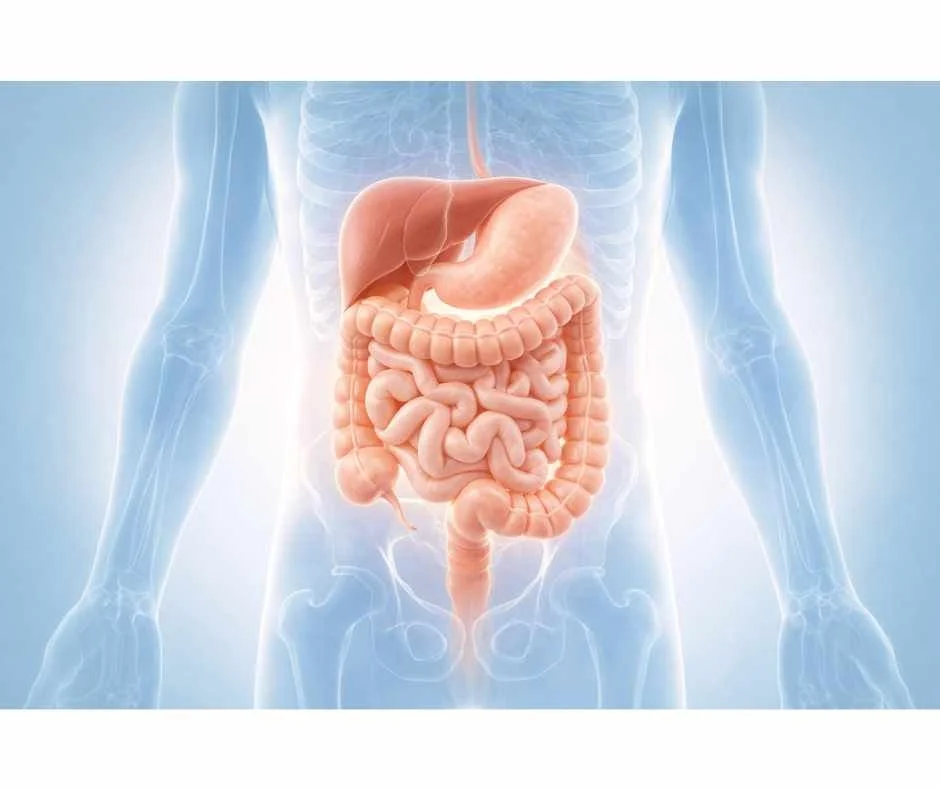
Gut health is about far more than digestion. Your gastrointestinal tract is one of the body’s central control systems, influencing immune balance, inflammation, metabolism, hormone regulation, detoxification, and even how your nervous system responds to stress (1).
Because so many essential processes converge in the gut, problems here rarely stay limited to bloating or reflux. Research shows that chronic inflammation, autoimmune conditions, metabolic issues, mood changes, and persistent fatigue often share an upstream contributor: disrupted gut function (2).
From a functional and integrative medicine perspective, gut health is foundational because it governs how the body interprets and responds to its environment—what it absorbs, what it tolerates, what it reacts to, and what it is able to eliminate efficiently. When digestion, barrier integrity, microbial balance, and immune signaling lose coordination, the result is not simply “gut symptoms,” but a shift toward systemic inflammatory load.
This article explores how digestion, intestinal barrier integrity, microbial balance, immune regulation, and nervous system communication work together to maintain stability—and how subtle breakdowns in these systems can contribute to chronic inflammatory patterns that affect the entire body.
What Is Gut Health?
Gut health refers to how well your digestive system performs five essential functions: breaking down food, absorbing nutrients, maintaining a strong intestinal barrier, supporting a balanced microbiome, and regulating immune responses. When these systems work together effectively, inflammation stays controlled and the body is better able to adapt, recover, and maintain resilience. Chronic gut inflammation often develops when one or more of these regulatory functions becomes strained.
How the Gut Interacts with Food, Microbes, and Toxins
Your gut is not just a digestive organ — it is the body’s primary interface with the outside world. Every day, it evaluates and processes everything you eat, drink, inhale, and even produce internally.
Unlike most organs, the gastrointestinal tract is in constant contact with the external environment. It must assess, process, or eliminate a changing mix of nutrients, microbes, environmental chemicals, medications, and metabolic waste — all in real time (3).
This ongoing exposure places continuous demand on digestion, immune signaling, intestinal barrier integrity, detoxification pathways, and microbial balance (4). When this demand exceeds regulatory capacity, gut health begins to decline and low-grade inflammatory signaling can increase — even in the absence of obvious digestive symptoms.
What Affects Gut Health Every Day?
On a daily basis, the gastrointestinal tract is exposed to:
Dietary proteins, fats, carbohydrates, and food additives that require precise enzymatic breakdown to prevent immune activation (5)
Commensal and pathogenic microorganisms that actively influence immune signaling, tolerance, and inflammatory tone (6)
Environmental toxins and xenobiotics introduced through food, water, and air that must be metabolized or eliminated (7)
Medications and endogenous metabolic byproducts that interact with the microbiome and intestinal barrier (8)
These inputs are biologically active — not neutral. How effectively the gut processes them determines whether they support physiological balance or contribute to chronic gut inflammation and systemic immune stress (9).
Why this matters:
Repeated daily exposures that are not properly processed can gradually increase gut inflammation and immune activation — often long before noticeable digestive symptoms appear.
The 3 Core Functions of Gut Health That Regulate Inflammation and Immunity
Most of the time, gut health operates quietly in the background. It processes an enormous amount of information every day—food, microbes, chemicals—without drawing attention to itself. When things are working well, we don’t think about digestion, immunity, or inflammation at all.
To manage this constant exposure without triggering unnecessary immune responses, the gut relies on three closely coordinated regulatory functions. Problems arise not when one system fails catastrophically, but when small inefficiencies across these core functions accumulate over time and gradually increase inflammatory burden.
1. Efficient Digestion and Absorption: The First Step in Preventing Gut Inflammation
Digestion is often thought of as a mechanical process, but it also plays a critical role in immune regulation. When food is properly digested, it is broken down into forms the body can absorb without provoking an immune response.
When digestive capacity is reduced, gut health begins to decline. Partially digested food particles move further down the gastrointestinal tract. This increases microbial fermentation and places additional demand on the immune system, contributing to low-grade gut inflammation and immune activation—even in people who do not feel overt digestive discomfort (10).
This helps explain why chronic inflammation can build quietly, long before digestion feels “off.”
2. Intestinal Barrier Integrity and Intestinal Permeability
The intestinal lining functions as a highly selective filter. It must allow nutrients through while keeping larger food fragments, microbial byproducts, and inflammatory compounds contained within the gut.
When this barrier loses precision, intestinal permeability increases beyond its intended range. This allows more immune exposure than the system is designed to handle, which has been associated with chronic immune activation, systemic inflammation, and autoimmune patterns throughout the body (11).
Importantly, barrier disruption does not always cause noticeable gut symptoms, which is why it is so often overlooked.
3. Immune Regulation and Tolerance in the Gut
A large portion of the immune system resides within the gut, where it constantly evaluates what passes through the digestive tract. Its job is not to react to everything, but to decide what can be safely tolerated and what requires a defensive response.
When this discrimination process becomes impaired, immune regulation shifts and the immune system may begin reacting too strongly or too often. Over time, this shift can contribute to hypersensitivity reactions, autoimmune patterns, or persistent low-grade inflammation and chronic gut inflammation rather than balanced immune tolerance (12).
This is one of the key reasons gut dysfunction can influence conditions that seem unrelated to digestion.
Why These Core Gut Functions Determine Chronic Inflammation Risk
These three processes—digestion, barrier regulation, and immune discrimination—do not operate independently. When one becomes strained, the others must compensate. Over time, this increased workload can push gut health toward chronic inflammation rather than stability.
Understanding these core functions helps clarify why gut health is not just about digestive symptoms, but about how the body regulates inflammation, immunity, and metabolic stability under constant environmental pressure.
How Gut Health Influences Inflammation and Whole-Body Health
These three core functions of gut health—digestion, barrier regulation, and immune control—do not operate in isolation. When one becomes strained, the others are forced to compensate. Rather than resolving the problem, this compensation often creates reinforcing feedback loops that increase overall physiological stress and inflammatory burden (13).
For example, when digestion becomes less efficient, the intestinal barrier is placed under greater strain. As barrier regulation weakens, immune signaling becomes more reactive and less precise. Over time, this pattern shifts the body toward chronic inflammation and immune dysregulation rather than balance and repair.
The resulting inflammatory burden can express itself throughout the body, contributing to metabolic dysfunction, autoimmune disease patterns, neurological symptoms, and hormone imbalance—even when gastrointestinal symptoms are minimal or absent (14).
This helps explain why gut dysfunction so rarely presents as a purely digestive issue. Instead, gut dysfunction often acts as a central driver of multisystem inflammation, shaping disease risk and chronic symptom patterns across seemingly unrelated body systems (15).
Why Digestive Function Is the First Step in Preventing Gut Inflammation
Digestion is often thought of simply as the process of extracting nutrients from food, but its role in gut health is far more protective than that. Effective digestion acts as the body’s first line of defense, reducing antigen exposure and determining how much work the immune system and gut microbiome must perform with every meal (3).
When digestion is functioning well, food is broken down thoroughly and absorbed efficiently, allowing nutrients to pass quietly through the system without triggering unnecessary immune responses. When digestive capacity is reduced, however, proteins, fats, and carbohydrates may remain only partially digested as they move through the intestine. This creates more opportunity for microbial fermentation, gas production, mucosal irritation, and immune activation—often long before gut inflammation becomes obvious (4).
For this reason, digestive insufficiency is often an upstream driver of dysbiosis, gut inflammation, and chronic immune activation. Addressing digestion early can reduce downstream immune stress and help restore balance before more overt symptoms develop.
Digestive protection unfolds in a coordinated sequence, beginning in the stomach and continuing through enzymatic breakdown and bile-mediated regulation in the small intestine.
Gastric Acid Production and Its Role in Preventing Bacterial Overgrowth
Stomach acid plays a critical but often underappreciated role in gut protection. In addition to initiating digestion, adequate hydrochloric acid serves as the first line of defense against ingested microbes, reducing microbial load before it ever reaches the small intestine or immune tissue (5).
Physiologically, gastric acid initiates protein digestion, activates pepsin, supports mineral absorption, and limits the survival of bacteria, parasites, and other organisms introduced through food and water. When this step functions properly, it reduces both digestive strain and downstream immune workload.
When stomach acid is reduced—whether due to chronic stress, aging, medication use, or impaired vagal signaling—the downstream effects can be significant. Low stomach acid has been associated with increased susceptibility to bacterial overgrowth, impaired nutrient absorption, and greater immune exposure to partially digested food components (6).
In this context, digestion shifts out of the stomach and into the small intestine, where incomplete breakdown and increased microbial survival promote fermentation and immune activation rather than resolution.
Pancreatic Enzyme Insufficiency and Gut Inflammation
Once food leaves the stomach, pancreatic enzymes take over the final and most important stages of digestion. Proteases, lipases, and amylases help break proteins, fats, and carbohydrates into forms the body can actually absorb before they reach the lower intestine, where immune activity is highest (7).
When enzyme output is low—whether from chronic stress, ongoing inflammation, poor bile flow, gallbladder issues, or disrupted digestive signaling—food is not fully broken down. Instead, partially digested nutrients move through the intestine, where they are more likely to ferment and interact with the immune system (8).
This increases what is known as antigen load: the amount of food material the immune system must evaluate and respond to. When antigen load increases, immune activation within the gut becomes more likely, contributing to low-grade gut inflammation over time. Over time, repeated exposure to poorly digested food particles can irritate the gut lining, contribute to gas and discomfort, and place ongoing strain on immune regulation. Even in people without a formal digestive diagnosis, this pattern can quietly promote microbial imbalance and low-grade inflammation beneath the surface.
Bile Flow, Fat Digestion, and Inflammation
Bile is often discussed only in the context of fat digestion, but its role in gut health extends much further. Beyond emulsifying dietary fats and supporting the absorption of fat-soluble vitamins, bile acids actively help regulate microbial balance, inflammatory signaling, and detoxification processes within the gut (9).
When bile flow is reduced—whether due to gallbladder dysfunction, liver congestion, or metabolic stress—the downstream effects are not limited to digestion. Changes in bile availability can alter microbial populations, weaken barrier integrity, and slow the efficient elimination of toxins and hormones. Over time, these shifts have been associated with increased inflammatory signaling along the gut–liver axis and rising systemic inflammatory burden (10).
Because bile acids also act as metabolic and immune signaling molecules, disruption in bile dynamics can influence inflammation well beyond the digestive tract itself. This helps explain why bile flow issues may contribute to systemic symptoms, even when classic digestive complaints are subtle or intermittent.
Why Digestive Function Matters for Chronic Inflammation
Together, gastric acid production, enzyme output, and bile flow form an integrated digestive defense system. When one component is compromised, the burden is transferred to the immune system and microbiota, increasing the likelihood of chronic gut inflammation rather than quiet immune tolerance.
This is why restoring digestive function is often a necessary foundation for reducing gut-driven inflammation and supporting long-term immune balance, metabolic resilience, and reduced inflammatory burden.
Why Digestive Insufficiency Drives Chronic Gut Inflammation
Digestive insufficiency is frequently overlooked because it does not always present with obvious gastrointestinal symptoms or classic signs of poor gut health. Many individuals experience little to no bloating, pain, or digestive discomfort, despite incomplete digestion of dietary proteins, fats, and carbohydrates (11).
Under normal conditions, digestion breaks complex food molecules into smaller, absorbable components that can be handled efficiently without drawing unnecessary immune or microbial attention.
How Incomplete Digestion Triggers Gut Inflammation
When digestive capacity is impaired, larger, partially digested food components persist within the gastrointestinal tract, increasing antigen load and immune exposure. This increases exposure of the gut-associated immune system to material it is not designed to repeatedly manage, alters microbial activity, and promotes fermentation and immune activation—even when digestion feels relatively normal. Over time, this pattern shifts immune signaling away from tolerance and toward chronic gut inflammation and immune dysregulation.
Because of this, the consequences of inadequate digestion often appear outside the gastrointestinal tract. These may include nutrient insufficiency, immune dysregulation, chronic inflammatory conditions (such as joint pain or fibromyalgia), metabolic strain, and systemic symptoms such as fatigue, brain fog, skin changes, or hormone imbalance (12).
For this reason, digestive insufficiency is commonly missed unless evaluated within a broader, systems-based functional medicine framework that considers immune, metabolic, and inflammatory patterns alongside gastrointestinal physiology.
What Is the Intestinal Barrier and How Does It Affect Gut Inflammation?
The intestinal lining is remarkably thin—just a single layer of epithelial cells—yet it plays an outsized role in regulating immune balance. These cells are connected by tight junction proteins that regulate what is allowed to pass from the gut into circulation and what must remain contained — a process known as intestinal permeability (7).
Under healthy conditions, this barrier functions with precision. Nutrients are absorbed efficiently, while larger food fragments, microbial byproducts, and inflammatory compounds are kept at a distance from immune tissue. This separation allows the immune system to remain calm and tolerant rather than constantly reactive.
When this regulation is intact, gut inflammation remains controlled and immune balance is preserved.
Problems arise when the barrier begins to lose that precision. When intestinal permeability increases beyond its intended range, immune cells within the gut wall are exposed more frequently to material they were never meant to encounter directly. This does not always cause immediate digestive symptoms, but it does shift immune signaling away from tolerance and toward activation.
This repeated exposure can sustain chronic inflammatory responses rather than allowing them to resolve appropriately. This helps explain how barrier dysfunction can contribute to chronic gut inflammation, systemic inflammation, and immune dysregulation, even in individuals who do not feel overt gastrointestinal distress (8).
How Increased Intestinal Permeability Promotes Chronic Inflammation
Intestinal barrier integrity is not fixed. It is dynamic and responsive to both internal physiology and external exposures, which means it can adapt—or deteriorate—over time depending on the signals it receives.
In clinical practice, barrier disruption rarely has a single cause. Instead, it reflects the cumulative effect of repeated stressors that gradually erode tight junction regulation and epithelial resilience.
Common contributors include:
Chronic psychological or physiological stress, particularly when stress signaling remains elevated and cortisol regulation becomes impaired
Dietary patterns high in ultra-processed foods, additives, and inflammatory fats that challenge barrier repair and immune tolerance
Certain medications, including nonsteroidal anti-inflammatory drugs (NSAIDs) and antibiotics, which can alter epithelial integrity and microbial balance
Acute or chronic infections and ongoing microbial imbalance that place sustained demand on the barrier
Environmental chemical exposures and xenobiotics that increase detoxification burden and inflammatory signaling
Individually, these factors may appear manageable. Over time, however, repeated or overlapping exposure can progressively weaken barrier regulation. This increases immune workload and inflammatory signaling, even in people who report few—or no—digestive symptoms.
This cumulative pattern helps explain why barrier dysfunction often develops quietly and why it is so frequently missed when evaluation focuses only on gastrointestinal complaints rather than broader immune and inflammatory context.
How Intestinal Permeability Drives Systemic Inflammation
Barrier dysfunction is not a diagnosis in itself, but a process—one that gradually shifts how the immune system behaves. When intestinal permeability increases, the immune system is asked to respond more often and more intensely to material that would normally remain contained within the gut.
This repeated exposure rarely triggers a single, dramatic immune response. Instead, it keeps immune signaling subtly elevated, day after day. Over time, this low-grade but persistent activation promotes chronic inflammatory signaling rather than resolution and repair.
Research has linked this pattern to the development and persistence of a wide range of inflammatory and autoimmune conditions, many of which present far beyond the gastrointestinal tract (9). In these cases, the gut is not the site of symptoms—but it remains a key driver of immune stress.
For this reason, supporting intestinal barrier integrity is a critical component of restoring immune balance. Within a systems-based approach to gut health, improving barrier regulation helps reduce unnecessary immune activation, chronic gut inflammation, and overall systemic inflammatory burden throughout the body.
How the Gut Microbiome Influences Gut Inflammation and Immune Regulation
The gut microbiome is often discussed as a collection of bacteria, but functionally it behaves more like a metabolically active organ — one that continuously influences gut health, digestion, immune signaling, hormone metabolism, and inflammatory regulation (10).
What Happens When the Gut Microbiome Becomes Imbalanced?
When microbial balance is healthy, these organisms support digestion by fermenting dietary fibers into short-chain fatty acids, help regulate immune tolerance, participate in neurotransmitter precursor production, influence estrogen and hormone metabolism, and interact closely with detoxification pathways. Much of this work happens quietly, without producing symptoms.
Problems arise when microbial balance shifts. Loss of microbial diversity or overrepresentation of pro-inflammatory species has been associated with increased intestinal permeability, heightened immune activation, chronic gut inflammation, and inflammatory disease patterns (11). These changes do not necessarily cause immediate digestive distress, but they do alter how the immune system and barrier function behave over time.
Importantly, dysbiosis is rarely random. In clinical practice, it reflects the cumulative influence of diet quality, stress physiology, medication exposure, infections, and environmental context rather than a single isolated trigger. Understanding this helps explain why microbiome imbalances often persist until the broader system supporting gut health is addressed. When microbial balance is not restored, chronic inflammation and immune dysregulation often continue beneath the surface.
How the Gut and Immune System Work Together
A significant portion of the immune system is embedded directly within the gut. This gut-associated lymphoid tissue (GALT) acts as a continuous monitoring system, evaluating what passes through the digestive tract and deciding—moment by moment—whether the appropriate response is tolerance or defense (12).
When this communication is working well, the immune system remains calm, responsive, and proportionate. It reacts to true threats while ignoring harmless inputs. When signaling becomes distorted, however, immune responses lose precision. Rather than resolving challenges efficiently, the system may remain partially activated or respond inappropriately.
Over time, this shift can express itself as chronic low-grade inflammation, chronic gut inflammation, autoimmune activation, or hypersensitivity reactions. These patterns often develop gradually and may not be recognized as immune-related until dysfunction is well established.
For this reason, a systems-based approach does not aim to suppress immune activity. Instead, it asks why immune regulation within the gut has been lost and which upstream factors are driving persistent inflammation (13).
How the Gut–Brain Axis Influences Anxiety, Stress, and Inflammation
The gut and brain are in constant two-way communication. Signals move back and forth through neural pathways such as the vagus nerve, immune messengers, microbial metabolites, and hormonal signaling systems — coordinating digestion, mood, energy, stress responses, and inflammatory regulation (14).
When this communication is balanced, the nervous system supports healthy digestion and the gut sends calming feedback to the brain. When gut function becomes strained, however, those signals change.This helps explain why gut dysfunction and chronic gut inflammation are so often linked with anxiety, low mood, brain fog, disrupted sleep, and reduced stress tolerance—even when digestion itself does not feel severely impaired.
How Chronic Stress Disrupts Gut Health
The relationship also works in the opposite direction. Chronic psychological or physiological stress alters gut motility, increases intestinal permeability, weakens barrier regulation, and shifts microbial balance. Over time, this creates a self-reinforcing loop in which nervous system stress disrupts gut physiology, and gut dysfunction further amplifies stress signaling (15).
This bidirectional loop is a key reason gut health cannot be separated from nervous system regulation. Supporting one without addressing the other often limits long-term improvement and allows chronic inflammation to persist.
How Gut Health Affects Hormone Balance and Detoxification
The gut plays a quiet but influential role in hormone balance, estrogen metabolism, and how the body clears metabolic waste. Much of this work happens behind the scenes, which is why gut-related contributors to hormone imbalance or toxic burden are often overlooked (16).
Within the gut, microbial enzymes within the gut microbiome help regulate how hormones—particularly estrogen—are metabolized and recycled. At the same time, bile acids serve as a primary route for eliminating metabolic byproducts, excess hormones, and environmental toxins through the digestive tract. When these elimination pathways function well, hormonal signaling remains more stable and inflammatory load is kept in check.
What Happens When Gut Detoxification Is Impaired?
When gut elimination is compromised, however, these processes become less efficient. Hormones that should be cleared may be reabsorbed, metabolic waste can accumulate, and chronic inflammatory signaling increases and gut inflammation may persist. Over time, this can contribute to hormone imbalance, metabolic strain, and a higher overall systemic inflammatory burden throughout the body.
This connection helps explain why restoring gut health is often a necessary step in addressing hormonal dysregulation, metabolic dysfunction, estrogen dominance patterns, and chronic inflammatory illness—particularly when these issues persist despite otherwise appropriate interventions.
→ Hormone & Metabolic Optimization
How Diet, Lifestyle, and Environmental Toxins Affect Gut Health
How Daily Exposures Influence Gut Health
Gut health is shaped less by isolated events and more by what the body is exposed to day after day. Diet, lifestyle patterns, medications, and environmental factors continually influence microbial balance, intestinal barrier integrity, immune signaling, and digestive rhythms over time (17). When these inputs remain supportive, the gut maintains resilience. When they accumulate in a dysregulating direction, dysfunction can gradually emerge. Over time, this cumulative burden can increase gut inflammation and weaken intestinal barrier integrity.
Food Quality, the Gut Microbiome, and Inflammation
Food quality plays a central role in gut regulation. What and how we eat influences microbial diversity, short-chain fatty acid production, and the integrity of the intestinal lining. Diets low in nutrient density or high in refined carbohydrates and alcohol can impair mucosal immunity and increase intestinal permeability, weakening the gut’s protective barrier. Over time, these shifts can contribute to chronic gut inflammation, intestinal permeability, and altered immune responsiveness.
Environmental Toxins and Endocrine Disruptors That Disrupt Gut Health
Endocrine-disrupting chemicals present in food packaging, personal care products, and household environments represent another underappreciated influence on gut health. These compounds can interfere with hormone signaling, immune regulation, and microbial communication in subtle but meaningful ways. Because exposure is often continuous and low-level, their impact is easy to underestimate when viewed in isolation, yet significant when considered cumulatively. These exposures may also increase systemic inflammatory burden and disrupt hormone balance through gut-mediated pathways.
How Medications Disrupt the Gut Microbiome and Barrier Function
Medications are an important and frequently overlooked contributor to gut imbalance. Antibiotics, acid-suppressing drugs, non-steroidal anti-inflammatory medications, and certain hormonal therapies can alter digestive secretions, microbial composition, and barrier function. While these medications are often necessary and appropriate, their effects on gut regulation may persist long after use has ended, helping explain why symptoms sometimes develop gradually rather than immediately. Long-term medication exposure can therefore contribute to chronic gut inflammation and microbiome imbalance.
Food Additives, Pesticides, and Their Impact on Gut Inflammation
Modern food exposures also influence gut integrity. Emulsifiers, preservatives, pesticide residues, and other food-associated chemicals—common in processed foods and industrial agriculture—can disrupt microbial balance and immune signaling over time. These exposures are typically low-dose but chronic, making their effects difficult to detect in the short term yet meaningful in the context of long-term gut health.
Circadian Rhythm, Sleep Disruption, and Gut Inflammation
Circadian rhythm plays a critical role in digestive regulation. Disrupted sleep–wake cycles, irregular meal timing, and chronic circadian misalignment impair digestive enzyme secretion, intestinal motility, and immune coordination. Over time, these disruptions place additional stress on gut regulatory systems and reduce adaptive capacity. Chronic sleep disruption has also been associated with increased intestinal permeability and inflammatory signaling.
Why Gut Dysfunction Is Rarely Caused by a Single Trigger
Gut dysfunction rarely develops from a single event or exposure. More often, it reflects the cumulative effect of repeated, chronic inputs that gradually overwhelm regulatory capacity. Understanding this systems-based progression helps shift the focus away from quick fixes or blame and toward restoring balance across the interconnected factors that support long-term gut resilience.
Why Gut Health Requires a Functional Medicine Approach to Chronic Inflammation
Symptom-focused care often provides short-term relief, but it rarely restores the body’s ability to regulate inflammation and gut health at the root level. When treatment is aimed only at suppressing symptoms, the underlying drivers of dysfunction—digestive strain, immune overload, or nervous system imbalance—often remain unchanged.
A systems-based approach looks at how the gut is functioning as a whole rather than isolating a single complaint. This includes evaluating digestive efficiency, intestinal barrier integrity, gut microbiome balance, immune signaling, and nervous system regulation as interconnected processes. When one area is strained, the others are inevitably affected. This approach helps identify the upstream contributors to chronic gut inflammation rather than focusing only on downstream symptoms.
Viewing gut health through this lens allows care to be sequenced and personalized rather than reactive. Instead of chasing symptoms as they appear, interventions can be prioritized based on which regulatory systems are driving persistent inflammation or immune dysregulation and which supports are most likely to restore balance first (18).
This framework forms the foundation of how care is approached within a gut-focused, systems-based model.
→ Gut Health & Digestive Restoration
When Deeper Evaluation Is Warranted
In many cases, gut-related dysfunction becomes apparent not through a single symptom, but through patterns that persist or don’t fully resolve. Ongoing digestive issues, food reactivity, autoimmune tendencies, chronic fatigue, unexplained gut inflammation, or systemic inflammatory symptoms often signal that regulatory systems within the gut are under strain.
When symptoms are recurrent, multifaceted, or seem out of proportion to routine findings, a more comprehensive evaluation can be helpful. Rather than looking for a single diagnosis, advanced assessment aims to clarify where regulation has broken down and which systems are carrying the greatest load.
Depending on the individual, this may include functional stool analysis to assess digestion, intestinal permeability, and gut microbiome balance, inflammatory and immune markers to evaluate signaling patterns, nutrient status testing to identify absorption or utilization issues, and review of environmental exposures that may be contributing to ongoing stress on gut physiology.
Identifying these factors earlier allows intervention to be more precise and sequenced appropriately, often reducing the likelihood that gut-related dysfunction progresses into more complex or entrenched chronic disease patterns (19).
Restoring Gut Health as a Stabilizing System
Gut health is not about perfection, restriction, or rigid protocols. It is about restoring adaptive capacity—the body’s ability to sense, respond, and regulate effectively in the face of ongoing internal and external demands.
When digestion, intestinal barrier integrity, microbial balance, immune tolerance, and nervous system regulation are supported together, the gut no longer functions as a source of chronic physiological strain. Instead, it becomes a stabilizing system—one that lowers chronic inflammatory load, reduces gut inflammation, and supports metabolic and immune resilience, and allows other organ systems to function more efficiently and with less compensatory stress (20).
This systems-based perspective reframes gut health away from short-term symptom control and toward long-term regulation. Rather than attempting to override or control the body, the focus shifts to restoring the foundational conditions that allow physiological self-correction and sustained resilience.
If chronic inflammation, digestive issues, hormone imbalance, or unexplained symptoms persist, a root-cause evaluation of gut health may be an important next step.
You may request a free 15-minute consultation with Dr. Martina Sturm to review your health concerns and outline appropriate next steps within a root-cause, systems-based framework.
Key Clinical Insights on Gut Health
Gut health regulates far more than digestion — it influences immune balance, hormone metabolism, nervous system signaling, and systemic inflammation.
Chronic gut inflammation often develops before obvious digestive symptoms appear.
Intestinal permeability increases immune exposure and can drive systemic inflammatory patterns.
The gut microbiome plays a central role in immune regulation, hormone balance, and inflammatory control.
Digestive insufficiency increases antigen load and can quietly promote chronic immune activation.
Environmental toxins, medications, chronic stress, and ultra-processed foods cumulatively strain gut regulation.
A functional medicine approach addresses upstream contributors to inflammation rather than suppressing downstream symptoms.
Frequently Asked Questions About Gut Health and Inflammation
What are the most common signs of poor gut health?
Common signs of poor gut health include bloating, gas, constipation, diarrhea, food sensitivities, fatigue, brain fog, anxiety, skin changes, and unexplained inflammation. Some individuals experience minimal digestive symptoms while still having significant immune or inflammatory imbalance.
Can poor gut health cause chronic inflammation?
Yes. When digestion, intestinal barrier integrity, or gut microbiome balance is disrupted, immune activation can increase. Over time, this may lead to chronic gut inflammation and systemic inflammatory burden affecting multiple body systems.
What is intestinal permeability?
Intestinal permeability refers to how tightly the intestinal lining controls what passes into circulation. When permeability increases beyond its intended range, immune exposure rises and chronic inflammation can develop—even without obvious digestive symptoms.
How does the gut microbiome affect the immune system?
The gut microbiome interacts directly with immune cells in the intestinal lining. A balanced microbiome supports immune tolerance and inflammatory regulation, while dysbiosis can contribute to immune dysregulation and chronic inflammatory patterns.
Can gut inflammation cause anxiety or brain fog?
Yes. Through the gut–brain axis, inflammation in the digestive tract can influence mood, stress tolerance, sleep quality, and cognitive clarity. Chronic gut inflammation has been associated with anxiety, low mood, and brain fog.
How does gut health affect hormone balance?
The gut helps metabolize and eliminate hormones, particularly estrogen. When gut detoxification or microbial balance is impaired, hormones may be reabsorbed rather than cleared, contributing to hormone imbalance and increased inflammatory burden.
What causes gut inflammation?
Gut inflammation may be driven by poor digestion, intestinal permeability, microbiome imbalance, chronic stress, medication use, ultra-processed foods, environmental toxins, infections, or cumulative inflammatory exposures over time.
Is gut dysfunction always associated with digestive symptoms?
No. Gut dysfunction often presents with systemic symptoms such as fatigue, joint pain, autoimmune tendencies, hormone imbalance, or chronic inflammation—even when digestive symptoms are mild or absent.
How long does it take to restore gut health?
Timelines vary depending on severity, underlying contributors, and overall inflammatory load. Some improvements may occur within weeks, while full restoration of gut regulation often requires a phased, systems-based approach.
When should someone consider a comprehensive gut evaluation?
A deeper evaluation may be appropriate when symptoms are persistent, multifaceted, or resistant to standard interventions. Chronic inflammation, autoimmune patterns, unexplained fatigue, or recurrent digestive issues often indicate that broader gut regulation needs assessment.
Still Have Questions?
If the topics above reflect ongoing symptoms or unanswered concerns, a brief conversation can help clarify whether a root-cause approach is appropriate.
Resources
Nature Reviews Gastroenterology & Hepatology – The gastrointestinal tract as a regulatory organ
Cell – Host–microbiome interactions in health and disease
Physiological Reviews – Digestive physiology and enzyme regulation
American Journal of Physiology – Gastric acid and host defense
Pancreatology – Enzyme insufficiency and malabsorption
Journal of Hepatology – Bile acids and metabolic signaling
Nature Reviews Immunology – Intestinal epithelial barrier function
Frontiers in Immunology – Permeability and immune activation
Clinical Reviews in Allergy & Immunology – Gut inflammation mechanisms
Trends in Endocrinology & Metabolism – Microbiome–host interactions
Nature Medicine – Microbial diversity and chronic disease
Gut – Gut-associated lymphoid tissue
Annual Review of Immunology – Immune tolerance and chronic inflammation
Neurogastroenterology & Motility – Gut–brain communication
Psychoneuroendocrinology – Stress effects on gut physiology
Endocrine Reviews – Hormone metabolism and the microbiome
Environmental Health Perspectives – Environmental inputs and gut integrity
Journal of Functional Medicine – Systems-based gut care models
Clinical Gastroenterology and Hepatology – Advanced gut diagnostics
The Lancet Gastroenterology & Hepatology – Gut health and disease prevention