

The Four Types of PCOS: Causes, Symptoms, and How They Differ
How insulin resistance, inflammation, adrenal stress signaling, and hormonal suppression drive different types of PCOS
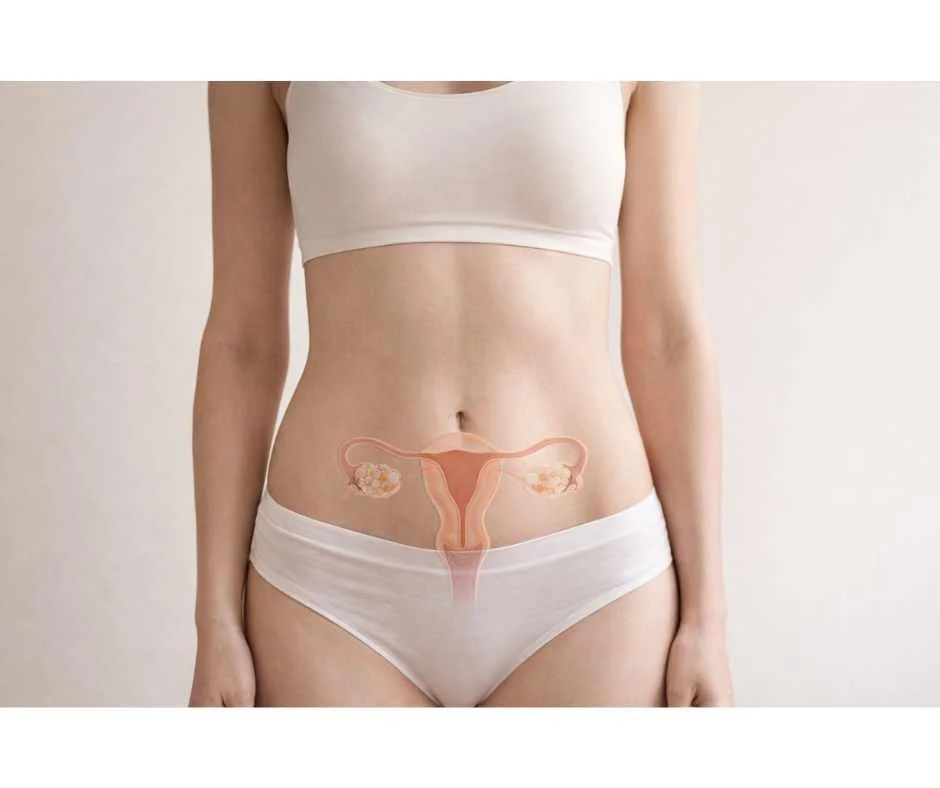
Polycystic Ovary Syndrome (PCOS) is not a single condition with a single cause. It is a complex endocrine syndrome characterized by a group of symptoms that arise from different underlying biological drivers. Because of this, two women with the same diagnosis may experience very different symptoms, responses to treatment, and long-term health outcomes (1).
PCOS is often described as a hormonal disorder, but it is more accurately understood as a condition involving disrupted communication between several regulatory systems in the body—including the brain, ovaries, metabolism, immune signaling, and the stress response (2). Across all presentations of PCOS, excess androgen activity and impaired ovulation are central features. What varies is the underlying biology that drives those disruptions.
Research increasingly recognizes PCOS as a heterogeneous condition with multiple biological pathways, rather than a single uniform disease (3). These pathways tend to cluster into recognizable physiological patterns based on dominant drivers such as insulin resistance, chronic inflammation, adrenal stress signaling, or hormonal suppression following birth control use (4).
Because of this complexity, PCOS symptoms often look similar on the surface—such as irregular menstrual cycles, acne, hair changes, or fertility challenges—even though the underlying physiology causing those symptoms may be very different. This helps explain why an approach that improves symptoms for one person with PCOS may have little effect for someone else (5).
Without identifying the dominant physiological driver, care often focuses on suppressing symptoms rather than restoring the regulatory systems responsible for ovulation and hormone balance.
In clinical practice, PCOS rarely presents as a single uniform condition. Patients frequently arrive with similar diagnoses but very different metabolic, inflammatory, or hormonal drivers. Recognizing these patterns helps explain why symptoms develop and why certain treatment approaches work for some individuals while others see little improvement.
The four commonly recognized physiological patterns of PCOS are outlined below.
What Are the Four Types of PCOS?
The four commonly recognized types of PCOS are insulin-resistant PCOS, inflammatory PCOS, adrenal PCOS, and post-birth-control PCOS. These categories reflect different biological drivers that influence androgen production, ovulation, and hormone balance.
The four types of PCOS include:
Insulin-resistant PCOS – driven primarily by impaired insulin signaling and metabolic dysfunction
Inflammatory PCOS – associated with chronic low-grade inflammation affecting hormone regulation
Adrenal PCOS – linked to elevated adrenal androgens such as DHEA-S and stress-related hormone signaling
Post-birth-control PCOS – symptoms that emerge after discontinuing hormonal contraception due to delayed recovery of ovulatory signaling
Although symptoms may overlap, identifying the dominant driver can help explain why PCOS develops and why treatment responses differ.
The sections below explore how each PCOS type develops and the symptoms most commonly associated with each pattern.
What Is PCOS?
PCOS Is a Syndrome, Not a Single Disease
Polycystic ovary syndrome (PCOS) is best understood as a syndrome rather than a single disease. A syndrome describes a group of signs and symptoms that tend to occur together but may arise from different underlying biological causes (1). This distinction is important because it explains why PCOS can look very different from one person to another.
For some women, PCOS is primarily driven by metabolic dysfunction such as insulin resistance. For others, inflammation, stress physiology, or hormonal suppression may play a larger role. Even though the underlying drivers vary, the outward symptoms often appear similar.
Rather than resulting from a single malfunction, PCOS develops when communication between several regulatory systems becomes disrupted. These systems include the brain, ovaries, metabolism, immune signaling, and the stress response. When these systems fall out of balance, hormonal regulation becomes more difficult to maintain.
Because different biological drivers can converge on similar symptoms, understanding PCOS requires looking beyond symptoms alone and considering the underlying physiology influencing hormone balance.
The Two Core Features of PCOS: Androgen Excess and Ovulatory Dysfunction
Despite the different ways PCOS can develop, two biological features are central to the condition: excess androgen activity and impaired ovulation.
Androgens are often referred to as male hormones, but they are normally present in women in small amounts. In PCOS, androgen signaling becomes elevated relative to what the body can regulate effectively. This increase in androgen activity contributes to common symptoms such as acne, excess facial or body hair, scalp hair thinning, and irregular menstrual cycles (2).
The second defining feature is ovulatory dysfunction. In a typical menstrual cycle, the brain and ovaries communicate through a carefully coordinated series of hormonal signals that allow an egg to mature and be released. In PCOS, this communication is often disrupted, which can lead to infrequent, irregular, or absent ovulation (3).
When ovulation does not occur regularly, menstrual cycles become unpredictable and fertility may be affected. Over time, this disruption in ovulatory signaling can also influence other aspects of hormonal balance.
PCOS Is Not Caused by Ovarian Cysts or a Single Lifestyle Factor
Despite the name, PCOS is not simply a condition defined by ovarian cysts. The small structures often seen on ultrasound are actually immature ovarian follicles rather than true cysts.
Many individuals with polycystic-appearing ovaries on ultrasound do not have hormonal imbalance or PCOS. At the same time, many people diagnosed with PCOS may have normal-appearing ovaries on imaging (4). For this reason, ultrasound findings alone cannot determine whether someone has PCOS.
PCOS is also not caused by a single lifestyle factor or one isolated habit. While nutrition, physical activity, and metabolic health can influence symptoms, research increasingly shows that PCOS develops through multiple interacting biological pathways, particularly those affecting androgen activity and ovulatory signaling (5).
Because of this complexity, PCOS does not present identically in all women, and no single explanation accounts for every case.
Why Understanding PCOS as a Syndrome Matters
Understanding what PCOS is—and what it is not—is important because it changes how the condition is interpreted. When PCOS is treated as a single uniform disorder, care often focuses on suppressing symptoms rather than identifying the biological drivers behind them.
Recognizing PCOS as a multi-system regulatory condition helps explain why symptoms can vary so widely between individuals and why responses to treatment differ.
This perspective also provides the foundation for recognizing the distinct physiological patterns discussed in the sections that follow.
How Is PCOS Diagnosed?
PCOS is diagnosed when specific patterns of hormone imbalance, ovulatory dysfunction, and ovarian morphology meet established medical criteria.
Diagnosing polycystic ovary syndrome (PCOS) involves looking at patterns across symptoms, hormone activity, and menstrual cycle behavior rather than relying on a single test. Because PCOS is a heterogeneous endocrine syndrome, no single laboratory marker can confirm the diagnosis on its own (1).
Instead, clinicians evaluate a combination of clinical signs, hormone levels, and menstrual cycle patterns while also ruling out other conditions that can produce similar symptoms.
PCOS Diagnosis Requires More Than a Single Test
Unlike some medical conditions that can be confirmed through one lab value, PCOS is diagnosed by recognizing a pattern of hormonal and reproductive changes.
These patterns reflect how several regulatory systems in the body are interacting, including:
the brain
the ovaries
metabolic signaling
endocrine hormone regulation
When communication between these systems becomes disrupted, hormonal balance and ovulation can become difficult to maintain.
Because PCOS can develop through several biological pathways, diagnosis focuses on the overall clinical picture rather than any single abnormal result.
The Two Main Signs Doctors Use to Diagnose PCOS
Across major medical guidelines, two biological features are central to PCOS:
Hyperandrogenism (excess androgen activity)
Ovulatory dysfunction
Hyperandrogenism may appear as elevated testosterone or related androgens on laboratory testing, or as visible signs such as persistent acne, excess facial or body hair (hirsutism), or scalp hair thinning (2).
Ovulatory dysfunction typically appears as irregular, infrequent, or absent menstrual cycles. In a typical cycle, the brain and ovaries communicate through a coordinated sequence of hormonal signals that allow an egg to mature and be released. In PCOS, this signaling often becomes disrupted, leading to unpredictable or absent ovulation (3).
Rotterdam Criteria: The Medical Guidelines Used to Diagnose PCOS
Most medical guidelines use the Rotterdam criteria to diagnose PCOS. According to these criteria, a diagnosis is made when two of the following three features are present:
Hyperandrogenism (clinical signs or laboratory evidence)
Ovulatory dysfunction or irregular menstrual cycles
Polycystic ovarian morphology on ultrasound
Before confirming the diagnosis, clinicians must also rule out other conditions that can mimic PCOS symptoms, such as:
thyroid disorders
elevated prolactin
congenital adrenal hyperplasia
androgen-secreting tumors
Because only two of the three criteria are required, PCOS can present in several different clinical phenotypes, which helps explain why symptoms vary significantly between individuals.
Why Ovarian Ultrasound Alone Cannot Diagnose PCOS
Despite the name, PCOS is not simply a condition defined by ovarian cysts. The small structures often seen on ultrasound are actually immature ovarian follicles rather than true cysts.
Many individuals with polycystic-appearing ovaries on imaging do not have hormonal imbalance or PCOS. At the same time, some women with clear androgen excess and ovulatory dysfunction may have normal ovarian imaging (4).
For this reason, ultrasound findings must always be interpreted alongside hormonal patterns and menstrual cycle behavior.
Why PCOS Symptoms Alone Cannot Confirm a Diagnosis
Symptoms such as irregular cycles, acne, weight changes, or fertility challenges can occur in many hormonal and metabolic conditions. On their own, these symptoms cannot confirm a diagnosis of PCOS.
PCOS is diagnosed when these symptoms occur together in a pattern consistent with hyperandrogenism and ovulatory dysfunction, and when other possible causes have been reasonably excluded (5).
Why Diagnosing PCOS Is Only the First Step
Receiving a PCOS diagnosis is often the beginning of understanding what is happening in the body rather than the final answer.
Because PCOS can develop through several different biological pathways—such as metabolic dysfunction, inflammation, adrenal stress signaling, or hormonal suppression—further evaluation is often needed to understand how the condition is presenting in a particular individual.
This becomes especially important when symptoms do not respond to generalized approaches or when hormonal suppression has masked underlying patterns.
Once PCOS is identified, the next step is not simply choosing a treatment, but understanding which physiological drivers are most involved.
Although PCOS shares common diagnostic features, the condition often presents in distinct patterns based on its dominant biological driver. The four most commonly recognized PCOS patterns are discussed in the sections below.
Understanding the Different Types of PCOS
Although PCOS shares common diagnostic features, the condition does not develop in the same way for every individual. Research and clinical observation show that PCOS can emerge through several distinct biological pathways, even when symptoms appear similar on the surface (1).
These pathways reflect different physiological drivers influencing androgen production, ovulation, and hormone regulation. In some individuals metabolic dysfunction such as insulin resistance plays the dominant role, while in others inflammation, adrenal stress signaling, or hormonal suppression may be more influential.
Understanding these differences helps explain why symptoms develop and why responses to treatment can vary between individuals.
The sections below explore the four commonly recognized types of PCOS and how each pattern affects hormone balance and ovulatory function.
Type 1: Insulin-Resistant PCOS
What Causes Insulin-Resistant PCOS?
Insulin-resistant PCOS is the most common type of PCOS, accounting for a large proportion of cases (1). In this pattern, disrupted insulin signaling becomes a primary driver of androgen excess and ovulatory dysfunction.
Insulin is the hormone responsible for helping glucose move from the bloodstream into cells where it can be used for energy. When cells become less responsive to insulin—a state known as insulin resistance—the body compensates by producing higher levels of insulin in order to maintain normal blood glucose levels (2).
Over time, this elevated insulin environment, known as hyperinsulinemia, begins to influence ovarian hormone production and disrupt the normal communication between the brain and ovaries that regulates ovulation.
→ Hormone & Metabolic Optimization
How Insulin Resistance Leads to Hormone Imbalance in PCOS
Insulin plays a direct role in ovarian hormone signaling. Elevated insulin levels stimulate the theca cells of the ovaries to produce more androgens, including testosterone (3).
At the same time, high insulin levels reduce the production of sex hormone-binding globulin (SHBG) in the liver. Lower SHBG levels allow more active androgens to circulate in the bloodstream, further amplifying hormonal imbalance.
Together, these effects increase androgen activity while disrupting ovulatory signaling. This helps explain why insulin-resistant PCOS is commonly associated with symptoms such as:
irregular or absent menstrual cycles
acne
excess facial or body hair
scalp hair thinning
fertility challenges
Over time, metabolic signaling and reproductive hormone regulation become increasingly intertwined.
How High Insulin Levels Increase Androgen Production
In insulin-resistant PCOS, the body often produces chronically elevated insulin levels (hyperinsulinemia) in an effort to maintain stable blood glucose.
High insulin levels directly stimulate the theca cells in the ovaries, increasing the production of androgens such as testosterone (6). At the same time, insulin suppresses the liver’s production of sex hormone-binding globulin (SHBG), a protein that normally binds circulating androgens.
When SHBG levels fall, more free (biologically active) testosterone remains available in the bloodstream. This combination—higher androgen production and lower SHBG—can significantly amplify androgen activity.
Over time, this hormonal environment disrupts ovulatory signaling and contributes to many of the symptoms associated with insulin-resistant PCOS.
Why Insulin Resistance in PCOS Is Often Missed
Insulin resistance can develop long before blood sugar levels become abnormal. Many individuals with insulin-resistant PCOS do not have diabetes and may even have laboratory glucose values that fall within standard reference ranges (4).
However, insulin levels themselves may already be elevated as the body works harder to keep blood sugar stable. This early metabolic disruption can still influence ovarian hormone production and ovulation even when routine screening appears normal.
Because of this, insulin-resistant PCOS can occur in individuals across a wide range of body sizes. While weight gain and abdominal fat distribution may be present in some cases, body weight alone does not determine whether insulin resistance is present (5).
The key issue is not simply blood glucose levels, but how effectively the body responds to insulin signaling over time.
Common Symptoms of Insulin-Resistant PCOS
Symptoms often associated with insulin-resistant PCOS include:
difficulty regulating weight
increased abdominal fat distribution
strong carbohydrate cravings
fatigue after meals
brain fog or difficulty concentrating
irregular menstrual cycles
These symptoms reflect underlying metabolic stress rather than a lack of willpower or simple caloric imbalance.
Why Metabolic Health Matters in Insulin-Resistant PCOS
In insulin-resistant PCOS, metabolic signaling plays a central role in hormonal imbalance. When insulin resistance drives androgen excess and ovulatory disruption, approaches that focus only on symptom suppression often provide limited or temporary relief.
Recognizing insulin resistance as the dominant driver helps explain why this PCOS pattern behaves differently from other types and why addressing metabolic signaling is often an important part of restoring hormonal regulation.
Type 2: Post-Birth-Control PCOS
What Is Post-Birth-Control PCOS?
Post-birth-control PCOS refers to a pattern in which symptoms associated with polycystic ovary syndrome appear or worsen after discontinuing hormonal contraception. In this type, the primary driver is hormonal suppression followed by delayed recovery of normal ovulatory signaling, rather than metabolic dysfunction such as insulin resistance (1).
Hormonal contraceptives work by suppressing ovulation and altering the communication between the hypothalamus, pituitary gland, and ovaries, often referred to as the hypothalamic–pituitary–ovarian (HPO) axis. This suppression can temporarily improve symptoms such as acne or irregular cycles, but it does not necessarily correct the underlying regulatory imbalance that may already be present (2).
When synthetic hormones are discontinued, the body must re-establish normal hormone signaling and ovulatory cycles. If the HPO axis does not resume normal communication immediately, symptoms such as irregular cycles or androgen excess may become more noticeable.
How Hormonal Birth Control Suppresses Ovulation
Hormonal contraceptives contain synthetic versions of estrogen, progesterone, or both. These hormones signal the brain that ovulation has already occurred, which suppresses the hormonal cascade that normally triggers egg release.
This suppression reduces the release of gonadotropin-releasing hormone (GnRH) from the hypothalamus and decreases pituitary hormones such as luteinizing hormone (LH) and follicle-stimulating hormone (FSH).
Because ovulation may be suppressed for months or years while using hormonal contraception, the body may require time to restore normal hormone signaling once contraception is discontinued.
Androgen Rebound After Discontinuing Birth Control
After stopping hormonal contraception, androgen activity may temporarily increase while ovarian signaling is re-established (3). This phenomenon is sometimes described as androgen rebound.
During this period, symptoms such as the following may occur:
acne flares
excess facial or body hair
scalp hair thinning
irregular or absent menstrual cycles
delayed ovulation
Unlike insulin-resistant PCOS, this pattern typically does not involve clear metabolic dysfunction, which helps distinguish it from other PCOS presentations.
Common Signs of Post-Birth-Control PCOS
Several features are commonly present in this PCOS pattern:
evidence of androgen excess
irregular or absent ovulation
symptoms emerging or worsening after stopping hormonal contraception
no clear evidence that insulin resistance is the primary driver (4)
These features reflect delayed recovery of normal hypothalamic–pituitary–ovarian signaling, rather than the development of a completely new disorder.
Can Post-Birth-Control PCOS Be Temporary?
For some women, post-birth-control PCOS may be temporary. Ovulatory signaling may gradually return as the hypothalamic–pituitary–ovarian axis resumes normal function.
For others, symptoms persist and reveal an underlying hormonal imbalance that was previously masked while using hormonal contraception (5). In these situations, stopping birth control does not cause PCOS, but rather uncovers a regulatory pattern that was already present.
Why Post-Birth-Control PCOS Symptoms Can Appear After Stopping Hormonal Contraception
Post-birth-control PCOS is not caused by hormonal contraception alone. Instead, the condition reflects how effectively the body restores normal ovulatory and androgen regulation after hormonal suppression ends.
When symptoms emerge after stopping birth control, they often signal that the underlying hormonal regulatory systems require time—or additional support—to fully re-establish balance.
Type 3: Inflammatory PCOS
What Is Inflammatory PCOS?
Inflammatory PCOS is a pattern in which chronic low-grade inflammation becomes a primary driver of androgen excess and ovulatory dysfunction (1). While inflammation can contribute to many forms of PCOS, in this type it acts as the dominant upstream factor influencing hormonal imbalance.
Inflammation affects ovarian function through multiple biological pathways. Persistent inflammatory signaling can stimulate androgen production, interfere with ovulatory signaling, and disrupt communication between the immune system, metabolism, and reproductive hormones (2). Over time, this inflammatory environment makes it more difficult for the ovaries to regulate hormone output and for the brain to maintain consistent menstrual cycle signaling.
How Chronic Inflammation Disrupts Hormone Balance in PCOS
Chronic inflammation influences hormone balance through several immune and endocrine pathways. Pro-inflammatory cytokines such as tumor necrosis factor-alpha (TNF-α) and interleukin-6 (IL-6) are frequently elevated in individuals with PCOS and can interfere with normal ovarian signaling.
These inflammatory signals may:
stimulate ovarian androgen production
impair follicular development
disrupt ovulatory signaling
alter communication between the brain and ovaries
Inflammatory stress can also increase oxidative stress within ovarian tissue, which further contributes to hormonal dysregulation and impaired ovulation.
Inflammatory PCOS Without Insulin Resistance
Unlike insulin-resistant PCOS, inflammatory PCOS does not always involve obvious metabolic dysfunction. Some individuals may have normal glucose regulation while still experiencing hormone imbalance driven by immune activation and inflammatory stress (3).
In these cases, androgen excess arises not primarily from insulin signaling but from immune-mediated disruption of endocrine regulation. This distinction helps explain why some individuals with PCOS symptoms do not respond to approaches focused only on metabolic factors.
Common Symptoms of Inflammatory PCOS
Inflammatory PCOS often presents with symptoms that extend beyond the reproductive system. These may include:
joint pain
headaches
digestive disturbances
skin conditions such as eczema or psoriasis
unexplained fatigue
These symptoms reflect the broader systemic effects of inflammation across multiple body systems, not just the ovaries (4).
Why Inflammatory PCOS Is Often Missed
Inflammatory PCOS can be difficult to recognize because routine laboratory testing may not always detect subtle inflammatory signaling. Standard inflammatory markers such as C-reactive protein (CRP) may appear only mildly elevated or fluctuate over time.
Despite this, inflammatory signaling can still influence ovarian hormone regulation and ovulatory function. Because metabolic markers may appear normal, this PCOS pattern is sometimes misclassified or overlooked (5).
Why Inflammation Can Drive Hormone Imbalance in PCOS
When inflammation becomes the dominant upstream driver, hormonal imbalance often reflects immune-endocrine interactions rather than purely metabolic dysfunction.
Persistent inflammatory signaling can disrupt ovarian hormone production, interfere with ovulation, and amplify androgen activity. As a result, approaches that focus only on reproductive hormones without addressing inflammatory signaling may provide limited or temporary improvement.
Recognizing inflammation as a primary driver helps explain why this PCOS pattern behaves differently from insulin-resistant PCOS and why treatment responses can vary significantly between individuals.
Type 4: Adrenal PCOS
What Is Adrenal PCOS?
Adrenal PCOS is a pattern in which stress-related adrenal hormone signaling becomes the primary driver of androgen excess, rather than ovarian or metabolic dysfunction (1). Although this pattern represents a smaller subset of PCOS cases, it is often overlooked or misclassified.
In adrenal PCOS, excess androgens originate primarily from the adrenal glands rather than the ovaries. The adrenal glands produce the androgen dehydroepiandrosterone (DHEA), which can be converted into other androgens in peripheral tissues. In clinical testing, the marker most often evaluated is DHEA-S (dehydroepiandrosterone sulfate), a stable circulating form of DHEA produced by the adrenal cortex (2).
When adrenal signaling is elevated, laboratory testing may show increased DHEA-S levels even when ovarian androgens such as testosterone remain within typical ranges.
How Chronic Stress Affects Hormones in PCOS
The adrenal glands are regulated by the hypothalamic–pituitary–adrenal (HPA) axis, the system responsible for coordinating the body’s stress response.
When stress signaling becomes persistent—whether due to psychological stress, disrupted sleep, circadian rhythm disruption, illness, or chronic physiological strain—the HPA axis can alter production of adrenal hormones such as cortisol and DHEA (3).
Although cortisol levels may vary between individuals, chronic activation of the stress response can increase adrenal androgen output. Elevated adrenal androgens can influence ovarian signaling and interfere with ovulation, even when metabolic markers such as glucose and insulin remain normal.
Over time, this altered stress-hormone environment can disrupt communication between the brain, adrenal glands, and ovaries.
Common Symptoms of Adrenal PCOS
Adrenal PCOS often presents differently from insulin-resistant PCOS. Individuals may have relatively stable body weight and minimal metabolic symptoms while still experiencing androgen-related hormonal changes.
Common symptoms may include:
irregular or absent menstrual cycles
acne or androgen-related skin changes
scalp hair thinning or excess body hair
anxiety or heightened stress sensitivity
fatigue or reduced stress tolerance
sleep disturbances
These symptoms reflect the close relationship between stress physiology and reproductive hormone regulation (4).
Why Adrenal PCOS Is Often Overlooked
Adrenal PCOS can be difficult to recognize because standard metabolic markers such as glucose and insulin may appear normal. In addition, ovarian imaging may not show obvious abnormalities.
When evaluation focuses primarily on metabolic dysfunction or ovarian morphology, adrenal hormone patterns may be missed. In these cases, elevated DHEA-S levels can provide an important clue that adrenal androgen production is contributing to symptoms (5).
Because this pattern does not always match the metabolic profile commonly associated with PCOS, it is sometimes misclassified or overlooked during evaluation.
How Stress Signaling Can Disrupt Ovulation
Persistent activation of the stress response can influence reproductive hormones through interactions between the HPA axis and the hypothalamic–pituitary–ovarian (HPO) axis.
When stress hormones remain elevated or regulatory signaling becomes dysregulated, this cross-talk between systems may interfere with ovulatory signaling and androgen balance.
As a result, irregular cycles and androgen excess can develop even in the absence of insulin resistance or ovarian dysfunction.
Recognizing adrenal signaling as the dominant driver helps explain why some individuals with PCOS symptoms do not fit the typical metabolic profile of the condition.
Why Identifying Your PCOS Type Matters
Why Different Types of PCOS Behave Differently
Although PCOS shares common diagnostic features, the condition does not behave the same way in every female. Insulin-resistant, post-birth-control, inflammatory, and adrenal PCOS arise from different physiological drivers, even when symptoms appear similar on the surface (1).
Because these patterns develop through different biological pathways, outwardly similar symptoms may reflect very different underlying mechanisms.
Understanding this distinction helps explain why PCOS cannot be approached as a single uniform condition.
Why Symptom-Based PCOS Treatment Often Falls Short
Many treatment approaches focus primarily on managing symptoms such as acne, irregular menstrual cycles, hair changes, or fertility challenges. However, these symptoms can occur across multiple PCOS patterns even though the underlying drivers differ.
As a result, strategies that improve symptoms in one type of PCOS may have limited effect—or sometimes unintended consequences—in another (2).
When the underlying physiological driver is not addressed, symptom relief may be temporary and hormonal patterns often return once treatment stops.
Why Treating PCOS as One Condition Can Be Misleading
PCOS is often treated as if it were a single disease with a single cause. In reality, it represents a group of related hormonal patterns that share certain diagnostic features.
When PCOS is treated as one uniform condition, care frequently focuses on suppressing hormones rather than restoring regulatory balance.
Although hormonal suppression may temporarily reduce symptoms, it does not address the upstream signals influencing androgen excess or ovulatory dysfunction (3). Over time, this can delay recognition of the underlying physiological driver and prolong symptom cycling.
What Identifying Your PCOS Type Can Help Clarify
Recognizing the dominant PCOS driver can provide important context for understanding symptoms. It may help clarify:
why symptoms developed
why previous approaches may not have worked
which regulatory systems are most involved
why recovery timelines can vary between individuals
This perspective helps distinguish normal variation in treatment response from a mismatch between symptoms and the underlying driver.
Why Treatment Responses Vary Between PCOS Types
Different PCOS patterns respond to different physiological interventions. Some women see improvement relatively quickly once the dominant driver is addressed, while others require longer-term support to restore metabolic, inflammatory, or stress-related regulation.
Without understanding the underlying pattern, normal variation in recovery timelines can sometimes be interpreted as treatment failure (4).
Why Understanding Your PCOS Type Is Important
PCOS is not defined by symptoms alone. Identifying the physiological pattern influencing hormone balance provides a framework for understanding why symptoms occur and how hormonal regulation can be restored.
Recognizing these differences can help guide more individualized decision-making and reduce reliance on repeated symptom suppression.
When PCOS Does Not Fit One Category
Why Some Women Have More Than One Type of PCOS
While the four PCOS patterns described above are useful for understanding the condition, many individuals do not fit neatly into a single category. PCOS drivers can overlap, shift over time, or occur simultaneously, reflecting the complexity of hormonal regulation in the body (1).
Rather than operating independently, the systems involved in PCOS—such as metabolism, immune signaling, adrenal hormones, and reproductive hormone regulation—often influence one another. This interaction can shape how symptoms appear and how they evolve over time.
When Insulin Resistance and Inflammation Occur Together
In many cases, metabolic and inflammatory drivers coexist. For example, insulin resistance can increase inflammatory signaling, while chronic inflammation can worsen insulin sensitivity.
This interaction creates a reinforcing cycle that can influence androgen production, ovulatory signaling, and menstrual cycle regulation (2).
When multiple drivers are present, symptoms may reflect contributions from more than one physiological pathway rather than a single dominant PCOS pattern.
How Birth Control Can Reveal Underlying PCOS Patterns
Hormonal suppression can add another layer of complexity. Some individuals who develop symptoms after stopping hormonal birth control may also have underlying metabolic or inflammatory drivers that were previously masked.
In these cases, post-birth-control PCOS is not necessarily a separate condition but a trigger that reveals an underlying hormonal pattern that was already present (3).
How Stress Can Shift PCOS Toward an Adrenal Pattern
Stress physiology can also change over time. Periods of chronic stress, poor sleep, illness, or major life transitions can temporarily shift PCOS expression toward adrenal hormone involvement, even in individuals whose primary pattern is metabolic or inflammatory (4).
Because stress signaling interacts with reproductive hormone regulation, these shifts can influence ovulation, androgen activity, and symptom expression.
Why PCOS Types Should Be Viewed as a Framework
Because PCOS is a dynamic condition, classification should be viewed as a framework rather than a fixed label. Identifying the most influential driver at a given time can help guide evaluation and decision-making, but patterns may evolve as physiology changes (5).
Recognizing that PCOS drivers can overlap helps explain why symptoms may not always fit neatly into one category.
Why PCOS Patterns Can Overlap
PCOS patterns can shift and interact over time. When symptoms do not align clearly with a single category, this often reflects multiple interacting physiological drivers rather than diagnostic uncertainty.
Understanding these overlaps helps place symptoms within a broader physiological context and reinforces why PCOS cannot always be reduced to a single pattern.
How to Identify Your Type of PCOS and What It Means
Recognizing that PCOS develops through different types and physiological patterns is an important step toward making sense of symptoms. Insulin-resistant, post-birth-control, inflammatory, and adrenal PCOS may share outward features, yet each pattern is driven by different biological mechanisms. Without identifying which driver is most influential, it becomes difficult to interpret symptoms, evaluate progress, or understand why certain approaches may not have worked previously (1).
For some women, simply recognizing that PCOS is not a single uniform condition provides relief. Symptoms that once appeared confusing or inconsistent often make more sense when viewed through the lens of different hormonal drivers. In other cases, persistent symptoms signal that further evaluation is needed to clarify how metabolic, inflammatory, stress-related, or hormonal factors are interacting over time (2).
Because PCOS patterns can overlap and evolve, identifying the dominant driver at a given point provides a useful framework for decision-making. Rather than chasing isolated symptoms, this approach focuses on understanding the biological processes influencing hormone balance and ovulatory function.
Identifying a type of PCOS often requires evaluating hormonal patterns, metabolic signaling, and inflammatory markers together. A comprehensive assessment can help determine which regulatory systems are most involved and why symptoms are occurring.
→ Women’s Health & Fertility Support
You may request a free 15-minute consultation with Dr. Martina Sturm to review your health concerns and outline appropriate next steps within a root-cause, systems-based framework.
Frequently Asked Questions About the Types of PCOS
What are the four types of PCOS?
The four commonly recognized types of PCOS are insulin-resistant PCOS, inflammatory PCOS, adrenal PCOS, and post-birth-control PCOS. These categories reflect different physiological drivers influencing androgen production and ovulatory signaling. Although symptoms such as irregular cycles, acne, or fertility challenges may overlap, the underlying biological mechanisms differ between PCOS types.
Can someone have more than one type of PCOS?
Yes. PCOS drivers often overlap. For example, insulin resistance and chronic inflammation frequently occur together, and stress physiology can influence hormone regulation at the same time. Because multiple regulatory systems interact, symptoms may reflect contributions from more than one PCOS pattern rather than a single dominant type.
How can someone tell which type of PCOS they have?
Identifying a PCOS type usually requires evaluating several factors together, including menstrual cycle patterns, symptoms of androgen excess, metabolic markers such as insulin signaling, inflammatory markers, and adrenal hormones like DHEA-S. Looking at these signals together can help clarify which physiological driver is most influential.
Is insulin resistance always present in PCOS?
No. Although insulin resistance is common in PCOS, some women primarily experience inflammatory or adrenal patterns without significant metabolic dysfunction. In addition, early insulin resistance may not always appear on routine blood sugar tests, which can make metabolic involvement harder to recognize.
Does birth control cause PCOS?
Hormonal birth control does not directly cause PCOS. However, because birth control suppresses ovulation, symptoms may appear or worsen after discontinuation as the body resumes natural hormone signaling. In some cases, stopping birth control reveals underlying hormonal patterns that were previously masked.
Do you need ovarian cysts on ultrasound to be diagnosed with PCOS?
No. Polycystic-appearing ovaries are not required for a PCOS diagnosis. Many women with PCOS do not have polycystic ovarian morphology on ultrasound, and some women without PCOS may have similar ovarian findings. Diagnosis is based on a combination of hormonal features and ovulatory patterns rather than imaging alone.
Why do PCOS symptoms vary so much between women?
PCOS symptoms vary because the condition can arise from different physiological drivers. Insulin signaling, inflammation, adrenal stress hormones, and reproductive hormone regulation can each influence androgen production and ovulation. Differences in these systems explain why symptoms and treatment responses can vary significantly.
Still Have Questions?
If the topics above reflect ongoing symptoms or unanswered concerns, a brief conversation can help clarify whether a root-cause approach is appropriate.
Resources
The Lancet – Polycystic ovary syndrome
The Journal of Clinical Endocrinology & Metabolism – Diagnosis and treatment of polycystic ovary syndrome: An Endocrine Society clinical practice guideline
Human Reproduction – The heterogeneous nature of polycystic ovary syndrome
Endocrine Reviews – Pathophysiology of polycystic ovary syndrome
Fertility and Sterility – Polycystic ovary syndrome: A review of causes and consequences
The Journal of Clinical Endocrinology & Metabolism – Insulin resistance and the polycystic ovary syndrome
Diabetes Care – Mechanisms of insulin resistance in polycystic ovary syndrome
Endocrine Reviews – Inflammation and polycystic ovary syndrome
The Journal of Clinical Endocrinology & Metabolism – Low-grade chronic inflammation in polycystic ovary syndrome
Human Reproduction Update – The role of stress and adrenal androgens in polycystic ovary syndrome
Endocrinology – Adrenal androgen production and regulation
Clinical Endocrinology – Adrenal hyperandrogenism in women
The Journal of Clinical Endocrinology & Metabolism – Ovarian morphology and diagnostic limitations in polycystic ovary syndrome
Ultrasound in Obstetrics & Gynecology – Polycystic ovarian morphology and its clinical relevance
Human Reproduction – Androgen excess and ovulatory dysfunction in polycystic ovary syndrome
Endocrine Reviews – Hypothalamic–pituitary–ovarian axis dysfunction in PCOS
The Journal of Women’s Health – Hormonal contraception and ovulatory suppression
Contraception – Recovery of ovulation after discontinuation of hormonal contraceptives
Best Practice & Research: Clinical Endocrinology & Metabolism – Clinical phenotypes of polycystic ovary syndrome
The Lancet Diabetes & Endocrinology – Long-term metabolic and reproductive outcomes in PCOS