

Adult Acne Causes: Hormones, Gut Health, Inflammation & Root Drivers
Why Adult Acne Persists Beyond Your Teens—and How Hormones, Inflammation, Gut Health, and Lifestyle Influence Breakouts
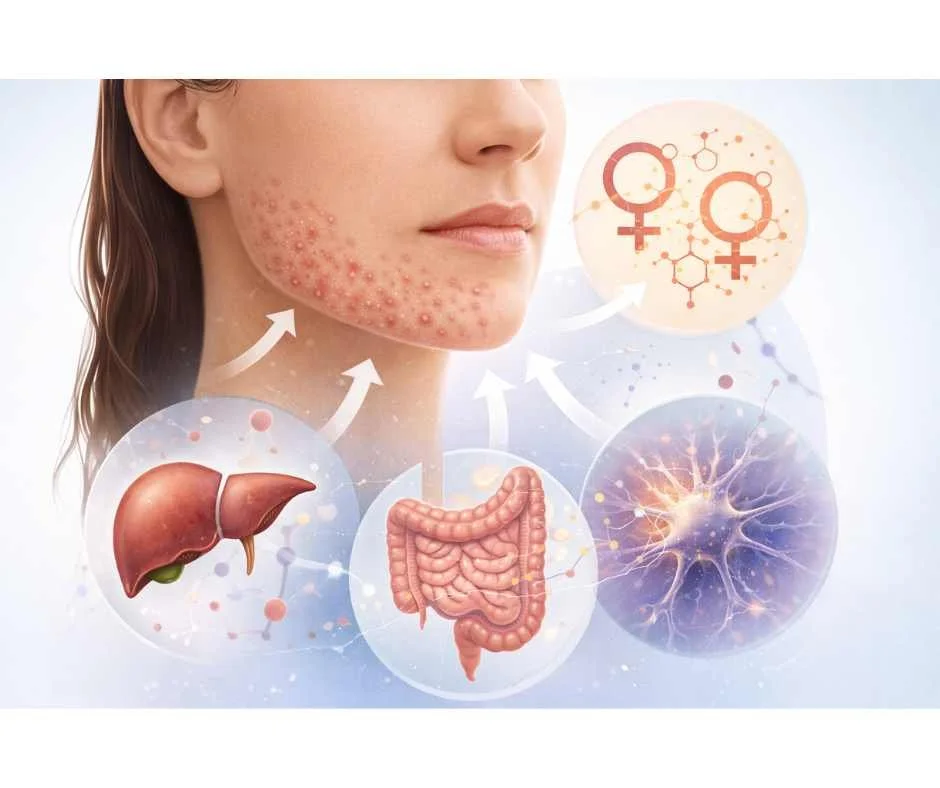
Adult acne is increasingly common—and often far more complex than the breakouts experienced during adolescence. Many adults struggle with persistent acne despite consistent skincare routines, dietary changes, or repeated medical treatments.
Persistent adult acne is often influenced by hormones, gut health, inflammation, insulin signaling, stress physiology, and detoxification capacity.
When acne continues into adulthood, it often reflects something deeper than clogged pores or surface bacteria.
From a functional medicine perspective, the skin is not separate from the rest of the body—it is a highly responsive immune and endocrine organ. Hormones, inflammation, metabolic signaling, gut health, stress physiology, and detoxification pathways all influence whether the skin remains balanced or shifts toward chronic inflammation (1).
This is why adult acne frequently appears alongside other symptoms such as:
Hormonal irregularities or PMS
Digestive discomfort or food sensitivities
Fatigue or blood sugar instability
Chronic stress or poor sleep
Inflammatory conditions
When these systems are under strain, the skin often reflects that imbalance through persistent or recurring breakouts.
Rather than viewing acne solely as a cosmetic concern, functional medicine interprets it as a visible signal of internal regulatory imbalance.
Understanding the root causes of adult acne requires looking beyond the skin and examining how hormonal signaling, gut health, inflammation, metabolic stability, detoxification pathways, and lifestyle factors interact over time.
This article explores the most common internal drivers of adult acne and explains how a systems-based approach can help restore healthier, more stable skin.
Why Do Adults Get Acne?
Adult acne is rarely caused by poor hygiene or clogged pores alone. In many cases, persistent breakouts reflect internal drivers such as hormonal signaling, inflammation, metabolic health, gut integrity, stress physiology, and detoxification capacity (2).
Unlike teenage acne, which is largely driven by pubertal hormone surges, adult acne typically develops when multiple regulatory systems interact over time. Hormonal fluctuations, insulin resistance, gut-driven inflammation, and chronic stress can all influence sebaceous gland activity and immune responses in the skin.
Because these systems are interconnected, adult acne often appears alongside other symptoms such as digestive discomfort, fatigue, hormonal irregularities, or blood sugar instability.
From a functional medicine perspective, acne is best understood as a systemic inflammatory condition that manifests through the skin, rather than a surface-level cosmetic issue.
Adult Acne vs Teenage Acne: Why Breakouts Persist in Adulthood
Teenage acne is primarily driven by pubertal hormone surges that stimulate sebaceous glands and increase oil production.
Adult acne, however, typically reflects chronic physiological stress affecting multiple regulatory systems throughout the body.
Instead of a temporary hormonal transition, persistent adult acne often involves interactions between:
Hormone signaling and androgen sensitivity
Insulin and metabolic regulation
Gut–immune balance and microbiome health
Systemic inflammatory signaling
Stress physiology and cortisol regulation
Detoxification and hormone clearance pathways
Because these systems interact continuously, adult acne often becomes cyclical, persistent, and resistant to surface treatments.
Many adults notice patterns such as:
Jawline or chin breakouts
Premenstrual acne flares
Acne worsening during periods of stress
Skin symptoms appearing alongside digestive issues or fatigue
These patterns suggest the skin is responding to internal inflammatory signals, rather than simply clogged pores (2).
Internal Causes of Adult Acne
Unlike adolescent acne, which is largely driven by rapid hormonal shifts during puberty, adult acne usually develops when multiple regulatory systems become dysregulated over time.
Hormonal imbalance, metabolic stress, gut inflammation, and environmental exposures can reinforce one another, creating a physiological environment that favors chronic skin inflammation.
This helps explain why treatments that focus only on the skin—such as topical therapies, antibiotics, or short-term medications—often produce temporary improvement without lasting resolution (3).
From a functional medicine perspective, acne is best understood as an inflammatory condition with upstream drivers. Excess oil production, clogged follicles, and bacterial overgrowth are downstream expressions rather than the original cause of the problem.
When internal regulatory systems remain under strain, the skin continues to reflect that imbalance regardless of how aggressively symptoms are treated at the surface.
Common Symptoms That Appear Alongside Adult Acne
Because acne is influenced by systemic physiology, it frequently appears alongside other health concerns such as:
Hormonal irregularities or cycle-related acne flares
Digestive symptoms or food sensitivities
Chronic stress or poor sleep
Nervous system dysregulation
Inflammation, insulin resistance, or metabolic instability
These patterns suggest shared regulatory dysfunction rather than isolated skin pathology.
How Adult Acne Is Evaluated in Functional Medicine
A functional medicine approach evaluates acne through a broader physiological lens.
Instead of focusing only on suppressing visible lesions, evaluation considers why breakouts persist and which internal systems are contributing most strongly.
Persistent adult acne often reflects how several interconnected systems interact over time, including:
hormone signaling
gut integrity and microbiome balance
inflammatory regulation
detoxification capacity
immune signaling
nervous system balance
Understanding acne through this systems-based framework helps clarify why breakouts persist and what factors must be addressed for lasting improvement.
What Causes Acne? Understanding the Inflammatory Process Behind Breakouts
Acne is commonly described as a condition caused by clogged pores, excess oil, and bacteria. While this explanation is not incorrect, it is incomplete. From a physiological perspective, acne is best understood as a chronic inflammatory skin condition influenced by systemic regulation, not simply a surface-level blockage problem (4).
Rather than beginning at the skin surface, acne develops through a complex interaction between sebaceous glands, immune signaling, hormones, and inflammatory pathways.
How Acne Develops in the Skin
At the skin level, acne begins when excess sebum combines with dead skin cells, leading to follicular obstruction. This environment allows Cutibacterium acnes (formerly Propionibacterium acnes) to proliferate.
As bacterial activity increases, the immune system responds by activating inflammatory pathways that produce redness, swelling, and lesion formation (5).
However, this local skin cascade does not occur in isolation.
Internal Causes That Drive Persistent Acne
Whether pores overproduce oil, inflammation escalates, or breakouts become chronic is largely determined by internal signaling systems.
Key drivers often include:
Hormonal signaling affecting sebaceous gland activity
Immune system activation that amplifies inflammation
Insulin resistance and metabolic signaling changes
Gut microbiome imbalance and intestinal permeability
These internal influences shape the inflammatory environment of the skin, which is why adult acne rarely develops from local skin factors alone (6).
In this framework, clogged pores are a downstream expression rather than the initiating cause.
Why Adult Acne Often Appears on the Jawline
This systems-based view also helps explain why adult acne often appears differently than teenage acne.
Instead of widespread oiliness across the forehead and cheeks, adult acne commonly develops along the:
jawline
chin
neck
lower face
These areas contain sebaceous glands that are particularly responsive to androgen signaling and inflammatory mediators, making them more vulnerable to hormonally driven acne patterns (7).
Why Surface Treatments Alone Often Fail
When acne is treated only as a surface condition, therapy usually focuses on reducing oil production, suppressing bacteria, or increasing skin turnover.
Common approaches include:
topical antibiotics
benzoyl peroxide
retinoids
chemical exfoliants
While these strategies may temporarily reduce lesion count, they rarely address the internal drivers that sustain inflammatory signaling, which explains why acne often returns once treatment stops (8).
Understanding acne as an inflammatory condition rooted in systemic physiology provides the foundation for identifying why breakouts persist and which regulatory systems require support for long-term improvement.
Hormonal Causes of Adult Acne
Hormones play a central role in regulating sebum production, inflammation, and skin cell turnover, which is why adult acne often follows predictable patterns related to the menstrual cycle, stress exposure, or underlying endocrine conditions.
In functional medicine, hormonal acne is not viewed as a single diagnosis but as the skin’s response to disrupted hormonal signaling across multiple interconnected pathways (9).
Androgens: A Primary Hormonal Cause of Adult Acne
One of the most common drivers of adult acne is androgen activity, particularly testosterone and its more potent derivative, dihydrotestosterone (DHT).
Androgens stimulate sebaceous glands to produce oil. When androgen signaling increases—or when skin receptors become overly sensitive—even hormone levels within conventional laboratory reference ranges can trigger excessive sebum production and inflammatory breakouts (10).
This helps explain why some individuals develop persistent acne despite having hormone levels that appear “normal” on standard laboratory testing.
Common Signs of Hormonal Acne in Adults
Hormonal acne often presents with recognizable patterns that reflect hormone–skin interactions rather than isolated surface problems.
Common patterns include:
Breakouts concentrated along the jawline, chin, or lower face
Cyclical acne flares before or during menstruation
Deep, tender, or cystic lesions
Acne that persists despite topical treatments
These patterns are frequently linked to fluctuations in hormone signaling, inflammatory activity, and metabolic regulation.
Estrogen–Progesterone Imbalance and Premenstrual Acne
Estrogen and progesterone both influence skin health and inflammatory signaling.
Estrogen generally supports skin barrier function and anti-inflammatory balance, while progesterone helps regulate sebaceous gland activity and counterbalance estrogen’s effects.
When progesterone becomes relatively low compared with estrogen—a pattern often described as estrogen dominance—inflammatory signaling may increase and acne flares may occur in the days leading up to menstruation (11).
Stress Hormones, Cortisol, and Hormonal Acne
Stress can significantly influence hormonal acne through activation of the hypothalamic–pituitary–adrenal (HPA) axis.
Chronic HPA activation increases cortisol production, which can indirectly elevate androgen activity and worsen insulin resistance. Cortisol also interacts directly with sebaceous glands and immune cells within the skin, amplifying inflammatory signaling and oil production during periods of prolonged stress (12).
This interaction helps explain why acne often worsens during times of emotional strain, sleep disruption, illness, or heavy workload.
PCOS and Persistent Hormonal Acne
Certain endocrine conditions can intensify hormonal acne patterns.
One of the most common is polycystic ovary syndrome (PCOS). In PCOS, elevated androgen levels, insulin resistance, and disrupted ovulatory signaling combine to create a hormonal environment that strongly favors persistent acne (13).
Individuals with PCOS may also experience symptoms such as irregular menstrual cycles, excess hair growth, or metabolic disturbances alongside acne.
Why Hormone Tests Can Look Normal in Hormonal Acne
Hormonal acne does not always require clearly abnormal laboratory results.
Many individuals with persistent acne have hormone levels that fall within conventional reference ranges yet still experience altered hormone signaling at the tissue level. Increased receptor sensitivity, disrupted metabolic signaling, or impaired hormone clearance can still create conditions that promote inflammatory breakouts (14).
This disconnect is one reason symptom-based suppression often fails to produce lasting results.
How Hormonal Acne Is Evaluated
Evaluating acne hormonally means examining patterns, timing, and system interactions rather than focusing solely on isolated hormone values.
Assessment often considers factors such as:
menstrual cycle patterns
androgen signaling
insulin and metabolic regulation
stress physiology
detoxification and hormone clearance pathways
A comprehensive endocrine evaluation may be appropriate when hormonal drivers appear to be contributing to persistent acne patterns.
→ Hormone & Metabolic Optimization
Gut Health and Adult Acne: The Gut–Skin Axis
The connection between gut health and skin health is no longer theoretical. An expanding body of research describes a bidirectional communication network—often referred to as the gut–skin axis—through which intestinal integrity, microbial balance, immune signaling, and systemic inflammation influence skin function and inflammatory skin disease (15).
When the gut microbiome is balanced and the intestinal barrier remains intact, immune signaling tends to remain regulated. However, disruptions such as dysbiosis, increased intestinal permeability, or chronic digestive inflammation can promote systemic immune activation.
Because the skin is a highly immune-responsive organ, it frequently reflects this internal inflammatory burden through conditions such as acne, eczema, and rosacea (16).
Gut Microbiome Imbalance and Acne
Alterations in gut microbial populations—often referred to as dysbiosis—can influence inflammatory signaling throughout the body. The gut microbiome plays a central role in regulating immune tolerance, metabolic signaling, and inflammatory balance, all of which can affect skin physiology.
When microbial diversity declines or beneficial bacterial populations are reduced, immune regulation becomes less stable and inflammatory signaling may increase. Dysbiosis can also alter microbial metabolites that normally support intestinal barrier integrity and anti-inflammatory immune responses.
Microbiome disruption may contribute to acne through several mechanisms:
increased production of inflammatory cytokines
oxidative stress and immune activation
altered gut–immune communication
reduced microbial diversity that normally supports immune tolerance
changes in microbial metabolites that regulate inflammation
These disruptions can amplify systemic inflammatory tone, which may increase sebaceous gland activity and worsen acne severity (17).
Intestinal Permeability (“Leaky Gut”) and Skin Inflammation
Another mechanism connecting gut health and acne is increased intestinal permeability, commonly referred to as “leaky gut.”
Under normal conditions, tight junction proteins within the intestinal lining regulate which molecules are allowed to pass into circulation. When this barrier becomes compromised, bacterial fragments and inflammatory compounds—including lipopolysaccharides (LPS) and other endotoxins—may enter the bloodstream.
This process can activate systemic immune responses and increase inflammatory signaling throughout the body (18).
Once circulating inflammatory mediators rise, they can influence several pathways that affect skin health, including:
activation of immune cells involved in inflammatory skin lesions
increased cytokine signaling that amplifies acne inflammation
stimulation of sebaceous gland activity through inflammatory mediators
disruption of normal skin barrier function
Because the skin is closely connected to immune and inflammatory signaling pathways, systemic inflammation originating in the gut may manifest through inflammatory skin conditions such as acne.
Food Sensitivities, Gluten, Dairy, and Immune Activation
Food sensitivities can also contribute to acne in susceptible individuals.
Unlike immediate food allergies, delayed immune reactions to certain foods may occur hours or even days after exposure and may not produce obvious digestive symptoms. Instead, these reactions can trigger low-grade immune activation that contributes to systemic inflammation and inflammatory skin conditions (19).
Two dietary factors frequently discussed in the context of acne are dairy products and gluten-containing grains.
Dairy consumption has been associated with acne severity in several observational studies. Milk proteins can stimulate insulin and insulin-like growth factor-1 (IGF-1), both of which increase androgen signaling and sebaceous gland activity—mechanisms that can promote acne development in susceptible individuals (20).
Gluten may also contribute to inflammatory skin patterns in certain individuals through immune-mediated mechanisms. In people with gluten sensitivity or celiac disease, gluten exposure can promote intestinal inflammation and increased intestinal permeability, which may amplify systemic inflammatory signaling that influences skin health (21).
However, not all individuals with acne react to the same foods. Dietary triggers appear to vary depending on genetic susceptibility, microbiome composition, metabolic health, and immune regulation.
For this reason, food-related acne patterns are best interpreted within the broader context of gut integrity, immune tolerance, and inflammatory balance, rather than assuming a universal dietary cause.
How Gut Inflammation Influences Hormones and Acne
Inflammation originating in the gut can influence hormonal regulation through multiple interconnected pathways. Because the gastrointestinal system plays a central role in immune signaling, metabolism, and hormone metabolism, inflammatory changes within the gut can affect endocrine balance throughout the body.
Chronic gut inflammation may influence several hormonal systems that are known to affect acne development.
Inflammatory signaling can alter:
insulin sensitivity and metabolic signaling
cortisol production and stress physiology
estrogen metabolism and hormone clearance
androgen signaling that influences sebaceous gland activity
These hormonal shifts can increase inflammatory tone and stimulate sebaceous glands, creating conditions that favor acne development.
For example, inflammation-related insulin resistance can increase insulin-like growth factor-1 (IGF-1) signaling, which promotes androgen activity and sebum production. Similarly, inflammatory stress signals can activate the hypothalamic–pituitary–adrenal axis, increasing cortisol output and altering immune responses within the skin (20).
Because hormonal signaling, metabolic regulation, and inflammatory pathways are closely interconnected, gut-driven inflammation can indirectly influence sebaceous gland activity and inflammatory skin responses.
Why Gut-Related Acne Can Occur Without Digestive Symptoms
Importantly, gut-driven acne does not require obvious gastrointestinal disease.
Many patients with persistent acne report relatively normal digestion yet still exhibit low-grade microbial imbalance, intestinal permeability, or immune activation sufficient to influence inflammatory skin conditions (21).
Subclinical disruptions in the gut microbiome can alter inflammatory signaling, metabolic regulation, and immune responses without producing overt digestive symptoms. Because these changes occur at the level of immune signaling and microbial metabolites, they may affect distant tissues—including the skin—even when gastrointestinal complaints are minimal.
This disconnect is one reason the role of gut health in acne is frequently overlooked in conventional dermatologic evaluation.
Restoring Balance Along the Gut–Skin Axis
Viewing acne through the gut–skin axis shifts the clinical focus away from surface suppression and toward restoring internal regulatory balance.
When gut integrity, immune tolerance, and microbial diversity improve, inflammatory signaling to the skin often decreases. A healthier gut environment helps stabilize immune responses, reduce systemic inflammatory burden, and support hormonal regulation—factors that all influence acne expression.
Because gut health interacts closely with hormonal signaling, metabolic regulation, and immune balance, addressing gut-related inflammation can be an important component of evaluating persistent adult acne and other chronic inflammatory skin conditions.
Stress and Adult Acne: The Cortisol Connection
Stress is often discussed as a vague contributor to acne, yet its physiological impact on the skin is both measurable and significant. Chronic psychological or physiological stress alters nervous system signaling, hormone output, immune activity, and inflammatory balance—each of which can influence acne expression (22).
Within the body, stress responses are coordinated through neuroendocrine pathways that affect inflammation, sebaceous gland activity, and metabolic signaling.
How Stress Hormones Affect the Skin
When the body perceives stress, the hypothalamic–pituitary–adrenal (HPA) axis becomes activated, increasing the release of cortisol and corticotropin-releasing hormone (CRH).
CRH receptors are present in sebaceous glands and immune cells within the skin. When this pathway is overstimulated, it can increase sebum production and amplify inflammatory responses in the skin, creating conditions that favor acne development and persistence (23).
Lifestyle Factors That Reinforce the Stress–Acne Cycle
Certain lifestyle patterns can intensify nervous system strain and inflammatory signaling.
Common contributors include:
inadequate or irregular sleep
disrupted circadian rhythms
excessive caffeine or stimulant intake
restrictive dieting or chronic under-fueling
excessive training with inadequate recovery
Circadian disruption and sleep deprivation can further amplify inflammatory signaling, alter cortisol rhythms, and impair metabolic regulation, all of which may contribute to worsening acne patterns.
Over time, these stressors reduce the body’s capacity to regulate inflammatory signaling and hormonal balance, allowing acne to become more reactive and less responsive to topical therapies (24).
Cortisol, Blood Sugar, and Hormonal Acne
Stress physiology is closely linked to metabolic regulation. Elevated cortisol can contribute to insulin resistance and blood sugar instability, both of which are associated with increased androgen activity and inflammatory signaling.
Because insulin signaling, androgen activity, and sebaceous gland function are interconnected, chronic stress may indirectly increase oil production and inflammatory acne lesions (25).
Why Chronic Low-Grade Stress Still Affects Acne
Stress does not need to feel overwhelming to influence inflammatory skin conditions.
Many patients with persistent acne experience ongoing physiologic stress related to workload, sleep disruption, metabolic strain, or chronic inflammation. Over time, the cumulative burden placed on regulatory systems can alter hormonal signaling, immune responses, and inflammatory balance within the skin (26).
Nervous System Regulation and Skin Health
A functional medicine perspective therefore considers the role of nervous system regulation alongside hormonal, metabolic, and gut-related contributors to acne.
When stress physiology becomes more stable, inflammatory signaling may decrease, hormonal communication becomes more balanced, and the physiologic environment supporting skin health improves.
Liver Detoxification, Estrogen Clearance, and Adult Acne
The liver plays a central role in hormone metabolism, detoxification, and inflammatory regulation—making it an important, and often overlooked, factor in adult acne. When hepatic detoxification pathways are impaired or overloaded, hormones and inflammatory byproducts may recirculate within the body, increasing the likelihood of hormone-driven skin flares (27).
Estrogen Metabolism and Acne
Estrogen metabolism occurs through two primary detoxification phases within the liver.
Phase I reactions modify estrogen into intermediate metabolites through enzymatic processes.
Phase II reactions conjugate these metabolites so they can be safely eliminated through bile and urine.
When these detoxification processes become inefficient—due to nutrient deficiencies, chronic inflammation, or environmental toxic burden—estrogen metabolites may accumulate. This hormonal imbalance, often described as estrogen dominance, is frequently associated with cyclical acne patterns and premenstrual flares (28).
Impaired estrogen clearance may contribute to cyclical acne patterns, particularly breakouts concentrated along the jawline and lower face that worsen before menstruation.
Enterohepatic Recirculation and Hormone Reabsorption
The gut and liver function as an integrated detoxification system.
Impaired bile flow, dysbiosis, or increased intestinal permeability can interfere with estrogen elimination by allowing deconjugated hormones to be reabsorbed rather than excreted. This process is known as enterohepatic recirculation (29).
Certain gut bacteria also produce an enzyme called β-glucuronidase, which can deconjugate estrogen metabolites in the intestine. When this enzyme activity becomes elevated, estrogen that was previously prepared for elimination may be reabsorbed back into circulation.
Over time, this process can place additional strain on hormonal balance and inflammatory regulation, reinforcing acne patterns.
Environmental Toxins and Hormonal Detoxification
Modern environmental exposures can further burden hepatic detoxification capacity.
Endocrine-disrupting chemicals commonly found in:
plastics and food packaging
pesticides and herbicides
personal care products
household cleaning agents
may interfere with hormone signaling and increase the detoxification workload placed on the liver. Over time, this toxic burden can contribute to both systemic inflammation and hormonal imbalance that manifest through inflammatory skin conditions such as acne (30).
Why Liver Tests Often Appear Normal
Importantly, liver-related acne does not require abnormal liver enzyme values on standard blood work.
Many patients with acne-related hormonal imbalance have liver function tests within conventional reference ranges yet still experience impaired hormone clearance at the functional level (31).
This disconnect helps explain why acne driven by detoxification inefficiency may be overlooked in conventional evaluation.
Supporting Hormone Clearance and Detoxification
Supporting liver detoxification is not about aggressive cleanses or restrictive protocols. Instead, the focus is on restoring efficient biochemical processing, reducing toxic exposure, and ensuring adequate nutrient availability for detoxification pathways.
When hepatic clearance improves, hormonal signaling becomes more balanced, inflammatory tone decreases, and acne-driving stimuli may diminish.
Because estrogen metabolism, bile flow, and detoxification efficiency are closely intertwined with gut health, inflammatory signaling, and environmental exposure, impaired liver clearance can be a significant—yet frequently overlooked—contributor to persistent adult acne.
Why Conventional Acne Treatments Often Fail Long-Term
Conventional acne treatment typically focuses on suppressing visible symptoms—reducing oil production, killing bacteria, or accelerating skin turnover. While these approaches may improve acne in the short term, they often fail to produce durable results because they do not address the internal drivers that determine whether acne resolves or recurs (32).
Topical therapies, medications, and procedures primarily target the skin surface rather than the physiologic systems that influence sebaceous gland activity, inflammation, and hormonal signaling.
Topical Therapies: Local Control Without Systemic Impact
Topical agents such as benzoyl peroxide, topical antibiotics (e.g., clindamycin), retinoids (adapalene, tretinoin), salicylic acid, and chemical exfoliants are commonly used to reduce bacterial load, unclog pores, and calm inflammation.
While these therapies can temporarily improve lesion count and skin texture, they act primarily at the skin surface and do not influence hormonal signaling, gut integrity, immune regulation, metabolic balance, or stress physiology—the systems that frequently contribute to persistent adult acne (33).
Many topical agents can also disrupt the skin barrier when used aggressively, leading to dryness, irritation, and increased sensitivity. Barrier disruption may paradoxically increase inflammatory signaling within the skin, which can perpetuate acne in susceptible patients.
Oral Antibiotics: Short-Term Improvement, Long-Term Consequences
Oral antibiotics are frequently prescribed for moderate to severe acne to suppress Cutibacterium acnes and reduce inflammation.
However, prolonged antibiotic exposure can disrupt gut microbiome balance, reduce microbial diversity, and alter gut–immune signaling. These changes may influence systemic inflammation, metabolic signaling, and hormonal regulation—systems that are increasingly recognized as relevant to acne persistence and recurrence (34).
Antibiotic resistance is another growing concern with long-term use. As microbial communities adapt, treatment effectiveness may decrease while inflammatory patterns persist once therapy is discontinued.
Hormonal Suppression: Masking the Signal Rather Than Correcting the Cause
Hormonal interventions, including oral contraceptives, are commonly used to regulate menstrual cycles and reduce androgen-driven sebum production. While these medications may suppress acne symptoms, they do not resolve the underlying drivers of hormonal dysregulation and frequently lead to recurrence after discontinuation (35).
Hormonal contraceptives alter endocrine signaling across multiple pathways, including ovulatory regulation, sex hormone binding globulin levels, and hepatic hormone metabolism. These shifts can influence inflammatory signaling, nutrient status, and metabolic regulation over time.
Spironolactone is another medication frequently prescribed for adult and hormonal acne. By blocking androgen receptors and reducing androgen-mediated sebaceous gland activity, it can decrease breakouts while the medication is used (36).
However, spironolactone does not address upstream contributors such as insulin resistance, chronic stress physiology, impaired estrogen clearance, gut-driven inflammation, or disrupted ovulatory signaling. As a result, acne commonly returns when the medication is reduced or discontinued (37).
Because spironolactone alters aldosterone signaling and electrolyte balance, some patients experience side effects such as:
fatigue or lightheadedness
menstrual irregularities
breast tenderness
electrolyte imbalance
reduced exercise tolerance
These effects may be particularly relevant in physically active populations or in those already experiencing physiologic stress (38).
Isotretinoin (Accutane): Potent but Not Universally Corrective
Isotretinoin dramatically reduces sebaceous gland activity and inflammatory signaling and may be appropriate in certain cases of severe or treatment-resistant acne.
The medication works primarily by shrinking sebaceous glands and reducing sebum production, which decreases the inflammatory environment that supports acne formation.
Because isotretinoin affects sebaceous gland biology, epithelial turnover, and inflammatory signaling, it can produce systemic side effects including mucocutaneous dryness, musculoskeletal discomfort, and alterations in lipid metabolism. Careful medical monitoring is therefore required during treatment.
However, the medication does not guarantee long-term resolution if underlying hormonal, inflammatory, metabolic, or detoxification drivers remain unaddressed (39).
Procedural and Cosmetic Interventions
Procedures such as chemical peels, laser therapies, and facials may improve skin texture and reduce surface inflammation.
However, because these interventions act at the level of skin texture and inflammation, they do not influence endocrine signaling, immune activation, or metabolic drivers that often contribute to adult acne.
For this reason, cosmetic interventions are typically most effective as supportive therapies rather than standalone solutions for persistent acne (40).
The Core Limitation of the Conventional Model
The central limitation of the conventional model is that acne is often treated as an isolated dermatologic condition rather than a systemic inflammatory signal.
This framing can lead to repeated cycles of symptom suppression and recurrence, sometimes accompanied by cumulative medication exposure and persistent underlying imbalance (41).
From a functional medicine perspective, durable improvement requires shifting the clinical question from:
“How can acne lesions be eliminated?”
to
“What internal signals are driving chronic inflammatory skin responses?”
Without addressing hormonal balance, gut health, detoxification capacity, metabolic regulation, stress physiology, and nutrient status, many conventional strategies remain incomplete solutions.
How Functional Medicine Evaluates and Treats Adult Acne
Once the limitations of symptom-based acne treatment become clear, the focus shifts from suppressing breakouts to identifying the root causes of persistent acne, including the hormonal, metabolic, inflammatory, and gut-related drivers that influence skin health. Functional medicine approaches acne as a reflection of whole-body physiology rather than an isolated skin condition.
Rather than focusing only on skin symptoms, this model evaluates how hormonal signaling, metabolic regulation, gut integrity, inflammatory signaling, detoxification capacity, and stress physiology interact to shape the skin environment.
Identifying the Systems Driving Inflammatory Skin Patterns
Care is guided by identifying which regulatory systems are under the greatest strain. In adult acne, these most commonly include:
hormonal signaling and androgen sensitivity
insulin resistance and metabolic signaling
gut microbiome imbalance and intestinal barrier disruption
detoxification and hormone clearance pathways
chronic stress and nervous system dysregulation
When these systems are dysregulated simultaneously, inflammatory signaling can increase sebaceous gland activity and prolong acne persistence.
Functional medicine therefore focuses on reducing physiologic strain across interconnected systems and addressing the root causes of adult acne, rather than suppressing skin lesions alone.
Supporting Internal Regulation Rather Than Surface Suppression
Within a functional medicine framework, acne care is integrated into broader efforts to restore physiologic balance.
This may involve supporting:
hormonal signaling stability
gut microbiome balance and intestinal integrity
detoxification and hormone clearance pathways
metabolic regulation and blood sugar stability
nervous system resilience and stress regulation
The goal is not to follow rigid protocols but to identify the most influential drivers and reduce the internal signals that perpetuate inflammation.
Evaluation and care at our clinic focus on identifying these underlying contributors.
→ Functional & Integrative Medicine
Integrative Therapies That Support Acne Healing and Skin Recovery
While internal physiologic regulation is foundational for resolving adult acne, integrative therapies can play an important supportive role in skin recovery—particularly when inflammation, post-inflammatory scarring, tissue resilience, or nervous system dysregulation are contributing factors.
In an integrative care model, these therapies are not used in isolation. Instead, they complement efforts to stabilize hormonal signaling, gut health, metabolic balance, detoxification pathways, and stress physiology that influence inflammatory skin patterns.
Coordinating Internal and Skin-Directed Therapies
Acne develops within a complex physiologic environment shaped by hormones, immune signaling, metabolic regulation, and nervous system activity.
In a coordinated integrative framework, several factors work together:
• Internal drivers such as hormones, gut health, detoxification capacity, and metabolic signaling influence inflammatory tone.
• Skin-directed therapies support tissue repair, circulation, and collagen remodeling.
• Nervous system regulation improves inflammatory resilience and hormonal stability.
The goal is not to treat acne from every direction simultaneously, but to reduce physiologic strain so healing signals can gradually replace chronic inflammatory signaling.
Acupuncture and Nervous System Regulation
Acupuncture can support acne care indirectly by influencing several regulatory systems involved in inflammatory skin conditions.
Research suggests acupuncture may influence:
• Autonomic nervous system balance
• Microcirculation and tissue oxygenation
• Immune signaling and inflammatory regulation
• Stress physiology and cortisol dynamics
Because chronic stress and autonomic dysregulation can amplify inflammatory signaling and hormonal reactivity, improving nervous system regulation may enhance the body’s response to other aspects of acne care.
Our clinic incorporates acupuncture as part of a broader systems-based treatment model.
→ Acupuncture & Nervous System Regulation
Microneedling for Post-Acne Skin Repair
Microneedling is commonly used to support structural skin recovery following inflammatory acne.
Potential benefits include:
• Stimulation of collagen remodeling
• Improvement in post-inflammatory acne scarring
• Strengthening of the skin barrier
• Improved skin texture and resilience
While microneedling does not address the internal drivers that initiate acne, it can support tissue repair once systemic inflammatory contributors are being addressed.
Within an integrative model, this therapy supports skin recovery after inflammatory acne rather than replacing internal physiologic care.
Why Adult Acne Requires a Whole-Body Approach
Adult acne rarely reflects a single cause. Persistent breakouts often arise from the interaction of hormonal signaling, inflammatory pathways, metabolic regulation, gut health, detoxification capacity, and nervous system activity.
Because these regulatory systems influence sebaceous gland activity, immune signaling, and inflammatory responses in the skin, disruptions across multiple systems can reinforce one another and prolong acne persistence.
This complexity helps explain why one-size-fits-all acne treatments frequently fall short. When acne is treated only at the skin surface, the internal signals driving inflammation often remain unchanged.
A systems-based approach instead focuses on restoring physiologic balance across interconnected systems that influence skin health. As inflammatory signaling stabilizes and regulatory systems recover, the skin environment can gradually shift toward healing and long-term stability.
Meaningful improvement typically occurs by identifying the most influential drivers and reducing physiologic strain over time.
Considering a Root-Cause Evaluation for Persistent Acne
Persistent, cyclical, or treatment-resistant acne often reflects deeper physiologic patterns rather than a purely cosmetic concern.
A functional medicine evaluation examines how hormonal signaling, inflammation, gut health, detoxification capacity, metabolic regulation, and stress physiology interact to influence inflammatory skin conditions.
Rather than focusing solely on suppressing breakouts, this approach aims to clarify the internal factors shaping chronic acne patterns and guide targeted strategies that support long-term physiologic regulation.
You may request a free 15-minute consultation with Dr. Martina Sturm to review your health concerns and outline appropriate next steps within a root-cause, systems-based framework.
Frequently Asked Questions About Adult Acne
Why do adults still get acne even with good skincare?
Adult acne is rarely caused by poor hygiene or inadequate skincare. In many cases, persistent breakouts reflect internal physiologic factors such as hormonal signaling, insulin resistance, systemic inflammation, gut-immune interactions, stress physiology, or impaired detoxification pathways. Skincare can help reduce surface inflammation, but it does not address the underlying signals that influence sebaceous gland activity and inflammatory skin responses.
What are the most common causes of adult acne?
Adult acne commonly develops when several regulatory systems become dysregulated simultaneously. The most frequent contributors include hormonal imbalance, insulin resistance, chronic inflammation, gut microbiome disruption, impaired hormone clearance, and prolonged physiologic stress. These factors can interact to increase sebum production, amplify inflammatory signaling, and make acne more persistent.
How can I tell if my acne is hormonal?
Hormonal acne often follows recognizable patterns. Breakouts frequently appear along the jawline, chin, and lower face and may worsen before menstruation. Lesions are often deeper, more inflammatory, and slower to heal than typical adolescent acne. Hormonal acne may also occur alongside symptoms such as irregular cycles, PMS, fatigue, or metabolic instability.
Can gut health really affect acne?
Research increasingly describes a gut–skin connection in inflammatory skin conditions. The gut microbiome helps regulate immune signaling, inflammatory responses, and metabolic activity. When microbial balance is disrupted or intestinal barrier integrity is compromised, inflammatory signals can increase throughout the body, including within the skin. These changes may contribute to persistent acne in some cases.
Does diet actually influence acne?
Diet does not cause acne in every case, but certain dietary patterns can influence inflammatory signaling and metabolic regulation. Diets high in refined carbohydrates or highly processed foods may worsen insulin signaling and inflammatory activity, both of which can increase sebaceous gland stimulation. Some people also notice acne changes with specific foods such as dairy or highly glycemic carbohydrates.
Why does acne often come back after antibiotics or medications?
Many conventional treatments reduce acne by suppressing bacteria, oil production, or inflammatory signaling in the skin. While this can improve breakouts temporarily, the underlying physiologic drivers of acne may remain unchanged. When treatment stops, the internal signals that influence inflammation and sebum production can still be present, allowing acne to recur.
How long does it take to improve adult acne when addressing root causes?
The timeline varies depending on acne severity, underlying physiologic drivers, and how long the condition has been present. Some improvements in inflammatory activity may occur within several weeks as metabolic or hormonal regulation stabilizes. More persistent acne patterns—particularly those involving hormonal or metabolic contributors—often require several months of consistent physiologic support before the skin environment stabilizes.
Can adult acne improve without medication?
In some cases, adult acne improves when underlying contributors such as hormonal imbalance, metabolic dysregulation, gut inflammation, or chronic stress are addressed. Approaches that focus on restoring physiologic balance may reduce inflammatory signaling and improve skin health over time. However, treatment strategies vary depending on the severity of acne and the individual pattern of contributing factors.
What makes adult acne different from teenage acne?
Teenage acne is primarily driven by pubertal hormone surges and increased sebaceous gland activity. Adult acne more often reflects chronic physiologic stress across multiple regulatory systems, including hormonal signaling, metabolic regulation, inflammatory pathways, gut health, and nervous system activity. Because these systems interact, adult acne is often more persistent and cyclical.
Still Have Questions?
If the topics above reflect ongoing symptoms or unanswered concerns, a brief conversation can help clarify whether a root-cause approach is appropriate.
Resources
Journal of the American Academy of Dermatology – Adult acne: prevalence, impact, and clinical characteristics
Journal of Clinical and Aesthetic Dermatology – Adult female acne: a guide to clinical practice
Experimental Dermatology – Acne vulgaris as an inflammatory disease
Clinical, Cosmetic and Investigational Dermatology – Inflammation and acne pathogenesis
British Journal of Dermatology – Cutibacterium acnes and the immune response in acne
Dermato-Endocrinology – Hormonal regulation of sebaceous gland activity
International Journal of Women’s Dermatology – Clinical patterns and hormonal features of adult acne
Journal of Drugs in Dermatology – Limitations of conventional topical acne therapies
Endocrine Reviews – Androgens and sebaceous gland physiology
Journal of Steroid Biochemistry and Molecular Biology – Estrogen and progesterone effects on skin health
Psychoneuroendocrinology – Stress, cortisol, and inflammatory skin disease
Frontiers in Endocrinology – Insulin resistance, metabolic signaling, and acne
Gut Microbes – The gut–skin axis and inflammatory skin conditions
Clinical Reviews in Allergy & Immunology – Dysbiosis, intestinal permeability, and systemic inflammation
Journal of Hepatology – Hepatic detoxification pathways and estrogen metabolism
Environmental Health Perspectives – Endocrine-disrupting chemicals and hormonal signaling
Journal of Investigative Dermatology – Systems-based approaches to chronic inflammatory skin disease