Yeast infections are not just a vaginal issue. Candida overgrowth can affect the gut, mouth, skin, and immune system, often causing vague, chronic symptoms that are repeatedly misdiagnosed. This article explores hidden Candida symptoms, root causes of recurrence, and how a functional medicine approach restores microbial balance.
Read MoreBone loss after menopause is not just about calcium or aging. Learn how hormone decline, digestion, inflammation, stress, and environmental exposures shape osteoporosis risk—and how a functional and Traditional Chinese Medicine approach supports resilient bone health.

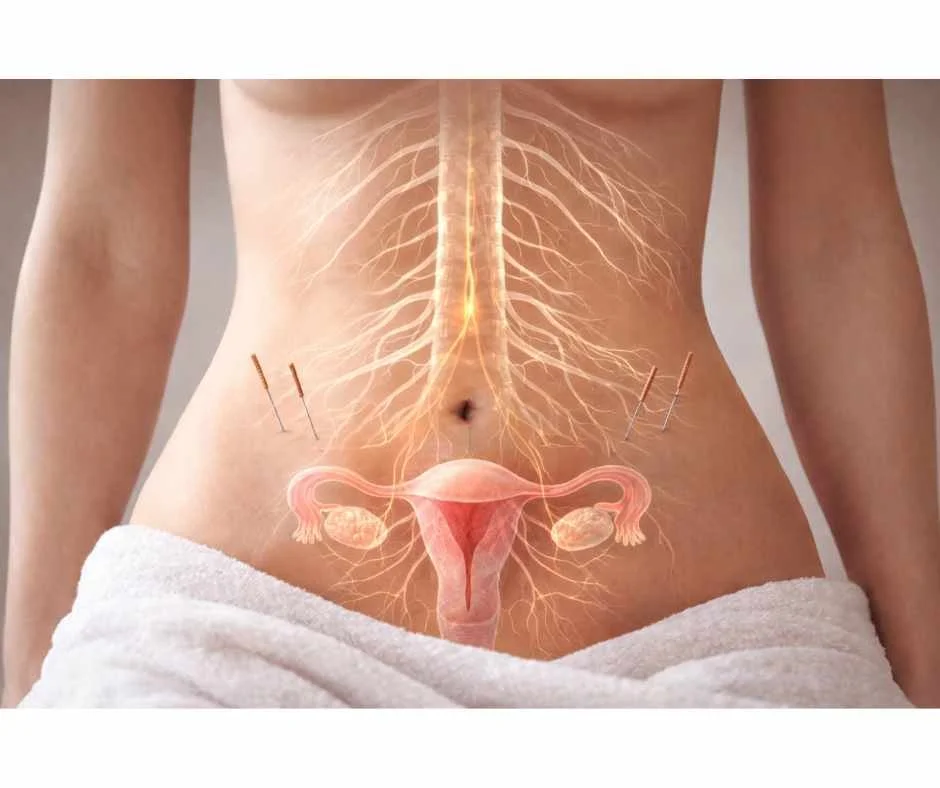
Read MoreFertility hormones respond to nervous system signaling, stress physiology, circulation, and metabolic balance. This article explains how acupuncture supports hormonal regulation and reproductive readiness in both natural conception and IVF.
Read MoreAcupuncture may help digestive issues like IBS, reflux, bloating, constipation, and inflammation by improving gut motility, calming the nervous system, and supporting gut–brain regulation through a functional medicine and Traditional Chinese Medicine approach.
Read MorePCOS involves disrupted hormonal and nervous system signaling rather than a single imbalance. This article explains how acupuncture may support ovulation, cycle regulation, insulin sensitivity, and stress physiology as part of integrative PCOS care.
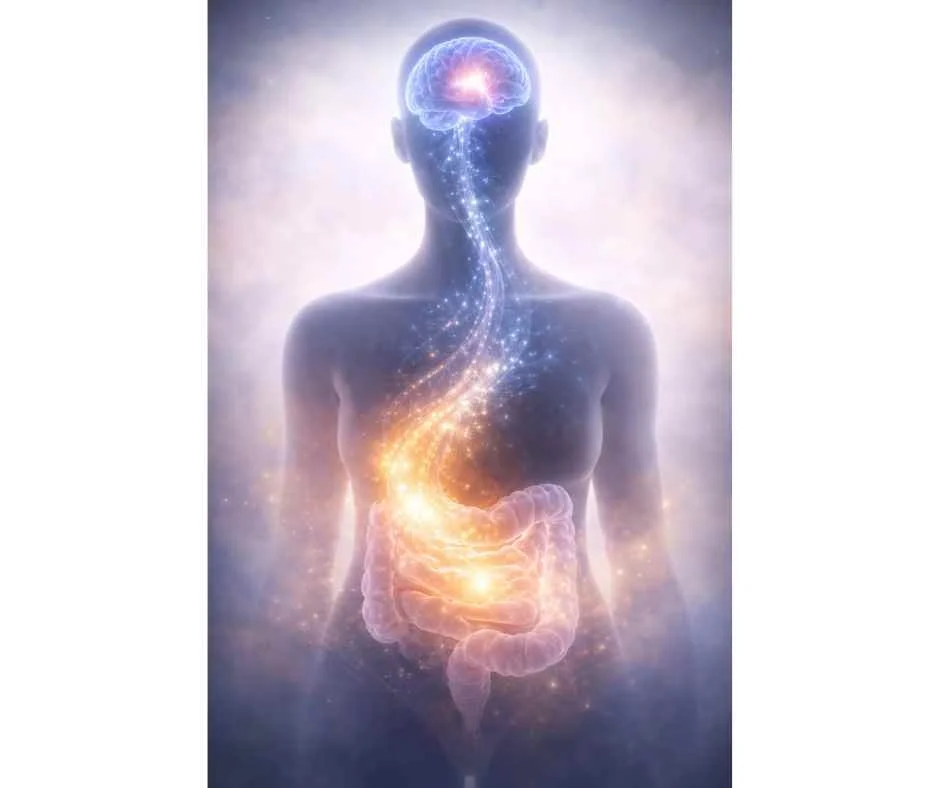
Read MoreThe gut–brain connection describes the constant communication between the digestive system and the nervous system that shapes digestion, inflammation, stress response, mood, and cognitive function. Disruptions in gut health can influence far more than digestion alone—helping explain why symptoms such as anxiety, fatigue, brain fog, and chronic inflammation often overlap.
Read MorePolycystic Ovary Syndrome is not a single condition with a single cause. This guide explains the four main PCOS patterns—insulin-driven, post–birth control, inflammatory, and adrenal—and why identifying your specific type is essential for understanding symptoms and making informed care decisions.
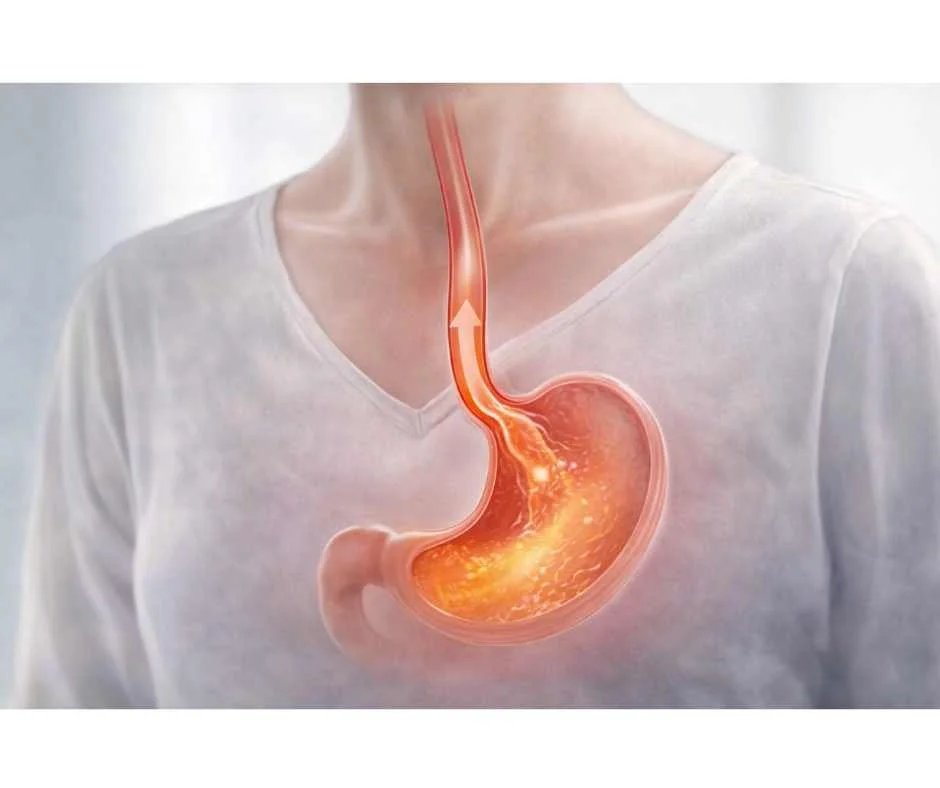
Read MoreHeartburn and acid reflux aren’t always caused by too much stomach acid. In many cases, reflux develops when digestion is impaired, stomach acid is too low, and the valve between the stomach and esophagus doesn’t function properly—creating symptoms that persist despite acid-suppressing treatment.
Read MoreBreast cancer develops within a complex biological terrain shaped by metabolism, hormones, immune regulation, detoxification, and chronic stress. This article explores how a holistic, integrative approach supports healing, recovery, and long-term resilience by addressing the underlying conditions that influence disease behavior.
Read More