

How to Heal Your Gut After Antibiotics: Rebuilding the Microbiome and Preventing Long-Term Dysbiosis
A functional medicine approach to rebuilding digestion, immunity, and gut resilience after antibiotic use
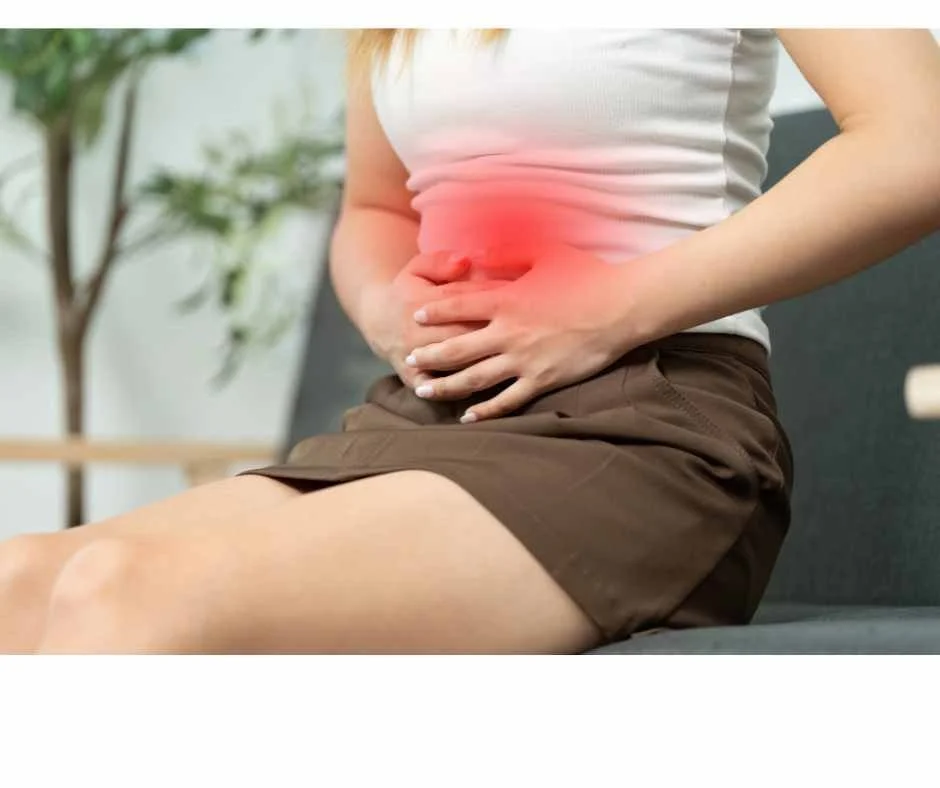
Antibiotics are among the most commonly prescribed medications. When clearly indicated—such as in serious bacterial infections—they can be lifesaving. But they are also frequently prescribed for conditions that may not require them. What often goes unaddressed is what happens to the body afterward.
For many people, antibiotics don’t mark the end of symptoms. Instead, they mark the beginning of new ones.
Bloating. Gas. Constipation or diarrhea. Reflux. Abdominal discomfort. New food sensitivities. Recurrent yeast infections. Fatigue that wasn’t there before.
These changes can show up within days—or weeks to months later.
This is not random.
Antibiotics don’t just target harmful bacteria. They reduce overall microbial diversity, eliminate beneficial species, and alter immune and metabolic signaling in the gut (1). The gut microbiome plays a central role in digestion, immune regulation, hormone balance, and even nervous system function. When that ecosystem is disrupted, symptoms often extend beyond digestion.
Healing the gut after antibiotics isn’t passive. And it isn’t as simple as taking a probiotic.
True recovery requires restoring beneficial bacteria, repairing intestinal barrier integrity, supporting immune balance, and reestablishing healthy communication between the gut and nervous system.
When this recovery phase is ignored, short-term digestive symptoms can evolve into persistent dysbiosis, immune reactivity, and chronic inflammation. When it’s addressed intentionally, however, the microbiome often regains stability—and resilience improves over time.
In this article, you’ll learn what antibiotics actually do to the gut, why symptoms can persist long after treatment ends, and what a structured, physiology-informed recovery plan looks like.
→ Gut Health & Digestive Restoration
How Do You Heal Your Gut After Antibiotics?
Healing your gut after antibiotics involves rebuilding beneficial bacteria, repairing the intestinal lining, restoring microbial diversity, and supporting immune balance through diet, targeted probiotics, and lifestyle support. Recovery may take several weeks to months depending on the type of antibiotic used and your overall health.
How Do Antibiotics Affect Gut Health and the Microbiome?
The gastrointestinal tract is more than a digestive tube. It is one of the body’s primary interfaces with the outside world—constantly interacting with food, microbes, medications, and environmental exposures. It also plays a central role in immune regulation, hormone metabolism, neurotransmitter production, and inflammation control.
Within this system lives the gut microbiome: trillions of microorganisms—including bacteria, fungi, and archaea—that help regulate nutrient absorption, bile acid signaling, short-chain fatty acid production, and intestinal barrier integrity (2).
Most of these microbes are not harmful. In fact, they are essential.
Microbial diversity—having a wide range of beneficial organisms rather than dominance by a few species—is one of the strongest predictors of gut resilience and long-term health.
Antibiotics, however, cannot distinguish between harmful pathogens and protective microbes. Even a single course has been shown to reduce microbial diversity, suppress key butyrate-producing bacteria, and alter immune signaling for months (3). Butyrate is particularly important because it supports intestinal barrier repair, reduces inflammation, and nourishes colon cells.
Repeated antibiotic exposure compounds these effects.
When beneficial species are depleted, the ecosystem becomes less stable. Opportunistic bacteria or yeast can expand. Short-chain fatty acid production declines. Tight junction integrity weakens. Communication along the gut–brain axis becomes dysregulated.
The result is not just digestive discomfort—it is a shift in how the immune, metabolic, and nervous systems function.
Signs and Symptoms of Gut Dysbiosis After Antibiotics
When the microbiome is disrupted, the effects rarely stay confined to digestion.
Post-antibiotic dysbiosis has been associated with increased intestinal permeability, immune dysregulation, altered neurotransmitter signaling, and metabolic disruption (4). In practical terms, this means symptoms may show up in ways that don’t immediately seem connected to the gut.
Common digestive symptoms include:
Gas and bloating
Constipation or diarrhea
Heartburn or reflux
Abdominal discomfort
Recurrent yeast infections
But symptoms may also extend beyond digestion.
Over time, unresolved dysbiosis has been linked to increased allergy sensitivity, anxiety, low mood, sleep disturbances, joint pain, and immune reactivity (5). Antibiotic-induced shifts in microbial balance can also create an environment that allows yeast to overgrow—contributing to fatigue, brain fog, skin changes, and persistent inflammation.
Many patients are surprised to learn that their new symptoms began after an antibiotic course. The connection is often missed because the timeline isn’t always immediate.
When microbial balance is disrupted, the ripple effects can extend into immune function, nervous system regulation, and inflammatory control—long after the original infection has resolved.
How to Restore Gut Health After Antibiotics
Antibiotics are powerful medications with clear benefits in serious bacterial infections. However, they are frequently overprescribed and often unnecessary. Their impact on microbial diversity, immune regulation, and intestinal barrier function is significant. When antibiotics are used, intentional gut recovery should be considered part of responsible treatment—not a separate or optional step.
Research shows that antibiotic exposure increases the risk of small intestinal bacterial overgrowth (SIBO), fungal overgrowth, and persistent gastrointestinal dysfunction when the microbiome is not properly restored (6). These downstream complications are not simply side effects—they reflect an incomplete recovery process.
Antibiotics do not only target pathogens. They reduce beneficial bacteria, suppress short-chain fatty acid production, and disrupt immune signaling pathways that help maintain gut stability. Without structured support, the microbiome may remain depleted or imbalanced long after the original infection has resolved.
Restoring gut health after antibiotics requires more than symptom relief. It involves rebuilding microbial diversity, repairing intestinal barrier function, supporting digestive capacity, and reestablishing immune balance.
The 4R Protocol for Healing Your Gut After Antibiotics
In functional medicine, this recovery process is commonly structured using the 4R framework—a systematic approach designed to stabilize the gut environment and promote long-term resilience rather than temporary symptom suppression.
After antibiotics, the gut environment is often unstable. Microbial diversity is reduced, immune signaling is altered, and the intestinal lining may be more vulnerable. The 4R framework provides a structured way to restore balance rather than guessing or layering random supplements.
1. Remove
The first step is reducing inputs that continue to irritate the gut or fuel microbial imbalance.
After antibiotic exposure, opportunistic organisms can expand more easily. Continuing to consume highly processed or inflammatory foods may prolong dysbiosis and delay recovery.
This typically includes minimizing or temporarily eliminating:
Added sugars and refined carbohydrates
Ultra-processed foods
Industrial seed oils high in omega-6 fatty acids
Chemically treated or glyphosate-contaminated foods
Gluten, particularly in sensitive individuals
Conventional dairy, soy, and corn may also contribute to ongoing irritation in some individuals and should be evaluated case by case.
The goal is not long-term restriction. It is creating a stable environment where beneficial microbes can recover and the intestinal lining can repair.
2. Replace
Antibiotics can alter digestive enzyme activity, bile acid metabolism, and short-chain fatty acid production. When digestion is inefficient, fermentation increases—often leading to bloating, pressure, and irregular bowel habits.
Supporting digestion during recovery improves nutrient absorption and reduces symptom burden while the microbiome rebuilds (7).
Key supportive foods include:
A wide variety of fiber-rich vegetables, fruits, nuts, and seeds
Omega-3–rich fish such as salmon, sardines, and mackerel
Organic extra-virgin olive oil (used cold to preserve polyphenols)
Medicinal mushrooms
Anti-inflammatory herbs and spices including garlic, ginger, and turmeric
Dietary diversity is especially important. A broader range of plant fibers and polyphenols supports microbial diversity more effectively than relying on a single “gut health” food.
3. Reinoculate and Reinforce
Antibiotics significantly reduce beneficial bacterial populations—and sometimes protective yeast species as well. Strategic reinoculation helps restore microbial balance (8).
Fermented foods such as yogurt, kefir, sauerkraut, kimchi, miso, and kombucha provide naturally occurring probiotics when tolerated.
In many cases—particularly after repeated antibiotic courses or persistent symptoms—targeted probiotic supplementation may be appropriate. Strain selection, timing, and dosage matter. Introducing probiotics too aggressively can worsen bloating in certain individuals.
Once microbial balance begins to stabilize, prebiotic fibers are gradually introduced. Prebiotics serve as fuel for beneficial microbes and support long-term short-chain fatty acid production.
Reinoculation is not about overwhelming the gut—it is about rebuilding strategically.
4. Repair
Antibiotics can weaken tight junction integrity and disrupt mucosal immune defenses, increasing intestinal permeability (9). If the gut lining remains compromised, symptoms may persist even when microbial diversity improves.
Targeted nutrients that support intestinal barrier repair may include:
L-glutamine
Zinc carnosine
Deglycyrrhizinated licorice (DGL)
Slippery elm and marshmallow root
Aloe vera
Polyphenols such as quercetin and curcumin
Vitamin D
Repair tends to be most effective after inflammatory triggers are reduced and microbial imbalance is stabilizing. Attempting to “seal the gut” before addressing dysbiosis can slow progress.
When the 4R process is implemented thoughtfully and in the correct sequence, digestion often improves, immune reactivity decreases, and long-term gut resilience is restored.
How Lifestyle Habits Help Rebuild Gut Bacteria After Antibiotics
Healing the gut after antibiotics requires more than supplements or dietary changes. The microbiome is highly responsive to daily inputs—movement, sleep, stress, and nervous system regulation all influence microbial diversity, intestinal barrier integrity, and immune signaling.
Small, consistent lifestyle shifts can meaningfully accelerate recovery.
How Exercise Helps Restore Gut Health After Antibiotics
Regular physical activity has been shown to increase microbial diversity and support short-chain fatty acid production—even independent of diet (10). Movement improves circulation to the digestive tract, enhances motility, and supports vagal tone, all of which help stabilize the gut environment.
This does not require intense training. Walking, resistance training, yoga, and moderate aerobic activity can all support microbiome recovery when performed consistently.
Why Sleep Is Critical for Gut Healing After Antibiotics
Sleep is one of the most underestimated components of gut healing.
Circadian rhythms influence microbial activity. When sleep is fragmented or insufficient, microbial patterns shift, immune repair is impaired, and intestinal permeability increases. Over time, poor sleep can prolong inflammation and delay recovery after antibiotic exposure.
Prioritizing consistent sleep timing, reducing late-night light exposure, and supporting healthy circadian alignment are foundational during gut restoration.
How Stress Affects the Gut Microbiome After Antibiotic Use
Chronic stress directly alters gut physiology.
Activation of the sympathetic nervous system increases inflammatory signaling and reduces vagal tone. The vagus nerve plays a critical role in gut motility, secretion, and barrier regulation. When vagal tone is suppressed, digestion slows, microbial balance shifts, and symptoms such as bloating, constipation, or reflux can worsen.
Practices that support nervous system regulation—such as breathwork, acupuncture, time in nature, gentle movement, and structured stress management—can improve gut function by restoring parasympathetic balance.
Supporting gut recovery after antibiotics therefore requires addressing the whole system. When movement, sleep, and stress regulation are aligned with physiological repair, dietary and therapeutic interventions tend to be more effective—and better tolerated.
Gut healing is not just about what you add. It is also about the daily signals you send to your nervous system and immune system.
Can Antibiotics Cause Long-Term Gut Damage?
The gut is not just a digestive organ—it is a central regulatory system influencing immune tolerance, hormone metabolism, neurological signaling, and inflammatory balance. After antibiotic exposure, these interconnected systems can remain disrupted long after the initial infection has resolved.
Digestive symptoms may improve partially. But microbial diversity, intestinal barrier integrity, and immune regulation often take longer to recalibrate. Without intentional support, temporary disruption can evolve into persistent dysbiosis, increased intestinal permeability, and broader systemic effects.
Delaying gut recovery after antibiotics increases the risk of ongoing symptoms such as bloating, reflux, constipation, food sensitivities, fatigue, immune reactivity, and recurrent infections.
Early intervention changes the trajectory.
Effective gut restoration is not a single supplement or short-term protocol. It requires identifying why recovery has stalled, which systems remain imbalanced, and how to support microbiome rebuilding and intestinal repair in a way that matches individual physiology.
When addressed early and comprehensively, post-antibiotic gut disruption is often reversible—and long-term resilience can be restored.
At Denver Sports & Holistic Medicine, care is grounded in a root-cause, systems-based approach that integrates functional medicine, targeted diagnostics, nutrition, lifestyle therapy, and acupuncture. Rather than applying a generalized plan, evaluation focuses on identifying the specific barriers preventing microbiome recovery and gut repair.
Timely support can reduce the risk of chronic digestive dysfunction, immune dysregulation, and persistent inflammatory patterns—often shortening the overall recovery timeline.
When Should You Seek Help for Gut Problems After Antibiotics?
If you’re experiencing lingering digestive symptoms, food sensitivities, recurrent infections, or unexplained systemic changes after antibiotics, further clarity may be helpful.
Frequently Asked Questions About Healing the Gut After Antibiotics
How Long Does It Take to Restore Gut Health After Antibiotics?
Gut recovery timelines vary. Some people notice improvement within 2–6 weeks, but full microbiome restoration can take several months, especially after repeated or high-dose antibiotic use. Recovery depends on diet, microbial diversity, sleep quality, stress levels, and whether intestinal barrier repair is supported.
Can Antibiotics Cause Long-Term Gut Damage?
Antibiotics can significantly reduce microbial diversity and disrupt immune signaling. While this disruption is often reversible, incomplete recovery may lead to persistent dysbiosis, increased intestinal permeability, or ongoing digestive symptoms. Long-term issues typically reflect unresolved imbalance rather than permanent damage.
What Are the Signs Your Gut Has Not Recovered After Antibiotics?
Persistent bloating, gas, constipation, diarrhea, reflux, food sensitivities, fatigue, recurrent yeast infections, and increased immune reactivity may indicate incomplete microbiome recovery. Symptoms can appear weeks or months after antibiotic treatment.
Can Antibiotics Lead to SIBO?
Yes. Antibiotics can increase the risk of small intestinal bacterial overgrowth (SIBO) by disrupting microbial balance and altering gut motility. Symptoms such as abdominal pressure, belching, bloating after meals, and irregular bowel habits may warrant further evaluation.
Should You Take Probiotics During or After Antibiotics?
Some individuals benefit from probiotics during antibiotic treatment, while others respond better after completion. The timing and strain selection matter. After antibiotics, targeted probiotic support is often more effective for rebuilding microbial diversity and restoring balance.
When Should You Get Tested After Antibiotics?
Testing may be helpful if symptoms persist beyond several weeks, are severe, or include recurrent infections, unexplained weight changes, or ongoing digestive disruption. Testing can clarify whether dysbiosis, SIBO, fungal overgrowth, or intestinal permeability are contributing factors.
What Foods Help Restore Gut Bacteria After Antibiotics?
A diverse, fiber-rich, anti-inflammatory diet supports microbiome recovery. Emphasize vegetables, fruits, legumes, nuts, seeds, omega-3 fats, and fermented foods if tolerated. Dietary diversity is more important than focusing on a single “gut health” food.
Can Stress Delay Gut Healing After Antibiotics?
Yes. Chronic stress increases inflammatory signaling and reduces vagal tone, which affects gut motility and barrier function. Ongoing stress can prolong dysbiosis and delay microbiome recovery.
Is Gut Recovery Necessary After Every Antibiotic Course?
Even a single course can reduce microbial diversity. While not everyone develops symptoms, intentional recovery support can reduce the risk of dysbiosis and long-term gut imbalance, particularly after repeated or broad-spectrum antibiotic use.
Still Have Questions?
If the topics above reflect ongoing symptoms or unanswered concerns, a brief conversation can help clarify whether a root-cause approach is appropriate.
Resources
Cell – Host–microbiome interactions in health and disease
Nature Reviews Gastroenterology & Hepatology – The role of the gut microbiota in immune regulation
Gut – Long-term effects of antibiotic exposure on the human gut microbiome
Frontiers in Immunology – Intestinal permeability and immune activation
Frontiers in Psychiatry – The gut–brain axis and mental health
Clinical Gastroenterology and Hepatology – Small intestinal bacterial overgrowth mechanisms
Journal of Nutrition – Short-chain fatty acids and intestinal barrier integrity
Current Opinion in Gastroenterology – Probiotics and post-antibiotic microbiome recovery
American Journal of Physiology – Gastrointestinal and Liver Physiology – Antibiotics and gut barrier disruption
Sports Medicine – Exercise-induced modulation of the gut microbiome
Evidence-Based Complementary and Alternative Medicine – Acupuncture and gastrointestinal function