

How the Body Detoxifies Naturally — and What Actually Supports the Process
A physiology-based guide to detox pathways, elimination capacity, and lifestyle foundations that must be in place before any structured detox.
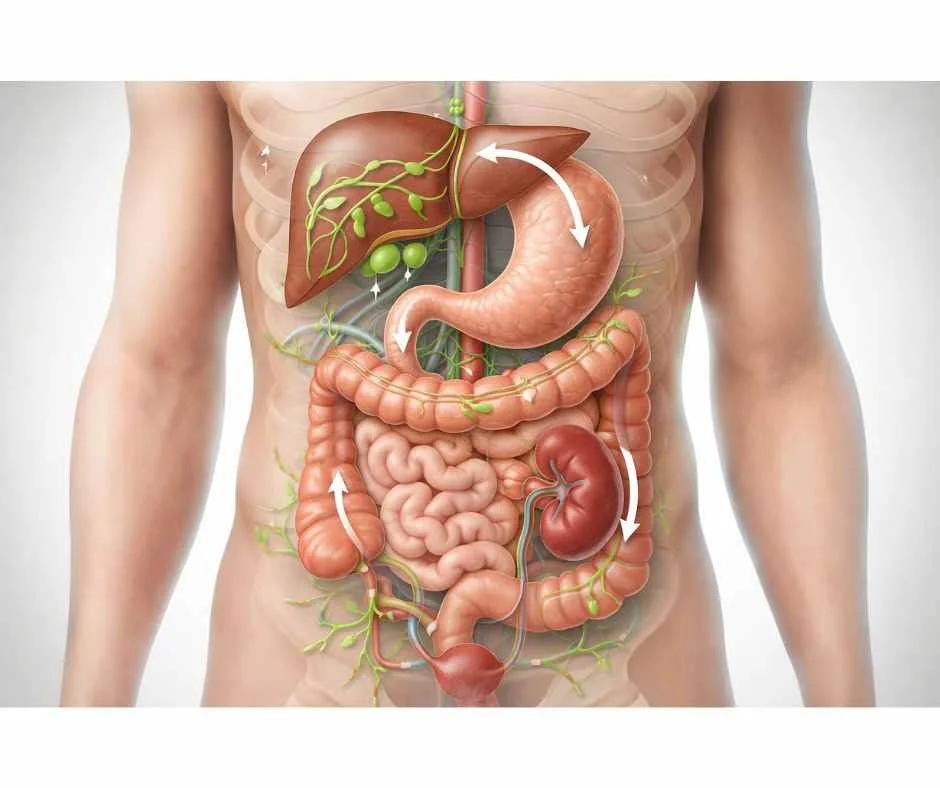
Detoxification has become one of the most misunderstood concepts in modern health. Juice cleanses, extreme fasts, and short-term “detox programs” often promise rapid results—yet many people are left feeling worse, not better. The problem is not that detoxification is unnecessary. It’s that detox is frequently approached without understanding how the body actually works.
Your body is detoxifying every moment of every day. This process is not something you switch on for a week and then abandon—it is a continuous, highly regulated physiological function involving the liver, digestive tract, kidneys, lymphatic system, lungs, skin, and nervous system. When these systems are supported and elimination pathways are functioning well, the body can process and remove toxins efficiently. When they are overwhelmed or impaired, symptoms often accumulate.
In today’s environment, toxic exposure is unavoidable. Chemicals in food and water, environmental pollutants, heavy metals, mold byproducts, medications, and even chronic stress all increase the body’s toxic load. At the same time, modern lifestyles—poor sleep, inadequate hydration, low fiber intake, sedentary habits, and nervous system dysregulation—can quietly impair the very systems responsible for detoxification. The result is not a failure to detox, but a mismatch between toxic burden and detox capacity.
Many people searching for detox symptoms, detox side effects, or why detox makes them feel worse are actually experiencing impaired elimination capacity rather than effective detoxification.
This article explains how the body detoxifies naturally and what meaningfully supports that process at a foundational level. Rather than promoting cleanses or aggressive interventions, the focus here is on physiology—how detox pathways work, why they struggle, and how nutrition, lifestyle, and nervous system regulation create the conditions necessary for effective detoxification. When these foundations are addressed first, more structured detox approaches, when appropriate, can be approached with greater safety and resilience.
What Detoxification Really Means — and What It Doesn’t
Detoxification is not a short-term intervention, a cleanse, or a reset button for the body. It is a continuous, highly regulated biological process that allows the body to neutralize, transform, and eliminate potentially harmful substances on an ongoing basis. These substances include metabolic byproducts the body produces naturally—such as excess hormones and inflammatory compounds—as well as external exposures from food, water, air, medications, and the environment (1, 2).
A common misconception is that detoxification is something the body only performs when prompted by fasting, special supplements, or restrictive diets. In reality, detox pathways are always active. The question is not whether detoxification is occurring, but how efficiently toxins are being processed and eliminated. When detox pathways function well, toxic compounds are rendered less harmful and excreted. When these pathways are impaired or overwhelmed, toxins may accumulate, recirculate, or place added strain on other physiological systems (3).
Another frequent misunderstanding is equating detoxification with toxin “release.” Mobilizing toxins without adequate elimination capacity does not constitute effective detoxification and may worsen symptoms. Proper detoxification depends not only on biochemical processing—primarily in the liver—but also on the body’s ability to move waste out through stool, urine, breath, and sweat (4). Without sufficient elimination, even well-functioning detox enzymes cannot complete the process safely.
For this reason, supporting detoxification is less about aggressively stimulating detox pathways and more about ensuring that foundational systems are stable. Adequate digestion, bowel regularity, hydration, kidney function, lymphatic flow, respiratory health, skin integrity, and nervous system regulation all influence whether detoxification proceeds smoothly or becomes a source of physiological stress (5).
Understanding detoxification as a systems-based process, rather than a single intervention, creates the framework for safer and more effective support. Before any structured detox approach is considered, the body’s baseline detox capacity must be assessed and strengthened—otherwise, attempts to “detox” may do more harm than good.
This systems-based understanding of detoxification is a core principle of functional care, where elimination capacity, nervous system regulation, and metabolic resilience are addressed together rather than in isolation.
→ Detoxification & Environmental Medicine
This article explains how the body detoxifies naturally, why detox pathways become impaired, and what foundational supports improve elimination capacity before any structured detox approach is considered.
The Body’s Core Detoxification Systems
Detoxification is not handled by a single organ or pathway. It is a coordinated, whole-body process that depends on the proper function and communication of multiple systems. Each system plays a distinct role in processing, transporting, and eliminating toxins. When even one of these systems becomes impaired, detoxification efficiency declines and toxic burden can increase (6).
Liver: Biochemical Processing and Transformation
The liver is the body’s primary detoxification organ. Its role is not to eliminate toxins directly, but to chemically transform them into forms that can be safely excreted. This occurs through tightly regulated enzymatic pathways that modify both internally produced compounds—such as excess hormones and metabolic byproducts—and externally derived toxins, including medications, alcohol, environmental chemicals, and microbial toxins.
Once transformed, these compounds must be moved out of the body through bile, urine, or stool. If downstream elimination pathways are sluggish, detoxification byproducts may recirculate, increasing systemic burden rather than reducing it (1).
Gastrointestinal Tract: Elimination and Barrier Function
The gastrointestinal tract is a central detoxification pathway, particularly for compounds excreted through bile. Adequate digestion, regular bowel movements, and a healthy intestinal barrier are essential for preventing toxins from being reabsorbed into circulation.
Disruptions in gut motility, microbiome balance, or intestinal permeability can impair detoxification by slowing elimination or increasing toxin reuptake. For this reason, detoxification capacity is closely tied to gut health, fiber intake, and overall digestive function (4).
Kidneys: Filtration and Urinary Excretion
The kidneys filter the blood continuously, removing water-soluble waste products, metabolic byproducts, and certain toxins for elimination through urine. Proper hydration and mineral balance are critical for kidney function and for maintaining efficient filtration and excretion.
When kidney function is compromised—or when dehydration concentrates toxins in the bloodstream—the body’s ability to eliminate waste effectively is reduced, increasing systemic toxic load (6).
Lymphatic System: Transport and Immune Clearance
The lymphatic system plays a key role in transporting cellular waste, immune byproducts, and toxins away from tissues and toward elimination pathways. Unlike the cardiovascular system, the lymphatic system relies on movement, muscle contraction, and breathing to circulate lymph fluid.
When lymphatic flow is sluggish—often due to sedentary behavior, inflammation, or nervous system dysregulation—toxins can accumulate in tissues, contributing to swelling, pain, and immune activation (7).
Respiratory System: Gas Exchange and Volatile Toxin Removal
The lungs are responsible for eliminating carbon dioxide and other volatile compounds produced during metabolism. Efficient breathing patterns support oxygen delivery and waste gas removal, both of which influence overall detoxification efficiency.
Chronic shallow breathing, airway inflammation, or respiratory compromise can impair this aspect of detoxification and increase physiological stress (9).
Skin: Protective Barrier and Sweat-Based Elimination
The skin serves as both a protective barrier and an auxiliary elimination organ. Through sweating, the body can excrete certain heavy metals, environmental toxins, and metabolic waste products.
While sweating is not a primary detox pathway, regular perspiration—through movement or heat exposure—can support overall detoxification when elimination pathways are functioning properly (10).
Nervous System: Regulation and Coordination
Although not traditionally labeled a detox organ, the nervous system plays a critical regulatory role in detoxification. Autonomic nervous system balance influences digestion, liver enzyme activity, lymphatic movement, kidney function, sleep quality, and inflammatory signaling.
Chronic stress and nervous system dysregulation can suppress detoxification efficiency by impairing multiple downstream systems simultaneously, highlighting the importance of regulation and recovery in any detox-supportive strategy (13).
Why Detoxification Pathways Struggle in the Modern World
In theory, the body’s detoxification systems are well equipped to manage a wide range of toxic exposures. In practice, however, modern life places an unprecedented and sustained burden on these systems. Detoxification challenges rarely stem from a single toxin or exposure; instead, they arise from the combined effects of cumulative toxic load, impaired elimination capacity, and chronic physiological stress (17).
Cumulative Toxic Load
Humans are now exposed to thousands of synthetic chemicals through food, water, air, medications, and consumer products. Many of these compounds were not present during most of human evolutionary history and place novel demands on detoxification pathways. Even low-level exposures can become problematic when they occur continuously and from multiple sources.
Unlike acute toxic exposures, which the body is often able to clear efficiently, chronic low-dose exposure can gradually overwhelm detoxification systems, particularly when elimination pathways are compromised (16).
Impaired Elimination Capacity
Detoxification does not fail solely because of exposure—it fails when elimination cannot keep pace. Inadequate bowel regularity, poor hydration, reduced kidney filtration, shallow breathing patterns, limited movement, and impaired sweating all reduce the body’s ability to move toxins out effectively.
When elimination slows, toxins that have already been processed by the liver may be reabsorbed or redistributed, increasing systemic burden rather than reducing it. This is why individuals may feel worse during attempts to “detox” if elimination capacity has not been adequately supported first (6).
Digestive and Microbiome Disruption
The gastrointestinal tract plays a central role in detoxification, yet it is commonly compromised by ultra-processed diets, low fiber intake, food intolerances, infections, and chronic inflammation. Disruptions in gut motility or microbiome balance can impair toxin elimination and increase intestinal reabsorption of bile-bound toxins.
Over time, this can contribute to a cycle in which detoxification becomes progressively less efficient despite ongoing liver activity (5).
Sleep Disruption and Circadian Dysregulation
Detoxification is closely tied to circadian rhythm. Liver enzyme activity, lymphatic movement, hormone clearance, and cellular repair processes are all influenced by sleep quality and timing. Chronic sleep deprivation or circadian disruption can impair these processes and increase overall toxic burden.
Inadequate sleep does not simply reduce energy—it alters the body’s ability to repair and clear metabolic waste (11).
Chronic Stress and Nervous System Dysregulation
Persistent psychological or physiological stress shifts the nervous system toward a sympathetic, survival-oriented state. In this state, digestion slows, elimination pathways are deprioritized, inflammatory signaling increases, and detoxification efficiency declines.
Even with optimal nutrition, chronic nervous system dysregulation can undermine detoxification by impairing coordination across multiple systems simultaneously (13).
Nutrient Insufficiency
Detoxification relies on adequate availability of nutrients that support enzymatic activity, antioxidant balance, and tissue repair. Modern diets—particularly those low in whole foods and fiber—may fail to provide consistent nutritional support for detoxification pathways, further reducing resilience under toxic load (16).
Taken together, these factors help explain why many individuals experience symptoms associated with toxic burden despite seemingly “healthy” habits. Detoxification challenges are rarely the result of a single failure; they emerge when exposure exceeds capacity over time.
Supporting Detox Capacity Before Any Cleanse or Protocol
Before structured detoxification is considered, the body’s baseline capacity to process and eliminate toxins must be stable. Detoxification does not improve simply by increasing biochemical activity in the liver; it improves when elimination pathways are open, regulated, and supported. Without this foundation, attempts to “detox” often lead to symptom flares, fatigue, headaches, digestive distress, or inflammatory reactions (3).
The following areas represent capacity support, not detox protocols. They create the physiological conditions required for safe and effective detoxification when deeper intervention is warranted.
Movement, Circulation, and Sweating
Regular movement supports detoxification by improving circulation, lymphatic flow, digestion, and metabolic waste removal. Unlike the cardiovascular system, lymphatic circulation depends on muscle contraction and breathing to move fluid and cellular waste out of tissues .
Sweating through movement or heat exposure can support auxiliary elimination pathways, particularly when hydration and mineral balance are adequate. While sweating alone does not “detox” the body, it can complement other elimination processes when foundational systems are functioning well (8).
Hydration and Fluid Balance
Water is essential for kidney filtration, bowel regularity, lymphatic movement, and temperature regulation. Even mild dehydration can impair toxin elimination by concentrating waste products and slowing urinary and digestive clearance.
Consistent hydration supports detox capacity by facilitating transport and excretion rather than forcing elimination through restrictive or stimulating approaches (6).
Fiber Intake and Bowel Regularity
One of the most common barriers to detoxification is inadequate bowel elimination. Many detox byproducts are excreted through bile into the gastrointestinal tract and must be removed via stool to complete the process.
Adequate intake of soluble and insoluble fiber supports stool bulk, motility, and microbial balance, reducing the likelihood that toxins will be reabsorbed through the intestinal lining (15).
Clean, Nutrient-Dense Food Intake
Food quality directly influences both toxic load and detox capacity. Diets high in ultra-processed foods, pesticides, additives, and inflammatory fats increase the burden placed on detoxification systems, while nutrient-dense whole foods provide the substrates required for enzymatic processing and tissue repair.
Reducing incoming toxic exposure through food sourcing is often one of the most effective ways to support detoxification without increasing physiological stress (17).
Sleep and Circadian Regulation
Detoxification efficiency is closely tied to circadian rhythm. Liver enzyme activity, hormone clearance, lymphatic movement, and cellular repair processes are influenced by sleep timing and quality. Chronic sleep disruption impairs these processes and increases systemic inflammatory load (11).
Supporting consistent, restorative sleep is a foundational detox strategy, not an optional lifestyle upgrade.
Reducing Ongoing Toxic Exposure
Detox capacity cannot outpace constant exposure. Limiting contact with endocrine-disrupting chemicals, contaminated water, air pollutants, and household toxins reduces the ongoing burden placed on detoxification systems and allows elimination pathways to recover (18).
This step is often more impactful than adding supplements or interventions prematurely.
Gentle Botanical and Nutritional Support
In some cases, gentle nutritional or botanical support may help reinforce detox capacity. This support should be individualized and non-mobilizing, focused on resilience rather than aggressive toxin release. Introducing supplements without assessing elimination readiness can increase symptom burden rather than reduce it (20).
Clinical guidance is essential when considering any form of detox support beyond foundational lifestyle measures.
Nervous System Regulation and Acupuncture
Detoxification is a regulated process, not a purely mechanical one. Nervous system balance influences digestion, liver function, lymphatic movement, sleep quality, and inflammatory signaling. Chronic sympathetic activation can suppress detoxification by impairing coordination across systems.
Acupuncture and other nervous system–regulating therapies can support detox capacity indirectly by improving autonomic balance, circulation, and physiological resilience (19).
When these foundations are in place, the body is better equipped to tolerate and benefit from more structured detoxification strategies. Without them, even well-designed detox protocols may produce limited results or unwanted reactions.
Achieving Optimal Health by Supporting Your Body’s Natural Detoxification Pathways
Toxic overload is frequently underrecognized in clinical care, yet it can quietly influence nearly every system in the body. When detoxification pathways are not functioning optimally, the effects often show up as changes in skin health, digestion, energy levels, cognitive clarity, hormone balance, and inflammatory burden.
Although the liver, kidneys, gastrointestinal tract, lymphatic system, respiratory system, and skin are constantly working to process and eliminate toxins, modern exposures and lifestyle stressors can exceed their capacity over time. Supporting these pathways through nutrition, sleep, movement, nervous system regulation, and reduced toxic input helps restore balance and resilience rather than forcing the body into aggressive detox reactions.
At Denver Sports and Holistic Medicine, we take a systems-based approach to detoxification. We work with patients to identify factors contributing to toxic burden, impaired elimination, or detox intolerance, and tailor support using functional medicine, advanced lab testing, acupuncture, and individualized care strategies. The goal is not short-term detox, but long-term physiological stability.
Take The Next Step
You may request a free 15-minute consultation with Dr. Martina Sturm to review your health concerns and outline appropriate next steps within a root-cause, systems-based framework.
Frequently Asked Questions About Detoxification
What does detoxification actually mean in the body?
Detoxification refers to the body’s ongoing process of transforming and eliminating metabolic waste, hormones, and environmental toxins. This process involves the liver, kidneys, digestive tract, lymphatic system, lungs, skin, and nervous system working together continuously. Detoxification is not something that turns on temporarily—it is always occurring.
Do detox cleanses or juice fasts actually work?
Short-term cleanses and juice fasts do not improve the body’s detoxification systems in a meaningful or lasting way. In some cases, they can worsen symptoms by mobilizing toxins without supporting elimination pathways such as bowel movements, kidney function, or lymphatic flow.
Why do some people feel worse when they try to detox?
Feeling worse during a detox attempt often indicates that toxins are being mobilized faster than the body can eliminate them. Common reasons include constipation, dehydration, poor sleep, nervous system stress, or inadequate nutritional support. Detox symptoms are often a sign of impaired elimination capacity rather than effective detoxification.
How do I know if my detox pathways need support?
Signs that detoxification pathways may be under strain include persistent fatigue, brain fog, headaches, skin issues, bloating, irregular bowel movements, hormone-related symptoms, or heightened sensitivity to foods, chemicals, or medications. These symptoms are not diagnostic on their own but can indicate a mismatch between toxic load and detox capacity.
Is detoxification mainly about the liver?
The liver plays a central role in detoxification, but it cannot complete the process alone. Toxins must ultimately be eliminated through stool, urine, breath, or sweat. If downstream pathways such as the gut, kidneys, lymphatic system, or nervous system are impaired, detoxification becomes inefficient regardless of liver function.
Can improving sleep really affect detoxification?
Yes. Detoxification processes are closely tied to circadian rhythm. Poor or inconsistent sleep can impair liver enzyme activity, hormone clearance, lymphatic movement, and cellular repair. Supporting sleep quality is one of the most important foundational steps for improving detox capacity.
Is sweating necessary for detoxification?
Sweating is not the primary detox pathway, but it can support overall detoxification when hydration and elimination pathways are functioning well. Sweating complements other systems rather than replacing the need for bowel, kidney, and liver function.
Should everyone do a detox program?
Not necessarily. Many people benefit more from improving foundational factors such as hydration, bowel regularity, nutrition, sleep, and stress regulation before considering any structured detox approach. Detox programs are not one-size-fits-all and should be tailored based on individual health status and elimination capacity.
How is a functional medicine approach to detox different?
A functional medicine approach focuses on identifying sources of toxic burden, assessing elimination pathways, and supporting detoxification in a gradual, regulated way. The emphasis is on safety, personalization, and long-term physiological balance rather than rapid detox or symptom suppression.
Still Have Questions?
If the topics above reflect ongoing symptoms or unanswered concerns, a brief conversation can help clarify whether a root-cause approach is appropriate.
Resources
Annual Review of Pharmacology and Toxicology – Role of Cytochrome P450 Enzymes in Drug Metabolism and Detoxification
Toxicological Sciences – Biotransformation and Elimination of Xenobiotics in Humans
Journal of Hepatology – Liver Detoxification Pathways and Systemic Health
Clinical Gastroenterology and Hepatology – Bile Acid Metabolism and Intestinal Detoxification
Gut Microbes – The Gut Microbiome and Xenobiotic Metabolism
Nephrology Dialysis Transplantation – Renal Clearance of Metabolic and Environmental Toxins
Physiology – The Lymphatic System in Tissue Homeostasis and Immune Function
Journal of Applied Physiology – Lymphatic Flow, Movement, and Waste Clearance
American Journal of Respiratory and Critical Care Medicine – Pulmonary Gas Exchange and Volatile Compound Elimination
Environmental Health Perspectives – Sweat as a Route of Detoxification for Heavy Metals and Chemicals
Sleep Medicine Reviews – Circadian Regulation of Metabolism and Detoxification
Nature Reviews Endocrinology – Circadian Disruption, Hormone Clearance, and Metabolic Stress
Psychoneuroendocrinology – Stress, Autonomic Nervous System Balance, and Systemic Inflammation
Frontiers in Neuroscience – Autonomic Regulation of Digestive and Metabolic Function
Nutrients – Dietary Fiber, Gut Motility, and Toxin Elimination
Journal of Nutrition – Micronutrients Required for Detoxification Enzyme Function
Environmental Research – Chronic Low-Dose Chemical Exposure and Cumulative Toxic Load
International Journal of Environmental Research and Public Health – Endocrine Disrupting Chemicals and Human Health
Journal of Alternative and Complementary Medicine – Acupuncture and Autonomic Nervous System Regulation
Clinical Nutrition – Nutrient Insufficiency and Impaired Detoxification Capacity