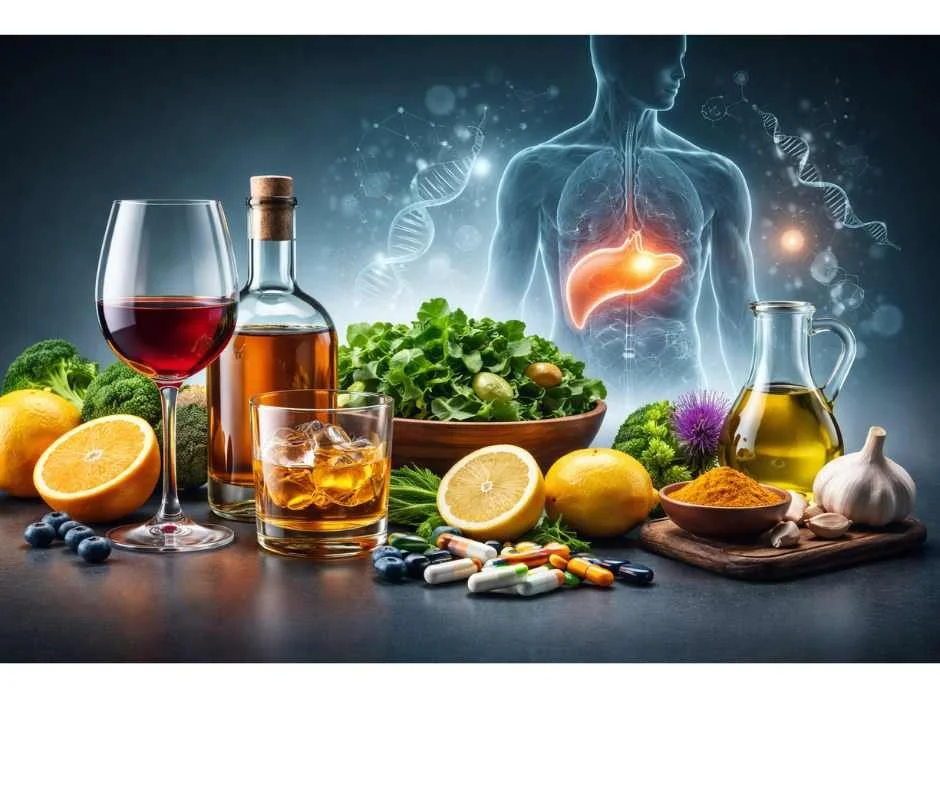
Alcohol is deeply normalized in modern culture, yet from a biological standpoint it functions as a systemic toxin. This in-depth article explores how alcohol impacts detoxification pathways, nutrient reserves, gut health, sleep quality, and nervous system regulation—and why individual biology determines risk long before conventional disease markers appear.
Read MoreAlcohol may help you fall asleep, but it disrupts REM sleep, circadian rhythm signaling, and nervous system regulation—leading to fragmented, non-restorative rest.

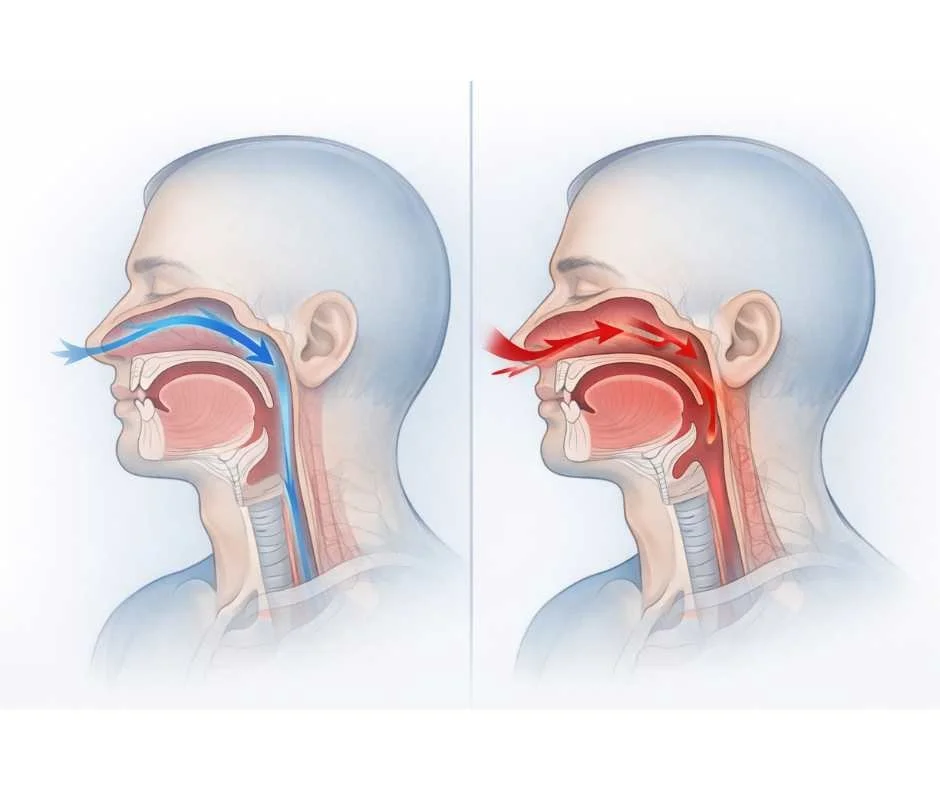
Read MoreSleep apnea is a systemic condition that affects breathing, metabolism, inflammation, and nervous system regulation. This article explores how conventional treatment, functional medicine, and acupuncture can work together to support airway stability, sleep quality, and long-term health.
Read MoreMigraines are more than headaches. This article explains the root causes of migraines and how a functional medicine approach—addressing gut health, hormones, nutrients, stress, and nervous system regulation—can support long-term relief.
Read MorePoor sleep is not just a lifestyle inconvenience—it is a systems-level disruption that affects hormones, metabolism, gut health, immune balance, and mental resilience long before disease develops.
Read MoreAcupuncture may help digestive issues like IBS, reflux, bloating, constipation, and inflammation by improving gut motility, calming the nervous system, and supporting gut–brain regulation through a functional medicine and Traditional Chinese Medicine approach.
Read MoreOxytocin plays a central role in hormonal regulation by signaling safety to the brain and shaping how stress, metabolic, and reproductive hormones are prioritized. This article explains the hormonal hierarchy and why hormone symptoms can persist even when labs appear normal.
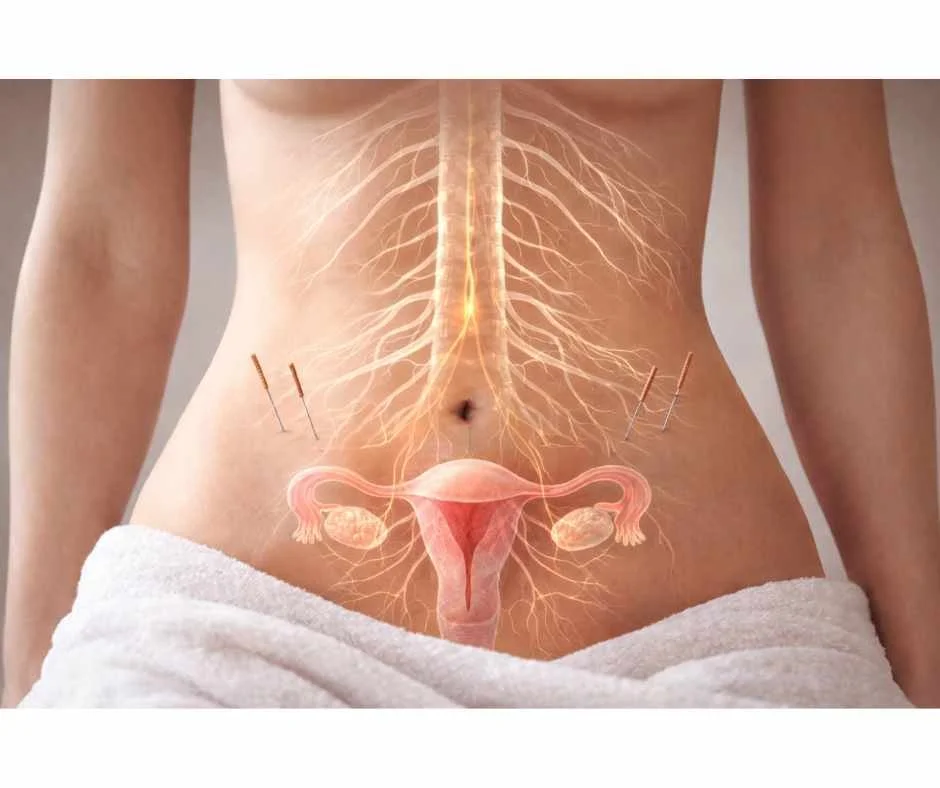
Read MorePCOS involves disrupted hormonal and nervous system signaling rather than a single imbalance. This article explains how acupuncture may support ovulation, cycle regulation, insulin sensitivity, and stress physiology as part of integrative PCOS care.
Read MoreAnxiety, depression, and PTSD are increasingly understood as conditions of nervous system dysregulation rather than isolated brain disorders. This article explores how acupuncture supports mental health by improving vagal tone, autonomic balance, inflammation control, and stress recovery—addressing root causes rather than suppressing symptoms.
Read MoreSmoking cessation is not just a willpower issue—it’s a nervous system pattern. This article explains how acupuncture supports quitting smoking by regulating stress response, reducing cravings, and helping prevent relapse through nervous system stabilization.
Read MoreDetoxification is a continuous physiological process—not a cleanse or reset. This article explains how the body detoxifies naturally, why modern life overwhelms detox pathways, and what foundational support is required before any structured detox approach.
Read MoreBreast cancer develops within a complex biological terrain shaped by metabolism, hormones, immune regulation, detoxification, and chronic stress. This article explores how a holistic, integrative approach supports healing, recovery, and long-term resilience by addressing the underlying conditions that influence disease behavior.
Read MoreAthletes often plateau or break down not because they lack effort, but because recovery capacity no longer matches training demand. This article explains how nervous system regulation, tissue adaptation, and recovery limits influence performance—and when further evaluation may be appropriate.
Read MoreBack pain is often regulated by more than muscle tension alone. This guide compares acupuncture and dry needling, explaining how acupuncture addresses nervous system regulation, inflammation, and long-term recovery.
Read MoreNot all hemp and CBD products are created equal. This clinical guide explains how to evaluate quality based on testing, formulation, and manufacturing standards—not marketing claims.
Read MoreFull-spectrum hemp oil, CBD oil, and hemp seed oil are often confused. This guide explains how they differ in composition, physiology, and appropriate use.
Read More