

Thyroid Dysfunction Explained: Why Symptoms Persist Despite Normal Lab Results
A functional medicine perspective on thyroid hormone conversion, cellular signaling, and the hidden drivers of persistent symptoms.
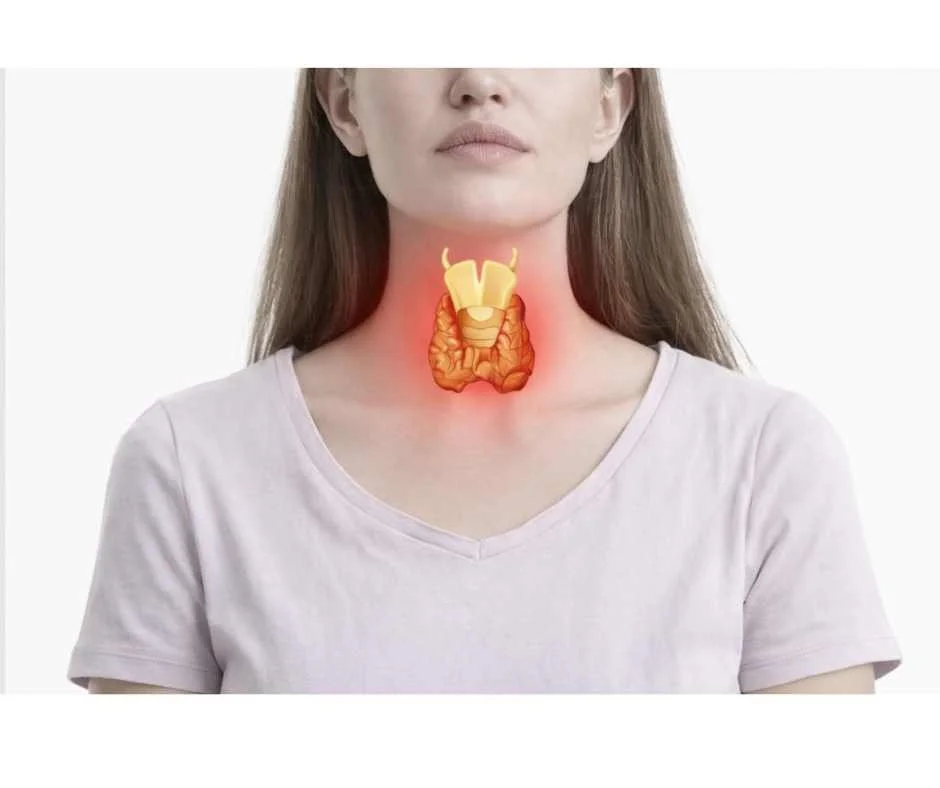
Thyroid dysfunction is one of the most common endocrine disorders worldwide, yet it remains among the most frequently underdiagnosed and misunderstood chronic health conditions. Millions of people experience fatigue, weight gain, brain fog, hair loss, cold intolerance, mood changes, menstrual irregularities, or exercise intolerance—often for years—despite being told their thyroid labs or TSH levels are “normal” (1).
This disconnect is common—and it is not imagined.
In many cases, persistent thyroid symptoms do not reflect a simple hormone deficiency. They reflect dysfunction within a broader regulatory network involving hormone conversion, cellular receptor sensitivity, immune signaling, stress physiology, gut health, nutrient status, and mitochondrial energy production. When evaluation stops at a single marker such as TSH, these deeper mechanisms are often overlooked.
This article explains why thyroid symptoms can persist despite normal lab results, what conventional testing may miss, and how a functional medicine, root-cause approach evaluates thyroid signaling at the systems level to support more accurate assessment and lasting improvement.
→ Functional Medicine Denver
What Does the Thyroid Do? Understanding T4, T3, and Cellular Thyroid Function
T4 to T3 Conversion: Why Active Thyroid Hormone Matters
The thyroid gland produces two primary thyroid hormones: thyroxine (T4) and triiodothyronine (T3). While thyroid hormones are often described as “metabolic hormones,” their role extends far beyond regulating weight or calorie burn. They function as master regulators of cellular signaling throughout the body.
T4 is the hormone produced in greatest quantity by the thyroid gland, but it is largely a prohormone. In order to become biologically active, T4 must be converted into T3 in peripheral tissues such as the liver, gut, kidneys, and skeletal muscle. This conversion process is essential for proper thyroid function.
T3 is the active thyroid hormone that binds to nuclear thyroid receptors inside cells and initiates gene transcription. Without adequate T4-to-T3 conversion, thyroid hormone may circulate in the bloodstream but fail to drive meaningful metabolic activity at the tissue level.
This distinction explains why normal T4 or TSH levels do not always guarantee optimal thyroid hormone action.
How Thyroid Hormones Regulate Metabolism, Energy, and Cellular Signaling
Once converted to T3, thyroid hormone influences gene expression related to:
Mitochondrial energy production and ATP generation
Oxygen utilization and metabolic rate
Protein synthesis and tissue repair
Neurological signaling, cognition, mood, and focus
Gastrointestinal motility and digestive efficiency
Cardiovascular regulation, including heart rate and vascular tone
Reproductive hormone coordination and menstrual regularity
Immune signaling and inflammatory balance
Rather than acting as a simple “metabolic switch,” thyroid hormone functions more like a metabolic conductor—coordinating how tissues respond to stress, nutrient availability, inflammation, and environmental demands (2).
How Estrogen and Other Hormones Influence Thyroid Availability
Thyroid hormone availability is also shaped by other endocrine factors. Estrogen increases thyroid-binding proteins in the bloodstream, which can reduce the amount of free, bioavailable thyroid hormone available to tissues. This is one reason thyroid symptoms may emerge or worsen during perimenopause, pregnancy, or with hormonal contraceptive use.
Because thyroid hormone action occurs at the cellular and genomic level, dysfunction does not present uniformly. Two individuals with similar laboratory values may experience very different symptoms depending on receptor sensitivity, inflammatory burden, nutrient status, and mitochondrial function.
This variability is a key reason thyroid dysfunction is frequently overlooked when evaluation focuses solely on surface-level markers such as TSH.
Why Do I Have Thyroid Symptoms if My Labs Are Normal?
Persistent fatigue, weight gain, brain fog, cold intolerance, or mood changes are often evaluated using a limited thyroid panel—most commonly a single marker such as thyroid-stimulating hormone (TSH). TSH is part of the hypothalamic–pituitary–thyroid (HPT) axis, the feedback loop that regulates thyroid hormone production (3).
This axis controls how much hormone the thyroid gland releases. But it does not measure how well that hormone is activated, converted, transported into cells, or used at the tissue level.
A normal TSH does not automatically mean optimal thyroid function.
TSH reflects upstream signaling within the HPT axis—it indicates how the brain is communicating with the thyroid. It does not tell us whether thyroid hormone is effectively reaching cells or driving metabolic activity where it matters most (3).
T4 to T3 Conversion Problems: A Common Missing Link
The thyroid gland produces mostly thyroxine (T4), which must be converted into triiodothyronine (T3), the active thyroid hormone. The majority of T3 is generated outside of the thyroid gland through peripheral conversion—primarily in the liver, with additional contributions from the gut, kidneys, and skeletal muscle.
Inflammation, insulin resistance, chronic stress, caloric restriction, liver dysfunction, and chronic illness can impair this conversion process. When T4 is not efficiently converted into active T3, hypothyroid symptoms may persist despite normal TSH or T4 levels.
In this scenario, thyroid hormone is present—but not fully activated.
Reverse T3, Selenium, and Slowed Metabolic Signaling
Under conditions of physiological stress, the body may preferentially convert T4 into reverse T3 (rT3) instead of active T3. Reverse T3 binds to thyroid receptors without activating them, effectively slowing metabolic signaling.
This shift is often part of a protective, energy-conserving response. However, when prolonged, it can contribute to persistent hypothyroid symptoms despite normal TSH levels.
Elevated reverse T3 is commonly associated with:
Chronic stress
Inflammation
Acute or chronic illness
Overtraining
Caloric restriction
Selenium deficiency
Selenium plays a critical role in thyroid hormone conversion. It is required for the deiodinase enzymes that convert T4 into active T3 and help regulate reverse T3 production. When selenium levels are low—often due to poor intake, gut dysfunction, or chronic inflammation—T4 may be diverted toward reverse T3 instead of active T3.
Over time, this can contribute to fatigue, weight resistance, cold intolerance, brain fog, and slowed metabolism—even when standard thyroid labs fall within reference ranges.
Many individuals are evaluated using a limited laboratory framework—most commonly a single marker such as thyroid-stimulating hormone (TSH). While TSH provides information about pituitary signaling to the thyroid gland, it does not measure how thyroid hormone is activated, converted, transported, or utilized at the tissue level.
TSH is a central signal, not a peripheral performance marker. It reflects how the pituitary perceives circulating hormone levels—not whether thyroid hormone is effectively reaching cells or driving metabolic activity where it matters most (3).
In addition to receptor sensitivity, thyroid hormone must be actively transported into cells, and inflammation, insulin resistance, chronic illness, or certain medications can impair these transport mechanisms—limiting thyroid hormone action even when blood levels appear adequate.
Importantly, the majority of T3 is produced outside of the thyroid gland, through peripheral conversion of T4. The liver is the primary site of this conversion, with additional contributions from the gut, kidneys, skeletal muscle, and other tissues. Inflammation, insulin resistance, liver congestion, caloric restriction, and chronic illness can all impair this process, resulting in adequate circulating T4 but insufficient active T3 at the tissue level.
Cellular Thyroid Hormone Resistance
Thyroid hormone must be transported into cells and bind to nuclear receptors in order to regulate gene expression and metabolic activity. When this signaling pathway is disrupted, thyroid function can appear normal on blood tests while remaining impaired at the tissue level.
Inflammation, insulin resistance, mitochondrial dysfunction, nutrient deficiencies, and certain medications can interfere with cellular transport and receptor responsiveness.
When receptor sensitivity is reduced, adequate circulating hormone levels do not always translate into effective thyroid signaling where it matters most.
Other Mechanisms Behind Persistent Thyroid Symptoms
Several physiological factors can contribute to symptoms despite “normal” lab results:
Impaired T4-to-T3 conversion
Deiodinase enzyme imbalance
Elevated reverse T3
Altered thyroid-binding proteins
Nutrient deficiencies (iron, selenium, zinc)
Insulin resistance and metabolic dysfunction
In these scenarios, thyroid hormone may circulate in the bloodstream but remain functionally unavailable at the cellular level.
Clinically, this presents as fatigue, weight resistance, cold sensitivity, brain fog, hair thinning, or exercise intolerance—even with normal TSH values or ongoing thyroid medication (4).
Thyroid dysfunction is best understood as a signaling problem—not simply a laboratory number. Evaluation must consider hormone conversion, transport, receptor sensitivity, metabolic context, and inflammatory burden rather than relying on TSH alone.
Root Causes of Thyroid Dysfunction: Stress, Gut Health, Autoimmunity, and Nutrient Deficiencies
Thyroid dysfunction rarely develops in isolation. In most cases, persistent thyroid symptoms reflect broader physiological stressors that impair hormone production, T4-to-T3 conversion, receptor responsiveness, or metabolic signaling.
Addressing thyroid health requires identifying and correcting these upstream drivers.
How Chronic Stress and Cortisol Disrupt Thyroid Function
Chronic stress directly affects the hypothalamic–pituitary–thyroid (HPT) axis and its interaction with the stress-response system, the hypothalamic–pituitary–adrenal (HPA) axis. Elevated or dysregulated cortisol suppresses T3 production, increases reverse T3, and shifts the body toward metabolic conservation.
Over time, this stress-adaptive response slows thyroid signaling, reduces energy availability, and contributes to fatigue, weight resistance, cold sensitivity, and exercise intolerance (5).
Thyroid dysfunction under chronic stress is often a signaling imbalance—not a gland failure.
Gut Inflammation and Impaired Thyroid Conversion
A significant portion of thyroid hormone conversion occurs outside the thyroid gland, particularly in the liver and gastrointestinal tract. Dysbiosis, intestinal permeability, and chronic gut inflammation impair nutrient absorption, disrupt immune signaling, and interfere with T4-to-T3 activation.
When gut health is compromised, thyroid hormone may not be properly converted or utilized—even if TSH appears normal.
This gut–thyroid connection is especially relevant in cases involving autoimmunity, food sensitivities, bloating, or chronic digestive symptoms (6).
Autoimmune Thyroid Disease and Hashimoto’s
Hashimoto’s thyroiditis is the most common cause of autoimmune hypothyroidism, but immune-mediated thyroid dysfunction often develops gradually. Antibodies may fluctuate or remain below conventional diagnostic thresholds for years.
Graves’ disease represents the autoimmune counterpart on the hyperthyroid end of the spectrum, where immune activation stimulates excessive thyroid hormone production. Both conditions reflect immune dysregulation rather than isolated gland malfunction.
Chronic immune activation, molecular mimicry, and inflammatory cytokines can impair thyroid signaling and receptor sensitivity—even before overt glandular changes are detected (7).
Nutrient Deficiencies That Impair Thyroid Hormone Production and Conversion
Thyroid hormone synthesis, conversion, and receptor activity depend on adequate micronutrient status. Iron, selenium, zinc, iodine, B vitamins, and magnesium are all essential for proper thyroid signaling (8).
Iron supports thyroid peroxidase activity and hormone synthesis.
Selenium is required for deiodinase enzymes that convert T4 into active T3 and regulate reverse T3.
Zinc supports thyroid receptor binding and gene expression.
Magnesium supports cellular energy production and ATP-dependent processes.
Deficiencies—often driven by gut dysfunction, chronic inflammation, stress, or restrictive dieting—can contribute to persistent hypothyroid symptoms even when standard lab values fall within reference ranges.
Environmental Toxins That Disrupt Thyroid Function
Exposure to heavy metals, endocrine-disrupting chemicals, and environmental toxins can interfere with thyroid hormone synthesis, transport, receptor binding, and immune regulation.
These compounds may:
Compete with iodine uptake
Disrupt hormone receptor signaling
Increase inflammatory burden
Alter detoxification pathways
In the presence of ongoing toxic exposure, thyroid dysfunction may persist despite medication or normal laboratory markers (9).
Conventional Thyroid Treatment vs a Functional Medicine Approach
Conventional thyroid care typically centers on hormone replacement therapy, most often levothyroxine (synthetic T4).Conventional thyroid care typically centers on hormone replacement therapy, most often levothyroxine (synthetic T4), which relies on adequate peripheral conversion into active T3. While medication may be indicated in certain situations, it does not correct the underlying physiological imbalances that impair thyroid signaling.
A functional medicine approach views thyroid dysfunction as a systems-level imbalance rather than a simple hormone deficiency.
What Conventional Thyroid Testing Often Misses
Standard care focuses primarily on:
TSH levels
Sometimes free T4
Occasional antibody testing
While these markers provide useful information, they do not evaluate:
T4-to-T3 conversion efficiency
Reverse T3 patterns
Nutrient status required for hormone activation
Gut-related conversion issues
Stress physiology and cortisol impact
Insulin resistance and metabolic context
This limited lens can result in “normal labs” while symptoms such as fatigue, weight resistance, cold intolerance, and brain fog persist.
How Functional Medicine Evaluates Thyroid Dysfunction Differently
Functional thyroid care expands the evaluation to include:
Stress physiology and nervous system regulation
Gut integrity and immune balance
Inflammatory burden
Micronutrient sufficiency (iron, selenium, zinc, magnesium)
Metabolic health and insulin sensitivity
Hormonal interactions, including estrogen and cortisol
By assessing these interconnected systems, treatment moves beyond lab normalization and toward restoring effective thyroid signaling (10).
Achieving a biochemically “normal” thyroid panel does not necessarily indicate optimal tissue-level thyroid function or full resolution of symptoms. Sustainable improvement often requires correcting the underlying physiological imbalances that impair hormone activation and responsiveness.
When Normal Thyroid Labs Don’t Match Your Symptoms
Standard thyroid testing is designed to assess whether the pituitary is appropriately signaling the thyroid gland—most commonly through TSH and, at times, free T4. While useful, this framework does not determine whether thyroid hormone is being effectively converted, transported into cells, or utilized at the tissue level.
When symptoms persist despite “normal” labs, fluctuate over time, or fail to improve with medication, it often signals that deeper mechanisms are involved.
These may include:
Impaired T4-to-T3 conversion
Elevated reverse T3
Thyroid autoimmunity
Nutrient deficiencies affecting hormone activation
Chronic inflammation or immune activation
Gut-related conversion impairment
Metabolic stress or insulin resistance
Subclinical patterns—where lab values fall within reference ranges but symptoms remain significant—are especially common in early thyroid dysfunction.
A more comprehensive evaluation expands beyond TSH to assess immune markers, conversion efficiency, inflammatory burden, micronutrient status, and metabolic context.
→ Advanced Functional Lab Testing
A Root-Cause Approach to Treating Thyroid Dysfunction
Sustainable thyroid improvement requires restoring balance across interconnected systems rather than chasing isolated lab values.
When symptoms persist despite normal TSH or ongoing medication, the issue often lies in impaired hormone conversion, receptor responsiveness, immune activation, nutrient depletion, metabolic stress, or gut dysfunction.
A comprehensive functional approach focuses on:
Nervous system regulation to reduce chronic stress signaling
Gut restoration to support hormone conversion and immune balance
Immune modulation when autoimmune activity is present
Targeted micronutrient repletion
Metabolic support to improve cellular energy and hormone sensitivity
Thyroid dysfunction is rarely just a thyroid problem. It is a signaling problem within a broader physiological network.
When Thyroid Symptoms Don’t Improve With Standard Treatment
Standard thyroid testing primarily evaluates pituitary signaling. It does not fully assess conversion efficiency, immune activity, inflammatory burden, nutrient status, or tissue-level thyroid responsiveness.
Persistent symptoms, fluctuating labs, or incomplete response to therapy often indicate the need for a more comprehensive evaluation.
You may request a free 15-minute consultation with Dr. Martina Sturm to review your health concerns and outline appropriate next steps within a root-cause, systems-based framework.
Key Clinical Insights on Thyroid Dysfunction
Thyroid dysfunction is often a signaling imbalance rather than a simple hormone deficiency.
A normal TSH does not guarantee effective T4-to-T3 conversion or adequate tissue-level thyroid activity.
Reverse T3 elevation can reflect stress adaptation and metabolic conservation rather than gland failure.
Chronic stress, inflammation, gut dysfunction, and nutrient deficiencies commonly impair thyroid hormone activation.
Subclinical thyroid patterns may produce significant symptoms even when laboratory values fall within reference ranges.
Sustainable improvement requires addressing upstream drivers of impaired hormone conversion, receptor sensitivity, and metabolic regulation.
Frequently Asked Questions About Thyroid Dysfunction
Why do I have thyroid symptoms if my labs are normal?
Thyroid symptoms can persist when TSH and standard lab markers fall within reference ranges because those tests do not measure hormone conversion, reverse T3 balance, cellular receptor responsiveness, nutrient status, or inflammatory burden. Thyroid dysfunction is often a signaling issue rather than a production problem, meaning hormone may be present in the bloodstream but not effectively activated or utilized at the tissue level.
Can you have hypothyroid symptoms with normal TSH?
Yes. TSH reflects pituitary signaling within the hypothalamic–pituitary–thyroid (HPT) axis, but it does not directly measure tissue-level thyroid hormone activity. Impaired T4-to-T3 conversion, elevated reverse T3, stress physiology, insulin resistance, or nutrient deficiencies can contribute to hypothyroid symptoms even when TSH appears normal.
What is the difference between T4 and T3?
T4 (thyroxine) is primarily a storage hormone produced by the thyroid gland. T3 (triiodothyronine) is the active hormone that binds to nuclear receptors inside cells and regulates gene expression and metabolism. Most T3 is created through peripheral conversion of T4 in the liver, gut, and other tissues. When this conversion is impaired, symptoms may persist despite normal T4 levels.
What is reverse T3 and why does it matter?
Reverse T3 (rT3) is an inactive form of thyroid hormone produced during stress, illness, inflammation, or caloric restriction. It binds to thyroid receptors without activating them, which can slow metabolic signaling. Elevated reverse T3 may contribute to fatigue, weight resistance, and cold intolerance even when standard thyroid labs appear normal.
Can stress cause thyroid dysfunction?
Chronic stress disrupts the interaction between the hypothalamic–pituitary–thyroid (HPT) axis and the hypothalamic–pituitary–adrenal (HPA) axis. Elevated cortisol can suppress T3 production, increase reverse T3, and reduce receptor sensitivity. Over time, this stress-driven shift may contribute to persistent thyroid symptoms without overt gland failure.
How does gut health affect thyroid function?
A significant portion of T4-to-T3 conversion occurs outside the thyroid gland, including in the liver and gastrointestinal tract. Gut inflammation, dysbiosis, and impaired nutrient absorption can disrupt hormone activation and immune regulation. This gut–thyroid connection is particularly relevant in cases involving autoimmune thyroid patterns.
What nutrient deficiencies affect thyroid health?
Iron, selenium, zinc, iodine, magnesium, and B vitamins are essential for thyroid hormone production, conversion, and receptor function. Selenium supports deiodinase enzymes responsible for T4-to-T3 conversion, while iron is required for thyroid peroxidase activity. Deficiencies may contribute to symptoms even when lab values fall within normal ranges.
What is the difference between Hashimoto’s and Graves’ disease?
Hashimoto’s thyroiditis is an autoimmune condition that gradually reduces thyroid hormone production, often leading to hypothyroidism. Graves’ disease is an autoimmune condition that stimulates excessive thyroid hormone production, resulting in hyperthyroidism. Both reflect immune dysregulation rather than isolated gland malfunction.
Still Have Questions?
If the topics above reflect ongoing symptoms or unanswered concerns, a brief conversation can help clarify whether a root-cause approach is appropriate.
Resources
The Lancet Diabetes & Endocrinology – Global prevalence and impact of thyroid disorders
Endocrine Reviews – Thyroid hormone action at the cellular and tissue level
Journal of Clinical Endocrinology & Metabolism – Limitations of TSH-only thyroid assessment
Frontiers in Endocrinology – Reverse T3 and thyroid hormone resistance
Psychoneuroendocrinology – Cortisol effects on thyroid hormone metabolism
Gastroenterology – Gut-thyroid axis and hormone conversion
Autoimmunity Reviews – Immune mechanisms in Hashimoto’s thyroiditis
Nutrients – Micronutrient deficiencies and thyroid function
Environmental Health Perspectives – Endocrine disruptors and thyroid signaling
Functional Medicine Research & Practice – Systems-based approaches to thyroid dysfunction