Modern toxin exposure rarely comes from a single source. This clinical overview explains how food, water, household products, and environmental chemicals combine to create toxic burden—and how this cumulative load disrupts hormones, thyroid function, and long-term health.
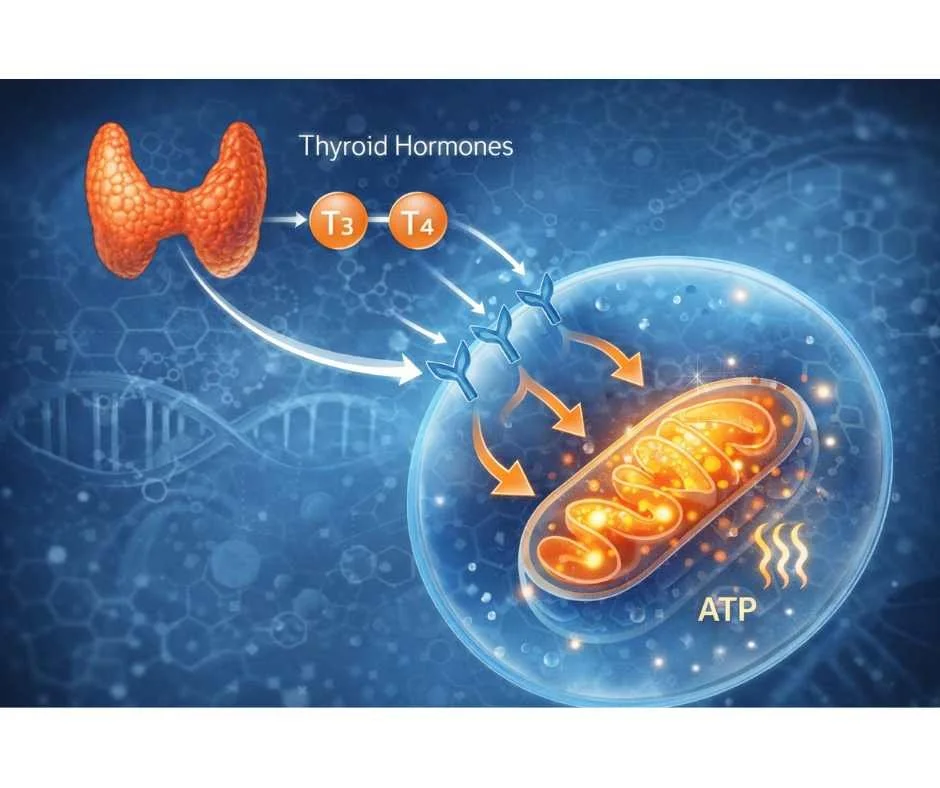
Read MorePersistent fatigue, weight gain, brain fog, and cold intolerance can occur even when TSH and standard thyroid labs appear normal. This guide explains T4-to-T3 conversion, reverse T3, stress physiology, nutrient deficiencies, and how a root-cause approach evaluates thyroid dysfunction beyond basic testing.
Read MoreA clinical guide to intermittent fasting for women, explaining how fasting affects cortisol, ovulation, progesterone, and the menstrual cycle—and how to time fasting without disrupting hormone balance.
Read MoreChronic stress alters thyroid hormone signaling through shared regulatory pathways in the brain. This article explains how adrenal stress physiology affects thyroid conversion, cellular responsiveness, and why symptoms can persist despite “normal” labs.
Read MoreThyroid hormones rely on gut integrity, immune regulation, and proper nutrient absorption to function at the cellular level. This article explains why thyroid symptoms often persist despite normal labs—and how gut health shapes thyroid regulation.
Read MoreHashimoto’s disease is not simply a thyroid problem—it is a progressive autoimmune condition shaped by immune dysfunction, gut health, environmental exposures, and stress physiology. This guide explains why symptoms often appear long before thyroid labs change and how a root-cause, systems-based approach reframes long-term care.
Read MoreWeight loss resistance is one of the most frustrating—and misunderstood—effects of hypothyroidism. This article explains how thyroid signaling alters metabolism, energy conservation, stress hormones, and fat oxidation, making traditional diet and exercise strategies ineffective despite consistent effort.
Read MoreThyroid disorders can influence fertility through ovulation timing, menstrual cycle regulation, implantation, and immune signaling. This article explains the underlying mechanisms and why fertility challenges may persist even when thyroid labs appear normal.
Read More