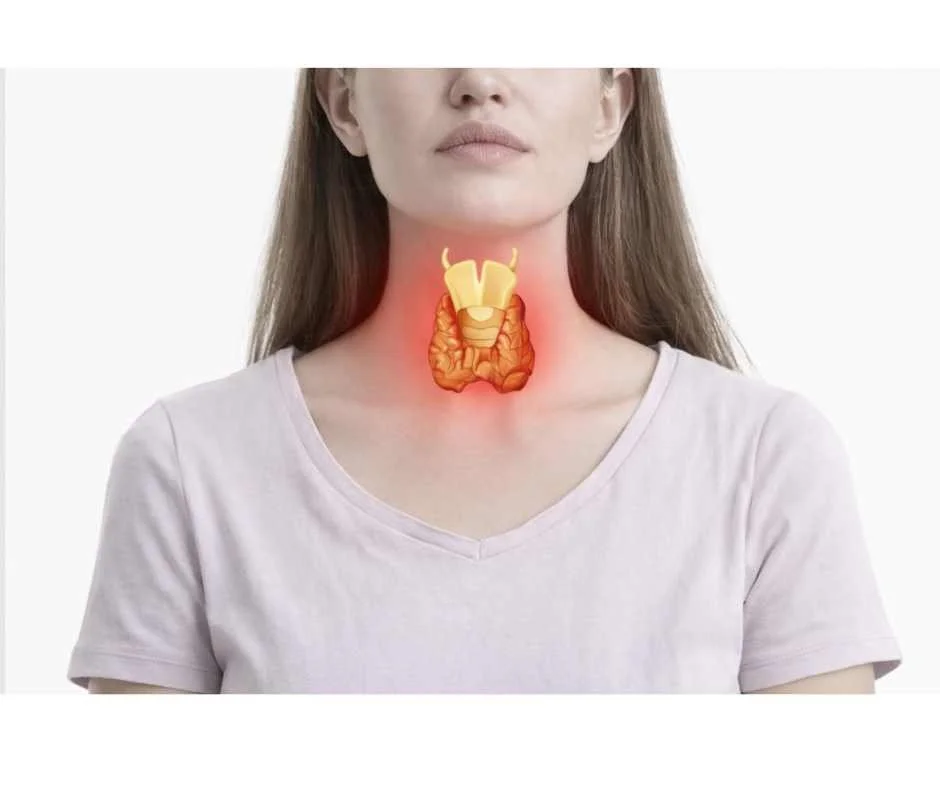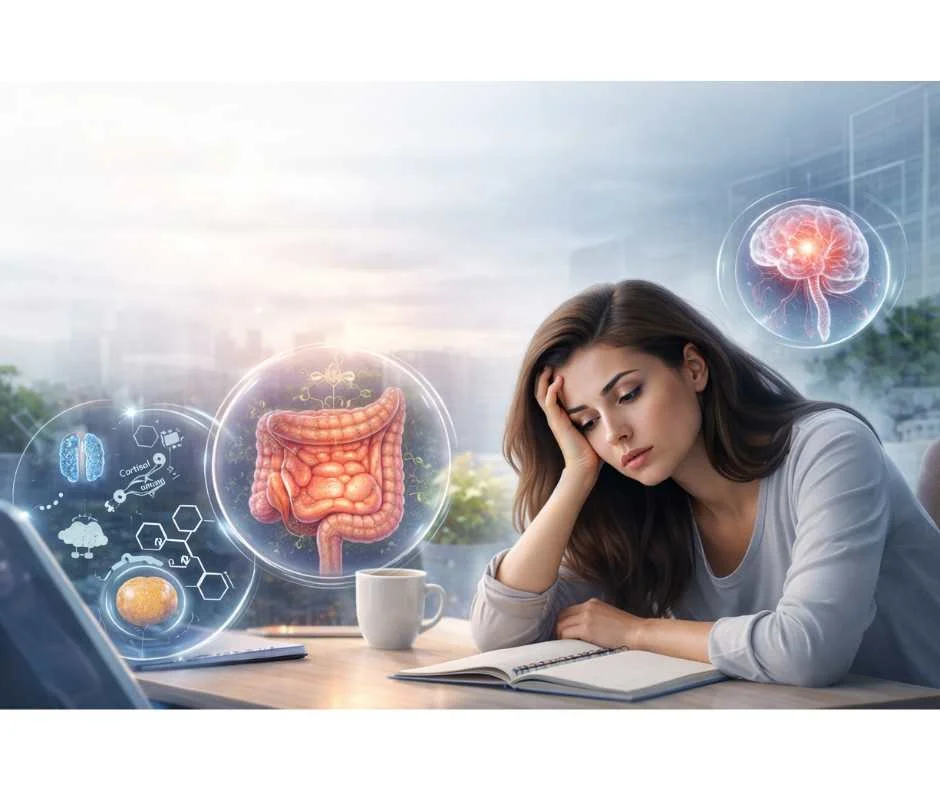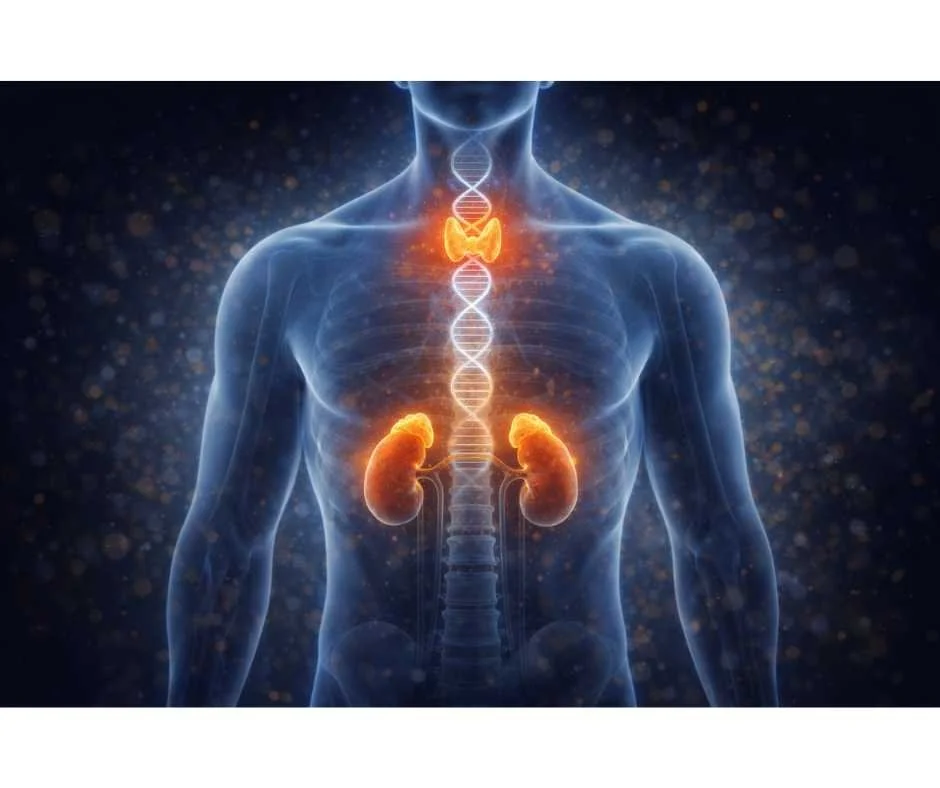
Many people struggle with fatigue, weight changes, brain fog, or other thyroid-related symptoms despite being told their labs are normal. This article explains how thyroid function extends beyond TSH, why symptoms persist, and how a functional medicine approach addresses thyroid health at the systems level.
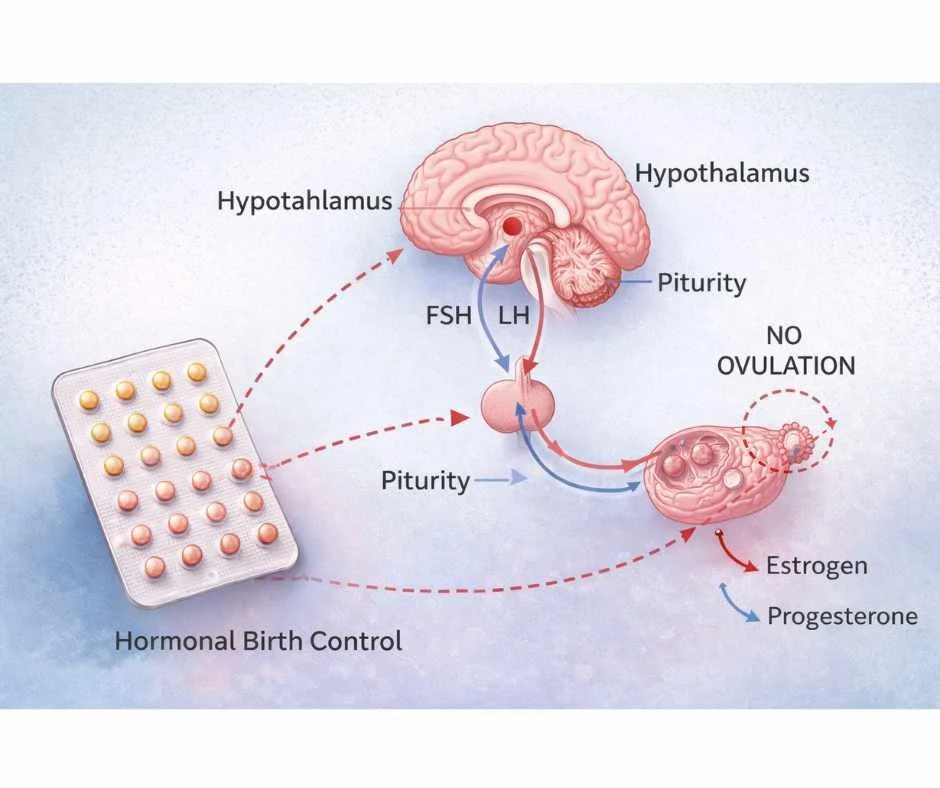
Read MoreHormonal birth control is often prescribed as a simple solution for PMS, irregular cycles, acne, or contraception. What is rarely explained is how these medications — including hormonal IUDs — suppress ovulation, alter hormone signaling, and affect the body far beyond the reproductive system. This article breaks down what hormonal birth control actually does, why symptoms may improve temporarily but return later, and how a root-cause approach supports long-term hormonal health.
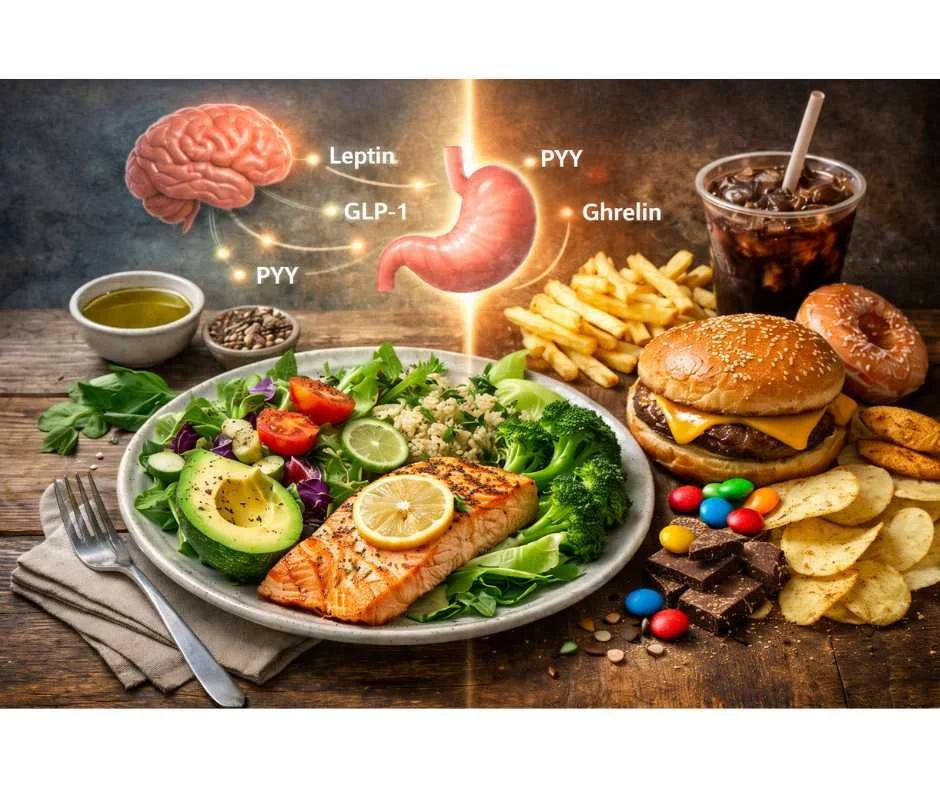
Read MoreFasting offers powerful metabolic and longevity benefits for women — when done correctly. Learn how to align fasting with your hormonal cycle to support energy, fertility, hormone balance, and long-term health without triggering stress or hormone disruption.
Read MoreIodine plays a critical yet often overlooked role in breast health. This article explores how iodine supports estrogen balance, protects breast tissue, reduces fibrocystic breast changes, and may influence long-term breast cancer risk—while examining iodine deficiency, halide toxicity, dosing considerations, and clinical testing through a functional medicine lens.
Read MoreMigraines are more than headaches. This article explains the root causes of migraines and how a functional medicine approach—addressing gut health, hormones, nutrients, stress, and nervous system regulation—can support long-term relief.
Read MoreChronic stress is more than an emotional issue—it is a biologic signal that can suppress thyroid hormone activation, increase reverse T3, and reduce cellular responsiveness. This guide explains the adrenal–thyroid connection and why a systems-based approach is often the missing piece when thyroid symptoms persist.
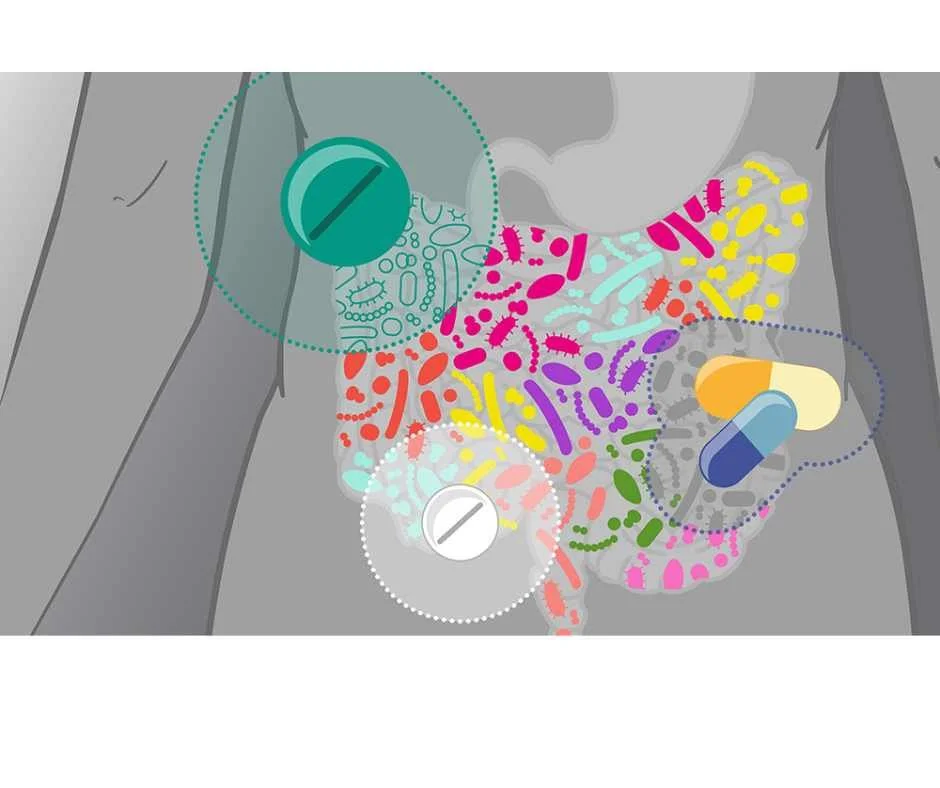
Read MoreGut health plays a critical role in thyroid hormone conversion, immune regulation, and nutrient absorption. This article explains how intestinal dysfunction can drive persistent thyroid symptoms, autoimmune activity, and poor response to medication—even when labs appear normal.
Read MoreHashimoto’s disease is an autoimmune process that gradually damages the thyroid—often years before standard labs appear abnormal. This article explains why Hashimoto’s is immune-driven and how root-cause care differs from symptom management.
Read MoreWeight loss resistance in hypothyroidism is driven by metabolic adaptation—not lack of effort. This article explains how impaired thyroid signaling affects metabolism, stress hormones, insulin sensitivity, and fat oxidation, and why conventional dieting often fails.
Read MoreStopping birth control with PCOS can trigger rebound symptoms like acne, irregular cycles, and metabolic disruption. This guide explains why the transition off hormonal birth control is different with PCOS, what to expect, and how to prepare your body so regulation can return more smoothly.
Read MoreAcupuncture is often used as a supportive therapy for PCOS due to its effects on nervous system regulation, hormonal signaling, stress physiology, and ovulatory communication. This article explains how acupuncture fits into an integrative approach to PCOS care.
Read MoreAdult acne is often a sign of deeper imbalance rather than a surface skin problem. This article explores the root causes of persistent adult acne—including hormones, gut health, inflammation, stress physiology, and detoxification—and explains how a functional, integrative medicine approach supports long-term skin healing beyond symptom suppression.
Read MoreHave you always believed PMS was just part of the deal as a female? You’re not alone. Learn how to treat your hormonal imbalance naturally and banish PMS symptoms for good.
Read MoreMany women are offered hormonal birth control without being fully informed of alternatives. Non-hormonal birth control options provide effective ways to prevent pregnancy without suppressing ovulation or altering natural hormone signaling. This article explores hormone-free contraception options, how they work, and who they may be appropriate for—so you can make informed decisions that align with your health goals.
Read More