Hormone imbalances in women are rarely caused by a single hormone being “off.” This in-depth guide explains the real root causes of hormonal dysregulation, why symptoms persist despite normal labs, and how a systems-based, functional medicine approach restores balance across life stages.
Read MoreModern toxin exposure rarely comes from a single source. This clinical overview explains how food, water, household products, and environmental chemicals combine to create toxic burden—and how this cumulative load disrupts hormones, thyroid function, and long-term health.
Read MoreMany people struggle with fatigue, weight changes, brain fog, or other thyroid-related symptoms despite being told their labs are normal. This article explains how thyroid function extends beyond TSH, why symptoms persist, and how a functional medicine approach addresses thyroid health at the systems level.
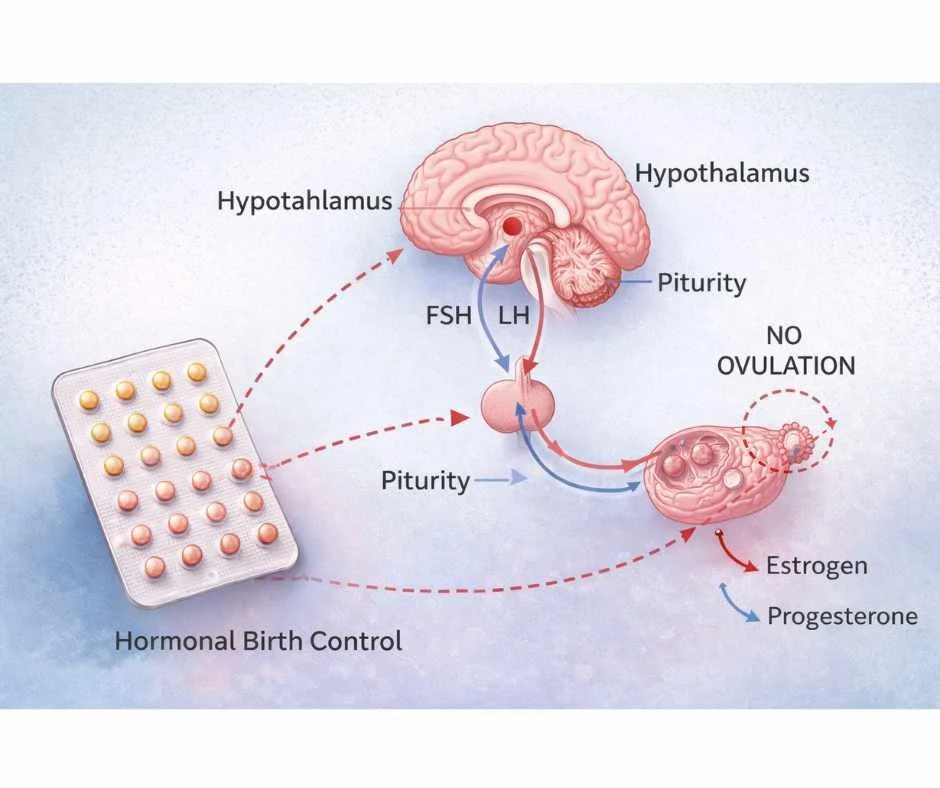
Read MoreHormonal birth control is often prescribed as a simple solution for PMS, irregular cycles, acne, or contraception. What is rarely explained is how these medications — including hormonal IUDs — suppress ovulation, alter hormone signaling, and affect the body far beyond the reproductive system. This article breaks down what hormonal birth control actually does, why symptoms may improve temporarily but return later, and how a root-cause approach supports long-term hormonal health.
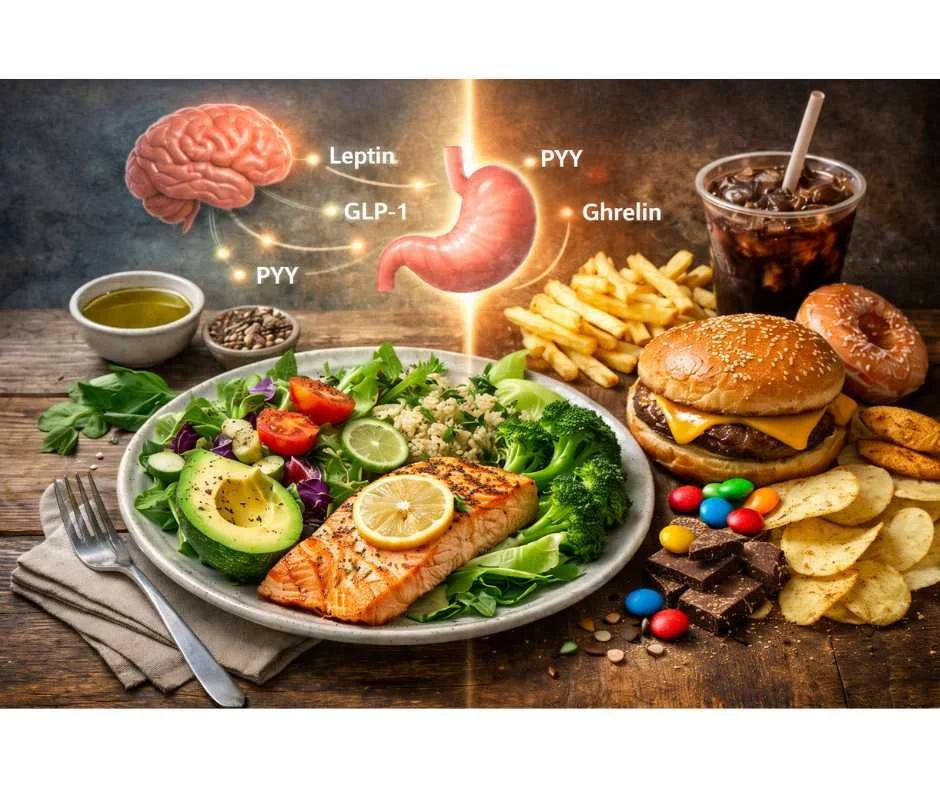
Read MoreFasting offers powerful metabolic and longevity benefits for women — when done correctly. Learn how to align fasting with your hormonal cycle to support energy, fertility, hormone balance, and long-term health without triggering stress or hormone disruption.
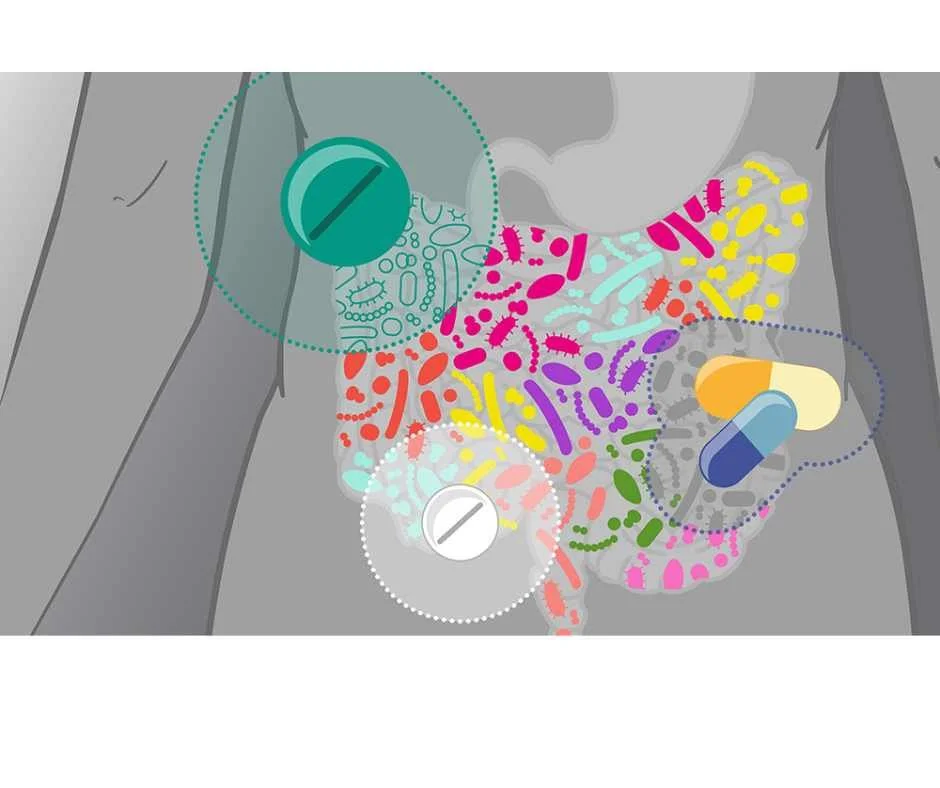
Read MoreMany commonly prescribed medications quietly disrupt digestion, hormone balance, and nutrient absorption. Learn how drugs like PPIs, antibiotics, birth control, and NSAIDs impact the gut—and how to rebuild safely using a root-cause approach.
Read MoreMammograms have long been considered the gold standard for breast cancer screening—but growing research reveals they may do more harm than good. Repeated radiation exposure, overdiagnosis, and unnecessary treatments can increase long-term risks. This blog explores the pros and cons of mammograms, safer screening alternatives like thermography and ultrasound, and how functional medicine identifies root causes—such as metabolic dysfunction, inflammation, immune imbalance, and toxic burden—to prevent cancer before it starts. Discover a more holistic, personalized path to true breast health and prevention.
Read MoreType 2 diabetes develops gradually through insulin resistance, metabolic dysfunction, and lifestyle-driven stressors. Learn the stages, risks, and prevention strategies.
Read MoreMagnesium is involved in over 300 biochemical reactions and is one of the most common hidden deficiencies driving fatigue, anxiety, sleep issues, hormone imbalance, and chronic illness.
Read MoreShilajit is a mineral-rich resin used in functional medicine to support mitochondrial energy, detoxification, hormone balance, and cognitive resilience. This article explains how Shilajit works, why quality matters, and how it is applied clinically within a systems-based approach.
Read MoreGMOs, glyphosate, and modern food processing expose us to hidden toxins long before food reaches the label. Learn where they hide and how to reduce exposure.
Read MoreAlcohol may help you fall asleep, but it disrupts REM sleep, circadian rhythm signaling, and nervous system regulation—leading to fragmented, non-restorative rest.
Read MoreIodine plays a critical yet often overlooked role in breast health. This article explores how iodine supports estrogen balance, protects breast tissue, reduces fibrocystic breast changes, and may influence long-term breast cancer risk—while examining iodine deficiency, halide toxicity, dosing considerations, and clinical testing through a functional medicine lens.
Read MoreFunctional hormone lab testing goes beyond symptoms and basic blood work to identify the root causes of hormonal imbalance. By evaluating hormone production, metabolism, stress physiology, nutrient status, toxic burden, and gut health, this approach supports accurate, personalized treatment decisions before intervention.
Read MoreMenopause is a natural transition—but persistent symptoms don’t have to be ignored. This guide explores how nutrition, movement, sleep, stress regulation, acupuncture, and integrative care support a healthier menopause, with or without hormone therapy.
Read MoreA functional medicine overview of bioidentical hormone replacement therapy (BHRT) for perimenopause and menopause, including hormone physiology, safety considerations, delivery methods, and individualized care.
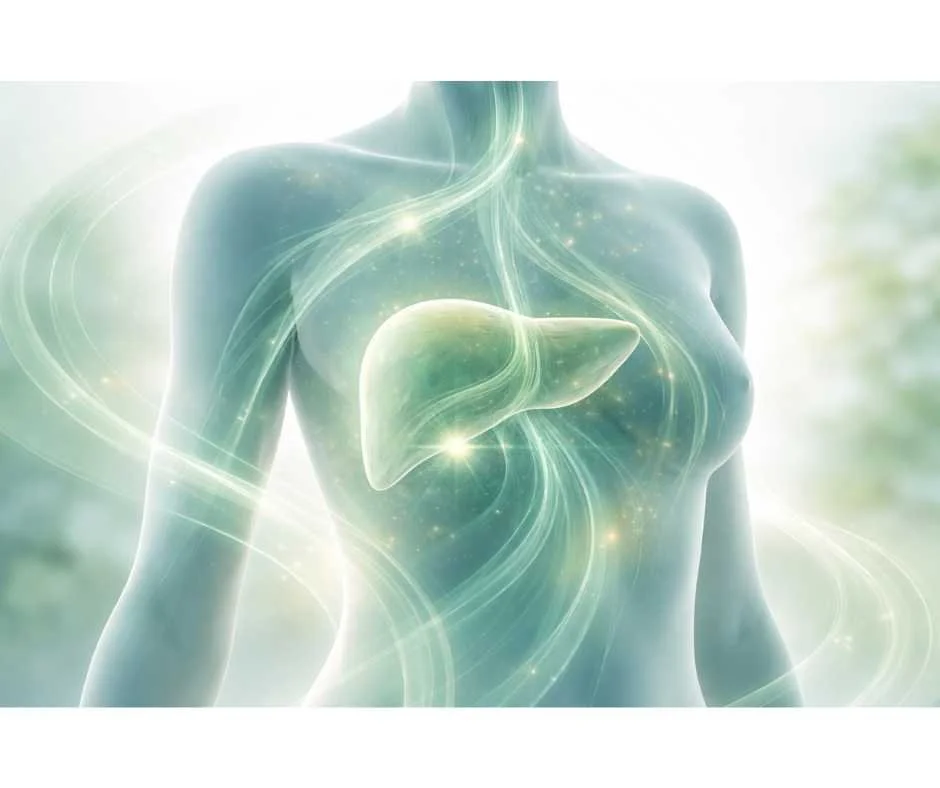
Read MoreDetoxification is not a cleanse—it is a structured, three-phase physiological process. This guide explains how the liver processes toxins, why elimination matters, and how to detox safely without triggering symptoms.
Read MoreMale infertility is more common than most couples realize. This evidence-informed guide explores causes, testing, and integrative strategies—including acupuncture and lifestyle support—to improve sperm health and fertility outcomes.
Read MoreMigraines are more than headaches. This article explains the root causes of migraines and how a functional medicine approach—addressing gut health, hormones, nutrients, stress, and nervous system regulation—can support long-term relief.
Read MoreEndocrine-disrupting chemicals are widespread environmental toxins that interfere with hormone signaling, metabolism, thyroid function, and reproductive health—often without obvious symptoms.
Read More