

When Pain Relief Backfires: Hidden Risks of Tylenol, NSAIDs, Steroids, and Opioids
How Common Pain Medications Deplete Nutrients, Injure the Gut and Liver, Disrupt Hormones, and Undermine the Body’s Natural Healing Capacity
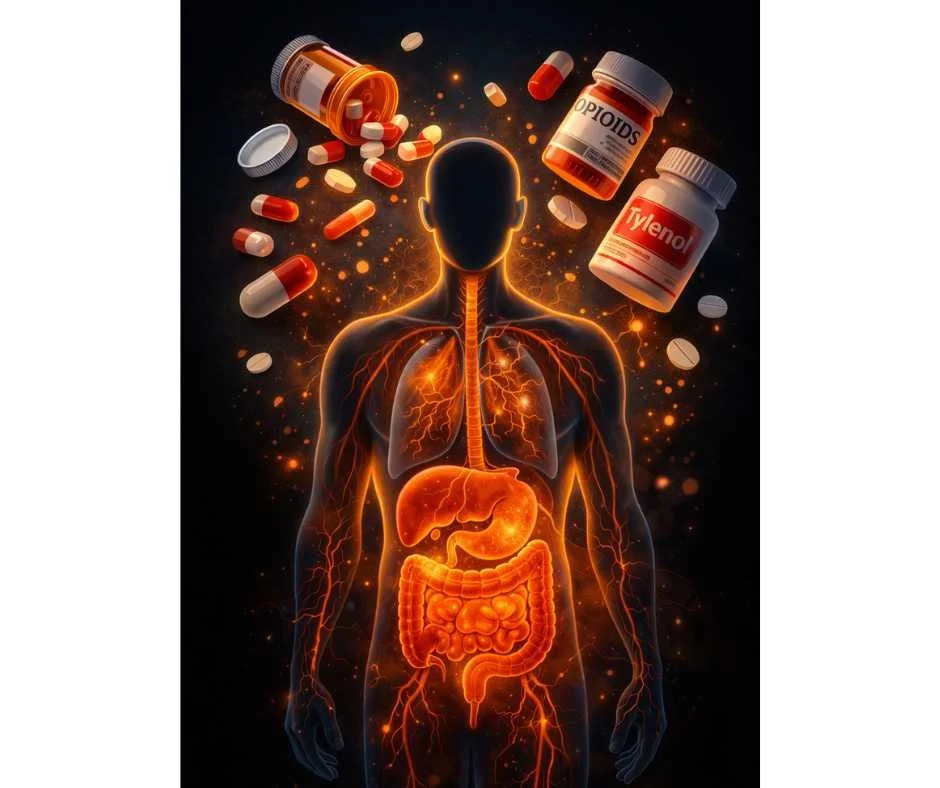
Pain and inflammation are not problems to eliminate—they are biological signals indicating that something in the body needs attention. Yet in modern medicine, treatment often focuses on quieting those signals quickly rather than understanding what is driving them. This is especially true in chronic pain conditions, where inflammation is often a downstream effect of deeper imbalance.
In chronic pain management, these medications are often used repeatedly—sometimes for months or years—without fully addressing the underlying cause of inflammation or tissue injury.
Non-steroidal anti-inflammatory drugs (NSAIDs), among the most widely used over-the-counter pain medications, such as ibuprofen, naproxen, and aspirin, are commonly used as first-line pain relievers. As awareness grows around their potential risks—including gastrointestinal irritation, cardiovascular strain, and kidney stress—many people turn to what is often perceived as a “safer” alternative: acetaminophen (Tylenol).
Acetaminophen and corticosteroids are among the most widely used prescription and non-prescription pain medication medications worldwide for pain, fever, and inflammation. While they can provide rapid symptom relief, their effects extend far beyond pain suppression.
Rather than supporting the body’s natural repair processes and long-term healing capacitys, these medications can strain detoxification pathways, suppress immune signaling, and deplete critical nutrients and antioxidants—including glutathione, selenium, zinc, magnesium, and vitamin C.
The Hidden Cost of Symptom Suppression
When these protective reserves decline, the body becomes less capable of neutralizing oxidative stress, repairing damaged tissues, regulating inflammation, and defending against toxins and infections. Over time, this pattern can contribute to fatigue, persistent inflammation, delayed tissue healing, chronic pain persistence, and increased vulnerability to long-term metabolic and immune dysfunction.
→ Detoxification & Environmental Medicine
This article examines how commonly used pain medications—including NSAIDs, acetaminophen (Tylenol), corticosteroids, and opioids—can deplete nutrients, strain detoxification pathways, disrupt hormones, impair tissue repair, and ultimately interfere with long-term healing and chronic pain resolution.
Conventional Pain Management: Short-Term Relief vs Long-Term Consequences
Conventional pain management is designed primarily to reduce symptoms quickly, not to identify or correct why pain is occurring. In acute or emergency situations, this approach can be appropriate and necessary. However, when used as a long-term strategy, it often fails to resolve underlying drivers of pain—and may introduce new problems over time. This model is especially common in chronic pain management, where medications are often used repeatedly over time without correcting the underlying cause.
Common Conventional Pain Management Approaches
Over-the-counter pain medications: acetaminophen (Tylenol) and NSAIDs to blunt pain and inflammation
Prescription medications: opioids, gabapentin, muscle relaxers, and corticosteroids
Injections: steroid injections and epidurals for localized pain relief
These tools work by suppressing pain signaling or inflammatory pathways, not by repairing damaged tissue, restoring biomechanics, or addressing metabolic, immune, or nervous system dysfunction.
Limitations of a Symptom-Suppression Pain Model
While medications and injections may reduce pain temporarily, they often:
Do not correct structural imbalance or tissue degeneration
Fail to resolve inflammatory or immune-driven pain
Overlook metabolic contributors such as blood sugar instability or nutrient depletion
Ignore nervous system sensitization and central pain amplification that perpetuate chronic pain
As a result, pain frequently returns—sometimes requiring higher doses, repeated injections, or additional medications to maintain relief.
The Chronic Pain Cycle
In many cases, chronic pain management follows a predictable escalation pattern:
short-term relief → symptom return → escalating intervention → increasing side effects
Over time, this cycle can contribute to nutrient depletion, impaired detoxification, hormonal disruption, immune suppression, and delayed tissue repair, making pain harder—not easier—to resolve.
When Conventional Pain Treatment Fails
If pain persists despite medications, injections, or physical therapy, it is often a sign that:
Inflammation is being driven by systemic factors
Tissue damage is not healing adequately
The nervous system remains stuck in a pain-sensitive state
Foundational supports like nutrition, sleep, and recovery are insufficient
At this point, continuing to suppress symptoms without addressing root causes can prolong suffering rather than resolve it.
A Root-Cause Integrative Approach to Chronic Pain Relief
Where conventional pain strategies focus on suppressing symptoms, a root-cause, integrative approach asks a different question: why is pain occurring in the first place?
Rather than overriding pain signals, this model works to identify and address the root causes of chronic pain—such as chronic inflammation, tissue injury, biomechanical imbalance, nutrient depletion, metabolic dysfunction, gut-immune disruption, or nervous system sensitization.
This shift is central to integrative pain management and functional medicine approaches to chronic pain treatment.
An integrative pain strategy typically layers multiple supportive inputs, including:
Nervous system therapies that restore autonomic balance and reduce chronic pain sensitivity
Regenerative strategies that support tissue repair, circulation, and mitochondrial energy production
Targeted nutritional and metabolic support to reduce systemic inflammation
Corrective movement and biomechanical optimization to prevent reinjury
Lifestyle interventions that improve sleep quality, stress resilience, and recovery capacity
Instead of cycling through medications and injections, this approach aims to repair what is broken, rebalance what is stressed, and restore the body’s capacity to heal—often leading to more durable pain relief and fewer downstream complications.
In cases of persistent or chronic pain, a systems-based strategy often provides a more sustainable alternative to long-term reliance on pain medications.
Why Common Pain Medications Can Undermine Long-Term Healing and Chronic Pain Recovery
Instead of cycling endlessly through medications and injections, a root-cause approach focuses on repairing what is damaged, rebalancing what is stressed, and restoring the body’s innate capacity to heal—often leading to more durable pain relief and fewer downstream complications.
Understanding this distinction helps explain why many commonly used pain medications—particularly corticosteroids—can provide short-term symptom relief while quietly worsening long-term metabolic, immune, and tissue health.
This is especially true with long-term or repeated use of pain medications, where short-term relief can mask progressive systemic side effects.
Corticosteroids: Risks, Nutrient Depletion, and Long-Term Side Effects
Corticosteroids are powerful anti-inflammatory medications that act by mimicking cortisol, the body’s primary stress hormone. While they can be lifesaving in acute or emergency settings, repeated or long-term use is associated with well-documented steroid side effects affecting metabolic, immune, and musculoskeletal systems.
Key Nutrients Depleted by Corticosteroids
Corticosteroids are associated with depletion of multiple nutrients essential for tissue repair, immune defense, and metabolic stability, including:
Calcium, vitamin D, magnesium, potassium, zinc, selenium, vitamin C, and protein (1)
Mechanisms of Steroid-Induced Nutrient Depletion
Calcium & vitamin D: Reduced intestinal absorption and increased urinary loss → osteopenia and fracture risk
Zinc, selenium & vitamin C: Impaired immune function, delayed wound healing, increased infection risk
Protein: Accelerated protein breakdown → muscle wasting and connective tissue weakness
Magnesium & potassium: Electrolyte imbalance → fatigue, weakness, and cardiac rhythm disturbances
Why Steroid-Induced Nutrient Depletion Impairs Healing
By chronically elevating cortisol signaling, corticosteroids shift the body into a catabolic, stress-dominant state. Over time, this disrupts blood sugar regulation, suppresses immune surveillance, impairs collagen synthesis, and weakens bone, muscle, and connective tissue integrity.
Documented Long-Term Side Effects of Corticosteroids
Bone loss and fractures due to calcium and vitamin D depletion and impaired osteoblast activity (2)
Blood sugar dysregulation and steroid-induced diabetes through increased insulin resistance and gluconeogenesis (3)
Muscle wasting and impaired connective tissue repair from protein catabolism and suppressed synthesis (4)
Weakened immunity, delayed healing, and prolonged infections related to micronutrient depletion and immune suppression (5)
Weight gain, mood changes, and insomnia driven by hormonal and circadian disruption (6,7)
Abnormal blood lipids, hypertension, and increased cardiovascular risk, including heart attack, with long-term use (8)
Thinning skin and easy bruising from collagen breakdown and connective tissue loss (9)
Psychiatric effects, including anxiety, irritability, depression, and—in severe cases—steroid-induced psychosis, particularly at higher doses or with prolonged exposure (10)
⚠️ Even short-term corticosteroid use can cause side effects in susceptible patients. Long-term or repeated use requires careful monitoring and proactive mitigation strategies.
Supportive Strategies to Reduce Steroid Side Effects and Support Recovery
Herbal & Nutritional Support
Targeted herbal and nutritional strategies may help support liver function, antioxidant capacity, and recovery during or after corticosteroid use.
Milk thistle (Silybum marianum): Supports liver cell protection and regeneration during medication stress
N-acetylcysteine (NAC): Replenishes glutathione and reduces oxidative burden
Vitamin C & zinc: Essential for collagen synthesis, immune recovery, and wound healing
Vitamin D + K2: Support bone density, calcium balance, and immune regulation
Adaptogens (e.g., ashwagandha, rhodiola): Help buffer adrenal stress and support circadian rhythm balance
Nutritional & Lifestyle Foundations
Emphasize adequate protein intake (collagen, eggs, wild-caught fish) to counter muscle and connective tissue loss
Include antioxidant-rich foods such as citrus, berries, cruciferous vegetables, and green tea
Support vitamin D status through sunlight exposure and appropriate D3 + K2 supplementation
Incorporate weight-bearing exercise and supportive modalities (e.g., red-light therapy) to preserve bone and muscle
Functional Medicine Monitoring and Recovery Considerations
Assess and monitor: vitamin D, magnesium, zinc, selenium, fasting glucose, and bone density
Support detoxification: use strategies such as sulforaphane and NAC to assist liver and mitochondrial function
Taper thoughtfully: when appropriate, work with a qualified clinician to gradually reduce steroid use while restoring adrenal balance and nutrient status
While corticosteroids exert their effects by overriding stress and immune signaling, other commonly used pain medications—such as acetaminophen (Tylenol)—disrupt healing through different metabolic pathways. Often perceived as gentler, acetaminophen places a distinct and significant burden on the liver’s detoxification and antioxidant systems.
Acetaminophen (Tylenol): Liver Toxicity, Glutathione Depletion, and Systemic Risks
Acetaminophen (Tylenol) is one of the most widely used over-the-counter pain medications for pain and fever and is often perceived as a safer alternative to NSAIDs. However, its metabolism places a significant burden on the liver’s detoxification and antioxidant systems, particularly through depletion of glutathione.
Key Nutrient Depleted by Acetaminophen
Glutathione — the body’s primary antioxidant and detoxification molecule
Why Glutathione Depletion Increases Liver Toxicity Risk
Acetaminophen is metabolized in the liver through pathways that consume glutathione, a compound essential for neutralizing oxidative stress, detoxifying hormones and chemicals, and protecting cells from damage.
When glutathione levels fall:
Liver cells become more vulnerable to injury
Oxidative stress increases
Detoxification of toxins and hormones becomes impaired
The margin between a therapeutic dose and a toxic dose of acetaminophen is narrow. In adults, taking approximately 4 grams in a 24-hour period—about six extra-strength 650 mg tablets—can damage the liver. Acetaminophen overdose accounts for nearly half of all acute liver failure cases in the United States, according to a 2023 analysis (11).
Documented Side Effects and Health Risks of Acetaminophen
Liver toxicity and increased risk of liver disease, particularly when combined with alcohol use
Fatigue, brain fog, and chemical sensitivity related to impaired detox capacity
Increased oxidative stress contributing to systemic inflammation and tissue damage
Reduced ability to handle environmental toxins and heavy metals
Beyond the Liver: Systemic Side Effects of Acetaminophen
Emerging research shows that acetaminophen’s effects extend beyond hepatic stress:
Kidney toxicity: A subset of overdoses results in acute kidney injury (12)
Gastrointestinal irritation: Despite being marketed as “stomach-friendly,” reviews report GI reactions comparable to—or worse than—NSAIDs in some cases (13)
Cardiovascular concerns: Associations with hypertension, cardiovascular events, and heart failure have been reported with frequent or long-term use (14)
Hematologic cancer associations: Observational studies link repeated use with increased risk of certain blood cancers (15)
Immune and respiratory effects: Higher rates of allergies and asthma, particularly in children, have been observed with ongoing use (16)
What Many People Don’t Realize About Tylenol
During acetaminophen metabolism, a highly reactive byproduct—NAPQI (N-acetyl-p-benzoquinone imine)—is produced. NAPQI is the toxic metabolite responsible for acetaminophen-induced liver injury. It damages liver cells by binding to proteins and disrupting cellular function.
Under normal conditions, NAPQI is rapidly neutralized by glutathione. When intake is frequent, doses accumulate, or detox capacity is impaired, glutathione becomes depleted—allowing NAPQI to build up and trigger liver cell injury and death (17).
In the U.S., this results in approximately:
~56,000 emergency room visits annually
~2,600 hospitalizations
~500 deaths from liver failure each year
making acetaminophen overdose the leading cause of acute liver failure in the United States (18).
Many people assume they are using acetaminophen safely without realizing how narrow the dosing window truly is.
Acetaminophen Use in Pregnancy and Neurodevelopmental Risk
Acetaminophen has long been recommended as the preferred pain reliever during pregnancy. However, accumulating evidence has prompted renewed scrutiny.
Systematic reviews and meta-analyses suggest that frequent or prolonged prenatal exposure may be associated with (19–25):
Higher rates of hyperactivity and attention-related disorders
Increased likelihood of ADHD medication use
Elevated risk of autism-related neurobehavioral patterns
Increased childhood asthma risk, particularly with late-pregnancy exposure
A large systematic review of 46 studies found that neurodevelopmental risks appeared dose-dependent and were more pronounced in higher-quality studies (26).
As a result, many researchers and clinicians now advocate for more cautious, limited use during pregnancy.
Clinical Implications of Frequent Acetaminophen Use
Acetaminophen may be appropriate in specific, short-term situations—but it is not metabolically neutral. With frequent use, or in the context of alcohol intake, chronic illness, pregnancy, or nutrient depletion, its impact on liver health, oxidative stress, detoxification capacity, and immune development becomes far more significant.
When acetaminophen use is unavoidable, proactive support of glutathione and detox pathways is essential.
→ Detoxification & Environmental Medicine
Supportive Strategies to Reduce Acetaminophen-Induced Liver Stress
Herbal & Nutritional Support
N-acetylcysteine (NAC): Direct glutathione precursor; primary antidote for acetaminophen toxicity
Alpha-lipoic acid (ALA): Regenerates antioxidants and supports liver mitochondrial function
Milk thistle: Protects hepatocytes and supports liver detox enzymes
Sulforaphane: Activates Nrf2, increasing glutathione synthesis and detox capacity
Vitamin C + selenium: Replenish antioxidant reserves depleted by acetaminophen use
Nutritional & Lifestyle Foundations
Support liver function with bitter greens (dandelion, arugula), beets, and lemon water
Include sulfur-rich foods (garlic, onions, eggs) to support glutathione production
Maintain hydration and avoid alcohol, which compounds liver toxicity
Use supportive detox modalities such as infrared sauna when appropriate
Functional Medicine Testing and Recovery Strategies
Assess ALT, AST, GGT, glutathione status, and oxidative stress markers (e.g., 8-OHdG)
Evaluate detox capacity, including relevant genetic SNPs (GST, MTHFR, COMT)
Support phase I/II detox pathways with NAC, glycine, and cruciferous extracts
Explore drug-free pain and fever strategies such as acupuncture, red-light therapy, PEMF, peptide therapy, magnesium, and hydrogen-rich water
NSAIDs: Long-Term Risks, Gut Damage, Cardiovascular Strain, and Impaired Tissue Repair
How NSAIDs Suppress Prostaglandins and Impair Healing
NSAIDs are among the most commonly used medications for pain and inflammation. They work by blocking cyclooxygenase (COX) enzymes, which reduces prostaglandin production and dampens pain signaling. While this can provide short-term relief, prostaglandins play essential roles far beyond pain (27). Prostaglandins are not merely inflammatory mediators; they are regulatory molecules required for vascular integrity, tissue repair, and cellular recovery.
Why Long-Term NSAID Use Impairs Tissue Repair and Increases Risk
Prostaglandins are also responsible for:
Protecting the stomach and intestinal lining (27,31)
Supporting kidney blood flow and electrolyte balance (30)
Regulating vascular tone and cardiovascular function (30)
Facilitating tissue repair, particularly in tendons and ligaments (32)
When these protective pathways are chronically suppressed, short-term pain relief may come at the cost of impaired tissue repair, increased cardiovascular strain, and rising systemic inflammation.
Documented Long-Term Side Effects of NSAIDs
Regular or long-term NSAID use has been associated with:
Damage to the gut lining, increasing intestinal permeability (“leaky gut”) and immune activation (27,29,31)
Reduced absorption of key nutrients, including iron, folate, and vitamin C (28,29)
Delayed tissue repair, particularly in connective tissue where prostaglandins are required for healing (32)
Kidney stress and electrolyte imbalance, especially during dehydration or endurance activity (30)
Increased cardiovascular risk, particularly with higher doses or prolonged exposure (30)
These effects help explain why NSAIDs may temporarily reduce pain while progressively impairing healing capacity, increasing systemic inflammation, and slowing long-term recovery.
Why NSAIDs May Worsen Chronic Pain Over Time
When gut integrity is compromised and nutrient absorption declines, inflammatory signaling becomes harder to regulate. Impaired connective tissue repair further delays recovery.
As a result, pain may return more quickly, require higher doses, or spread beyond the original site—driving a cycle of escalating medication use without meaningful resolution (27,31).
Rather than restoring regulatory balance, repeated prostaglandin suppression can weaken the very systems required for durable healing.
While NSAIDs impair recovery through gut injury, nutrient depletion, cardiovascular strain, and delayed tissue repair, opioids alter pain through a fundamentally different mechanism—suppressing central pain perception without addressing inflammatory or structural drivers.
While NSAIDs undermine healing by damaging the gut lining and impairing tissue repair, opioids affect pain through a completely different pathway—by suppressing pain perception within the central nervous system rather than addressing inflammation or injury.
Opioids: Long-Term Risks, Nervous System Suppression, Hormonal Disruption, and Hyperalgesia
How Opioids Alter Pain Signaling in the Central Nervous System
Opioids reduce pain by binding to opioid receptors in the brain and spinal cord, dampening the transmission of pain signals. Activation of these receptors suppresses nociceptive transmission and alters dopaminergic and stress-response signaling within the central nervous system. This can be appropriate for short-term severe pain or end-of-life care. However, opioids do not reduce inflammation, repair tissue, or restore function—and with ongoing use, they often worsen pain physiology (35).
Why Opioids Backfire With Repeated Use
With repeated exposure, the nervous system adapts to opioids, leading to:
Tolerance, requiring higher doses for the same effect (33,35)
Dependence, with withdrawal symptoms when doses wear off (35)
Opioid-induced hyperalgesia, a paradoxical increase in pain sensitivity (33,36)
Rather than calming pain long term, opioids can sensitize the nervous system, making everyday stimuli feel more painful (33,36).
These adaptations reflect neuroplastic remodeling of pain circuits rather than restoration of tissue integrity.
Documented Long-Term Side Effects of Opioids
Chronic or recurrent opioid use has been associated with:
Central nervous system suppression, affecting alertness, coordination, and mood (35,36)
Disrupted gut motility and microbiome balance, contributing to constipation, dysbiosis, and inflammation (38)
Hormonal suppression, including reduced testosterone, altered HPA-axis signaling, and downstream endocrine disruption, which can worsen fatigue, depression, and pain perception (34)
Impaired immune function, increasing susceptibility to infection (37)
Reduced motivation and physical activity, slowing rehabilitation and tissue recovery (35)
Why Opioids May Worsen Chronic Pain Over Time
Because opioids suppress pain perception without addressing inflammatory, structural, or metabolic drivers, symptoms often return when doses decline—frequently with heightened sensitivity due to opioid-induced hyperalgesia. Over time, this can create a cycle of escalating doses, worsening sensitivity, and declining function without meaningful healing (33,35,36).
When pain medications repeatedly fail—whether through immune suppression, detox depletion, gut injury, hormonal disruption, or nervous system sensitization—it becomes clear that durable relief requires restoration of the biological systems responsible for healing, not further escalation of suppression.
Why Chronic Pain Persists Despite Medication
When pain becomes chronic, the issue is rarely a lack of stronger medication. More often, it’s that the biological systems required for healing have been progressively undermined.
Across corticosteroids, acetaminophen, NSAIDs, and opioids, a consistent pattern emerges:
Inflammation is suppressed, but tissue repair is impaired
Pain signals are blocked, but nervous system sensitivity increases
Symptoms are quieted, but root causes remain unaddressed
Over time, this creates a widening gap between symptom relief and true recovery.
The Shared Pattern Across Pain Medications
When pain becomes chronic, the issue is rarely a lack of stronger medication. More often, the biological systems required for repair have been progressively undermined.
Across corticosteroids, acetaminophen, NSAIDs, and opioids, a consistent pattern emerges:
Inflammation is suppressed, but tissue repair is impaired
Pain signals are blocked, but nervous system sensitivity increases
Symptoms are quieted, but root causes remain unaddressed
Over time, this creates a widening gap between temporary symptom relief and true physiologic recovery.
Why Escalating Treatment Rarely Restores Healing
As healing capacity diminishes, pain often returns more quickly, spreads beyond its original site, or becomes more resistant to intervention.
Higher doses or additional medications
Repeated injections without sustained improvement
Increasing side effects with diminishing therapeutic return
At this stage, pain is no longer simply a symptom—it reflects underlying regulatory imbalance.
A Different Question Changes the Outcome
Instead of asking, “What will quiet this pain?” a more effective question is:
“What does this pain need in order to resolve?”
Answering that requires shifting focus toward:
Restoring metabolic and detoxification capacity
Rebuilding depleted nutrient reserves
Repairing gut and connective tissue integrity
Regulating nervous system signaling
Supporting movement, circulation, and recovery
This is where a root-cause, integrative approach becomes essential.
Understanding why medications fall short clarifies why durable pain relief depends on restoring the biological systems responsible for healing—rather than escalating suppression.
Lasting recovery requires rebuilding resilience at the metabolic, structural, immune, and neurologic levels.
The Nervous System’s Role in Chronic Pain
Central Sensitization: When the Brain Amplifies Pain
Chronic pain is not solely a tissue problem—it is also a nervous system problem. When pain persists, the brain and spinal cord can become sensitized, amplifying signals even after the original injury has healed.
This process, known as central sensitization, occurs when the nervous system remains in a heightened threat or stress state. Instead of accurately interpreting sensory input, pain-processing circuits become hyperresponsive—turning normal movement, pressure, or minor inflammation into persistent pain.
Central sensitization reflects altered neural signaling, not ongoing tissue damage.
How Pain Medications May Reinforce Nervous System Sensitivity
Several commonly used pain medications influence nervous system signaling in ways that may unintentionally reinforce pain over time:
Opioids can increase pain sensitivity through opioid-induced hyperalgesia
Corticosteroids alter stress-hormone signaling and sleep architecture
NSAIDs may impair tissue repair, prolonging nociceptive input
Acetaminophen reduces antioxidant capacity needed for neuronal resilience
When combined with chronic stress, poor sleep, nutrient depletion, or unresolved inflammation, the nervous system may lose its ability to “turn pain off.”
When Pain Becomes a Conditioned Neurologic Response
Over time, pain can become conditioned—linked not only to tissue injury, but also to:
Movement patterns
Emotional stress
Previous flare experiences
Sleep disruption
At this stage, pain is maintained by neural patterning rather than active structural damage. Even aggressive interventions may provide only temporary relief because the pain-processing circuits themselves remain dysregulated.
Why Addressing the Nervous System Is Essential
If the nervous system is not addressed, pain may:
Spread beyond the original injury site
Return quickly after medications wear off
Worsen during stress or fatigue
Become resistant to escalating interventions
This helps explain why chronic pain frequently persists despite “normal” imaging, laboratory results, or repeated structural treatments.
When pain-processing circuits remain dysregulated, restoring nervous system balance becomes foundational to breaking the chronic pain cycle.
Durable recovery requires rebuilding neural regulation alongside nutrient sufficiency, detox capacity, sleep architecture, and metabolic stability.
Once pain becomes neurologically reinforced, healing depends on restoring the body’s biological capacity to recover—including nutrient availability, detoxification, sleep quality, and metabolic stability.
Nutrient Depletion and Impaired Tissue Repair
Healing from pain requires raw materials. Muscles, tendons, ligaments, nerves, and connective tissue all depend on adequate nutrients to repair microdamage, regulate inflammation, and maintain structural integrity.
When pain medications are used repeatedly, many of those foundational nutrients are quietly depleted—often without obvious early symptoms.
How Pain Medications Deplete Essential Nutrients
Healing from pain requires raw materials. Muscles, tendons, ligaments, nerves, and connective tissue depend on adequate nutrients to repair microdamage, regulate inflammation, and maintain structural integrity.
When pain medications are used repeatedly, foundational nutrients are gradually depleted—often without obvious early symptoms.
Across multiple drug classes, common patterns emerge:
Corticosteroids accelerate protein breakdown and deplete calcium, vitamin D, magnesium, zinc, and vitamin C—nutrients required for bone strength, collagen synthesis, and immune repair
Acetaminophen consumes glutathione, increasing oxidative stress and impairing cellular recovery
NSAIDs interfere with iron, folate, and vitamin C absorption while disrupting prostaglandin-driven tissue healing
Opioids suppress endocrine and immune signaling necessary for regeneration
Individually, these effects may appear modest. Collectively and over time, they create a physiologic environment in which the body is expected to heal without sufficient building blocks.
Why Impaired Nutrient Status Delays Recovery
When nutrient reserves decline:
Collagen and connective tissue repair slows
Micro-injuries accumulate faster than they can resolve
Inflammatory regulation becomes less efficient
Muscles fatigue more quickly and recover more slowly
Nerve tissue becomes more vulnerable to irritation
This helps explain why some patients experience:
Recurrent strains or tendon injuries
Persistent joint pain despite “normal” imaging
Slower recovery from physical therapy or exercise
Pain flares during stress, illness, or poor sleep
In these cases, pain is not merely a signal to suppress—it reflects compromised repair capacity.
The Compounding Effect of Detox Burden
Nutrient depletion frequently coincides with increased detox demand. The liver and mitochondria require adequate antioxidants, minerals, and amino acids to neutralize oxidative byproducts generated by medications, inflammation, and environmental exposures.
When detoxification capacity is overwhelmed:
Oxidative stress rises
Mitochondrial efficiency declines
Cellular recovery slows
Pain sensitivity increases
This creates a compounding effect: impaired detoxification further strains nutrient reserves, and diminished nutrient reserves reduce detox efficiency.
Sleep, Stress, and Metabolic Dysfunction in Chronic Pain
Pain does not exist independently of sleep, stress, or metabolism. These systems are tightly interconnected, and when they are disrupted, the body’s capacity to resolve pain is significantly reduced.
How Sleep Disruption Increases Pain Sensitivity
Pain does not exist independently of sleep. Deep sleep is a primary window for tissue repair, inflammatory regulation, nervous system recalibration, and growth hormone release.
Chronic pain—and several pain medications—disrupt normal sleep architecture, reducing slow-wave and restorative sleep phases. When sleep becomes fragmented or shallow:
Pain sensitivity increases
Inflammatory signaling rises
Tissue repair slows
Recovery capacity declines
Sleep disruption alone can sustain chronic pain physiology, even in the absence of ongoing structural injury.
Chronic Stress and HPA-Axis Dysregulation
Ongoing pain is interpreted by the brain as a stress signal. When stress becomes chronic, the hypothalamic–pituitary–adrenal (HPA) axis becomes dysregulated.
Over time, this can lead to:
Altered cortisol rhythms
Increased muscle tension
Impaired circulation
Reduced immune surveillance
Slower tissue repair
In a persistent threat state, physiologic resources are diverted away from healing and toward short-term survival.
Metabolic Instability and Inflammatory Amplification
Metabolic dysfunction further amplifies chronic pain.
Blood sugar fluctuations, insulin resistance, and mitochondrial strain increase:
Oxidative stress
Pro-inflammatory cytokine signaling
Nervous system reactivity
Impaired cellular recovery
Even subtle metabolic instability can make pain more persistent and resistant to conventional treatment.
When Regulatory Systems Are Misaligned, Pain Persists
When sleep, stress physiology, and metabolic regulation are compromised simultaneously, the body’s capacity to resolve inflammation and repair tissue declines—regardless of the intervention used.
This explains why chronic pain frequently persists despite medications, injections, or normal imaging findings.
Why Symptom-Based Pain Relief Often Fails Long Term
Across medication classes, a consistent pattern emerges: pain is temporarily quieted while the systems required for healing are progressively weakened.
Whether through immune suppression, detox depletion, gut injury, nervous system sensitization, or metabolic strain, symptom-focused pain relief often reduces signals without restoring regulation.
This is why pain frequently returns—sometimes stronger, more widespread, or more resistant to treatment.
At that point, the question shifts from:
“What can suppress this pain?”
to
“What does this pain require in order to resolve?”
That shift marks the beginning of durable recovery.
Restoring Healing Capacity at the Root
When inflammation, detoxification pathways, nutrient reserves, sleep architecture, stress signaling, and metabolic regulation are strained, the body’s ability to resolve pain declines—even if symptoms are temporarily suppressed.
Addressing chronic pain effectively requires:
Rebuilding nutrient sufficiency
Restoring gut and liver function
Stabilizing metabolic and blood sugar regulation
Regulating nervous system signaling
Supporting tissue repair and mitochondrial resilience
Durable recovery is not achieved through escalating suppression.
It is achieved by restoring the biological systems responsible for healing.
You may request a free 15-minute consultation with Dr. Martina Sturm to review your health concerns and outline appropriate next steps within a root-cause, systems-based framework.
Frequently Asked Questions About Pain Medications and Chronic Pain
Can pain medications make chronic pain worse?
Yes. Certain pain medications—particularly opioids—can increase pain sensitivity over time through a process known as opioid-induced hyperalgesia. Other medications may impair tissue repair, deplete nutrients, disrupt sleep, or increase systemic inflammation, which can make pain more persistent despite temporary symptom relief.
Why does pain return after stopping NSAIDs or opioids?
Pain often returns because the underlying drivers—such as inflammation, tissue injury, nervous system sensitization, or metabolic dysfunction—were never corrected. When medications suppress symptoms without restoring healing capacity, pain can reemerge once the drug effect wears off.
What is opioid-induced hyperalgesia?
Opioid-induced hyperalgesia is a paradoxical increase in pain sensitivity caused by repeated opioid exposure. Instead of calming pain long term, opioids can remodel pain-processing circuits in the brain and spinal cord, making normal sensations feel more painful.
Do NSAIDs slow tissue healing?
Yes. NSAIDs block prostaglandins, which are required not only for inflammation but also for tissue repair, collagen synthesis, and blood flow regulation. Long-term or repeated use may delay tendon, ligament, and connective tissue recovery.
Can corticosteroids weaken bones and muscles?
Corticosteroids increase protein breakdown and reduce calcium and vitamin D absorption. Over time, this can contribute to bone loss, muscle wasting, impaired collagen synthesis, and increased fracture risk.
Does Tylenol (acetaminophen) affect liver function?
Acetaminophen is metabolized in the liver and consumes glutathione, the body’s primary antioxidant. Frequent or high-dose use can increase oxidative stress and, in some cases, cause liver injury—especially when combined with alcohol or preexisting liver strain.
Why do pain medications affect hormones?
Opioids and corticosteroids can disrupt endocrine signaling. Opioids may suppress testosterone and alter HPA-axis function, while corticosteroids alter cortisol rhythms. Hormonal disruption can worsen fatigue, sleep quality, mood stability, and pain perception.
Can chronic pain persist even if imaging is normal?
Yes. Chronic pain often involves nervous system sensitization, metabolic dysfunction, nutrient depletion, or low-grade inflammation that may not appear on standard imaging or routine laboratory tests.
What causes central sensitization?
Central sensitization develops when the nervous system remains in a prolonged stress or threat state. Ongoing inflammation, sleep disruption, repeated injury, psychological stress, and certain medications can contribute to heightened pain-processing sensitivity.
What is the difference between suppressing pain and resolving pain?
Suppressing pain blocks symptoms temporarily. Resolving pain requires restoring the biological systems responsible for tissue repair, inflammation regulation, nervous system balance, metabolic stability, and detoxification capacity.
When should someone consider a root-cause approach to chronic pain?
A root-cause approach is appropriate when pain persists despite medications, returns quickly after temporary relief, spreads beyond the original injury site, or when side effects begin to outweigh benefits. These patterns suggest impaired healing capacity rather than insufficient symptom control.or when treatment side effects begin to outweigh benefits. These patterns suggest that healing systems—not pain suppression—need to be addressed.
Still Have Questions?
If the topics above reflect ongoing symptoms or unanswered concerns, a brief conversation can help clarify whether a root-cause approach is appropriate.
Resources
Nutrients – Evidence of Drug–Nutrient Interactions with Chronic Use of Commonly Prescribed Medications: An Update
Osteoporosis International – Calcium and Vitamin D for Corticosteroid-Induced Osteoporosis
Endocrine Practice – Glucocorticoid-Induced Hyperglycemia: A Neglected Problem
The Journal of Clinical Investigation – Glucocorticoids and Skeletal Muscle
Nutrients – Nutritional Risk of Vitamin D, Vitamin C, Zinc, and Selenium Deficiency on Risk and Clinical Outcomes of COVID-19: A Narrative Review
Cell Reports – Flattening of Circadian Glucocorticoid Oscillations Drives Acute Hyperinsulinemia and Adipocyte Hypertrophy
Endocrine Reviews – Functional and Clinical Significance of the 24-Hour Rhythm of Circulating Glucocorticoids
Trends in Endocrinology & Metabolism – Adverse Effects of Corticosteroids on the Cardiovascular System
Dermatology and Therapy – Glucocorticoid-Induced Skin Atrophy: The Old and the New
Mayo Clinic Proceedings – Psychiatric Adverse Effects of Corticosteroids
StatPearls (NCBI Bookshelf) – Acetaminophen Toxicity
Toxins – Acetaminophen-Induced Nephrotoxicity: Pathophysiology, Clinical Manifestations, and Management
Arthritis Care & Research – Incidence of Side Effects Associated With Acetaminophen in People Aged 65 Years or More: A Prospective Cohort Study
Circulation – Regular Acetaminophen Use and Blood Pressure in People With Hypertension: The PATH-BP Trial
Cancer Epidemiology, Biomarkers & Prevention – Long-Term Use of Acetaminophen, Aspirin, and Other Nonsteroidal Anti-Inflammatory Drugs and Risk of Hematologic Malignancies: Results From the VITAL Study
Clinical & Experimental Allergy – Prenatal Exposure to Acetaminophen and Asthma in Children
Archives of Toxicology – Mechanisms of Acetaminophen-Induced Liver Injury and Its Implications for Therapeutic Interventions
Hepatology – Acetaminophen and the U.S. Acute Liver Failure Study Group: Lowering the Risks of Hepatic Failure
U.S. Food & Drug Administration (FDA) – FDA Responds to Evidence of Possible Association Between Autism and Acetaminophen Use During Pregnancy
JAMA Psychiatry – Acetaminophen in Pregnancy and Attention-Deficit and Hyperactivity Disorder and Autism Spectrum Disorder
Environmental Health Perspectives – Prenatal Acetaminophen Exposure and Its Associated Risk for Attention Deficit Hyperactivity Disorder
Nature Reviews Endocrinology – Paracetamol Use During Pregnancy — A Call for Precautionary Action
JAMA Pediatrics – Association of Cord Plasma Biomarkers of In Utero Acetaminophen Exposure With Risk of Attention-Deficit/Hyperactivity Disorder and Autism Spectrum Disorder in Childhood
Environmental Health Perspectives – Evaluation of the Evidence on Acetaminophen Use and Neurodevelopmental Disorders Using the Navigation Guide Methodology
New England Journal of Medicine – Nonsteroidal Anti-Inflammatory Drugs and the Gastrointestinal Tract
Gastroenterology – NSAID-Induced Damage to the Gastrointestinal Tract: Clinical Implications
Alimentary Pharmacology & Therapeutics – Small Intestinal Injury Caused by Non-Steroidal Anti-Inflammatory Drugs
American Journal of Medicine – Cardiovascular Risks of Nonsteroidal Anti-Inflammatory Drugs
Clinical Gastroenterology and Hepatology – NSAIDs and Increased Intestinal Permeability
Journal of Applied Physiology – Prostaglandins and the Regulation of Skeletal Muscle and Tendon Healing
Pain – Opioid-Induced Hyperalgesia: A Qualitative Systematic Review
The Journal of Clinical Endocrinology & Metabolism – Opioid-Induced Androgen Deficiency in Men
The Lancet – Long-Term Opioid Therapy for Chronic Non-Cancer Pain
Nature Reviews Neuroscience – Mechanisms of Central Sensitization in Chronic Pain
Journal of Neuroimmune Pharmacology – Opioids and Immune System Suppression
Gut – Opioid Effects on Gastrointestinal Motility and Microbiome Function