Metabolic dysfunction shapes breast cancer risk through insulin resistance, inflammation, estrogen metabolism, and adipose tissue signaling within breast tissue.
Read More

Metabolic dysfunction shapes breast cancer risk through insulin resistance, inflammation, estrogen metabolism, and adipose tissue signaling within breast tissue.
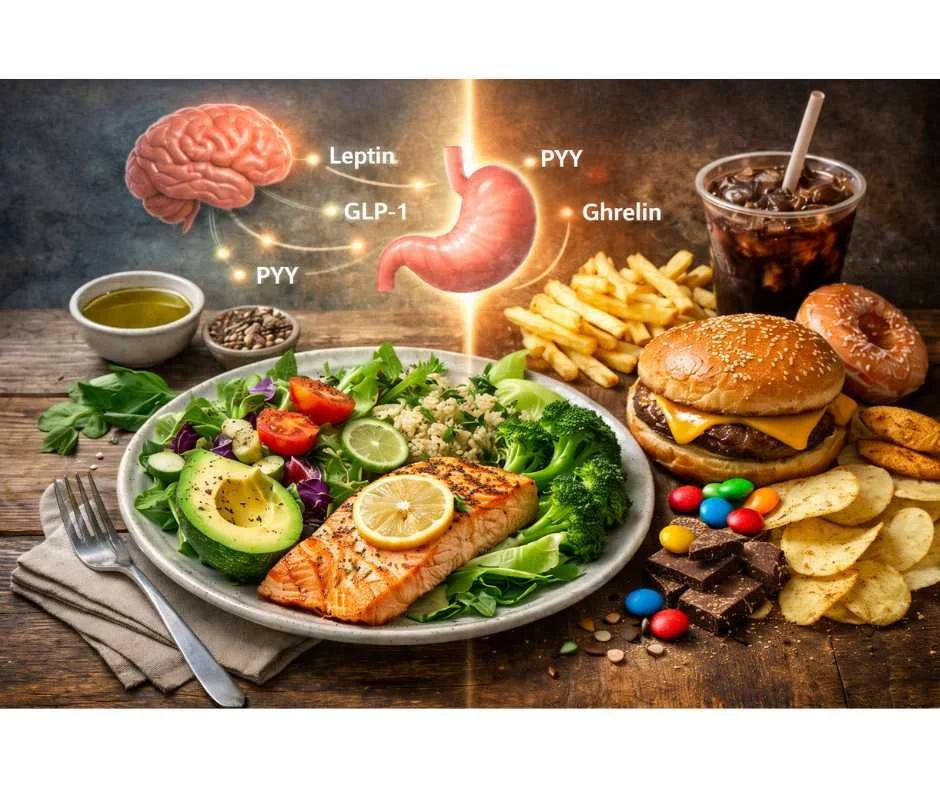
Read MoreFood quality—not calorie counting—determines how hormones, metabolism, and appetite regulate weight loss. Nutrient-dense foods support sustainable fat loss without restriction.
Read MoreA clinical guide to intermittent fasting for women, explaining how fasting affects cortisol, ovulation, progesterone, and the menstrual cycle—and how to time fasting without disrupting hormone balance.
Read MorePain medications may quiet symptoms, but long-term use of NSAIDs, acetaminophen, corticosteroids, and opioids can deplete nutrients, injure the gut and liver, disrupt hormones, and impair tissue repair. Understanding these risks clarifies why chronic pain often persists despite escalating treatment.
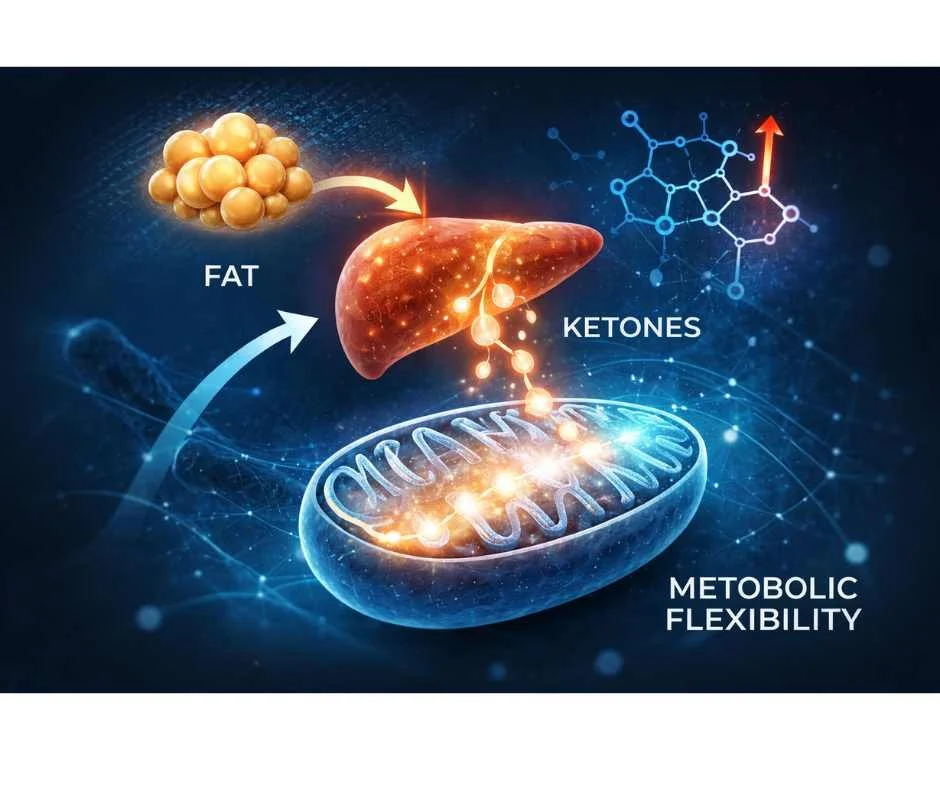
Read MoreKetosis can improve energy and blood sugar control—but it can also raise cortisol and disrupt thyroid signaling when misapplied. Understanding metabolic flexibility is the key to using keto strategically.
Read MoreType 2 diabetes develops gradually through insulin resistance and progressive beta cell dysfunction. Explore early warning signs, root causes, complications, and prevention strategies that support long-term metabolic health.
Read MoreCancer progression is strongly influenced by metabolic dysfunction. Insulin resistance, chronic inflammation, and mitochondrial impairment shape tumor biology and long-term cancer risk.
Read MoreNon-alcoholic fatty liver disease is a metabolic condition driven by insulin resistance and inflammation. Learn how NAFLD develops, how it’s diagnosed, and which strategies support liver recovery.
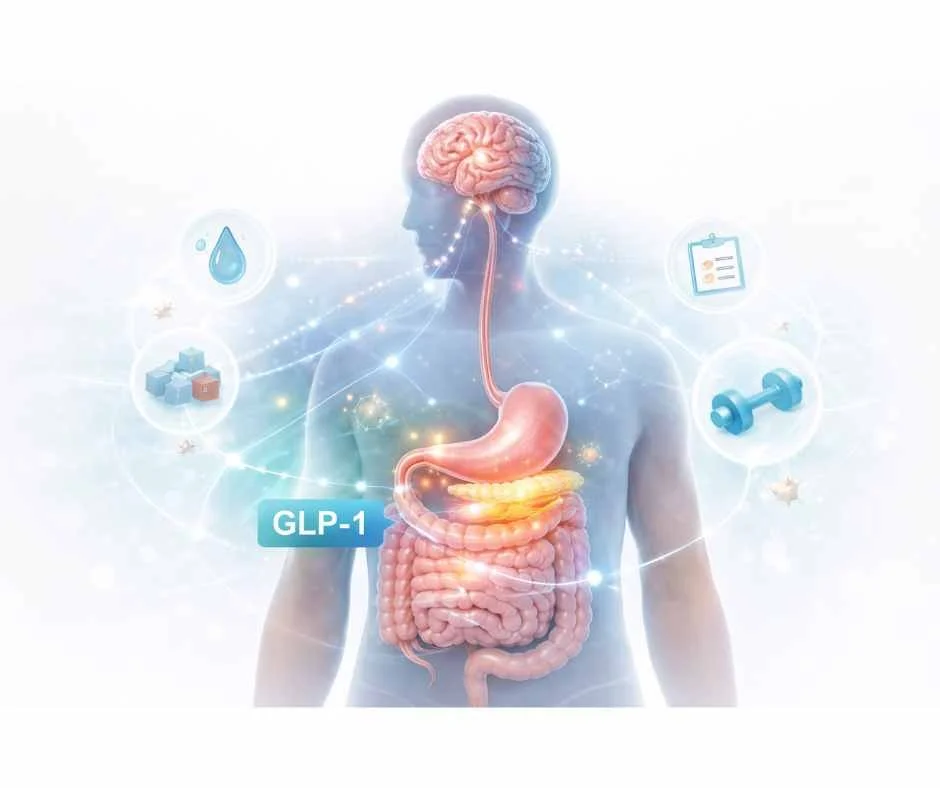
Read MoreOzempic and other GLP-1 medications can support weight loss and blood sugar control—but they don’t address the root causes of metabolic dysfunction. This article explores how GLP-1 agonists work, their potential benefits and risks, and what’s required for sustainable, long-term metabolic health.
Read MoreWeight loss resistance is often driven by deeper physiologic regulation—not effort. This article explains why weight loss can stall despite healthy habits using a functional medicine, root-cause framework.
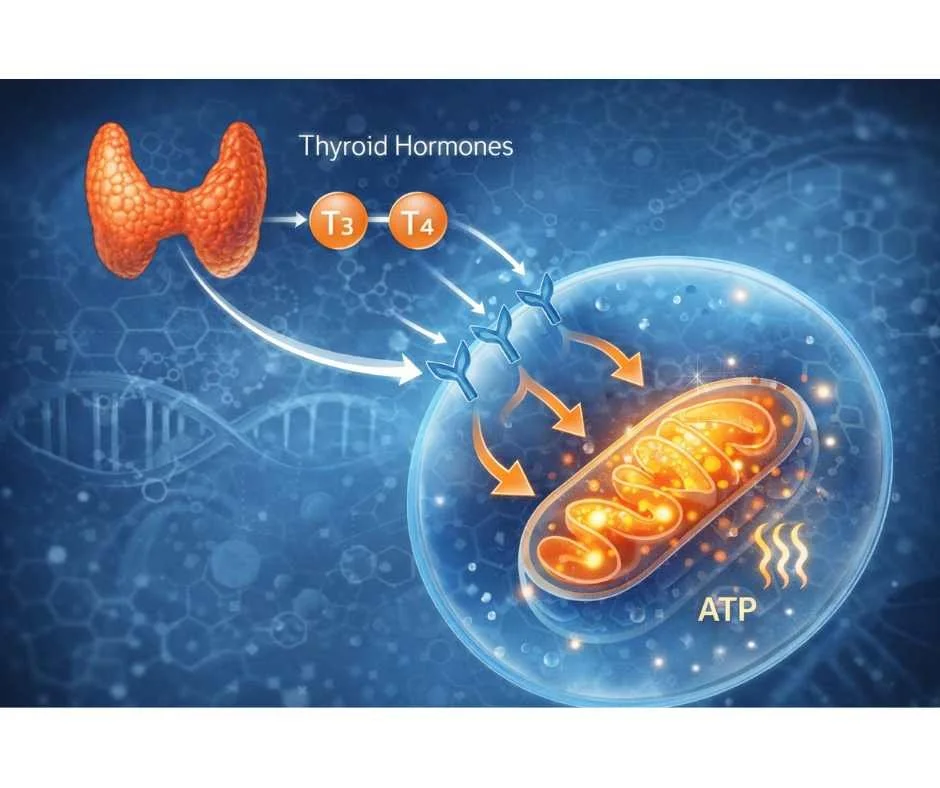
Read MoreWeight loss resistance is one of the most frustrating—and misunderstood—effects of hypothyroidism. This article explains how thyroid signaling alters metabolism, energy conservation, stress hormones, and fat oxidation, making traditional diet and exercise strategies ineffective despite consistent effort.
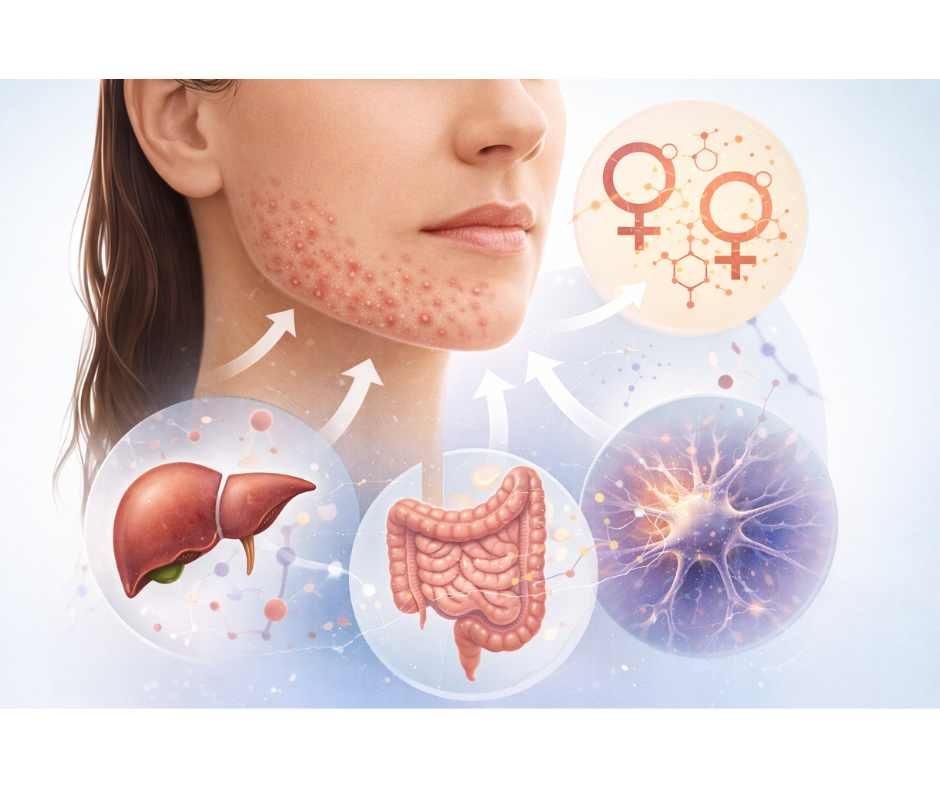
Read MoreAdult acne often reflects deeper physiologic drivers rather than surface skin problems alone. Hormonal signaling, gut–skin axis disruption, inflammation, metabolic stress, detoxification pathways, and nervous system regulation can interact to drive persistent breakouts and treatment-resistant acne patterns.
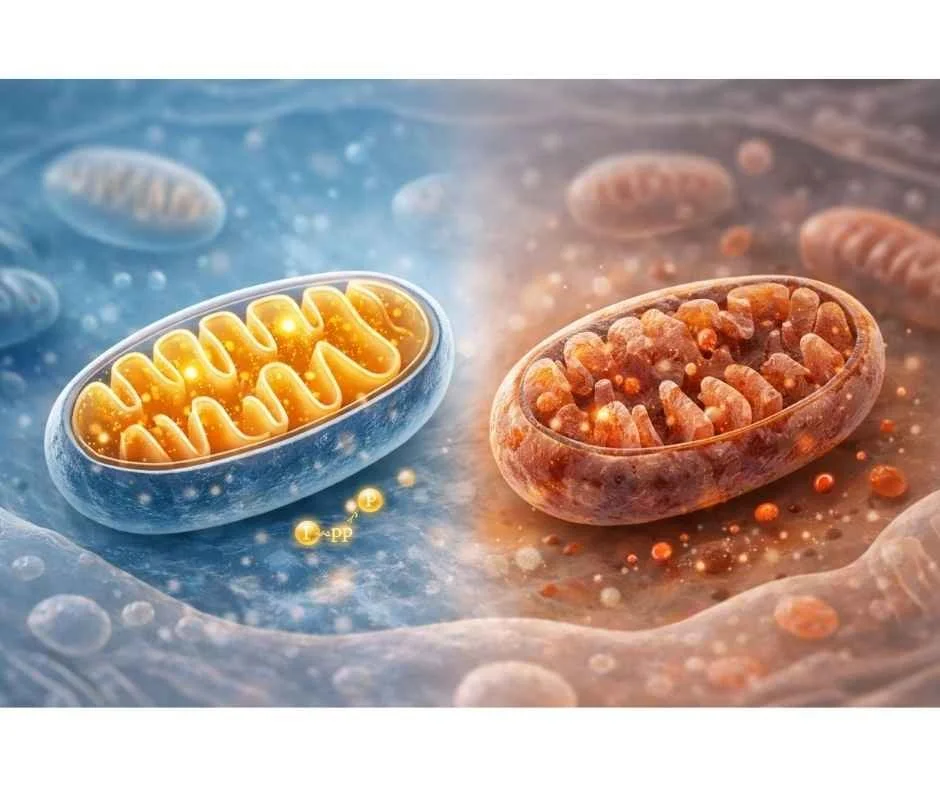
Read MoreMitochondrial function plays a central role in how the body produces energy, adapts to stress, and ages over time. This article explains how cellular energy regulation influences fatigue, metabolic health, and chronic disease—and why symptoms often appear long before standard tests detect a problem.
Read MoreMetabolic syndrome reflects systemic metabolic dysfunction driven by insulin resistance and inflammation. Identify early warning signs and restore metabolic regulation naturally.
Read MoreIntermittent fasting can improve insulin sensitivity and fat loss when applied appropriately—but it can also increase stress, cravings, and hormonal disruption when mismatched to your physiology. This guide explains who benefits, when fasting backfires, and how to implement it safely.
Read More