Posts in Pain
Natural Pain Relief for Chronic Pain: Non-Drug Alternatives to NSAIDs, Opioids, and Steroid Injections

Chronic pain does not require lifelong dependence on NSAIDs, opioids, or steroid injections. Natural pain relief strategies—including acupuncture, PEMF therapy, peptides, regenerative injections, targeted nutrition, and nervous system regulation—reduce inflammation, support tissue repair, and restore function without suppressing healing. A multi-modality, root-cause approach addresses why pain persists and helps build long-term resilience.

Read More

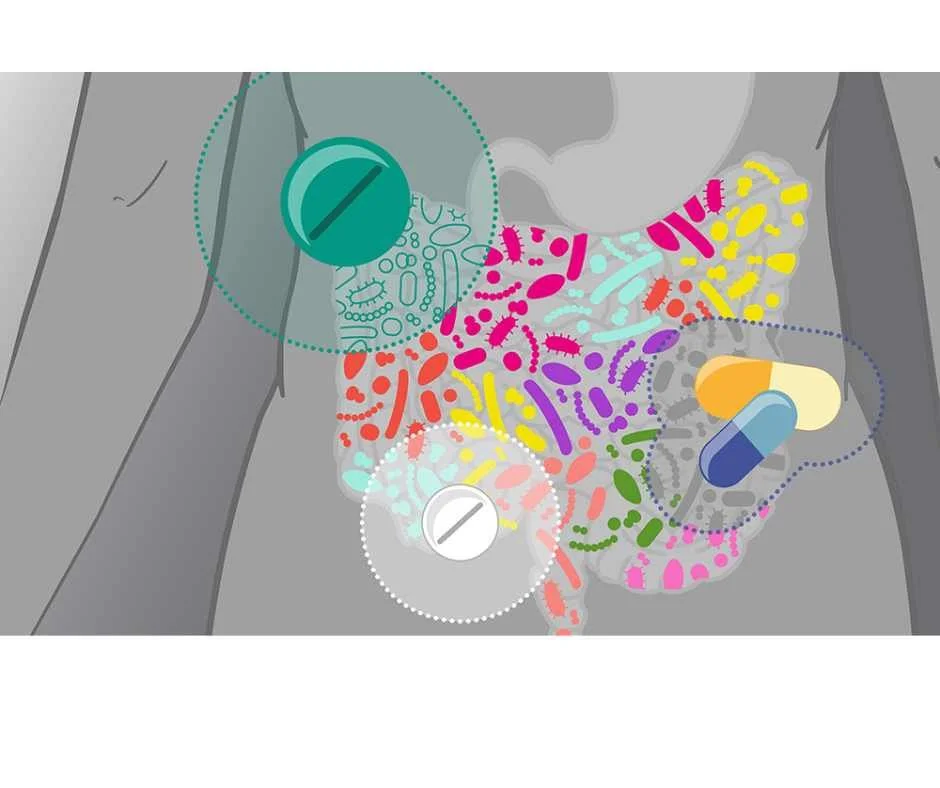
When Pain Relief Backfires: Hidden Risks of Tylenol, NSAIDs, Steroids, and Opioids

Pain medications may quiet symptoms, but long-term use of NSAIDs, acetaminophen, corticosteroids, and opioids can deplete nutrients, injure the gut and liver, disrupt hormones, and impair tissue repair. Understanding these risks clarifies why chronic pain often persists despite escalating treatment.

Read More
How PPIs, Antibiotics, Birth Control, and NSAIDs Disrupt Gut and Hormone Health

Long-term use of PPIs, antibiotics, hormonal contraceptives, and NSAIDs can weaken stomach acid production, disrupt microbial balance, deplete key nutrients, and impair hormone metabolism—contributing to fatigue, bloating, PMS, mood shifts, and systemic inflammation.

Read More
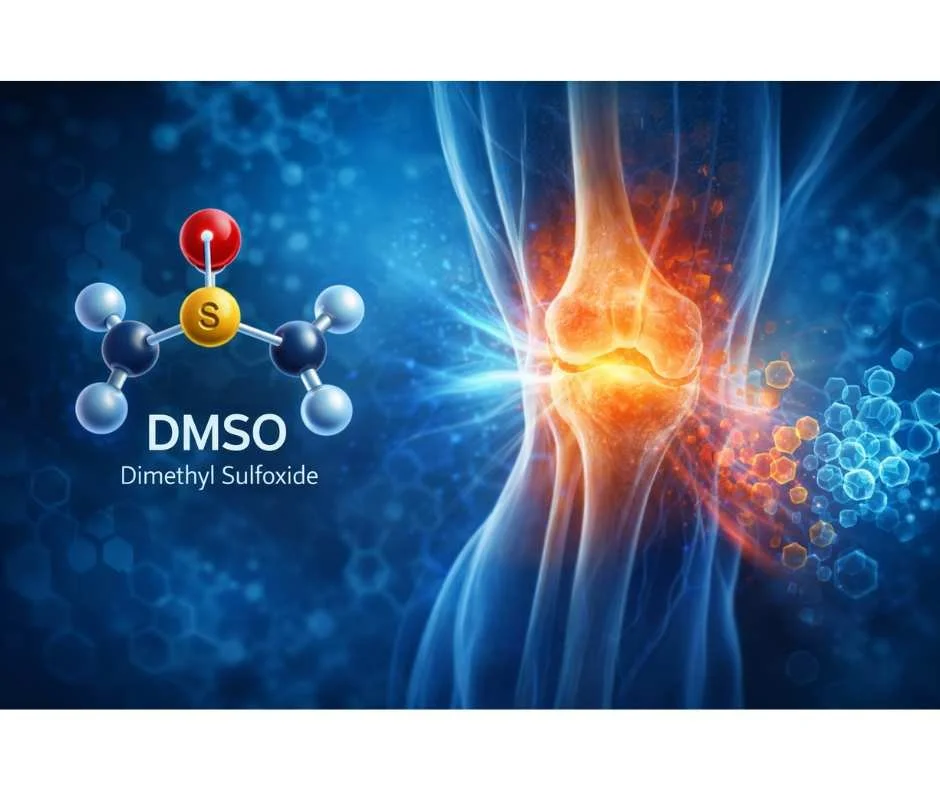
DMSO for Pain Relief, Inflammation, Detoxification & Injury Recovery

DMSO (dimethyl sulfoxide) is a membrane-penetrating sulfur compound used in clinical settings for topical pain relief, inflammation modulation, injury recovery, and controlled transderal delivery of therapeutic agents. This guide reviews its mechanisms, safety considerations, and integrative applications.

Read More
Magnesium Deficiency: Symptoms, Causes, Testing, and the Best Forms for Effective Repletion

Magnesium deficiency can drive fatigue, anxiety, muscle cramps, heart rhythm changes, hormone imbalance, and blood sugar instability. Because serum testing often misses intracellular depletion, proper evaluation and form selection are essential for effective repletion.

Read More
Acupuncture vs Dry Needling for Back Pain: Key Differences, Effectiveness, and Safety

Acupuncture and dry needling are often confused, yet they differ in training, scope, and long-term impact. This guide explains how each works for back pain, safety considerations, and which approach may provide more durable relief.

Read More