

The Gut–Brain Connection: How the Gut Microbiome Affects Mood, Brain Function, Inflammation, and Digestion
How the Vagus Nerve, Gut Microbiome, Intestinal Barrier, Immune System, and Stress Response Connect Digestive Symptoms With Anxiety, Mood, Brain Fog, and Chronic Inflammation
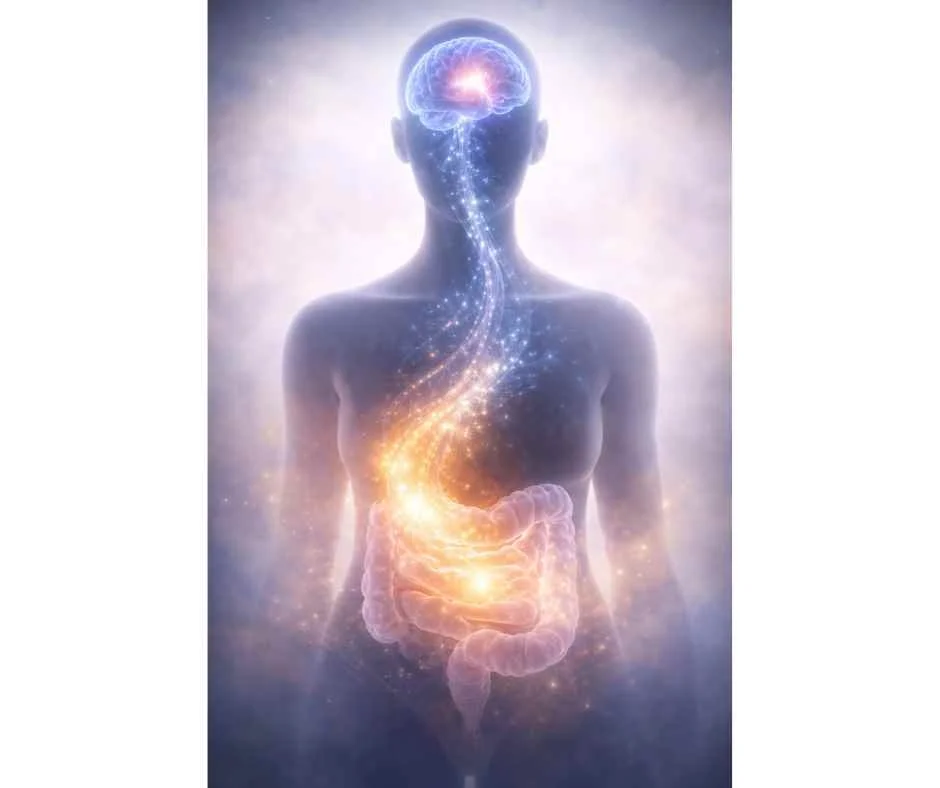
The digestive tract and brain are in continuous communication. Signals travel through the vagus nerve and enteric nervous system, but gut–brain communication also depends on immune activity, microbial metabolites, intestinal barrier integrity, endocrine signaling, and the hypothalamic-pituitary-adrenal stress response. (1,2)
That physiology helps explain why digestive symptoms can overlap with anxiety, disrupted sleep, brain fog, fatigue, changes in mood, altered stress tolerance, and inflammatory symptoms elsewhere in the body. The connection also runs in the opposite direction: prolonged sympathetic activation and HPA-axis dysregulation can change gastrointestinal motility, secretion, visceral sensitivity, immune activity, intestinal permeability, and the microbial environment. (2,3)
The clinically relevant question is therefore not whether a symptom is “coming from the gut” or “coming from the brain.” In many chronic cases, both systems are participating in the same dysregulated feedback loop.
What Is the Gut–Brain Connection?
The gut–brain connection is the bidirectional communication network linking the digestive system with the brain and nervous system. It operates through the vagus nerve, enteric nervous system, immune signaling, microbial metabolites, intestinal barrier, endocrine pathways, and the HPA axis. Disruption in these pathways can affect digestion, mood, cognition, inflammation, stress regulation, and nervous system function.
How the Gut and Brain Communicate
The gut and brain communicate continuously through a network of neural, immune, hormonal, and metabolic pathways. This communication is bidirectional: signals from the brain influence digestion and intestinal function, while signals originating in the gut can affect stress regulation, mood, cognition, inflammation, and nervous system activity. (1,2)
Several systems participate in this communication:
The central nervous system (CNS), including the brain and spinal cord
The autonomic nervous system (ANS), including sympathetic, parasympathetic, and vagal signaling
The enteric nervous system (ENS), the extensive neural network embedded within the gastrointestinal tract
The hypothalamic-pituitary-adrenal (HPA) axis, which coordinates the neuroendocrine stress response
The immune system, including intestinal immune cells, cytokines, mast cells, and inflammatory signaling
Microbial and host metabolites, including short-chain fatty acids, bile acids, and compounds produced through tryptophan metabolism
Together, these pathways influence gastrointestinal motility and secretion, appetite, visceral sensitivity, intestinal permeability, immune regulation, stress physiology, energy metabolism, mood, and cognitive function. (1,3)
Alterations in gut–brain signaling are being studied across a wide range of conditions, including:
Irritable bowel syndrome and other disorders of gut–brain interaction
Inflammatory bowel diseases such as Crohn’s disease and ulcerative colitis
Anxiety and depressive disorders
Parkinson’s disease and other neurodegenerative conditions
Autism spectrum disorder and other neurodevelopmental conditions (1,3)
These associations reinforce that the gastrointestinal, immune, metabolic, and nervous systems are physiologically connected and can influence one another when regulation begins to break down. They do not indicate that these conditions share a single gut-based cause.
The connection is especially apparent during stress. Nervous system activation can rapidly change stomach emptying, intestinal motility, secretion, visceral sensitivity, and bowel habits. The reverse also occurs: intestinal inflammation, microbial metabolites, and signals from the digestive tract can alter autonomic and central nervous system activity. (1,2)
→ Functional & Integrative Medicine
How Stress and the Nervous System Affect Gut Function
Gut microbes influence brain and nervous system function through several pathways rather than simply altering “brain chemistry.” Microbial metabolites, immune signaling, enteroendocrine hormones, tryptophan metabolism, and vagal pathways can all affect stress response, mood, cognition, and inflammatory signaling. (1,3)
Changes in the gut microbiome have been associated with differences in:
Stress reactivity
Mood regulation
Anxiety and depressive symptoms
Memory and cognitive function
Neuroinflammatory signaling
The communication also runs in the opposite direction. Stress-related activation of the autonomic nervous system and HPA axis can change stomach emptying, intestinal motility, digestive secretions, visceral sensitivity, mucosal blood flow, immune activity, and intestinal permeability. (1,2)
These effects do not look the same in every person. Stress may contribute to constipation and slowed digestion in one patient while triggering urgency, diarrhea, reflux, nausea, or abdominal pain in another.
The nervous system also helps regulate the intestinal mucosal barrier, which separates the microbial environment inside the gut from underlying immune tissue and circulation. When barrier integrity becomes impaired, bacterial components and other luminal antigens can interact more readily with the immune system and, in some cases, enter systemic circulation.
This increase in intestinal permeability—often referred to as leaky gut—can amplify immune and inflammatory signaling. When the process becomes persistent, its effects may extend beyond the digestive tract and overlap with fatigue, brain fog, joint symptoms, mood changes, food reactivity, and other inflammatory patterns. (3)
How the Gut Microbiome Influences the Gut–Brain Axis
The gut microbiome is a major part of gut–brain communication. It includes bacteria, archaea, fungi, viruses, and other microorganisms that interact with the intestinal lining, immune system, enteric nervous system, and metabolic pathways.
Gut microbes produce and transform biologically active compounds, including short-chain fatty acids, bile-acid metabolites, indoles, and other metabolites derived from tryptophan. These compounds influence intestinal barrier integrity, immune activity, metabolic signaling, stress physiology, and nervous system function. (1,4)
The microbiome begins developing early in life and continues to change throughout adulthood. Its composition and metabolic activity are shaped by:
Mode of delivery and early-life feeding
Dietary diversity and fiber intake
Antibiotic exposure
Gastrointestinal infections
Alcohol consumption
Medications, including NSAIDs and acid-suppressing drugs
Hormonal changes
Chronic psychological and physiologic stress
Sleep and circadian rhythm
Environmental chemical and toxicant exposures
When the microbial ecosystem loses balance—a pattern broadly described as dysbiosis—microbial diversity and metabolite production can change along with intestinal barrier function, immune activity, and bile-acid metabolism. These changes can alter communication between the gut and nervous system. (1,3)
Factors that can disrupt microbial balance include:
Diets high in ultra-processed foods and added sugar
Chronically low fiber intake
Repeated or prolonged antibiotic exposure
Excess alcohol
Gastrointestinal infections
Poor sleep and circadian disruption
Chronic psychological or physiologic stress
Environmental chemical and toxicant exposures
The effects are not confined to the intestine. Microbial metabolites and immune signals can influence the brain through the circulation, enteroendocrine pathways, the enteric nervous system, and vagal signaling. Changes in these pathways can affect mood, cognitive function, stress response, and inflammatory activity. (1,4)
Because the microbiome remains responsive throughout life, diet, sleep, stress regulation, gastrointestinal function, medication exposure, and environmental load can all change the microbial environment. In patients with persistent gut–brain symptoms, identifying which of these factors is disrupting microbial function is more useful than simply labeling the problem as dysbiosis.
How Gut Health Affects Mental Health and Brain Function
Changes in the gut microbiome have been associated with anxiety, depression, cognitive symptoms, and several neurodevelopmental and neurodegenerative conditions. No single pathway accounts for the relationship between gut function and the brain. Gut microbes influence nervous system function through immune signaling, microbial metabolites, vagal pathways, tryptophan metabolism, endocrine signaling, and regulation of the intestinal barrier. (1,6)
A healthy intestinal barrier helps control what passes from the gut lumen into underlying immune tissue and circulation. Tight junctions between intestinal cells are part of this selective barrier, helping maintain separation between the microbial environment of the gut and the bloodstream. (5)
When dysbiosis, intestinal inflammation, or other stressors impair barrier integrity, bacterial components and other luminal antigens can interact more readily with the immune system and may enter circulation. This can increase cytokine activity and systemic inflammatory signaling that affects nervous system function. (5,6)
Several gut-related pathways can influence mood and cognition:
Increased intestinal permeability
Altered short-chain fatty acid production
Changes in tryptophan and kynurenine metabolism
Vagal and enteric nervous system signaling
Immune activation and inflammatory cytokines
HPA-axis dysregulation
Changes in microbial and bile-acid metabolites
In patients with digestive dysfunction, these same pathways can contribute to anxiety, brain fog, fatigue, disrupted sleep, mood changes, and reduced stress tolerance.
The same gut–immune and neurologic pathways are also relevant in autoimmune disease, neurodegeneration, inflammatory bowel disease, allergic disorders, and metabolic dysfunction, although their role differs considerably between conditions. The microbiome does not play the same role in every condition, and dysbiosis is rarely the only driver.
The pattern becomes especially important when gastrointestinal symptoms occur alongside inflammation, cognitive changes, anxiety, fatigue, or autonomic symptoms. In that setting, evaluating the gut–brain axis can be more useful than treating each symptom as an unrelated problem.
Acupuncture, Chinese Herbal Medicine, and the Gut–Brain Axis
Chinese medicine is especially relevant to gut–brain dysfunction because treatment is directed at patterns of dysregulation across digestion, nervous system activity, inflammation, sleep, and stress physiology rather than treating each symptom as an isolated problem.
Acupuncture, Chinese herbal medicine, dietary therapy, and targeted nutraceutical support can influence several of the systems involved in gut–brain communication, including gastrointestinal motility, autonomic regulation, immune signaling, intestinal barrier function, and microbial activity.
Chinese Herbal Medicine and the Gut Microbiome
Chinese herbal formulas contain multiple biologically active compounds that interact with both human physiology and the intestinal microbiome. Gut microbes can transform botanical compounds into different metabolites, while herbal constituents can alter microbial composition, intestinal barrier integrity, short-chain fatty acid production, and inflammatory signaling.
Research on Chinese herbal medicine and the gut–brain axis has identified effects involving:
Gut microbial composition and diversity
Intestinal barrier function
Short-chain fatty acid production
Tryptophan and neurotransmitter metabolism
Inflammatory cytokines
NLRP3 inflammasome activity
TLR4/NF-κB signaling
BDNF and neuroplasticity pathways (7)
These mechanisms are being studied in depression, anxiety, inflammatory disorders, metabolic dysfunction, and other conditions involving altered gut–brain signaling.
Chinese herbal medicine also provides a non-pharmaceutical treatment option when appropriate. Formulas should still be selected carefully because herbs are biologically active and can interact with medications, hormones, liver-enzyme pathways, and other therapies.
Acupuncture and Gut–Brain Regulation
Acupuncture affects both gastrointestinal and nervous system physiology, which makes it particularly useful when digestive symptoms occur alongside stress, anxiety, visceral sensitivity, or autonomic dysregulation.
Research has examined acupuncture’s effects on:
Gastrointestinal motility
Abdominal pain and visceral hypersensitivity
Autonomic nervous system regulation
Vagal signaling
HPA-axis activity
Immune and inflammatory pathways
Central pain processing
Microbiota–gut–brain signaling
Clinical evidence is most developed for irritable bowel syndrome and other disorders of gut–brain interaction. Studies have found improvements in gastrointestinal symptoms as well as anxiety, depression, and quality of life in patients with IBS. (8,9)
Acupuncture also has a growing evidence base for anxiety and depressive symptoms. Meta-analyses of randomized controlled trials have found meaningful symptom improvement across comparisons with sham acupuncture, usual care, and other treatment approaches. (10,11)
The value of acupuncture in gut–brain dysfunction is its ability to work on several parts of the feedback loop at the same time: digestive function, visceral signaling, autonomic tone, inflammatory activity, and stress regulation.
Diet, Prebiotics, Probiotics, and Nutraceutical Support
Diet is one of the strongest day-to-day influences on microbial composition and function. The goal is not to follow one universal “gut diet,” but to provide the substrates that support a diverse and metabolically healthy microbiome while accounting for individual digestive tolerance. (12)
Foods that generally support microbiome health include:
A wide variety of vegetables, herbs, legumes, nuts, seeds, and other fiber-rich plant foods
Polyphenol-rich berries, colorful vegetables, herbs, spices, tea, and cacao
Fermented foods when tolerated
Resistant starch and prebiotic fibers when appropriate
Adequate high-quality protein
Omega-3-rich seafood and other minimally processed fats
Minimally processed whole foods
More fiber is not automatically better for every patient. Significant SIBO, impaired motility, active intestinal inflammation, histamine intolerance, severe bloating, or other forms of gastrointestinal dysregulation can make aggressive increases in fermentable foods counterproductive until the underlying pattern is addressed.
Factors that commonly work against microbial balance include:
Ultra-processed foods
Excess added sugar
Excess alcohol
Chronically low fiber and low plant diversity
Artificial sweeteners, emulsifiers, and other food additives in susceptible patients
Repeated foods that produce a clear inflammatory or digestive response
Higher cumulative exposure to pesticides and other environmental chemicals
Ultra-processed foods are particularly relevant because they often combine low fiber intake with refined carbohydrates, added sugars, emulsifiers, preservatives, and other additives that can alter microbial composition and intestinal barrier function. (13)
Targeted supplements and herbal therapies can be useful when they address a defined problem rather than being added indiscriminately. Depending on the pattern, this may include:
Specific probiotic strains
Prebiotic fibers
Butyrate or other postbiotic compounds
Digestive enzymes or other digestive support
Antimicrobial botanicals
Mucosal-support nutrients
Omega-3 fatty acids
Magnesium
Polyphenols
Nutrients involved in neurotransmitter and mitochondrial metabolism
Treatment sequence matters. Adding probiotics to someone with impaired motility, significant bacterial overgrowth, constipation, histamine reactivity, or active intestinal inflammation is not the same intervention as rebuilding microbial diversity after antibiotics. Gut restoration works best when the specific dysfunction is identified first and treatment is matched to that physiology.
A Root-Cause Approach to Gut–Brain Dysfunction
Persistent gut–brain symptoms rarely come from one isolated mechanism. Constipation accompanied by anxiety may involve impaired motility and autonomic dysregulation. Brain fog after eating can raise different questions involving blood sugar regulation, histamine, food reactions, intestinal inflammation, or microbial metabolites. Symptoms that begin after repeated antibiotics, a gastrointestinal infection, chronic stress, or environmental exposure require a different clinical approach. (1,3)
A root-cause evaluation should focus on the specific physiology driving the pattern, including:
Gut microbiome imbalance and dysbiosis
Gastrointestinal motility and digestive function
Intestinal inflammation and permeability
Food reactions and histamine burden
Nutrient digestion and absorption
Autonomic nervous system and HPA-axis regulation
Blood sugar and metabolic dysfunction
Medication and antibiotic history
Hormonal influences
Environmental chemical and toxicant exposures
Functional laboratory testing can be used when it adds meaningful information to the clinical picture, including assessment of digestive function, microbial balance, inflammation, nutrient status, metabolic health, and other contributors that may be sustaining symptoms.
→ Advanced Functional Lab Testing
When Gut and Nervous System Symptoms Keep Occurring Together
Digestive symptoms that occur alongside anxiety, brain fog, fatigue, disrupted sleep, mood changes, or poor stress tolerance warrant a broader look at the gut–brain axis.
The important question is which mechanisms are driving the pattern. Dysbiosis, impaired motility, intestinal inflammation, altered barrier function, autonomic dysregulation, metabolic dysfunction, nutrient deficiencies, environmental exposures, or several of these factors may be involved at the same time.
Frequently Asked Questions About the Gut–Brain Connection
What is the gut–brain connection?
The gut–brain connection is the bidirectional communication network linking the gastrointestinal tract with the brain and nervous system. It involves the vagus nerve, enteric nervous system, autonomic nervous system, HPA axis, immune signaling, intestinal barrier, gut microbiome, and microbial metabolites.
How does the gut microbiome communicate with the brain?
The gut microbiome communicates with the brain through several pathways, including microbial metabolites, immune signaling, enteroendocrine hormones, the enteric nervous system, and the vagus nerve. Short-chain fatty acids, bile-acid metabolites, and compounds produced through tryptophan metabolism are among the signals involved.
What is the vagus nerve and why is it important for gut health?
The vagus nerve is one of the major neural pathways connecting the digestive tract with the brain. It carries sensory information from the gut toward the central nervous system and also helps regulate gastrointestinal motility, secretion, inflammatory activity, heart-rate regulation, and autonomic balance.
Can stress cause digestive symptoms?
Yes. Stress can alter gastrointestinal motility, stomach emptying, digestive secretions, visceral sensitivity, intestinal permeability, and immune activity through the autonomic nervous system and HPA axis. Depending on the person, this can contribute to constipation, diarrhea, nausea, reflux, abdominal pain, bloating, or changes in appetite.
Can gut problems contribute to anxiety or depression?
Gut dysfunction can contribute to pathways involved in anxiety and depression through immune activation, intestinal permeability, microbial metabolites, vagal signaling, tryptophan metabolism, and HPA-axis dysregulation. Anxiety and depression are multifactorial, so gut dysfunction is one possible contributor rather than the only cause.
What is dysbiosis?
Dysbiosis refers to a disruption in the composition or function of the gut microbiome. It can involve reduced microbial diversity, loss of beneficial organisms, overgrowth of certain microbes, altered metabolite production, impaired intestinal barrier function, or abnormal immune signaling.
What is leaky gut?
Leaky gut is a common term for increased intestinal permeability. When the intestinal barrier becomes more permeable, bacterial components and other substances from the gut lumen can interact more readily with the immune system and may enter circulation, increasing inflammatory signaling.
Can gut inflammation cause brain fog?
Gut inflammation can contribute to brain fog through immune signaling, altered intestinal permeability, histamine and mast-cell activity, microbial metabolites, nutrient malabsorption, blood sugar instability, and other metabolic pathways. Persistent brain fog still requires a broader evaluation because the gut is not the only possible source.
Can acupuncture help the gut–brain axis?
Acupuncture can influence several systems involved in gut–brain regulation, including gastrointestinal motility, visceral sensitivity, autonomic nervous system activity, vagal signaling, HPA-axis regulation, inflammatory pathways, and central pain processing. It has been studied particularly in irritable bowel syndrome and other disorders of gut–brain interaction.
How does Chinese herbal medicine affect the gut microbiome?
Chinese herbal compounds can interact directly with intestinal microbes, and gut bacteria can transform herbal constituents into different bioactive metabolites. Research has examined effects on microbial composition, short-chain fatty acid production, intestinal barrier function, inflammatory signaling, tryptophan metabolism, and other pathways involved in gut–brain communication.
What are the first steps to improve gut–brain health?
The first steps depend on the underlying pattern. Foundational areas usually include sleep and circadian rhythm, dietary quality, bowel motility, digestive function, stress regulation, alcohol intake, medication and antibiotic exposure, and environmental load. Persistent symptoms often require a more targeted evaluation for dysbiosis, intestinal inflammation, food reactions, nutrient deficiencies, metabolic dysfunction, or autonomic dysregulation.
Still Have Questions?
If the topics above reflect ongoing symptoms or unanswered concerns, a brief conversation can help clarify whether a root-cause approach is appropriate.
Resources
Physiological Reviews - The Microbiota-Gut-Brain Axis
Nature Reviews Neuroscience - Gut Feelings: The Emerging Biology of Gut–Brain Communication
Nature Reviews Gastroenterology & Hepatology - Principles and Clinical Implications of the Brain–Gut–Enteric Microbiota Axis
Molecular and Cellular Endocrinology - Short Chain Fatty Acids: Microbial Metabolites for Gut-Brain Axis Signalling
Nature Reviews Gastroenterology & Hepatology - Gastrointestinal and Brain Barriers: Unlocking Gates of Communication Across the Microbiota–Gut–Brain Axis
Gastroenterology Clinics of North America - The Microbiome-Gut-Brain Axis in Health and Disease
Journal of Ethnopharmacology - Gut Microbiota: A New Target for Traditional Chinese Medicine in the Treatment of Depression
Journal of Integrative Medicine - Acupuncture and Moxibustion for Irritable Bowel Syndrome: An Umbrella Systematic Review
Gastroenterology - Efficacy of Acupuncture in Irritable Bowel Syndrome With Diarrhea
Journal of Clinical Psychology - Acupuncture for Anxiety: A Systematic Review and Meta-Analysis of Randomized Controlled Trials
Journal of Clinical Medicine - Acupuncture for Depression: A Systematic Review and Meta-Analysis
Nature Metabolism - Feeding Gut Microbes to Nourish the Brain: Unravelling the Diet–Microbiota–Gut–Brain Axis
Nutrients - Ultra-Processed Food and Gut Microbiota: Do Additives Affect Eubiosis? A Narrative Review