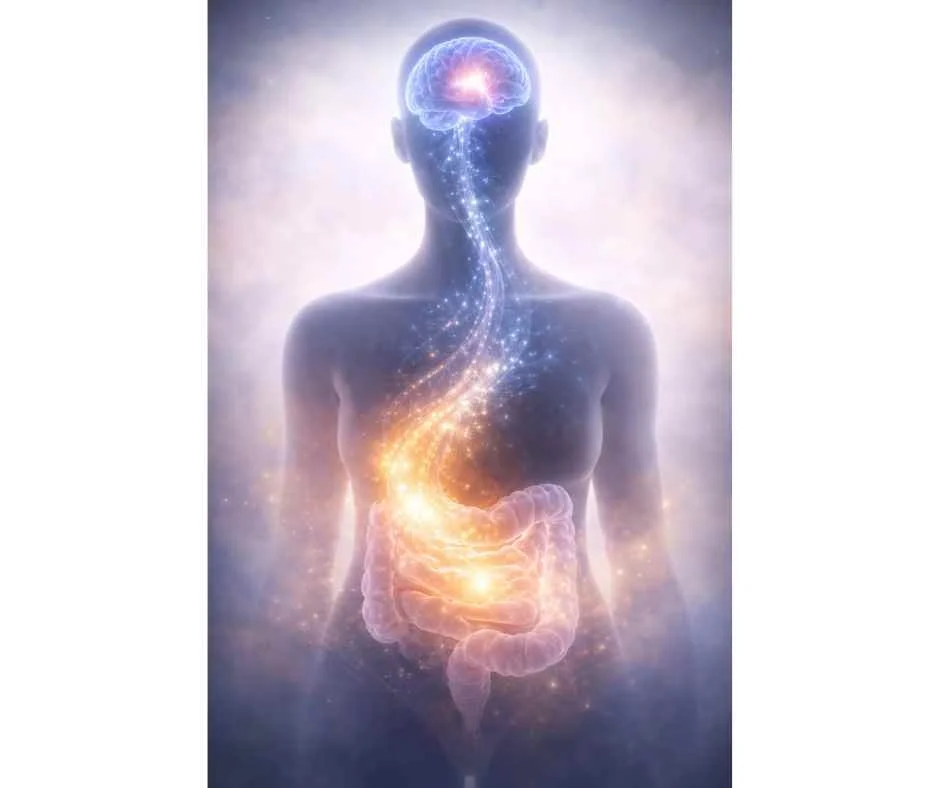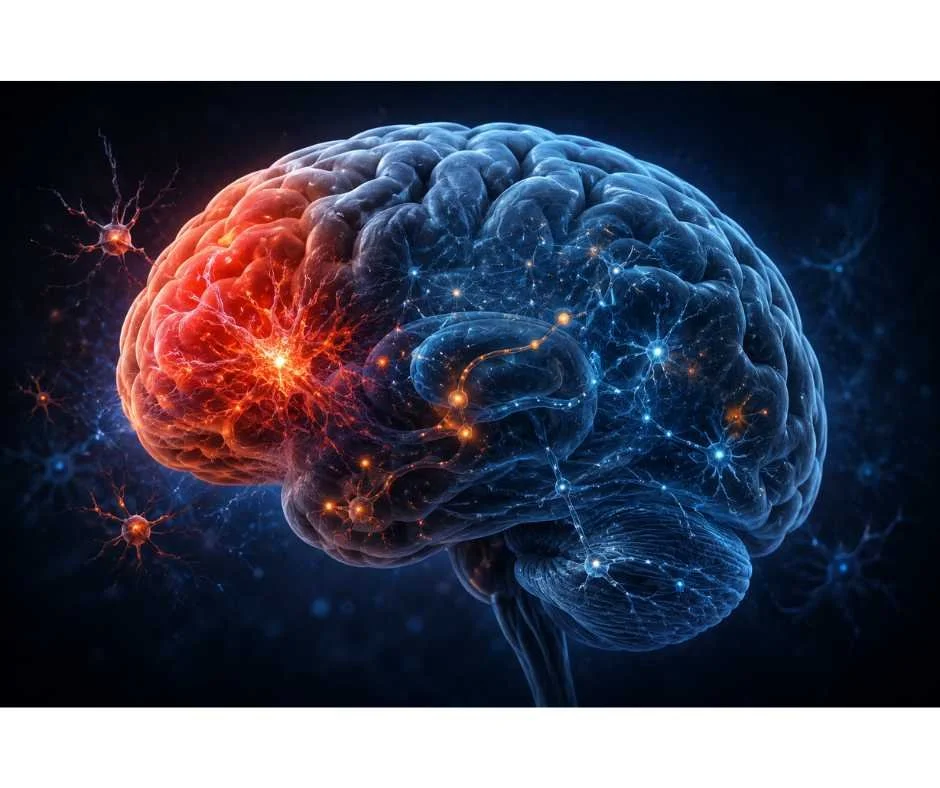
Neuroinflammation may influence ADHD symptoms by disrupting dopamine signaling, executive function, brain energy production, and nervous system regulation. This article examines the connections between brain inflammation, oxidative stress, gut-brain signaling, cognitive fatigue, and executive dysfunction in ADHD.
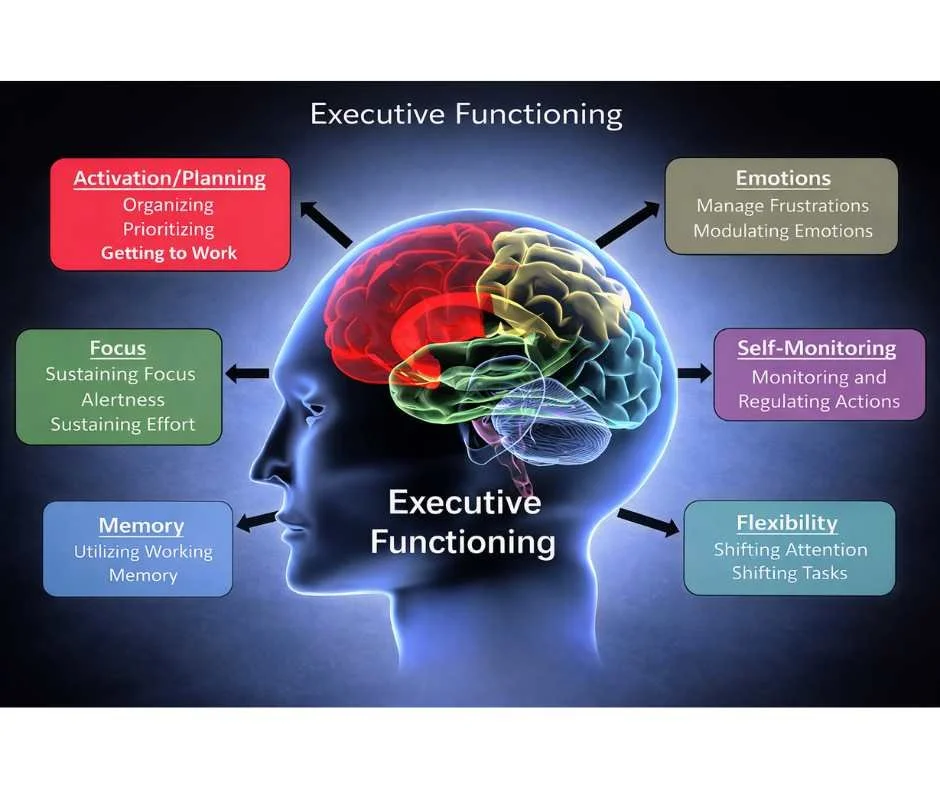
Read MoreADHD is a regulation disorder — not simply a lack of attention. This in-depth guide explains how executive dysfunction, dopamine signaling, sleep disruption, stress physiology, and metabolic instability shape ADHD symptom variability across life stages.
Read MoreDepression recovery is rarely driven by a single intervention. This article explores how functional medicine supports mood by stabilizing sleep, nervous system regulation, inflammation, metabolism, and hormonal context over time.
Read MoreDepression is rarely caused by a single neurotransmitter imbalance. This article explores how stress physiology, inflammation, metabolism, and gut–brain signaling interact to shape mood—and why symptoms often persist despite standard treatment.
Read MoreThe gut–brain connection links the microbiome, vagus nerve, intestinal barrier, immune system, and stress response. Disruption in these pathways can affect digestion, mood, brain fog, inflammation, cognitive function, and nervous system regulation.
Read More