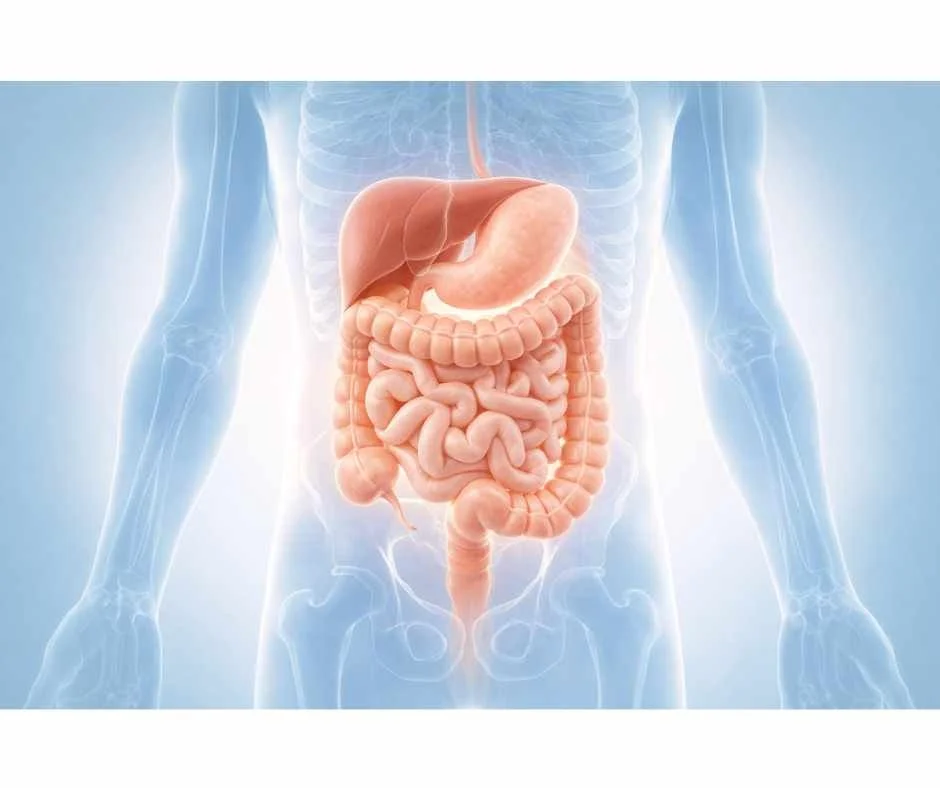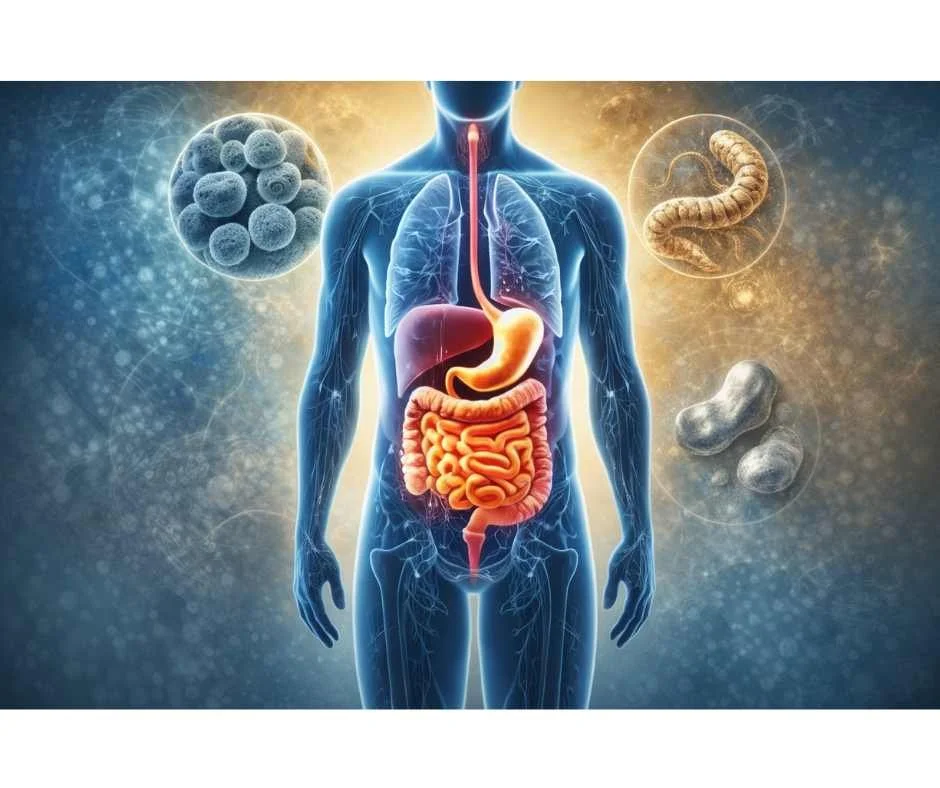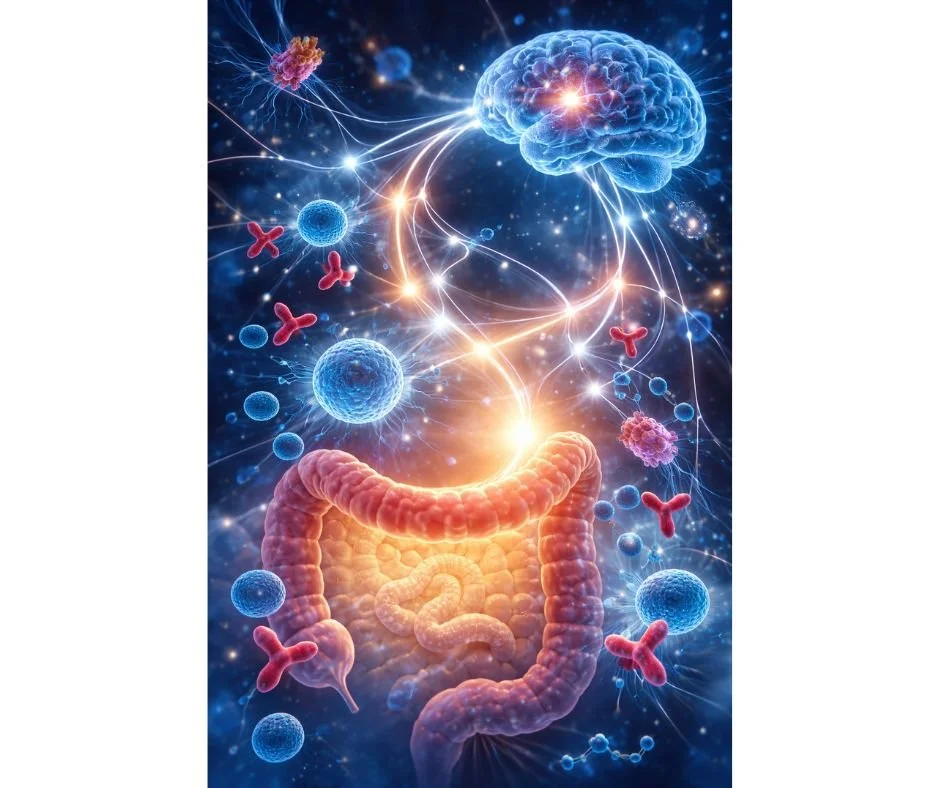
Alcohol is deeply normalized in modern culture, yet from a biological standpoint it functions as a systemic toxin. This in-depth article explores how alcohol impacts detoxification pathways, nutrient reserves, gut health, sleep quality, and nervous system regulation—and why individual biology determines risk long before conventional disease markers appear.
Read MoreADHD is not a lack of attention. It reflects how consistently the brain can regulate focus, energy, and executive function under changing demands.
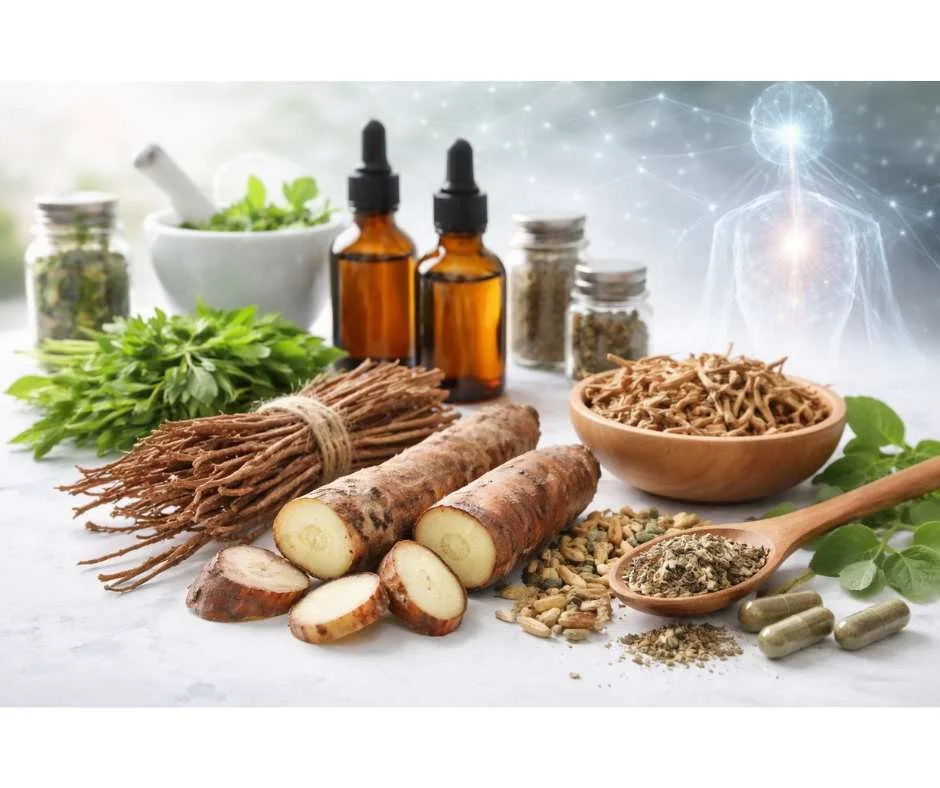
Read MoreChronic Lyme disease often persists despite antibiotics due to immune dysregulation, inflammation, and mitochondrial dysfunction. The Buhner Protocol uses targeted herbal medicine and a systems-based approach to address persistent Lyme symptoms and common co-infections.
Read MoreChronic pain does not require lifelong dependence on NSAIDs, opioids, or steroid injections. Natural pain relief strategies—including acupuncture, PEMF therapy, peptides, regenerative injections, targeted nutrition, and nervous system regulation—reduce inflammation, support tissue repair, and restore function without suppressing healing. A multi-modality, root-cause approach addresses why pain persists and helps build long-term resilience.
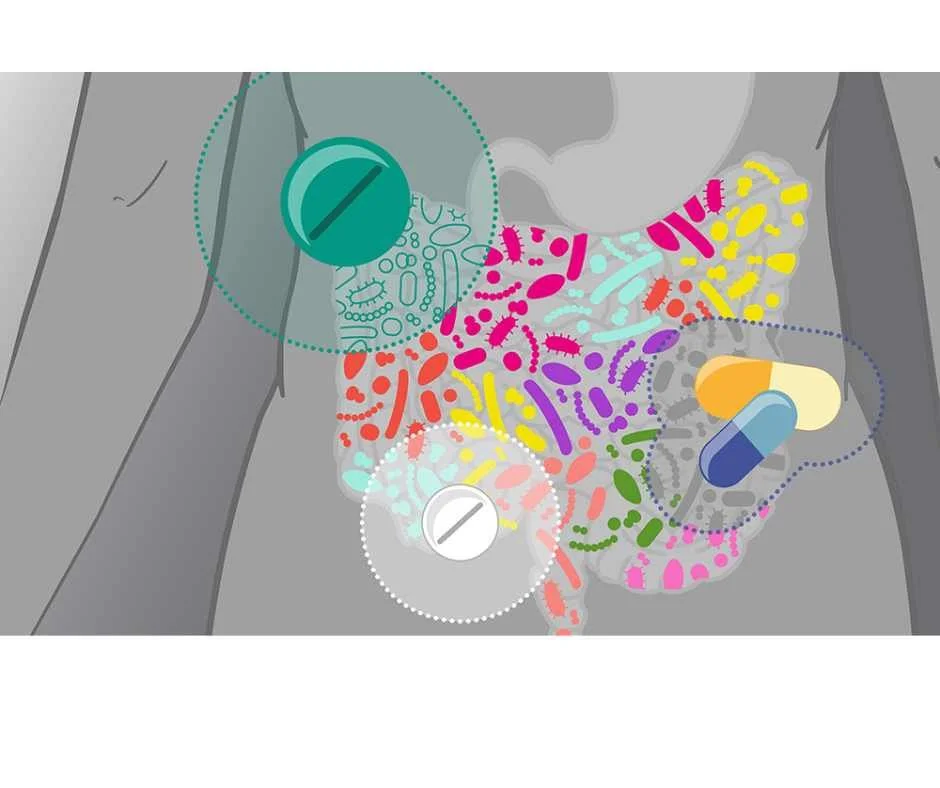
Read MoreLong-term use of PPIs, antibiotics, hormonal contraceptives, and NSAIDs can weaken stomach acid production, disrupt microbial balance, deplete key nutrients, and impair hormone metabolism—contributing to fatigue, bloating, PMS, mood shifts, and systemic inflammation.
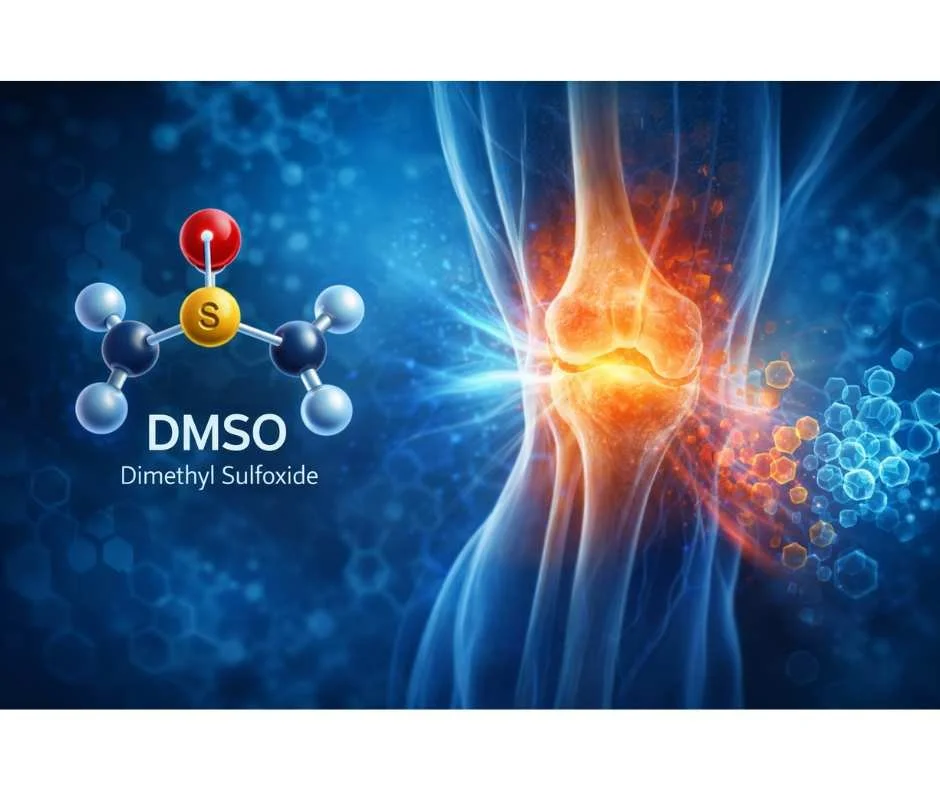
Read MoreDMSO (dimethyl sulfoxide) is a membrane-penetrating sulfur compound used in clinical settings for topical pain relief, inflammation modulation, injury recovery, and controlled transderal delivery of therapeutic agents. This guide reviews its mechanisms, safety considerations, and integrative applications.
Read MoreShilajit benefits extend beyond traditional herbal use. Learn how purified Shilajit resin supports mitochondrial ATP production, testosterone balance, heavy metal detoxification, and cognitive resilience within a functional medicine framework.
Read MoreCandida overgrowth, parasitic infections, and heavy metal toxicity often reinforce one another—creating a hidden connection that drives fatigue, brain fog, gut dysfunction, and chronic inflammation. Biofilms, immune suppression, and impaired detox pathways sustain this toxic cycle, requiring a systems-based approach that restores regulation and resilience rather than targeting one factor in isolation.
Read MoreEven organic and whole foods can contain microplastics and heavy metals. Learn which foods are highest risk and how to reduce cumulative toxic exposure.
Read MoreCAFO-raised meat, lab-grown food technologies, and insect-derived ingredients are increasingly common—but rarely transparent. Part 3 of this food toxin series explores how industrial meat production and emerging food alternatives may impact hormones, gut health, immunity, and long-term metabolic resilience.
Read MoreMany processed foods contain hidden additives, preservatives, seed oils, and GRAS-approved chemicals that influence gut health, metabolism, hormones, and long-term disease risk. Learn how to identify harmful ingredients and decode misleading food labels.
Read MoreSeed oils are now a dominant source of dietary fat in modern diets, primarily consumed through ultra-processed foods and restaurant meals. As colorectal cancer rates rise—especially among younger adults—this article examines how seed oils, inflammation, gut health, and dietary patterns may influence long-term colon cancer risk within a prevention-focused framework.
Read MoreInflammatory bowel disease is a complex, immune-mediated condition that extends beyond the digestive tract. This article explores Crohn’s disease and ulcerative colitis through a functional medicine lens, examining gut barrier disruption, immune dysregulation, flare persistence, and integrative strategies that support long-term stability.
Read MoreHashimoto’s disease is not simply a thyroid problem—it is a progressive autoimmune condition shaped by immune dysfunction, gut health, environmental exposures, and stress physiology. This guide explains why symptoms often appear long before thyroid labs change and how a root-cause, systems-based approach reframes long-term care.
Read MoreAcupuncture may help digestive issues like IBS, reflux, bloating, constipation, and inflammation by improving gut motility, calming the nervous system, and supporting gut–brain regulation through a functional medicine and Traditional Chinese Medicine approach.
Read MorePCOS involves disrupted hormonal and nervous system signaling rather than a single imbalance. This article explains how acupuncture may support ovulation, cycle regulation, insulin sensitivity, and stress physiology as part of integrative PCOS care.
Read MoreLeaky gut syndrome—also known as increased intestinal permeability—can drive inflammation, immune dysfunction, and chronic symptoms throughout the body. Learn how to heal at the root cause.
Read MoreAutoimmune disease reflects immune dysregulation shaped by genetics, environment, gut health, and metabolic stress. A functional medicine approach focuses on identifying root causes and supporting immune regulation rather than symptom suppression alone.
Read MoreIntermittent fasting can support weight loss and healthy aging by improving insulin sensitivity, metabolic flexibility, and cellular resilience. This article explores how fasting works, who it benefits, and when individualized care is essential.
Read MoreAdult acne is often a sign of deeper imbalance rather than a surface skin problem. This article explores the root causes of persistent adult acne—including hormones, gut health, inflammation, stress physiology, and detoxification—and explains how a functional, integrative medicine approach supports long-term skin healing beyond symptom suppression.
Read More