

Healing Inflammatory Bowel Disease Naturally: A Functional Medicine Approach
How Gut Barrier Repair, Immune Regulation, and Integrative Care Support Crohn’s Disease and Ulcerative Colitis
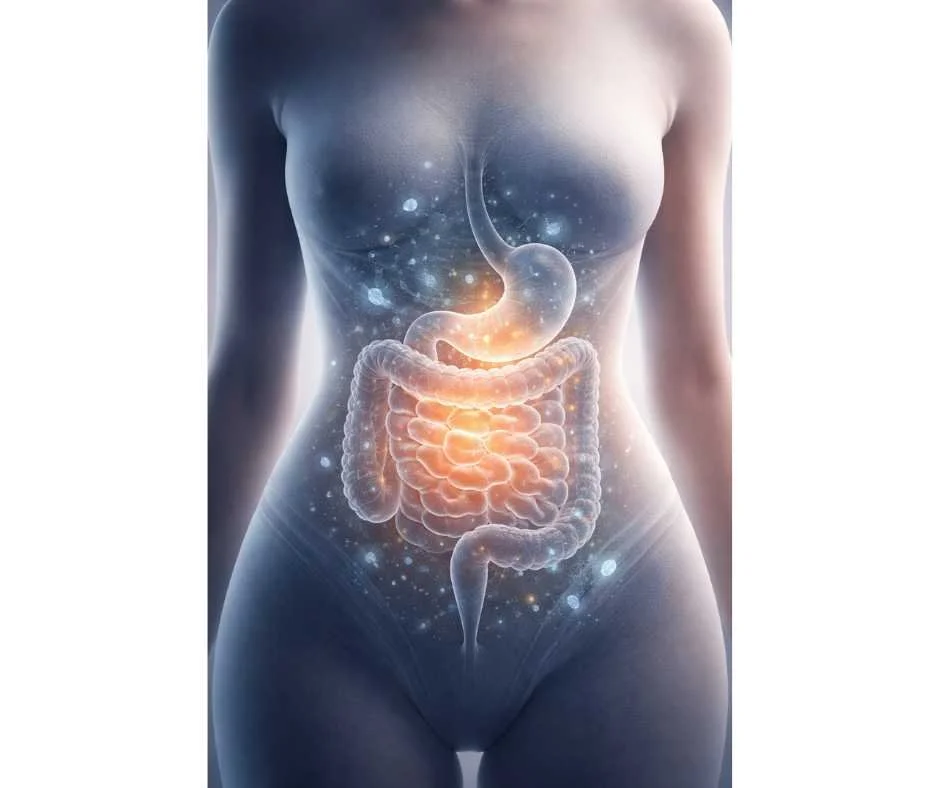
Inflammatory bowel disease (IBD) is a chronic, immune-mediated condition that affects the gastrointestinal tract and often extends beyond digestion alone (1). The two primary forms—Crohn’s disease and ulcerative colitis—differ in their location and depth of tissue involvement, but both are marked by relapsing inflammation, periods of remission, and unpredictable flare-ups that can significantly disrupt quality of life.
Conventional treatment approaches for IBD typically focus on suppressing inflammation through medications or biologic therapies (2). While these interventions can be necessary and lifesaving for many individuals, they do not always address why immune dysregulation develops or why inflammation repeatedly returns. As a result, some people with IBD continue to experience persistent symptoms, medication dependence, or progressive complications despite appropriate standard care.
A functional medicine perspective views IBD through a broader, systems-based lens. Rather than treating inflammation as an isolated problem, this approach examines how gut barrier integrity, immune signaling, microbial balance, metabolic stress, and nervous system regulation interact to influence disease activity (3). When these regulatory systems are under chronic strain, immune responses become more reactive, tolerance is reduced, and inflammatory processes are more likely to persist.
This article explores inflammatory bowel disease from a systems-based perspective, with the goal of clarifying the underlying drivers that shape disease expression. You’ll learn how Crohn’s disease and ulcerative colitis develop, which factors tend to worsen immune activation, and how integrative strategies can support regulation, reduce flare frequency, and improve long-term resilience (4). Whether you’ve been recently diagnosed or have lived with IBD for years, understanding these broader patterns can help guide more personalized and sustainable care.
→ Functional & Integrative Medicine
Early and Ongoing Symptoms of Inflammatory Bowel Disease
Inflammatory bowel disease does not follow a single, predictable pattern. Symptoms may evolve gradually, fluctuate in intensity, or remain partially controlled for long periods before worsening. In many cases, individuals experience symptoms for months or years before inflammation is formally identified.
Importantly, IBD symptoms often reflect ongoing immune activation, not just irritation of the digestive tract. This is why symptoms may extend beyond the gut and why early signs are sometimes dismissed or misattributed.
Digestive Symptoms of Crohn’s Disease and Ulcerative Colitis
Digestive symptoms are the most recognizable features of IBD, though their severity and pattern vary based on disease location and activity (5):
Persistent or recurrent diarrhea, often not relieved by dietary changes
Abdominal pain or cramping, which may worsen after meals or during flares
Urgency or difficulty controlling bowel movements, particularly with colonic involvement
Rectal bleeding or blood in the stool, more common in ulcerative colitis
Unintended weight loss, reflecting malabsorption, inflammation, or reduced intake
Reduced appetite or early satiety, especially during active inflammation
In Crohn’s disease, symptoms may differ depending on which segments of the gastrointestinal tract are affected. Inflammation involving the small intestine is more likely to contribute to nutrient deficiencies, bloating, or post-meal discomfort, while colonic involvement may resemble ulcerative colitis. In ulcerative colitis, inflammation is limited to the colon and rectum, making rectal bleeding, urgency, and mucus in the stool more prominent.
Extraintestinal and Systemic Symptoms of Inflammatory Bowel Disease
IBD is a systemic inflammatory condition, not a disorder confined to the intestines. Ongoing immune activation can affect distant tissues, sometimes preceding or overshadowing digestive symptoms (6):
Chronic fatigue, disproportionate to activity or sleep quality
Joint or muscle pain, often migratory or inflammatory in nature
Inflammation of the eyes, mouth, or skin, including mouth ulcers or rashes
Recurrent kidney stones or urinary issues, particularly with altered absorption or inflammation
Delayed growth, anemia, or nutrient deficiencies, especially when the small intestine is involved
These manifestations reflect immune dysregulation and inflammatory signaling, rather than unrelated conditions occurring alongside IBD.
Symptom Patterns That Suggest Immune-Driven Intestinal Inflammation
IBD should be considered when digestive or inflammatory symptoms:
Persist over time rather than resolving fully
Occur in cycles of flare and remission, rather than following a clear trigger
Progress in severity or frequency, despite standard dietary or lifestyle adjustments
Are accompanied by systemic inflammation, anemia, or unexplained nutrient deficiencies
Because symptoms alone cannot distinguish IBD from other gastrointestinal conditions, diagnosis typically involves a combination of clinical history, bloodwork, stool analysis, imaging, and endoscopic evaluation to assess both inflammatory activity and tissue involvement (7).
Recognizing these clinical patterns helps clarify when inflammation is more than functional disturbance, providing essential context for understanding risk factors, disease progression, and why a systems-based approach is often necessary.
Risk Factors, Disease Drivers, and Long-Term Complications of Inflammatory Bowel Disease
Inflammatory bowel disease does not arise from a single cause. Instead, it reflects the interaction between genetic susceptibility, environmental exposures, immune regulation, and cumulative physiological stress. Understanding these factors helps explain why disease onset, severity, and progression vary so widely between individuals.
Genetic Risk and Epigenetic Triggers in Crohn’s Disease and Ulcerative Colitis
A family history of inflammatory bowel disease increases risk, but genetics alone do not determine who develops IBD. Only a minority of individuals with Crohn’s disease or ulcerative colitis report a first-degree relative with the condition (8).
More importantly, epigenetic factors—those that influence how genes are expressed rather than inherited—appear to play a central role. Environmental exposures, infections, dietary patterns, medications, and chronic stress can alter immune signaling and inflammatory responses over time, helping to explain why IBD may develop even in the absence of a strong family history (9).
Environmental, Dietary, and Lifestyle Factors That Worsen IBD Activity
Several modifiable environmental and lifestyle factors have been associated with increased IBD risk and greater disease activity. Rather than acting as isolated causes, these inputs tend to increase immune load and reduce regulatory capacity, making inflammatory flares more likely once disease is established.
Common contributors include:
Dietary patterns high in ultra-processed foods, refined carbohydrates, and industrial seed oils, which are associated with altered microbial signaling and increased inflammatory tone
Smoking, which is strongly linked to increased risk and severity in Crohn’s disease and poorer disease control over time
Regular alcohol exposure, which can impair barrier integrity and immune regulation, particularly during active disease
Medication use, including long-term non-steroidal anti-inflammatory drugs and acid-suppressing therapies, which may alter digestion, microbial balance, and mucosal defense
Environmental exposures, such as mold, endocrine-disrupting chemicals, and other immune stressors that place additional demand on detoxification and immune systems
Individually, these factors may appear modest. Cumulatively, however, they can amplify immune activation and barrier dysfunction, increasing the likelihood that inflammation becomes chronic rather than self-limiting (10).
Immune Dysregulation and Gut Microbiome Imbalance in IBD
Altered immune responses and changes in the intestinal microbial environment are consistently observed in IBD. Reduced microbial diversity, overrepresentation of pro-inflammatory organisms, and heightened immune reactivity to intestinal contents are commonly associated with disease activity and flare patterns (11).
Importantly, these changes are rarely primary causes. In clinical practice, they more often reflect downstream effects of impaired immune regulation, reinforcing inflammation once it has been established rather than initiating disease independently.
Long-Term Health Complications Associated With Chronic Intestinal Inflammation
When inflammation remains active or poorly controlled, IBD can lead to complications that extend beyond digestive symptoms. Individuals with Crohn’s disease or ulcerative colitis face increased risk of (12):
Colon cancer, particularly with long-standing colonic inflammation
Blood clots related to chronic inflammatory signaling
Liver and biliary disease
Inflammatory arthritis and joint involvement
Bone loss or osteoporosis, especially in the context of malabsorption or steroid exposure
Severe intestinal complications may also occur, including strictures, fistulas, or toxic megacolon—conditions that require prompt medical attention and, in some cases, surgical intervention.
Recognizing these risk factors and potential complications reinforces why early, comprehensive management matters—not only for symptom control, but for reducing long-term inflammatory burden and systemic impact.
Why Inflammatory Bowel Disease Flares Persist Despite Standard Treatment
Many individuals with Crohn’s disease or ulcerative colitis continue to experience flares despite medications, dietary changes, or lifestyle modifications. This can be deeply frustrating, especially when lab markers appear stable or symptoms temporarily improve.
One reason flares persist is that IBD involves immune priming, not just episodic inflammation. Once inflammatory pathways have been repeatedly activated within the gut, the immune system can remain highly reactive—responding aggressively to triggers that would otherwise be tolerated. This helps explain why flares may recur even without obvious dietary, infectious, or medication-related causes (13).
When underlying contributors such as intestinal dysbiosis, impaired immune regulation, or persistent inflammatory signaling are not adequately addressed, immune activation may continue even when surface inflammation appears controlled. In some individuals, fungal overgrowth such as Candida may further increase immune burden and inflammatory signaling, complicating disease regulation rather than acting as a primary cause. In this context, treatment suppresses symptoms without fully restoring regulatory balance.
Active or prior inflammation can also compromise intestinal barrier integrity, increasing immune exposure to luminal contents and perpetuating inflammatory feedback loops. Even when symptoms improve, residual barrier dysfunction may continue to drive immune activation beneath the surface (14).
In addition, nervous system signaling and physiological stress responses play a meaningful role in disease activity. Chronic stress, poor sleep, illness, or emotional strain can amplify inflammatory signaling through neuroimmune pathways, lowering the threshold for symptom recurrence even when other factors appear controlled (15).
Medications, including steroids and other anti-inflammatory agents, are often effective at suppressing active inflammation, but they may not fully restore immune tolerance, barrier resilience, or microbial balance. As a result, disease control can feel fragile—dependent on ongoing suppression rather than stable regulation.
Understanding why flares persist provides essential context for why a multi-system, integrative approach is often necessary in IBD management, particularly for individuals with recurrent or unpredictable disease activity.
Functional Medicine Strategies for Managing and Preventing IBD Flares
A functional medicine approach to inflammatory bowel disease focuses on supporting immune regulation, restoring physiological resilience, and reducing cumulative inflammatory burden, rather than relying solely on symptom suppression. These strategies are designed to complement—not replace—conventional medical care, particularly for individuals with recurrent flares or incomplete symptom resolution.
Care is individualized and typically sequenced based on disease activity, symptom patterns, and which regulatory systems are under the greatest strain.
Lifestyle Factors That Influence Immune Regulation and Flare Frequency in IBD
Lifestyle factors meaningfully influence IBD activity through their effects on immune signaling, barrier integrity, and nervous system regulation. While these factors do not cause IBD, they can significantly affect flare frequency, severity, and recovery when inflammation is already present (16).
Supportive lifestyle strategies may include:
Smoking cessation, which is especially important in Crohn’s disease
Limiting or avoiding alcohol, particularly during periods of active inflammation
Reducing exposure to endocrine-disrupting chemicals found in food packaging, personal care products, and household environments
Avoiding frequent use of non-steroidal anti-inflammatory drugs, which can aggravate intestinal inflammation
Supporting stress regulation and sleep, as chronic physiological stress can lower immune tolerance and increase flare susceptibility
These measures help lower baseline immune load, creating a more stable foundation for symptom control and recovery.
Nutrition Strategies to Support Remission and Symptom Control in IBD
Dietary strategies in IBD are best understood as tools for symptom modulation and immune support, not universal or permanent solutions. Individual tolerance varies widely, and overly restrictive approaches can be counterproductive if maintained long term (17).
General nutritional principles often include:
Emphasizing whole, minimally processed foods to reduce inflammatory inputs
Temporarily limiting foods that exacerbate symptoms during active flares
Using structured elimination strategies selectively, with the goal of gradual reintroduction and personalization
Low-FODMAP approaches may reduce symptoms for some individuals, particularly those with overlapping functional digestive complaints, but they are not intended as lifelong diets. Their primary purpose is to identify specific triggers while preserving dietary diversity and nutritional adequacy over time (18).
Targeted Nutrient Support for Immune and Gut Barrier Function in IBD
Nutrient insufficiencies are common in IBD due to malabsorption, reduced intake, increased metabolic demand, or medication effects. Targeted supplementation may be appropriate based on individual needs, laboratory findings, and disease activity (19).
Common areas of support may include:
Vitamin D, due to its role in immune regulation
B vitamins, particularly when small intestinal involvement is present
Omega-3 fatty acids, which may help modulate inflammatory signaling
Probiotic or microbial support, selected carefully and individualized
Supplement strategies should be guided by clinical context rather than applied broadly, as tolerance and response can vary significantly.
Integrative Therapies Within a Multi-Modality Care Model
Inflammatory bowel disease is a complex, multi-system condition. Because immune signaling, barrier integrity, nervous system regulation, circulation, and inflammatory load are tightly interconnected, single-modality approaches rarely produce durable results. A multi-modality care model allows these systems to be addressed together rather than in isolation.
Integrative therapies are used as active regulators within this model, supporting communication between the nervous system, immune system, and gastrointestinal tract. When layered appropriately with nutritional, lifestyle, and metabolic support, these therapies can improve symptom tolerance, stabilize inflammatory patterns, and increase overall physiological resilience.
Acupuncture plays a central role in this framework by influencing autonomic regulation, visceral circulation, inflammatory signaling, and stress responsiveness—mechanisms that are directly relevant in Crohn’s disease and ulcerative colitis. Clinical research has demonstrated improvements in symptom severity and inflammatory markers when acupuncture is incorporated into comprehensive IBD care (20).
Rather than functioning as isolated techniques, integrative therapies help close regulatory gaps that drive recurrent flares, particularly in individuals with stress-sensitive disease patterns or persistent immune activation.
→ Acupuncture & Nervous System Regulation
A Systems-Based Approach to Long-Term Stability in Inflammatory Bowel Disease
Functional medicine does not approach IBD as a single-system disorder. Instead, it evaluates how digestion, immune signaling, barrier integrity, microbial balance, metabolic stress, and nervous system regulation interact over time.
By addressing these systems together—and sequencing care appropriately—this approach aims to improve stability, reduce flare frequency, and support long-term quality of life rather than relying solely on reactive symptom control (21).
Viewing Inflammatory Bowel Disease Through a Whole-Systems Lens
Inflammatory bowel disease is complex, highly individual, and rarely driven by a single factor. While Crohn’s disease and ulcerative colitis are defined by intestinal inflammation, their behavior over time reflects the broader interaction between immune regulation, barrier integrity, microbial balance, nervous system signaling, and environmental load.
For many individuals, lasting improvement does not come from chasing symptoms or suppressing flares alone, but from understanding why inflammation persists and addressing the systems that influence immune resilience. When care is approached in a coordinated, personalized way—and aligned with appropriate medical management—it becomes possible to reduce flare frequency, improve quality of life, and support greater long-term stability rather than ongoing reactivity.
Personalized, Root-Cause Care for Inflammatory Bowel Disease
Managing inflammatory bowel disease often requires looking beyond symptom suppression to understand why immune activation, barrier disruption, and inflammatory signaling persist over time—and how these systems can be supported in a coordinated, individualized way.
You may request a free 15-minute consultation with Dr. Martina Sturm to review your health concerns and outline appropriate next steps within a root-cause, systems-based framework.
Frequently Asked Questions About Inflammatory Bowel Disease
What is the difference between Crohn’s disease and ulcerative colitis?
Crohn’s disease and ulcerative colitis are both forms of inflammatory bowel disease, but they affect the digestive tract differently. Crohn’s disease can involve any part of the gastrointestinal tract from mouth to anus and may affect all layers of the bowel wall. Ulcerative colitis is limited to the colon and rectum and involves only the inner lining of the bowel. These differences influence symptoms, complications, and treatment considerations.
Can inflammatory bowel disease go into remission?
Yes. Many individuals with IBD experience periods of remission, where symptoms improve or resolve and inflammation is reduced. Remission does not necessarily mean the disease is cured, but it reflects a phase of better immune regulation and intestinal stability. The goal of long-term care is to prolong remission and reduce the frequency and severity of flares.
Why do I still have symptoms even when my labs look normal?
Symptoms may persist even when standard laboratory markers appear stable because immune activation, barrier disruption, or nervous system signaling can remain altered beneath the surface. Inflammatory bowel disease involves more than visible inflammation alone, and ongoing symptoms do not always correlate perfectly with routine test results.
Is inflammatory bowel disease caused by stress?
Stress does not cause IBD, but it can influence disease activity. Psychological and physiological stress can amplify immune signaling and lower the threshold for flares in individuals with existing inflammatory bowel disease. This is why stress management is often an important supportive component of comprehensive care.
Can diet alone treat inflammatory bowel disease?
Diet alone is rarely sufficient to treat IBD, but it can play a meaningful supportive role. Certain dietary strategies may help reduce symptoms or inflammation during flares, while others may worsen disease activity. Because tolerance varies widely, dietary approaches are most effective when individualized rather than applied as universal or permanent solutions.
Is inflammatory bowel disease the same as IBS?
No. Inflammatory bowel disease and irritable bowel syndrome are different conditions. IBD involves immune-mediated inflammation and structural changes to the intestinal tissue, while IBS is considered a functional disorder without visible inflammation or tissue damage. Although symptoms may overlap, diagnosis and management differ significantly.
Can inflammatory bowel disease affect parts of the body outside the gut?
Yes. IBD is a systemic inflammatory condition and can affect joints, skin, eyes, bones, and other organs. These extraintestinal manifestations reflect immune dysregulation rather than isolated digestive issues and may occur even when gastrointestinal symptoms are mild.
When should someone with IBD consider a more comprehensive evaluation?
A more comprehensive evaluation may be helpful when symptoms persist despite treatment, flares become more frequent or severe, extraintestinal symptoms develop, or disease activity feels unpredictable. In these cases, assessing immune regulation, nutrient status, digestive function, and systemic contributors can provide valuable insight into ongoing disease patterns.
Still Have Questions?
If the topics above reflect ongoing symptoms or unanswered concerns, a brief conversation can help clarify whether a root-cause approach is appropriate.
Resources
The Lancet Gastroenterology & Hepatology – Diagnosis, prevention, and treatment strategies in inflammatory bowel disease
Johns Hopkins Medicine – Inflammatory bowel disease: overview, symptoms, and treatment
Nature Reviews Gastroenterology & Hepatology – Environmental risk factors for inflammatory bowel disease
Gut – Familial and ethnic risk factors in inflammatory bowel disease
Clinical Infectious Diseases – Gastrointestinal Candida colonization and inflammatory responses
Nutrients – Intestinal permeability and nutritional compounds supporting gut barrier integrity
National Institute of Diabetes and Digestive and Kidney Diseases – Treatments for inflammatory bowel disease flares and remission
Alimentary Pharmacology & Therapeutics – Alcohol use and disease activity in inflammatory bowel disease
Complementary Therapies in Medicine – Anti-inflammatory efficacy of acupuncture in inflammatory bowel disease: systematic review and meta-analysis
Clinical Nutrition – Nutritional interventions in ulcerative colitis: clinical outcomes and case evidence
World Journal of Gastroenterology – Diets, functional foods, and nutraceuticals in inflammatory bowel disease management
Integrative Medicine: A Clinician’s Journal – Functional medicine approaches to Crohn’s disease
Gastroenterology & Hepatology – Low- and high-FODMAP foods and gastrointestinal symptom modulation
Journal of Gastroenterology and Hepatology – Dietary FODMAP restriction and symptom outcomes in inflammatory bowel disease
Medical Gas Research – Ozone rectal insufflation and potential therapeutic effects in inflammatory bowel disease