

Osteoporosis Prevention in Postmenopausal Women: A Functional & Traditional Chinese Medicine Approach
How Hormone Decline, Digestion, and Inflammation Drive Bone Loss After Menopause
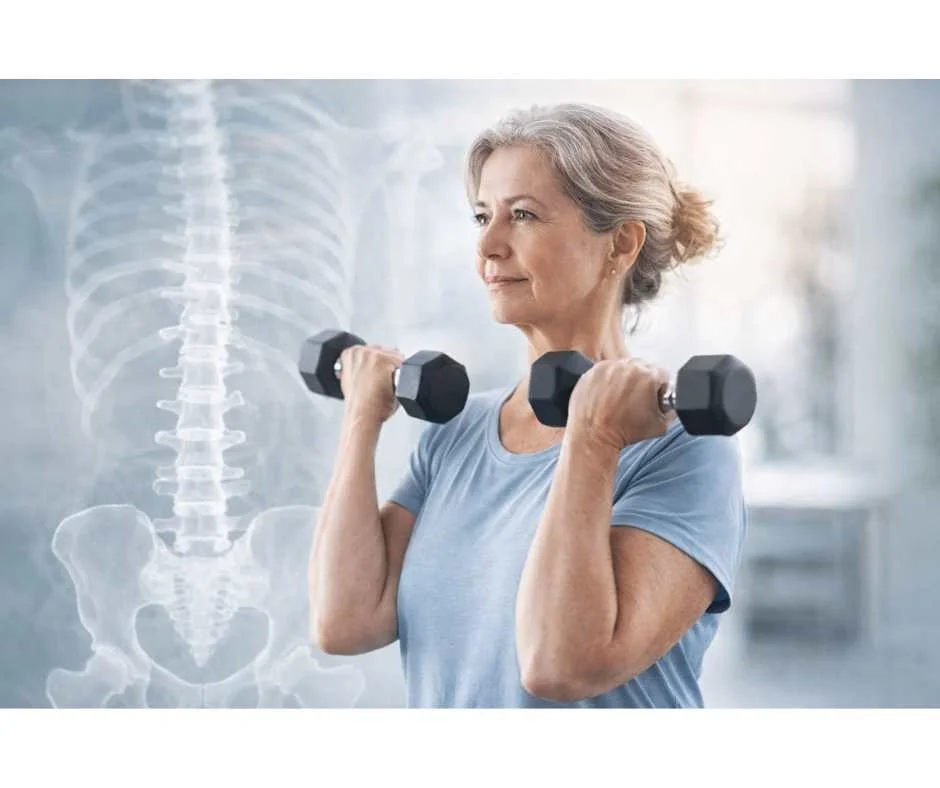
Osteoporosis is one of the most under-recognized health risks facing women after menopause. Bone loss often accelerates quietly during this stage of life, increasing fracture risk long before symptoms appear. For many women, the first sign of osteoporosis is not gradual discomfort—but a sudden injury that disrupts mobility, independence, and long-term quality of life.
From a functional medicine and Traditional Chinese Medicine perspective, postmenopausal osteoporosis is not simply a disease of aging or calcium deficiency. It reflects deeper physiological shifts that occur after menopause, including estrogen decline, altered digestive and nutrient absorption capacity, chronic low-grade inflammation, and changes in nervous system regulation. When these systems fall out of balance, bone remodeling begins to favor breakdown over repair.
Rather than focusing solely on bone density numbers or pharmaceutical suppression of bone loss, an integrative approach aims to address the underlying drivers that shape skeletal health after menopause. By supporting hormonal regulation, optimizing digestion and nutrient assimilation, reducing inflammatory burden, and restoring adaptive stress responses, women can take proactive steps to preserve bone strength and resilience well beyond midlife.
This article explores how osteoporosis develops in postmenopausal women through a systems-based lens and outlines functional and Traditional Chinese Medicine strategies that support long-term bone health and fracture prevention.
How Menopause Accelerates Bone Loss in Women
One of the primary drivers of osteoporosis in postmenopausal women is the sharp decline in estrogen that occurs during and after menopause. Estrogen plays a central role in maintaining bone density by regulating the balance between bone formation and bone resorption. When estrogen levels fall, this balance shifts toward accelerated bone breakdown.
Why Estrogen Decline Increases Bone Breakdown
At a cellular level, estrogen helps suppress osteoclast activity—the cells responsible for bone resorption—while supporting osteoblast survival and function, which are necessary for bone formation. After menopause, reduced estrogen signaling leads to increased osteoclast activation and prolonged bone resorption cycles, resulting in a net loss of bone mass over time (1).
How Parathyroid Hormone Affects Calcium Loss After Menopause
Estrogen decline also alters calcium homeostasis through its interaction with parathyroid hormone (PTH). As estrogen levels drop, PTH activity may increase, promoting calcium mobilization from bone into the bloodstream to maintain serum calcium levels. Over time, this process weakens skeletal structure and contributes to fracture risk (2).
Vitamin D and IGF-1 Decline After Menopause
Menopause-related hormonal shifts further influence vitamin D metabolism and insulin-like growth factor 1 (IGF-1), both of which are essential for bone remodeling and repair. Reduced IGF-1 signaling limits osteoblast activity and slows bone regeneration following daily mechanical stress (3,4).
Taken together, these hormonal changes create a physiological environment in which bone breakdown outpaces repair. From a functional medicine perspective, this explains why osteoporosis prevention after menopause cannot rely solely on calcium supplementation or isolated pharmaceutical strategies.
→ Women’s Hormone & Reproductive Health
Major Risk Factors for Osteoporosis After Menopause
While estrogen decline is a primary driver of bone loss after menopause, osteoporosis rarely develops from a single factor alone. Instead, risk accumulates when hormonal shifts interact with genetic, metabolic, environmental, and lifestyle influences. Understanding these contributors helps identify where prevention efforts are most effective.
Non-Modifiable Osteoporosis Risk Factors
Certain risk factors cannot be changed but help explain individual susceptibility:
Female sex – Women experience a more rapid decline in bone density after menopause due to estrogen withdrawal.
Advancing age – Bone mass peaks in early adulthood and gradually declines with age, accelerating after menopause.
Family history – A history of osteoporosis or fragility fractures increases genetic risk.
Small body frame – Lower baseline bone mass provides less structural reserve over time.
Modifiable Lifestyle and Metabolic Risk Factors
Many contributors to postmenopausal osteoporosis can be addressed with targeted intervention:
Sedentary lifestyle – Lack of weight-bearing and resistance exercise reduces osteoblast stimulation and bone strength.
Poor nutrient absorption – Inadequate assimilation of calcium, magnesium, vitamin D, and vitamin K2 limits proper bone mineralization.
Chronic inflammation – Low-grade inflammatory signaling accelerates bone resorption and interferes with bone repair.
Smoking – Tobacco exposure directly impairs bone formation and increases fracture risk.
Excess alcohol intake – Alcohol disrupts estrogen signaling and weakens bone remodeling capacity
Environmental and Toxic Mineral Exposure That Weakens Bone
Chronic exposure to certain environmental toxins can also influence bone health after menopause.
Lead Accumulation and Bone Loss After Menopause
Lead is a potent toxic metal with no physiological role in human biology. It accumulates preferentially in bone, where it can remain stored for decades. During periods of increased bone turnover—such as menopause—lead is released back into circulation, disrupting bone remodeling, impairing osteoblast function, and contributing to systemic toxicity.
Rather than being inert, lead actively interferes with calcium metabolism and bone mineralization, weakening skeletal integrity and increasing fracture risk. In postmenopausal women, accelerated bone loss amplifies both skeletal vulnerability and total toxic burden. From a functional medicine perspective, reducing cumulative lead exposure and supporting safe elimination is essential for protecting long-term bone health after menopause (27-31).
Fluoride Exposure and Bone Fragility in Postmenopausal Women
Fluoride is not required for any physiological process and accumulates in bone tissue over time. Rather than strengthening bone, fluoride incorporation alters bone mineral structure and quality, producing denser but more brittle skeletal tissue. This pathological mineralization pattern is known as skeletal fluorosis in its advanced form.
Even at lower, chronic exposure levels, fluoride disrupts normal mineral regulation and interferes with healthy bone remodeling. In postmenopausal women—where bone turnover is already accelerated—fluoride accumulation further compromises bone integrity and fracture resistance. From a functional medicine perspective, there is no therapeutic role for systemic fluoride exposure in bone health, and minimizing cumulative exposure is considered protective (32–36).
Medical and Metabolic Conditions That Increase Bone Loss Risk
Certain health conditions further increase osteoporosis risk after menopause:
Thyroid dysregulation, particularly hyperthyroidism
Gastrointestinal disorders that impair nutrient absorption
Autoimmune and chronic inflammatory conditions
Long-term use of medications that alter hormone balance or mineral metabolism
From a functional medicine and Traditional Chinese Medicine perspective, these factors are not viewed in isolation. Bone health reflects the integrated function of hormonal signaling, digestive strength, inflammatory burden, detoxification capacity, and adaptive stress response. Addressing modifiable risk factors early allows women to slow bone loss and preserve skeletal resilience as they age.
How Digestion and Inflammation Drive Bone Loss After Menopause
After menopause, bone health is influenced not only by hormonal decline but also by how effectively the body digests, absorbs, and utilizes nutrients required for bone remodeling. Even when dietary intake appears adequate, impaired digestion and chronic inflammation can significantly reduce bone resilience.
Poor Digestion and Mineral Malabsorption After Menopause
Calcium, magnesium, phosphorus, and trace minerals must be properly absorbed through the gastrointestinal tract to support bone mineralization. Age-related changes in stomach acid, bile production, and enzyme output can impair mineral absorption, particularly in postmenopausal women. Conditions such as hypochlorhydria, gut dysbiosis, and inflammatory bowel disorders further reduce nutrient bioavailability, weakening the structural foundation of bone over time (5).
Vitamin D absorption and activation are also closely tied to digestive and hepatic function. Without adequate vitamin D status, calcium absorption efficiency declines, forcing the body to compensate by mobilizing calcium from bone tissue (6).
Chronic Inflammation and Accelerated Bone Resorption
Low-grade, chronic inflammation plays a direct role in accelerating bone loss after menopause. Pro-inflammatory cytokines stimulate osteoclast activity while suppressing osteoblast function, shifting bone remodeling toward resorption rather than repair. Estrogen normally helps buffer inflammatory signaling; when estrogen declines, inflammatory pathways exert a stronger influence on bone metabolism (7,8).
Inflammation may be driven by multiple factors, including insulin resistance, poor gut barrier integrity, food sensitivities, chronic stress, environmental toxin exposure, and unresolved infections. Over time, this inflammatory load compromises skeletal integrity even in physically active or otherwise health-conscious women.
Chronic Stress, Cortisol, and Bone Density Loss
Chronic psychological or physiological stress further compounds bone loss risk. Elevated cortisol levels interfere with bone formation, impair calcium retention, and worsen inflammatory signaling. From a systems-based perspective, stress regulation is not ancillary—it is a central component of osteoporosis prevention after menopause (9).
Taken together, impaired digestion, chronic inflammation, and stress dysregulation create an internal environment that undermines bone repair and accelerates loss. This explains why osteoporosis prevention requires more than isolated supplementation and why a whole-systems approach is essential for long-term bone health.
→ Advanced Functional Lab Testing
Calcium Supplements, Heart Disease, and Bone Health Risk
Calcium is essential for bone health, but the source and context of calcium intake are critical, particularly for postmenopausal women. While calcium has long been promoted for osteoporosis prevention, growing evidence suggests that isolated calcium supplementation may carry unintended cardiovascular risks, including increased arterial calcification and atherosclerosis.
Why Isolated Calcium Supplements May Increase Cardiovascular Risk
Unlike calcium obtained from whole foods, supplemental calcium—especially when taken in higher doses—can lead to rapid increases in serum calcium levels. These transient spikes may increase the likelihood that calcium is deposited in soft tissues rather than incorporated into bone.
Several large observational studies and meta-analyses have linked calcium supplementation (particularly without adequate cofactors) to:
Increased risk of myocardial infarction
Higher incidence of cardiovascular events
Greater likelihood of coronary artery calcification
These associations appear significantly weaker—or absent—when calcium is obtained primarily from dietary sources rather than supplements (10–12).
Vascular Calcification and Misplaced Calcium
From a physiological standpoint, calcium balance depends on tight regulatory control. When calcium is not properly directed into bone, it may accumulate in vascular tissue, contributing to arterial stiffening and atherosclerotic plaque formation. Dysregulated mineral metabolism plays a well-established role in vascular calcification processes (13).
This risk may be amplified in postmenopausal women due to estrogen decline, chronic inflammation, and impaired mineral regulation—factors already discussed earlier in this article.
Why Food-Based Calcium Supports Safer Bone Remodeling
Calcium consumed through whole foods is absorbed more gradually and comes packaged with essential cofactors that support appropriate utilization. These include magnesium, phosphorus, vitamin K1 and K2, and trace minerals that help guide calcium into bone rather than soft tissue.
Dietary calcium intake has been associated with:
More stable serum calcium levels
Lower cardiovascular risk
Improved long-term bone outcomes compared to supplementation alone (11,15)
The Role of Vitamin K2 and Magnesium in Calcium Regulation
Vitamin K2 plays a crucial role in activating proteins that shuttle calcium into bone and teeth while preventing deposition in arteries. Magnesium further regulates calcium transport and supports healthy bone remodeling. Inadequate intake of these cofactors may explain why calcium supplementation alone fails to improve bone outcomes and may increase cardiovascular risk (14).
A Functional and TCM Perspective on Calcium Balance
From both functional medicine and Traditional Chinese Medicine perspectives, bone health is built through assimilation, regulation, and balance, not aggressive mineral loading. Strengthening digestion, reducing inflammation, supporting hormonal signaling, and prioritizing mineral-rich foods creates a safer and more effective foundation for skeletal health after menopause.
For most postmenopausal women, calcium is best obtained through a nutrient-dense diet, with supplementation reserved for clearly identified deficiencies and always considered within a broader, systems-based plan.
Medications That Accelerate Bone Loss in Postmenopausal Women
In addition to hormonal and metabolic shifts, certain commonly prescribed medications can accelerate bone loss in postmenopausal women. These drugs may interfere with bone remodeling, calcium absorption, vitamin D metabolism, or hormone signaling—often compounding existing osteoporosis risk.
Corticosteroids and Steroid-Induced Osteoporosis
Long-term use of corticosteroids such as prednisone, dexamethasone, and cortisone is one of the most well-established medication-related causes of secondary osteoporosis. These drugs suppress osteoblast activity, increase bone resorption, impair calcium absorption, and reduce sex hormone production. Postmenopausal women are particularly vulnerable to steroid-induced bone loss and fracture risk (16).
Proton Pump Inhibitors and Fracture Risk
Proton pump inhibitors—including omeprazole, esomeprazole, and lansoprazole—are widely used for acid reflux and gastrointestinal conditions. Chronic PPI use has been associated with reduced absorption of calcium, magnesium, and vitamin B12, as well as altered parathyroid hormone regulation. Long-term use has been linked to increased fracture risk, particularly of the hip and spine (17,18).
Antidepressants and Bone Density Loss
Certain antidepressants, especially selective serotonin reuptake inhibitors (SSRIs), have been associated with lower bone mineral density and increased fracture risk. Serotonin plays a role in bone metabolism, and altered signaling may negatively affect bone remodeling over time (19).
Anticonvulsants and Vitamin D Disruption
Anticonvulsant medications such as phenytoin, carbamazepine, and valproic acid can interfere with vitamin D activation and calcium absorption. Chronic use has been associated with reduced bone mineral density and increased fracture risk, especially when additional risk factors are present (20).
Hormonal Cancer Therapies and Secondary Osteoporosis
While hormone replacement therapy may support bone density in some women, other hormone-modulating treatments—such as aromatase inhibitors used in breast cancer therapy or gonadotropin-releasing hormone (GnRH) agonists—can significantly accelerate bone loss. These therapies reduce estrogen availability and are a recognized cause of secondary osteoporosis (21,22).
Reducing Medication-Related Bone Risk Safely
The goal of addressing medication-related bone loss is not abrupt discontinuation, but informed risk mitigation. From a functional medicine standpoint, this includes:
Monitoring bone density and mineral status
Supporting digestion and nutrient absorption
Addressing inflammation and hormonal balance
Considering alternative therapies when appropriate
Understanding how medications influence bone physiology allows postmenopausal women to take proactive steps to protect skeletal health while managing other medical conditions safely.
Conventional Osteoporosis Prevention After Menopause
Conventional medical management of osteoporosis after menopause primarily focuses on reducing fracture risk by suppressing bone resorption and improving bone mineral density measurements. These approaches are typically guided by bone mineral density testing and standardized fracture risk assessment tools.
Standard Medical Treatments for Osteoporosis
Standard allopathic strategies commonly include:
Bisphosphonates to inhibit osteoclast-mediated bone resorption
Hormone therapy to replace declining estrogen levels in select candidates
Selective estrogen receptor modulators (SERMs) to partially mimic estrogen’s effects on bone
Calcium supplementation, most often calcium carbonate or calcium citrate
Vitamin D supplementation, frequently prescribed as vitamin D₂ (ergocalciferol)
In women with established osteoporosis or elevated fracture risk, these interventions may reduce short-term fracture incidence and are often implemented according to guideline-based protocols.
Limitations of a Bone Density–Only Model
While conventional therapies can slow bone loss, they generally do not address the broader physiological context in which osteoporosis develops after menopause. Bone mineral density reflects prior remodeling activity but does not capture ongoing influences such as hormonal signaling quality, digestive efficiency, inflammatory burden, stress physiology, or mineral regulation.
Vitamin D₂ vs D₃ in Osteoporosis Care
In addition, formulation choices within standard protocols can limit effectiveness. Vitamin D₂ (ergocalciferol), which is commonly prescribed in pharmaceutical settings, is less effective at raising and sustaining serum 25-hydroxyvitamin D levels than vitamin D₃ and is not the form naturally synthesized by human skin (23,24). As a result, some postmenopausal women remain functionally vitamin D–insufficient despite adherence to supplementation.
Why Calcium-Only Strategies Often Fail
Similarly, calcium supplementation is often recommended without routine assessment or prescription of regulatory cofactors such as magnesium or vitamin K2, and without addressing the role of digestion, inflammation, or mineral directionality in calcium metabolism. In this context, increasing calcium intake alone may fail to meaningfully improve bone strength and, in some cases, may contribute to calcium misplacement and additional cardiovascular risk, as discussed earlier.
A Systems-Based Perspective on Bone Health
From a functional medicine and Traditional Chinese Medicine standpoint, osteoporosis is not viewed as an isolated skeletal disorder but as a downstream expression of systemic imbalance. Bone integrity depends on coordinated regulation of hormones, digestion, inflammation, stress physiology, and nutrient handling—not solely on suppression of bone turnover or isolated mineral replacement.
This perspective does not exclude conventional therapies when clinically indicated, but it emphasizes the importance of addressing upstream drivers of bone loss in order to support durable skeletal health after menopause.
Functional and Traditional Chinese Medicine Strategies for Bone Health
Preventing osteoporosis after menopause requires more than slowing bone loss—it requires creating the internal conditions that allow bone to remodel, repair, and adapt over time. From a functional medicine and Traditional Chinese Medicine perspective, this means supporting hormonal signaling, digestion, mineral regulation, inflammation control, and mechanical stimulation of bone.
Nutrition for Bone Strength After Menopause
Bone is a living tissue that depends on a steady supply of minerals, amino acids, and micronutrients delivered through effective digestion and assimilation. Rather than relying on isolated supplements, a nutrient-dense, whole-food diet provides calcium in a regulated, bioavailable form alongside essential cofactors.
Key dietary priorities include:
Mineral-rich vegetables such as leafy greens and cruciferous vegetables
Small fish with bones, when tolerated
Nuts, seeds, and legumes for magnesium and trace minerals
Adequate protein to support collagen and bone matrix formation
Food-based calcium intake supports steadier serum levels and reduces the risk of ectopic calcification compared to high-dose supplementation, particularly when digestion and inflammatory balance are optimized (11,15).
Sun Exposure and Vitamin D Regulation
Vitamin D plays a critical role in calcium absorption, bone remodeling, and immune regulation. The most physiologically appropriate source of vitamin D is sunlight-driven endogenous production. Regular, moderate sun exposure supports vitamin D status more effectively than reliance on vitamin D₂ alone and works synergistically with dietary intake.
Vitamin D function is also dependent on magnesium availability and liver and kidney activation pathways, further underscoring the importance of systems-level support rather than isolated supplementation (6).
Weight-Bearing Exercise and Mechanical Bone Loading
Bone responds to mechanical stress. Weight-bearing and resistance-based movement stimulate osteoblast activity and improve bone density, balance, and fracture resistance. Walking, strength training, resistance bands, and functional movement patterns are particularly effective when practiced consistently.
From a TCM perspective, movement supports circulation of Qi and Blood, which nourishes bone and connective tissue and helps prevent stagnation-related degeneration.
Stress Regulation and Cortisol Balance
Chronic stress contributes to bone loss through sustained cortisol elevation, impaired digestion, and increased inflammatory signaling. Elevated cortisol suppresses osteoblast activity, interferes with calcium retention, and amplifies inflammatory pathways that favor bone resorption over repair. Supporting nervous system regulation is therefore a foundational component of osteoporosis prevention after menopause (9).
Practices such as breathwork, restorative movement, meditation, and adequate recovery help downshift sympathetic nervous system activity and restore hormonal signaling patterns that support bone remodeling.
Acupuncture and Nervous System Support for Bone Health
Acupuncture plays a targeted role in osteoporosis prevention by supporting autonomic nervous system balance, reducing stress-related cortisol signaling, improving circulation, and modulating neuroendocrine pathways involved in bone metabolism. From a systems-based perspective, acupuncture does not act on bone directly, but rather improves the regulatory environment required for healthy bone remodeling.
→ Acupuncture & Nervous System Regulation
Herbal Medicine and Kidney Jing Support in TCM
In Traditional Chinese Medicine, bone health is closely associated with Kidney Jing, which governs growth, regeneration, and structural integrity over the lifespan. After menopause, declining Kidney Jing and Kidney Yang are commonly addressed through individualized herbal formulas designed to support constitutional patterns rather than isolated symptoms.
These formulas are typically combined with digestive and circulatory support to ensure adequate nourishment of bone tissue. When used appropriately within a broader clinical plan, this pattern-based approach may help support bone metabolism, recovery capacity, and postmenopausal physiology.
A Coordinated, Long-Term Strategy for Bone Health After Menopause
Holistic osteoporosis prevention is not a single intervention but a coordinated strategy that evolves over time. By prioritizing food-based nutrition, supporting digestion and vitamin D regulation, engaging in appropriate mechanical loading, managing stress, and integrating acupuncture and herbal medicine when indicated, women can meaningfully influence bone health well beyond menopause.
This approach focuses on resilience rather than suppression—supporting the body’s natural capacity to maintain strong, adaptable bone tissue over the long term.
How to Support Bone Health After Menopause Long Term
Long-term bone health after menopause depends on addressing the upstream drivers of bone loss rather than relying on isolated supplements or medications.
Key Principles for Preventing Osteoporosis Naturally
Osteoporosis prevention after menopause is most effective when approached early and addressed at the systems level. Bone loss does not occur in isolation—it reflects cumulative changes in hormonal signaling, digestive function, inflammatory burden, stress physiology, environmental exposures, and mechanical loading over time.
Rather than relying on a single intervention, long-term bone health after menopause is best supported through a coordinated strategy that prioritizes regulation over replacement. Key principles include:
Supporting hormonal balance and downstream signaling rather than focusing solely on bone density numbers
Emphasizing food-based nutrition and digestive capacity to ensure proper mineral assimilation
Reducing chronic inflammation and environmental toxic exposures that disrupt bone remodeling
Engaging in consistent weight-bearing and resistance-based movement to stimulate bone adaptation
Regulating stress physiology to prevent cortisol-driven bone loss
Integrating acupuncture and Traditional Chinese Medicine approaches when indicated to support systemic balance
This integrative framework allows bone health to be addressed proactively—before fractures occur—and tailored to the unique physiological needs of women navigating menopause.
Why a Personalized, Systems-Based Plan for Osteoporosis Care Matters
Because osteoporosis risk is shaped by individual history, lifestyle, metabolic health, medication exposure, and environmental context, prevention strategies should never be one-size-fits-all. What drives bone loss in one woman may be very different in another, even when bone density results appear similar.
Functional medicine and Traditional Chinese Medicine emphasize personalized assessment, pattern recognition, and longitudinal support to preserve bone strength while supporting overall health. By addressing upstream drivers rather than relying on isolated interventions, a systems-based plan supports more durable bone resilience and better long-term outcomes after menopause.
You may request a free 15-minute consultation with Dr. Martina Sturm to review your health concerns and outline appropriate next steps within a root-cause, systems-based framework.
Early, individualized intervention is most effective before significant bone loss or fracture occurs.
Frequently Asked Questions About Osteoporosis After Menopause
What causes osteoporosis after menopause?
Osteoporosis after menopause is primarily driven by the sharp decline in estrogen, which disrupts the balance between bone breakdown and bone formation. As estrogen levels fall, bone resorption accelerates while bone rebuilding slows, leading to progressive loss of bone strength over time.
Is calcium supplementation safe for postmenopausal women?
Calcium is essential for bone health, but high-dose calcium supplements may increase the risk of calcium depositing in soft tissues rather than bone, particularly when taken without proper regulatory cofactors. For most women, calcium is best obtained through food sources that provide calcium in a slower, more regulated form alongside supporting minerals.
Can fluoride affect bone health?
Yes. Fluoride accumulates in bone tissue over time. While small amounts may increase bone density, excessive or chronic exposure can alter bone quality rather than strength, a condition known as skeletal fluorosis. This can increase stiffness and fracture risk, particularly in postmenopausal women with accelerated bone turnover.
How does inflammation contribute to bone loss?
Chronic, low-grade inflammation stimulates bone breakdown by increasing osteoclast activity and impairing bone repair. After menopause, reduced estrogen removes a natural anti-inflammatory buffer, allowing inflammatory signaling to exert a stronger negative effect on bone remodeling.
Can acupuncture help prevent osteoporosis?
Research suggests acupuncture may support bone health by influencing hormone regulation, improving circulation, reducing inflammation, and supporting nervous system balance. While it is not a standalone treatment, acupuncture can be a valuable part of a comprehensive osteoporosis prevention strategy.
Resources
Endocrine Reviews – Estrogen regulation of osteoclast apoptosis and bone resorption
Journal of Clinical Endocrinology & Metabolism – Effects of age and estrogen status on parathyroid hormone levels and bone turnover
Endocrine Reviews – Growth hormone and insulin-like growth factor-1 in bone metabolism
Journal of Bone and Mineral Research – Age-related decline of IGF-1 and associations with bone formation
Endocrine Reviews – Osteoporosis in postmenopausal women: mechanisms and clinical implications
Alimentary Pharmacology & Therapeutics – Proton pump inhibitors and risk of vitamin and mineral deficiencies
Nature Reviews Endocrinology – Menopause, estrogen deficiency, and bone remodeling
Frontiers in Endocrinology – Inflammatory cytokines and osteoclast activation
Psychoneuroendocrinology – Chronic stress, cortisol, and bone metabolism
BMJ – Effect of calcium supplements on myocardial infarction and cardiovascular events
JAMA Internal Medicine – Dietary and supplemental calcium intake and cardiovascular disease risk
American Journal of Medicine – Calcium supplementation and coronary artery calcification
Atherosclerosis – Vascular calcification and mineral metabolism
Nutrients – Vitamin K2-dependent proteins and prevention of vascular calcification
Osteoporosis International – Calcium intake, bone outcomes, and cardiovascular considerations
Osteoporosis International – Glucocorticoid-induced osteoporosis
Osteoporosis International – Proton pump inhibitor use and fracture risk
Osteoporosis International – Long-term proton pump inhibitor use and hip fracture risk
Journal of Bone and Mineral Research – Antidepressant use and bone loss: systematic review and meta-analysis
Osteoporosis International – Anticonvulsant medications and bone mineral density
Endocrine Reviews – Hormone-related and drug-induced osteoporosis
Journal of Bone Oncology – Aromatase inhibitors and bone loss
American Journal of Clinical Nutrition – Vitamin D₂ is less effective than vitamin D₃ in humans
Journal of Clinical Endocrinology & Metabolism – Comparison of vitamin D₂ and vitamin D₃ supplementation
Journal of Bone and Mineral Research – Lead exposure as a risk factor for osteoporosis in postmenopausal women
Environmental Health Perspectives – Bone lead as a marker of cumulative exposure and mobilization during bone turnover
Journal of Bone and Mineral Research – Lead interference with bone remodeling and osteoblast function
Toxicology and Applied Pharmacology – Effects of lead on calcium metabolism and skeletal integrity
Endocrine Reviews – Lead storage in bone and release during menopause and aging
Journal of Bone and Mineral Research – Fluoride effects on bone tissue and remodeling
Journal of Bone and Mineral Research – Fluoride exposure, bone quality, and fracture risk
Clinical Reviews in Bone and Mineral Metabolism – Skeletal fluorosis: pathophysiology and bone remodeling
Environmental Health Perspectives – Fluoride exposure and bone density versus bone strength
The Lancet – Fluoride and bone: increased density does not equal strength
Osteoporosis International – Acupuncture for osteoporosis: systematic review
Archives of Osteoporosis – Effects of acupuncture on bone mineral density in postmenopausal women