

Non-Hormonal Birth Control & Cycle Awareness
How fertility awareness, hormone-free contraception, and cycle mapping protect ovulation, gut health, and future fertility
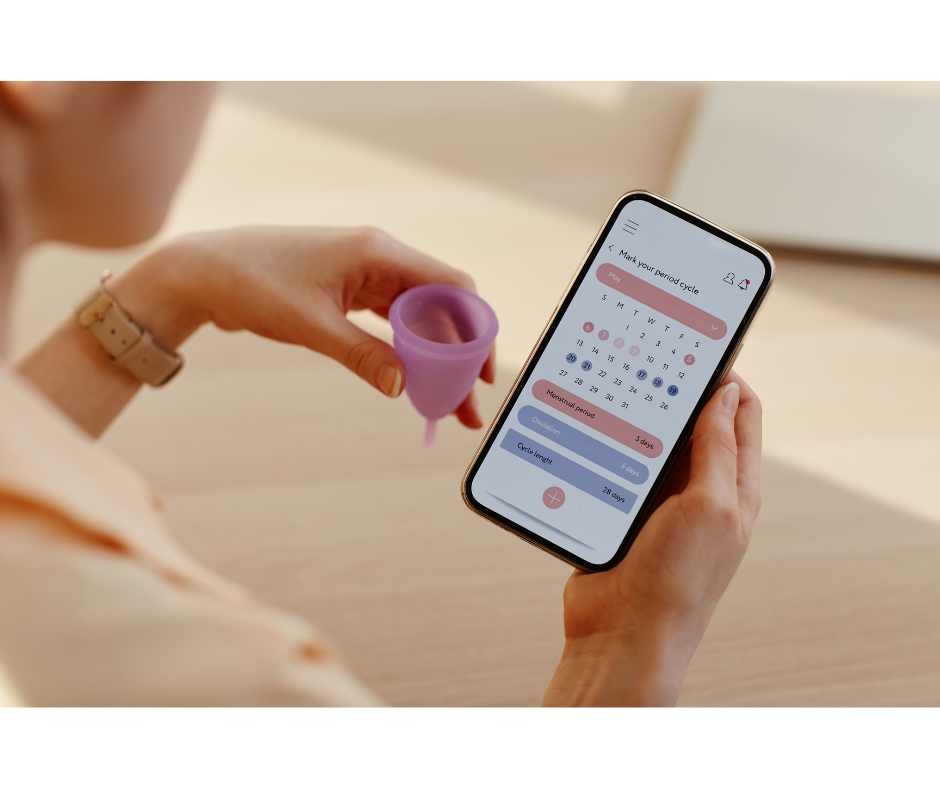
Many women begin exploring non-hormonal birth control after years of feeling disconnected from their bodies. Cycles may have been suppressed early, symptoms normalized, or side effects dismissed as the “cost” of pregnancy prevention. Over time, it becomes clear that something is missing—not just symptom relief, but understanding.
Non-hormonal birth control is often framed as outdated or unreliable. In reality, what most women were never taught is how the menstrual cycle actually works, what ovulation represents physiologically, and how fertility can be observed and managed without shutting down hormone signaling altogether (Office on Women’s Health).
Choosing a hormone-free approach is not about rejecting medicine or returning to guesswork. It is about preserving ovulation, maintaining endogenous progesterone production, and protecting systems that depend on healthy hormonal signaling—including the brain, gut, immune system, and stress response (NCBI). Ovulation is not optional physiology; it is a central regulatory event that influences metabolic, emotional, and reproductive health.
For many women, stepping away from hormonal suppression restores something deeper than cycle regularity. It restores agency. Understanding when fertility is present, when it is not, and how stress, sleep, inflammation, and nutrition influence that pattern allows women to work with their biology rather than override it.
This article explains what non-hormonal birth control truly means, how modern cycle awareness differs from the outdated “rhythm method,” which tools improve accuracy, and when additional support is essential—particularly during transitions off hormonal contraception.
When cycle irregularity, post-pill symptoms, or fertility concerns persist, individualized evaluation is often necessary.
→ Understanding Hormone Imbalances in Women: Root Causes, Testing, and Integrative Treatment
The goal is not perfection or pressure. It is informed choice, realistic expectations, and a deeper understanding of how your body functions when its natural hormonal signals are allowed to operate.
Why More Women Are Choosing Hormone-Free Birth Control
Over the past decade, there has been a steady shift toward hormone-free contraception—not driven by trends, but by lived experience. Many women arrive at this decision after years of unresolved symptoms, feeling unheard, or noticing changes that were never explained while using hormonal birth control (1).
Common concerns that prompt this shift include mood changes, anxiety, reduced libido, headaches or migraines, digestive symptoms, nutrient depletion, and a growing sense of disconnection from natural cycles (2). For others, the turning point is learning that ovulation—the very process suppressed by hormonal contraception—is not optional physiology, but a core regulatory event that influences far more than fertility alone (3).
Ovulation supports endogenous progesterone production, which plays a stabilizing role in mood regulation, sleep quality, immune signaling, and stress resilience. When ovulation is consistently suppressed, progesterone is not produced, altering the estrogen–progesterone balance and disrupting downstream signaling in the brain and nervous system (4).
There is also increasing awareness that hormonal birth control affects systems beyond the ovaries. Synthetic hormones must be metabolized through the liver, interact with the gut microbiome, and influence nutrient status—particularly B vitamins, magnesium, zinc, and selenium, which are essential for hormone metabolism and neurological health (5). In women already navigating chronic stress, inflammation, or digestive dysfunction, this additional burden can compound symptoms over time.
Equally important is the desire for understanding. Many women were never taught how their menstrual cycle actually works, how to identify fertile versus non-fertile windows, or how stress, sleep disruption, travel, illness, and nutrition influence ovulation. Non-hormonal approaches invite education rather than suppression, allowing women to observe patterns and respond proactively instead of reacting to symptoms after they appear (6).
This shift is not about rejecting contraception or taking unnecessary risks. It is about aligning pregnancy prevention with long-term hormonal health, preserving ovulatory function, and making informed decisions with a clear understanding of physiological tradeoffs—something many women realize they were never offered initially (7).
What “Non-Hormonal Birth Control” Actually Means
A Framework, Not a Product
Non-hormonal birth control is often misunderstood as a single method or a fallback option. In reality, it is a framework, not a product. Rather than suppressing ovulation or overriding endocrine signaling, hormone-free approaches work by observing fertility, understanding timing, and using targeted strategies during fertile windows (8).
At its core, non-hormonal birth control preserves the menstrual cycle as a functional feedback system. Ovulation remains intact, progesterone is produced endogenously, and hormonal rhythms continue to communicate with the brain, gut, immune system, and metabolism (9). This is fundamentally different from hormonal contraception, which replaces natural signaling with synthetic hormones and eliminates ovulatory physiology altogether.
Active Participation, Not Passivity
Importantly, non-hormonal does not mean passive. These approaches require awareness, consistency, and responsibility, particularly during the fertile window. When used correctly, pregnancy prevention is achieved not by shutting down physiology, but by understanding when fertility is present and responding appropriately (10).
This distinction matters because fertility is not constant throughout the month. There is a limited window of true fertility, and outside of that window, pregnancy is biologically unlikely. Non-hormonal methods rely on identifying that window accurately and using either abstinence or barrier-based protection during that time, rather than suppressing the entire cycle continuously (11).
What Non-Hormonal Birth Control Is Not
It is also essential to be clear about what non-hormonal birth control is not. It is not guessing. It is not relying on calendar math alone. And it is not appropriate for every woman in every season of life. Irregular cycles, postpartum transitions, perimenopause, high stress states, or recent discontinuation of hormonal contraception can all affect ovulatory predictability and require additional support or layered strategies (12).
When approached with education and proper tools, non-hormonal birth control offers something many women have never been given: the ability to understand their own physiology while preserving long-term hormonal health (13).
Fertility Awareness Is Not the Rhythm Method
Why the Rhythm Method Failed
One of the most persistent misconceptions about non-hormonal birth control is that it relies on the outdated “rhythm method.” This assumption has led many women—and clinicians—to dismiss hormone-free approaches as unreliable or irresponsible. In reality, modern fertility awareness–based methods are fundamentally different from calendar-based guessing (14).
The rhythm method attempts to predict fertility based on assumed cycle length. It does not account for real-time physiology, cycle variability, stress, illness, travel, or ovulatory disruption. As a result, it performs poorly and has rightly earned skepticism (15).
How Modern Fertility Awareness Works
Fertility awareness–based methods, by contrast, rely on observable biological markers of ovulation. These include hormonal changes, temperature shifts, and cervical patterns that reflect actual fertility status rather than assumptions. When these markers are tracked correctly and interpreted consistently, they provide far more accurate insight into when pregnancy is possible and when it is not (16).
This distinction matters because ovulation does not occur on a fixed schedule. Stress, sleep disruption, inflammation, caloric intake, travel, and illness can all delay or suppress ovulation, shifting the fertile window unpredictably (17). Calendar-based methods cannot account for this. Real-time observation can.
Modern fertility awareness is also not one-size-fits-all. Methods vary in complexity, required education, and suitability depending on life stage. Postpartum women, those transitioning off hormonal birth control, or women approaching perimenopause require modified strategies and additional safeguards (18).
When fertility awareness is taught correctly, supported with appropriate tools, and used with consistency, it becomes a structured system—not a gamble. The effectiveness of these methods depends less on ideology and more on education, accountability, and physiological understanding (19).
Understanding the Menstrual Cycle for Pregnancy Prevention
Ovulation as the Central Event
Effective non-hormonal birth control depends on understanding one central physiological event: ovulation. Pregnancy is only possible during a limited window surrounding ovulation, and outside of that window, conception is biologically unlikely (20).
Why Prediction Without Physiology Fails
Ovulation is not a calendar event. It is a hormonally regulated process influenced by the hypothalamic–pituitary–ovarian axis. Stress, caloric intake, sleep disruption, illness, inflammation, and travel can all delay or suppress ovulation, shifting the fertile window unpredictably from cycle to cycle (21). This is why calendar-based predictions alone are unreliable.
To account for this variability, fertility awareness relies on real-time markers of ovulation, rather than assumptions. These markers reflect what the body is doing now, not what it did last month.
Markers Used in Fertility Awareness
Traditionally, these markers have included basal body temperature shifts and luteinizing hormone (LH) surges. More recently, at-home hormone monitoring tools have expanded the ability to observe fertility-related hormone patterns directly. Systems such as quantitative urine hormone analyzers measure trends in LH and estrogen metabolites, offering more granular insight into the fertile window when used correctly (22).
Tools like Mira fall into this category. Rather than predicting ovulation based on averages, they track dynamic hormone changes across the cycle, which can be especially helpful for women with variable cycles, stress-related ovulatory delay, or recent discontinuation of hormonal birth control (23). Importantly, these tools still require interpretation within context. No device replaces education, consistency, or an understanding of the broader hormonal picture.
Confirmation Versus Prediction
It is also essential to distinguish confirmation from prediction. Hormone measurements can help identify when fertility is approaching, but ovulation is only confirmed retrospectively once progesterone rises after the event. This is why many fertility awareness systems emphasize layering markers rather than relying on a single data point (24).
When cycle physiology is respected and ovulation is accurately identified, pregnancy prevention becomes a matter of timing and informed decision-making—not suppression. The goal is not to control the cycle, but to understand it well enough to work with it safely (25).
Cycle Mapping Tools That Improve Accuracy
One of the most common reasons non-hormonal birth control fails is overreliance on a single data point. Ovulation is a process, not a moment, and no single marker captures the full picture reliably across all cycles (26).
Why Redundancy Matters
Cycle mapping works best when multiple physiological signals are observed together. Each marker reflects a different phase of the ovulatory process, and accuracy improves when patterns are confirmed across systems rather than inferred from one metric alone (27).
Basal Body Temperature (BBT)
Basal body temperature reflects the thermogenic effect of progesterone after ovulation has already occurred. This makes it useful for confirmation, not prediction. Temperature shifts can also be influenced by sleep disruption, illness, alcohol intake, and travel, which is why BBT must always be interpreted in context rather than used as a standalone predictor (28).
Luteinizing Hormone (LH) Testing
LH testing identifies the hormonal surge that precedes ovulation. While a positive LH test suggests ovulation is approaching, it does not guarantee that ovulation will occur. Stress, under-eating, inflammation, and endocrine disruption can lead to repeated LH surges without successful ovulation, particularly in women recovering from hormonal suppression (29).
Urinary Hormone Trend Analysis
Quantitative urine hormone monitoring allows for tracking estrogen metabolites alongside LH trends. Rising estrogen typically precedes the LH surge and reflects follicular development. When used consistently, this approach can refine identification of the fertile window, especially in women with variable cycle length or delayed ovulation (30).
Digital Apps and Algorithmic Support
Cycle tracking apps can assist with organization and pattern recognition, but they do not measure physiology directly. Their accuracy depends entirely on the quality and consistency of the data entered. Without reliable biological inputs, predictions default to algorithmic averages rather than real-time hormonal signaling (31).
The most effective fertility awareness approaches emphasize cross-validation. When temperature trends, hormone patterns, and cycle context align, confidence increases. When signals conflict, conservative decision-making is essential. This layered strategy prioritizes safety, respects biological variability, and avoids false certainty (32).
Additional Non-Hormonal Birth Control Options
While fertility awareness and cycle mapping form the foundation of hormone-free pregnancy prevention, many women choose to layer additional non-hormonal methods during fertile windows to increase reliability and reduce stress (32).
Barrier Methods (Condoms, Diaphragms)
Barrier methods provide a mechanical block that prevents sperm from reaching the cervix. When used correctly, they offer effective pregnancy prevention without interfering with ovulation or endogenous hormone production. An added benefit is protection against sexually transmitted infections, which fertility awareness alone does not provide (33).
Vaginal pH–Modifying Gels
Prescription vaginal gels represent another hormone-free option. These products work by maintaining an acidic vaginal environment that reduces sperm motility, lowering the likelihood of fertilization when used prior to intercourse. Because they do not suppress ovulation or alter systemic hormone signaling, they are often used selectively during fertile days rather than continuously (34).
Copper Intrauterine Devices (IUDs)
Copper IUDs are sometimes categorized as non-hormonal because they do not release synthetic hormones. Instead, they create a localized inflammatory environment within the uterus that is toxic to sperm. While highly effective for pregnancy prevention, copper IUDs can increase menstrual bleeding and cramping in some women and may not be well tolerated by those with existing inflammatory, pain, or bleeding concerns (35).
The defining feature across all non-hormonal options is that they preserve ovulatory physiology. Rather than shutting down the menstrual cycle entirely, these approaches allow fertility to remain intact while pregnancy prevention is achieved through timing, barriers, or localized mechanisms (36).
Selecting among these options is not about finding a perfect method. It is about understanding tradeoffs, layering strategies appropriately, and choosing tools that align with both health goals and life circumstances (37).
Who Non-Hormonal Methods Are — and Are Not — Best For
Non-hormonal birth control can be an effective option, but it is not universally appropriate in every situation or life stage. Understanding who benefits most—and when additional support is necessary—helps prevent frustration, unintended pregnancy, and misplaced expectations (38).
Women Who Benefit Most from Hormone-Free Approaches
Non-hormonal methods tend to work best for women with a baseline level of cycle regularity, the ability to track consistently, and the willingness to adjust behavior during fertile windows. These approaches are particularly well suited for women who value ovulatory health, are attentive to physiological cues, and want to avoid systemic hormone exposure (39).
Women transitioning off hormonal birth control may also choose hormone-free methods as part of recovery, provided they understand that cycles can be temporarily irregular and that additional safeguards are often needed during this period (40).
Situations That Require Extra Caution or Layered Support
Certain circumstances make fertility awareness more complex. Postpartum changes, breastfeeding, perimenopause, recent illness, significant weight loss, high training volume, or chronic stress can all disrupt ovulatory predictability. In these contexts, relying on a single method or limited education increases risk (41).
Women with a history of irregular cycles, hypothalamic amenorrhea, or endocrine conditions may still use non-hormonal strategies, but typically require more structured tracking, redundancy, and professional guidance to do so safely (42).
Commitment and Shared Responsibility Matter
Non-hormonal birth control is not passive. It requires communication, planning, and shared responsibility between partners. When fertility awareness is treated casually or inconsistently, effectiveness declines. When it is respected as a structured system, outcomes improve significantly (43).
When Professional Guidance Is Appropriate
Support becomes especially important during transitions—such as discontinuing hormonal contraception, navigating cycle irregularity, or managing symptoms like PMS, anxiety, or disrupted sleep alongside fertility awareness. In these cases, individualized guidance helps align pregnancy prevention with broader hormonal and metabolic health goals (44).
→ Women’s Health & Fertility Support
This structured support can help integrate cycle awareness into a broader, personalized care plan without guesswork or unnecessary risk.
Bringing It All Together
Non-hormonal birth control is not about doing things “the natural way” for the sake of ideology. It is about understanding physiology, respecting ovulation as a regulatory process, and making informed decisions about pregnancy prevention without suppressing the systems that support long-term hormonal health.
For many women, learning to observe their cycle changes the relationship they have with their body. Fertility becomes something that can be identified and managed, rather than feared or overridden. Symptoms that were once confusing begin to make sense. Patterns emerge. And decisions become more intentional.
At the same time, hormone-free approaches require honesty about limitations. Cycle variability, life stage transitions, stress, and health history all matter. When non-hormonal methods are approached casually, outcomes suffer. When they are approached with education, appropriate tools, and realistic expectations, they can be both effective and empowering.
There is no single “right” method for every woman or every season of life. The goal is alignment—between pregnancy prevention, hormonal health, and the realities of your physiology.
If you’re exploring non-hormonal birth control, transitioning off hormonal contraception, or navigating symptoms alongside cycle awareness, support can make the process clearer and safer.
Non-hormonal birth control decisions don’t exist in isolation. Cycle regularity, ovulation quality, progesterone production, stress physiology, gut health, and metabolic resilience are all interconnected.
For a broader, systems-based understanding of how these patterns fit together—and when testing or additional support is appropriate—explore
→ Understanding Hormone Imbalances in Women: Root Causes, Testing, and Integrative Treatment
If you’re experiencing hormone-related symptoms or want guidance choosing an approach that aligns with your health goals, you may
Request a complimentary 15-minute consultation with Dr. Martina Sturm to discuss appropriate next steps.
Frequently Asked Questions About Non-Hormonal Birth Control and Cycle Awareness
Is non-hormonal birth control the same as the rhythm method
No. The rhythm method relies on predicting fertility based on past cycle length. Modern fertility awareness is based on real-time physiological markers such as hormone changes and cycle tracking data, which is more individualized and responsive to cycle variability.
How effective is fertility awareness as birth control
Effectiveness depends on the specific method used, the quality of education, consistency, and whether additional protection is used during fertile days. When used correctly, fertility awareness methods can be effective, but inconsistent tracking and incomplete understanding significantly reduce reliability.
Do I need regular cycles to use cycle mapping
Regular cycles help, but they are not required. Irregular cycles can still be tracked, but they usually require more careful monitoring, more conservative decision-making during uncertain days, and often layered methods for pregnancy prevention.
What tools improve accuracy for identifying the fertile window
Accuracy improves when multiple markers are used together. Common tools include LH testing, basal body temperature tracking, and hormone trend monitoring. Using more than one marker helps confirm patterns and reduces false confidence from a single data point.
Can I use Mira or other hormone monitors for non-hormonal birth control
Hormone monitors can help identify hormone trends related to fertility, especially when cycles are variable. They work best when used consistently and interpreted within a structured fertility awareness method rather than relied on as a standalone solution.
What is the best non-hormonal birth control method if I want the most reliability
Many women choose a layered approach that combines cycle awareness with a barrier method during fertile days. This preserves ovulation while increasing reliability and reducing stress.
How long does it take for my cycle to normalize after stopping hormonal birth control
Some women resume regular cycles quickly, while others experience several months of irregularity. Stress, nutrient status, gut health, and prior cycle patterns all influence the timeline. If cycles remain irregular or symptoms worsen, a more comprehensive evaluation is often helpful.
Who should be cautious about relying on fertility awareness alone
Women who are postpartum, breastfeeding, approaching perimenopause, experiencing high stress, recovering from hormonal contraceptives, or dealing with irregular cycles should use extra caution and typically benefit from layered strategies and professional guidance.
Still Have Questions?
If the topics above reflect ongoing symptoms or unanswered concerns, a brief conversation can help clarify whether a root-cause approach is appropriate.
Resources
Office on Women’s Health – Birth control methods
Office on Women’s Health – Menstrual cycle and ovulation
Endocrine Reviews – Physiology of ovulation and the hypothalamic–pituitary–ovarian axis
Endocrine Society – Hormones and the menstrual cycle
Frontiers in Neuroendocrinology – Progesterone and neuroendocrine regulation
Journal of Women’s Health – Ovulatory function as a marker of overall health
Human Reproduction – Regulation of ovulation and luteal phase physiology
Human Reproduction Update – Fertility awareness–based methods: effectiveness and limitations
Cochrane Database of Systematic Reviews – Fertility awareness methods for contraception
Centers for Disease Control and Prevention – Effectiveness of fertility awareness–based methods
American College of Obstetricians and Gynecologists – Fertility awareness–based contraceptive methods
World Health Organization – Family planning and non-hormonal contraception
Endocrinology – Luteinizing hormone surge and ovulation timing
Fertility and Sterility – Basal body temperature and confirmation of ovulation
The Journal of Clinical Endocrinology & Metabolism – Estrogen rise preceding ovulation
Human Reproduction – Urinary hormone monitoring for fertility assessment
Fertility and Sterility – Hormonal biomarkers of ovulation
Psychoneuroendocrinology – Stress-induced disruption of ovulation
Endocrine Reviews – Energy availability, hypothalamic signaling, and reproductive suppression
The Journal of Clinical Endocrinology & Metabolism – Hypothalamic amenorrhea and ovulatory dysfunction
Psychoneuroendocrinology – Cortisol interactions with reproductive hormones
Contraception – Effects of hormonal contraception on endogenous progesterone
The Lancet Diabetes & Endocrinology – Systemic effects of synthetic progestins
Journal of Affective Disorders – Hormonal contraception and mood regulation
Gut – Gut microbiome interactions with estrogen metabolism
The Journal of Clinical Endocrinology & Metabolism – Estrogen–progesterone balance and feedback loops
Nutrients – Nutrient depletion associated with hormonal contraceptive use
Nutrients – Magnesium, B vitamins, and reproductive hormone metabolism
Endocrine Reviews – Zinc and selenium in endocrine function
Hepatology – Liver metabolism of steroid hormones
Human Reproduction – Vaginal pH modulation and sperm motility
Contraception – Effectiveness of non-hormonal barrier methods
Contraception – Copper intrauterine device mechanisms
American Journal of Obstetrics and Gynecology – Copper IUD–associated bleeding and inflammation
Journal of Obstetrics and Gynaecology – Non-hormonal contraceptive options and tolerability
Human Reproduction – Post–hormonal contraceptive cycle recovery
Frontiers in Endocrinology – Neuroendocrine regulation of the menstrual cycle
Menopause – Ovulation variability across the lifespan
Journal of Women’s Health – Cycle awareness and reproductive autonomy
Reproductive Biology and Endocrinology – Fertility signaling and hormonal rhythms
Menopause – Perimenopause, ovulation, and cycle variability
Endocrine Connections – Stress, inflammation, and reproductive hormone signaling
Contraception – Menstrual cycle disruption following hormonal contraceptive discontinuation
Endocrine Reviews – Long-term endocrine effects of ovulation suppression