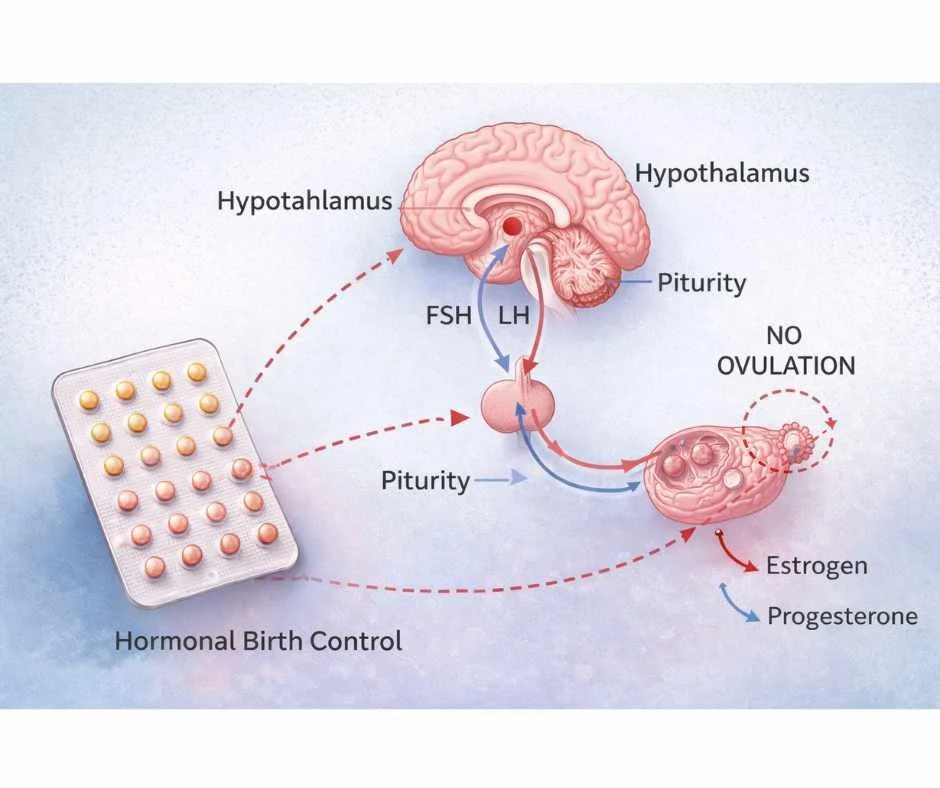
Hormonal birth control suppresses ovulation and replaces natural hormone rhythms with synthetic signaling. Side effects may affect mood, metabolism, and gut health—especially after stopping birth control.
Read More

Hormonal birth control suppresses ovulation and replaces natural hormone rhythms with synthetic signaling. Side effects may affect mood, metabolism, and gut health—especially after stopping birth control.
Read MoreMale infertility is more common than most couples realize. This evidence-informed guide explores causes, testing, and integrative strategies—including acupuncture and lifestyle support—to improve sperm health and fertility outcomes.
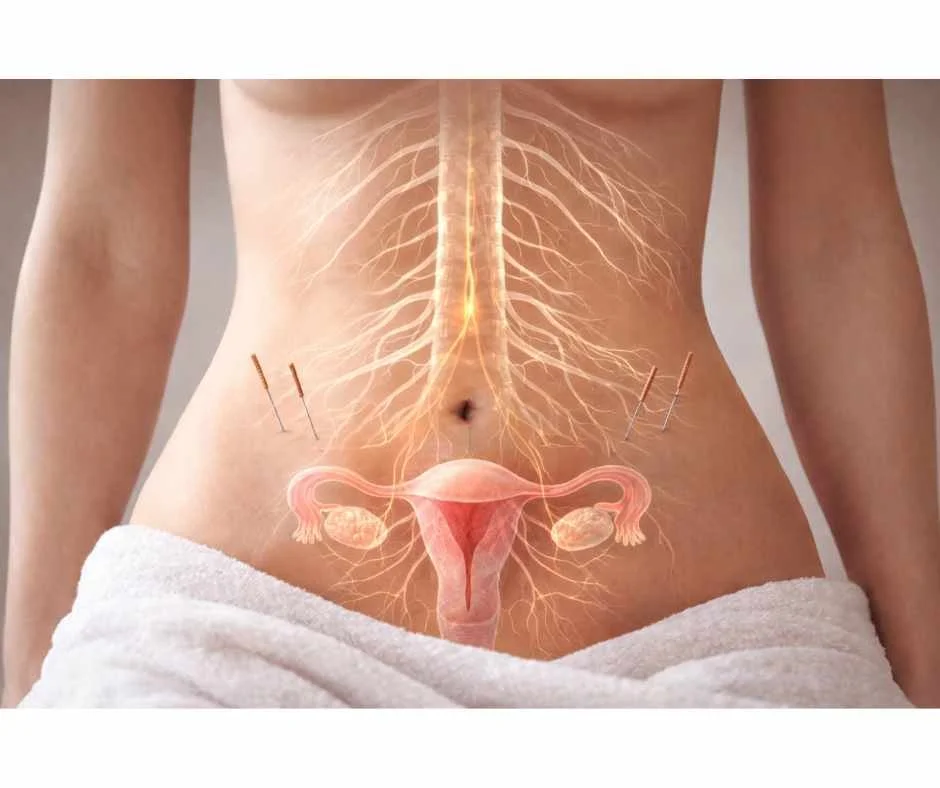
Read MoreFertility hormones respond to nervous system signaling, stress physiology, circulation, and metabolic balance. This article explains how acupuncture supports hormonal regulation and reproductive readiness in both natural conception and IVF.
Read MoreHormonal birth control can control many PCOS/PMOS symptoms without correcting the metabolic, ovulatory, or androgen-related drivers underneath them. After stopping, irregular cycles, acne, hair changes, insulin resistance, and persistent anovulation can reveal which parts of the underlying pattern are still active.
Read MoreAcupuncture for PCOS/PMOS can influence ovulation, menstrual cycle regulation, androgen activity, insulin resistance, sympathetic nervous system activity, and stress physiology. Treatment is most effective when these reproductive, metabolic, and neuroendocrine patterns are evaluated together.
Read MoreThyroid dysfunction can affect ovulation, progesterone production, implantation, pregnancy, and fertility. Hypothyroidism, Hashimoto’s thyroiditis, thyroid antibodies, TSH, and IVF each have different implications for fertility evaluation and treatment.
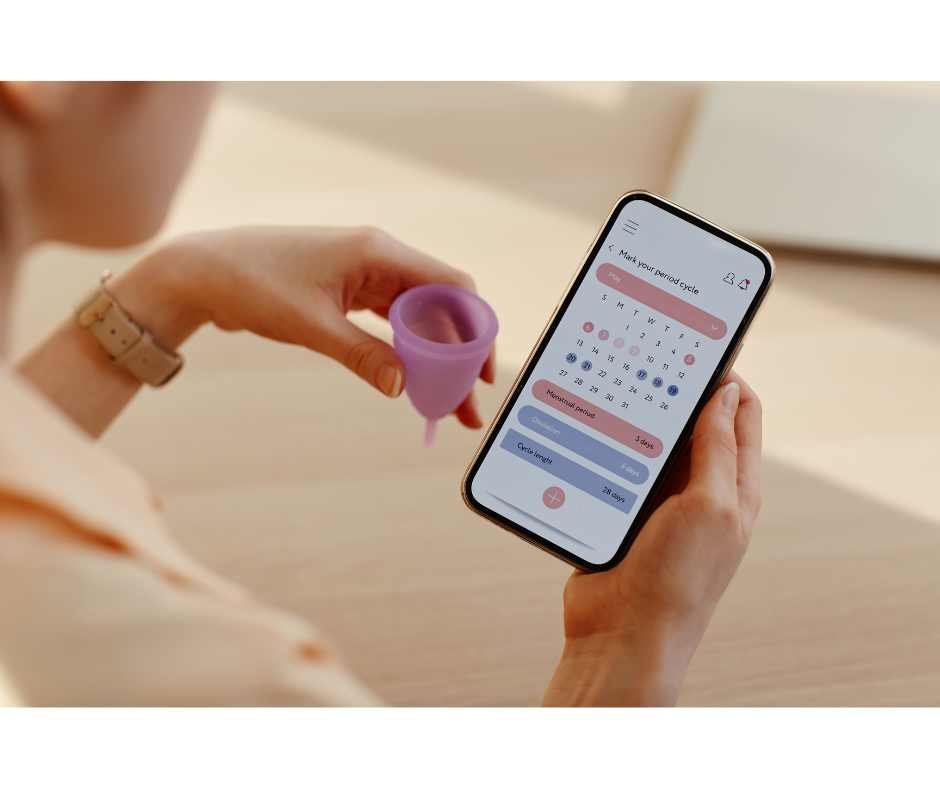
Read MoreNon-hormonal birth control explained. Discover how fertility awareness, ovulation tracking, and hormone-free methods prevent pregnancy without suppressing your natural cycle.
Read More