

Acid Reflux Causes: Why Heartburn Isn’t Always Too Much Acid
How low stomach acid, gut dysfunction, and medications drive reflux—and how to relieve it long term
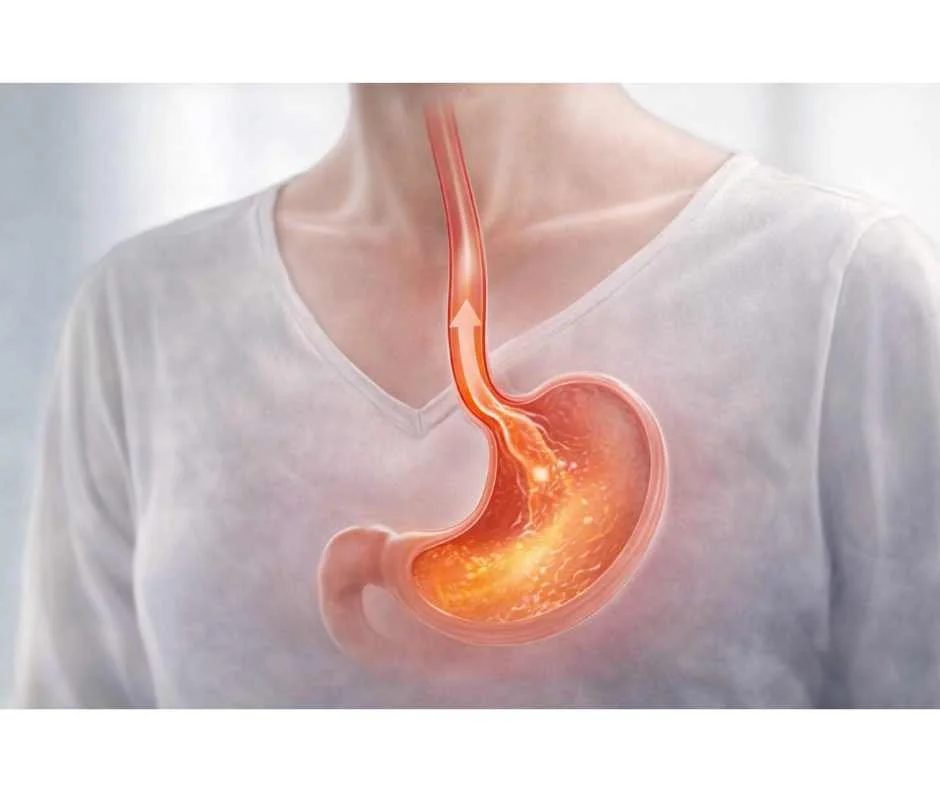
You finish a meal and instead of feeling satisfied, you feel bloated, uncomfortable, or burning—sometimes in your chest, sometimes in your throat. You may notice frequent belching, reflux that worsens when lying down, disrupted sleep, or the growing need for antacids just to manage daily symptoms.
Conventional explanations often frame these symptoms as a problem of too much stomach acid. Yet for many patients, this narrative falls apart—particularly when acid-suppressing medications lose effectiveness, symptoms rebound, or digestive function continues to decline despite treatment.
Clinical experience and a growing body of research suggest that chronic acid reflux is rarely driven by acid overproduction alone. More often, it reflects a breakdown in digestive coordination involving stomach acid balance, gastric emptying, and regulation of the lower esophageal sphincter (LES) (1,2). When stomach acid is insufficient, food is not properly broken down, gastric emptying slows, and fermentation increases. As pressure builds within the stomach, impaired pH-dependent signaling prevents the LES from maintaining appropriate closure, allowing stomach contents to move upward into the esophagus (2,3).
Viewed this way, acid reflux is not primarily a condition to be managed by suppressing acid, but a sign of disrupted digestive physiology. Long-term relief depends on understanding why acid is moving in the wrong direction and restoring the mechanisms that normally keep digestion moving downward (4).
→ Gut Health & Digestive Restoration
Hypochlorhydria: The Central Physiological Driver Behind Reflux
The esophagus—the muscular tube connecting the mouth to the stomach—relies on a critical valve known as the lower esophageal sphincter (LES). Under normal conditions, the LES opens to allow food to enter the stomach and then closes promptly to prevent gastric contents from moving backward. When this valve loses tone, opens too frequently, or fails to close fully, reflux symptoms can occur (2).
An often overlooked but clinically important detail is that the LES is pH-sensitive. Adequate stomach acid provides the signaling required for appropriate LES closure. When stomach acid levels are too low, this signal weakens. This helps explain why acid-suppressing medications may temporarily reduce burning while gradually worsening reflux physiology by further impairing the acid-dependent mechanisms that support proper LES function.
When the LES remains partially open or reopens too soon after swallowing, stomach contents can move upward into the esophagus. The resulting burning or discomfort is not merely a sensation—it reflects chemical injury to esophageal tissue, which is not designed to tolerate repeated exposure to gastric acid (3).
Stomach acid normally maintains a very low pH, typically between 1.5 and 3—a range the stomach lining is structurally equipped to handle. The esophagus, by contrast, has a near-neutral pH and lacks the same protective mucosal defenses. Over time, repeated acid exposure can damage esophageal tissue and impair normal cellular integrity.
With chronic reflux, ongoing injury may trigger adaptive cellular changes in the lower esophagus, where normal squamous cells begin transforming into intestinal-type cells, a process known as metaplasia. In more advanced cases, this progression can increase the risk of esophageal adenocarcinoma (3).
For these reasons, acid reflux is not simply a comfort issue. Poorly managed or persistent reflux can lead to meaningful downstream complications. Understanding why reflux is occurring—and addressing the underlying digestive dysfunction rather than suppressing symptoms alone—is therefore clinically essential.
Acid Reflux Causes: Genetics or Lifestyle?
Acid reflux rarely has a single cause. In most cases, symptoms arise from the interaction between anatomy, digestive physiology, lifestyle factors, medications, and gut health—each of which influences intra-abdominal pressure and the function of the lower esophageal sphincter (LES).
Some contributors are structural or hormonally driven and therefore less modifiable. Others are lifestyle- or physiology-based and often respond well to targeted intervention. Identifying which factors are most relevant in a given individual is essential for achieving durable, long-term relief rather than short-term symptom control.
Below are the most common contributors observed clinically.
Hiatal Hernia
One of the most frequent structural contributors to acid reflux is a hiatal hernia, which occurs when part of the stomach protrudes upward through the diaphragm into the chest cavity via the esophageal hiatus (4).
Small hiatal hernias are often asymptomatic. Larger hernias, however, can significantly impair LES function, increase the frequency of reflux episodes, and raise the risk of complications such as Barrett’s esophagus (5–7). Hiatal hernias are more common with aging, tobacco use, and conditions that increase abdominal pressure.
Helicobacter pylori Infection
Helicobacter pylori is a gastric bacterium that disrupts stomach homeostasis by triggering chronic inflammation and damaging acid-producing cells. Over time, this can reduce hydrochloric acid output, impair protein digestion, and delay gastric emptying (6).
As digestion slows, undigested food ferments, increasing gas and pressure within the stomach. This pressure mechanically promotes upward movement of gastric contents through the LES. This pattern frequently overlaps with dysbiosis, SIBO, intestinal permeability, and food sensitivities—factors that tend to reinforce reflux symptoms rather than resolve them.
Obesity and Abdominal Pressure
Excess abdominal fat increases intra-abdominal pressure, physically compressing the stomach and promoting reflux. Research consistently identifies obesity as both a risk factor for developing GERD and a contributor to symptom severity in those already affected (8).
Importantly, clinical studies also show that reflux symptoms often improve with weight loss, particularly when central (abdominal) adiposity is reduced (8).
Pregnancy and Hormonal Shifts
During pregnancy, elevated progesterone levels relax smooth muscle throughout the body, including the LES. This hormonal effect, combined with increasing abdominal pressure, explains why reflux is common even early in pregnancy, often before significant weight gain occurs.
Tobacco Use
Smoking lowers LES pressure, impairs esophageal clearance, and disrupts mucosal defense mechanisms. It also delays tissue healing, making reflux both more frequent and more damaging over time (9).
Medications That Promote Reflux
Several medication classes are known to worsen reflux by reducing LES tone, slowing gastric emptying, or irritating the esophageal lining. Common contributors include:
Calcium channel blockers and alpha-agonists
Nonsteroidal anti-inflammatory drugs (NSAIDs)
Anticholinergic medications
Certain antidepressants and anxiolytics
Hormonal therapies containing progesterone (13,14)
In many patients, reflux symptoms improve only after identifying and addressing these medication-related contributors—particularly when multiple drugs simultaneously impair digestion, alter motility, and increase overall physiological burden.
Dietary Triggers
Food choices play a meaningful role in reflux symptoms, especially meals that are large, high in fat, inflammatory, or difficult to digest. Common triggers include:
Fried and greasy foods
Chocolate
Coffee and alcohol
Tomato-based foods
Carbonated beverages
Citrus fruits
Spicy foods and peppermint
Sugar and refined carbohydrates (10,11)
While dietary elimination alone is rarely sufficient, identifying and reducing personal triggers can significantly decrease symptom burden and improve tolerance.
Gluten Sensitivity and Intestinal Inflammation
Gluten is not a universal trigger for acid reflux, but in susceptible individuals it can meaningfully contribute to symptoms through its effects on gut integrity, immune signaling, and digestive coordination.
In people with celiac disease, non-celiac gluten sensitivity, or underlying intestinal inflammation, gluten exposure may increase intestinal permeability, provoke immune activation, and disrupt normal motility. These effects can slow gastric emptying, increase fermentation and gas production, and raise intra-abdominal pressure—mechanisms that promote reflux even when stomach acid levels are low.
Clinically, gluten-related reflux often presents alongside bloating, irregular bowel patterns, fatigue, joint pain, or brain fog rather than as isolated heartburn. In these cases, a structured trial of gluten removal—paired with gut-healing support rather than indiscriminate restriction—may significantly reduce reflux symptoms and improve digestive resilience.
Hypochlorhydria: A Common Underlying Pattern
One of the most frequently overlooked contributors to reflux is hypochlorhydria, or low stomach acid. When acid levels are insufficient, digestion slows, fermentation increases, and gastric pressure rises—mechanically promoting reflux despite low overall acid output.
Over time, this pattern contributes to dysbiosis, opportunistic infections, micronutrient deficiencies, and food sensitivities, creating a self-perpetuating cycle rather than resolving symptoms.
A Root-Cause Approach to Acid Reflux Relief
Conventional allopathic treatment for gastroesophageal reflux disease (GERD) most commonly relies on acid-reducing medications, including H2 receptor blockers such as famotidine (Pepcid) and proton pump inhibitors (PPIs) such as esomeprazole (Nexium) and omeprazole (Prilosec).
While these medications may temporarily reduce burning or discomfort, they do so by suppressing stomach acid rather than correcting the underlying dysfunction driving reflux. As outlined earlier, acid reflux is not typically caused by excess acid production, but by impaired digestion, delayed gastric emptying, and abnormal movement of stomach contents through the lower esophageal sphincter (LES).
Further reducing stomach acid promotes hypochlorhydria, slowing digestion, increasing fermentation, and raising intra-gastric pressure. Over time, this physiology can worsen reflux symptoms rather than resolve them, contributing to rebound symptoms and medication dependence.
Stomach acid plays a critical and non-optional role in both digestive and systemic health, including:
Protein digestion
Neutralization of ingested pathogens
Absorption of key minerals such as iron, calcium, magnesium, and zinc
Activation and absorption of vitamin B12
Signaling for downstream digestive enzyme release
A growing body of research shows that long-term use of PPIs and H2 blockers is associated with meaningful downstream risks (15–20), including:
Reduced absorption of vitamins and minerals, including vitamin B12, vitamin C, calcium, iron, and magnesium
Over time, impaired nutrient absorption may contribute to fatigue, bone loss, neurological symptoms, and immune dysfunction.
Increased fracture risk, particularly in postmenopausal women
This association is clinically significant. Chronic acid suppression interferes with calcium and magnesium absorption and has been linked to increased osteoporosis and fracture risk, especially in postmenopausal populations.
Additional associations include:
Elevated risk of cardiovascular events
Gut dysbiosis and small intestinal bacterial overgrowth (SIBO)
Increased susceptibility to enteric infections such as Clostridioides difficile
Rebound acid hypersecretion upon discontinuation
Worsening reflux-like symptoms
Hypergastrinemia
Increased risk of gastric malignancy
Higher incidence of allergies, asthma, depression, and anxiety
Greater prevalence of autoimmune and inflammatory conditions, including rheumatoid arthritis, Graves’ disease, irritable bowel syndrome (IBS), Crohn’s disease, and ulcerative colitis
This overlap is not incidental. Chronic acid suppression, altered gut microbial balance, and impaired nutrient absorption can all contribute to immune dysregulation and intestinal inflammation.
Hypergastrinemia itself has been associated with an increased risk of gastric cancer (21). Additional research links prolonged acid suppression to chronic kidney disease and an elevated risk of dementia (22–24).
Together, these findings underscore why symptom suppression alone is not a sustainable long-term strategy for reflux. Lasting relief depends on identifying and correcting the root causes of impaired digestion, disrupted gastric signaling, and LES dysfunction rather than focusing solely on acid reduction.
Natural, Integrative Strategies for Long-Term Reflux Resolution
Long-term reflux relief depends on restoring coordinated digestive function rather than suppressing symptoms alone. Integrative strategies focus on improving gastric motility, supporting mucosal integrity, regulating nervous system input, and addressing the physiological factors that allow stomach contents to move upward instead of down.
When applied thoughtfully, these approaches can reduce symptom burden while supporting digestion, immune balance, and tissue repair.
Acupuncture and Reflux Physiology
From a Traditional Chinese Medicine (TCM) perspective, acid reflux reflects dysfunction within the stomach, liver, and spleen systems. Emotional stress, dietary irregularities, and chronic strain can disrupt the normal downward movement of stomach qi, allowing contents to rise counter to healthy digestive flow.
In TCM theory, impaired transformation of food and fluids leads to the accumulation of turbidity and pressure within the stomach. When the stomach’s descending function is compromised, counterflow occurs, resulting in reflux symptoms.
From a physiological standpoint, acupuncture influences vagal tone, autonomic balance, and gastrointestinal motility—key regulators of lower esophageal sphincter (LES) coordination and gastric emptying. By supporting parasympathetic signaling and restoring orderly digestive movement, acupuncture helps normalize the downward flow of stomach contents and reduce reflux episodes.
Clinical research shows that acupuncture, particularly when combined with herbal therapy, can outperform omeprazole (Prilosec, Zegerid) in the treatment of acid reflux (25). Additional studies support acupuncture as a safe and effective therapy for heartburn and GERD-related symptoms (26–28).
Herbal Medicine and Gastric Mucosal Repair
In TCM, reflux patterns often involve a combination of excess and deficiency. Excess patterns may include inflammatory heat or stagnation, while deficiency patterns reflect weakened digestive yin and compromised mucosal integrity.
Herbal strategies are therefore selected not only to reduce irritation, but to restore the stomach’s descending function, regulate liver qi, and strengthen the gastric lining. Modern research supports the role of specific botanicals in enhancing mucosal defense, modulating inflammatory signaling, and supporting microbial balance—factors central to long-term reflux resolution (29).
When applied strategically, herbal medicine addresses both symptom expression and the underlying digestive terrain rather than suppressing acid production alone.
Herbs and Nutraceutical Support
A healthy gastric mucosal lining protects the gastrointestinal tract from stress, bacteria, and chemical irritation. Several botanicals and nutrients have been shown to support mucosal integrity and digestive resilience, including:
Zinc carnosine, which supports gastric mucosal repair and barrier function (30,31)
Slippery elm, which promotes protective mucus secretion along the gastrointestinal lining (32,33)
Marshmallow root, a mucilage-rich botanical traditionally used to support mucosal membranes (34)
Aloe vera, whose polysaccharides help regulate inflammatory responses in the GI tract (35)
Deglycyrrhizinated licorice (DGL), which enhances gastric mucus production and supports mucosal healing (36)
In vitro research suggests licorice flavonoids may inhibit Helicobacter pylori activity, while animal studies demonstrate DGL’s ability to reduce ulcerated gastric mucosal damage (37).
L-glutamine, an amino acid essential for maintaining intestinal mucosal integrity and supporting secretory IgA production within the gut immune barrier (38)
Okra, whose mucilaginous polysaccharides form a soothing protective film over irritated mucosal surfaces (39)
When used appropriately, botanical medicine and targeted nutraceuticals can support mucosal healing, motility, and digestive signaling. However, dosing, timing, and combinations matter, which is why these therapies are most effective when guided through:
→ Herbal Medicine & Nutraceutical Therapy
Lifestyle Changes That Alleviate Acid Reflux
Lifestyle factors play a far greater role in reflux physiology than many people realize. Daily habits can either perpetuate reflux mechanisms or meaningfully reduce symptoms when addressed consistently.
One advantage of lifestyle-based strategies is that they support digestion without suppressing stomach acid, making them foundational for long-term relief.
Weight management and abdominal pressure
Excess body weight—particularly around the abdomen—increases intra-abdominal pressure and promotes reflux. Weight loss is consistently associated with symptom improvement. Avoiding tight or restrictive clothing around the waist is also important, as external compression can impair LES function.
Stress reduction
Stress is a commonly underestimated driver of digestive dysfunction. Acute and chronic stress alter gastric secretion, disrupt motility, and impair vagal tone—key factors in LES coordination and reflux regulation (12). Addressing stress is therefore not optional; it is foundational.
Avoid tobacco use
Smoking lowers LES pressure, delays gastric emptying, and impairs mucosal healing. Smoking cessation can significantly reduce reflux severity and support esophageal recovery.
Optimize sleep position
Body position during sleep has a meaningful impact on reflux frequency. Lying flat allows stomach contents to move upward more easily, particularly when gastric emptying is delayed.
Elevating the head of the bed—preferably with a wedge rather than stacked pillows—reduces gravitational backflow and can improve overnight symptom control. Sleep quality and circadian regulation also influence digestion, motility, and nervous system balance.
Dietary Changes
Dietary choices influence reflux not only through food selection, but through meal timing, portion size, and eating patterns. Supporting digestion reduces pressure against the LES and improves gastric coordination.
Eating habits that support digestion
Eat smaller, balanced meals rather than large portions
Chew food thoroughly to reduce digestive workload
Eat in a relaxed, parasympathetic state
Avoid constant grazing, which impairs motility
Finish the last meal 2–3 hours before bedtime
Foods that may reduce reflux symptoms
Supportive foods that may improve tolerance include:
Fiber-rich vegetables and whole grains (11)
Coconut water
Plant-based milks
Bone broth
Lean proteins
Oatmeal
Mineral-rich greens such as kale
Ginger
Purple cabbage
Parsley
Couscous and brown rice
Fennel
Bananas
Melons
Supporting stomach acid balance
For some individuals, reflux reflects low stomach acid rather than excess. In these cases, gentle support may be helpful if tolerated:
Diluted apple cider vinegar or lemon juice with meals
Celery juice between meals to support mineral balance
Because tolerance varies, these strategies should be personalized and introduced gradually.
Natural reflux care is not about a single supplement or protocol. It is about restoring coordinated digestive function, supporting tissue repair, and addressing the physiological reasons acid is moving in the wrong direction.
Final Takeaway: Treat the Cause, Not Just the Burn
Acid reflux is rarely a standalone problem. In many cases, it reflects impaired digestion, altered stomach acid signaling, gut dysbiosis, medication effects, and nervous system imbalance—all of which influence how and why stomach contents move upward instead of down.
When care focuses only on suppressing acid, symptoms may temporarily improve, but the underlying dysfunction often persists or worsens over time. This helps explain rebound reflux, nutrient deficiencies, bloating, infections, and broader inflammatory patterns seen with long-term medication use.
A more effective, sustainable approach addresses reflux at its source by restoring coordinated digestive function, supporting healthy lower esophageal sphincter (LES) signaling, identifying gut-level contributors, and regulating stress and autonomic nervous system tone—using targeted nutrition, herbs, and acupuncture appropriately.
If reflux has become chronic, medication-dependent, or intertwined with other digestive or inflammatory symptoms, a personalized, root-cause plan is often where lasting improvement begins.
You may request a free 15-minute consultation with Dr. Martina Sturm to review your health concerns and outline appropriate next steps within a root-cause, systems-based framework.
Frequently Asked Questions About Acid Reflux and GERD
Is acid reflux caused by too much stomach acid
Not always. While stomach acid is what irritates the esophagus, reflux is often driven by dysfunction of the lower esophageal sphincter (LES), delayed gastric emptying, increased intra-abdominal pressure, dysbiosis, medication effects, and nervous system imbalance. In many cases, reflux is associated with low stomach acid signaling and impaired digestion rather than true acid overproduction.
Can low stomach acid cause reflux symptoms
Low stomach acid is frequently associated with reflux. When acid is insufficient, protein digestion slows, fermentation increases gas and pressure, and LES closure signaling can be impaired. This combination increases the likelihood of stomach contents moving upward into the esophagus.
Do PPIs and H2 blockers make reflux worse over time
They can. Acid-suppressing medications may provide short-term symptom relief, but long-term use can impair digestion, increase dysbiosis risk, and contribute to nutrient deficiencies. Some people also experience rebound symptoms when stopping them. If you are using these medications long term, it is best to review your case with a clinician before making changes.
What are the most common lifestyle triggers for acid reflux
The most common contributors include late-night eating, large meals, tight clothing around the waist, alcohol, smoking, poor sleep, and high stress. These factors influence LES tone, motility, and intra-abdominal pressure, which can increase reflux.
What foods usually worsen acid reflux
Common triggers include fried or greasy foods, chocolate, coffee, alcohol, tomato-based foods, carbonated beverages, citrus, peppermint, spicy foods, and high-sugar meals. Triggers are individual, so a personalized elimination approach is often more effective than a generic list.
Is apple cider vinegar safe for reflux
It depends. For some people with low stomach acid patterns, diluted apple cider vinegar may support digestion and reduce pressure from fermentation. For others, it can worsen burning and irritation. If you try it, start low, dilute well, and stop if symptoms worsen. Avoid if you have ulcers, active gastritis, or severe esophagitis unless your clinician advises otherwise.
Can acupuncture help with GERD and heartburn
For many patients, yes. Acupuncture and Traditional Chinese Medicine approaches may support gastric motility, stress regulation, and digestive coordination. It can be especially helpful when reflux is stress-driven, associated with bloating and pressure, or worsened by nervous system dysregulation.
When should I see a clinician for acid reflux
Seek clinical evaluation if symptoms occur more than twice weekly, if you have difficulty swallowing, unexplained weight loss, persistent nausea or vomiting, black stools, anemia, chest pain, or reflux that persists despite lifestyle changes. These can indicate complications or conditions that require targeted evaluation.
Still Have Questions?
If the topics above reflect ongoing symptoms or unanswered concerns, a brief conversation can help clarify whether a root-cause approach is appropriate.
Resources
American College of Gastroenterology – Gastroesophageal Reflux Disease Clinical Guidelines
Nature Reviews Gastroenterology & Hepatology – Pathophysiology of Gastroesophageal Reflux Disease
WholeScripts – Getting Help with GERD: How Integrative Interventions May Support Long-Term Relief from Acid Reflux Symptoms
Mayo Clinic – Gastroesophageal Reflux Disease Symptoms and Causes
American Journal of Physiology – Gastrointestinal and Liver Physiology – Lower Esophageal Sphincter Function and Regulation
Cleveland Clinic – GERD, Heartburn, and Acid Reflux Overview
Mayo Clinic – Barrett’s Esophagus and Long-Term Reflux Complications
Obesity Action Coalition – Obesity as a Risk Factor for Gastroesophageal Reflux Disease
Gastroenterology – Obesity, Intra-Abdominal Pressure, and GERD
Mayo Clinic – Hiatal Hernia and Its Role in Acid Reflux
Johns Hopkins Medicine – GERD Diagnosis, Treatment, and Prevention
Harvard Health Publishing – Heartburn and Acid Reflux Explained
Live Healthy Chron – Lifestyle Factors That Contribute to Acid Reflux
World Journal of Gastroenterology – Smoking and Its Effects on Digestive Health
Digestive Diseases and Sciences – Tobacco Use, LES Dysfunction, and Reflux
Neurogastroenterology & Motility – Stress, Gastric Acid Secretion, and Digestive Disorders
Psychoneuroendocrinology – Psychological Stress and Gastrointestinal Motility
Alimentary Pharmacology & Therapeutics – Proton Pump Inhibitors and Vitamin and Mineral Deficiencies
PLOS ONE – Acupuncture Therapy for Gastroesophageal Reflux Disease
Journal of the American Society of Nephrology – Proton Pump Inhibitors and Chronic Kidney Disease Risk
Osteoporosis International – Proton Pump Inhibitors and Bone Fracture Risk
JAMA Neurology – Proton Pump Inhibitor Use and Dementia Risk
Gut – Hypergastrinemia and Gastric Cancer Risk
Clinical Gastroenterology and Hepatology – Small Intestinal Bacterial Overgrowth Associated With Acid Suppression
Gut Microbes – Gut Microbiome Alterations With Long-Term PPI Use
Evidence-Based Complementary and Alternative Medicine – Acupuncture and Herbal Medicine in the Treatment of GERD
Journal of Traditional Chinese Medicine – Traditional Chinese Medicine Approaches to Acid Reflux
American Botanical Council – Deglycyrrhizinated Licorice and Gastric Mucosal Protection
Phytotherapy Research – Herbal Formulas for Gastroesophageal Reflux Disease
World Journal of Gastroenterology – Zinc Carnosine and Gastric Mucosal Integrity
Natural Medicines – Zinc Carnosine and Upper Gastrointestinal Support
Journal of Herbal Medicine – Slippery Elm and Demulcent Effects on the GI Tract
Journal of Ethnopharmacology – Marshmallow Root and Mucosal Barrier Support
Journal of Clinical Gastroenterology – Aloe Vera Polysaccharides and Gastrointestinal Inflammation
Nutrients – L-Glutamine and Intestinal Barrier Function
American Botanical Council – Botanical Therapies for Digestive and Upper GI Disorders
Journal of Ethnopharmacology – Fennel, Ginger, and Carminative Herbs in Digestive Health
The American Journal of Clinical Nutrition – Diet, Fiber Intake, and Gastrointestinal Motility
Sleep Medicine Reviews – Circadian Rhythm, Sleep Position, and Nocturnal Acid Reflux