

PCOS and Birth Control: How to Prepare Your Body to Get Off the Pill Safely
Why stopping hormonal birth control with PCOS is different—and how to reduce rebound symptoms, support ovulation, and restore regulation
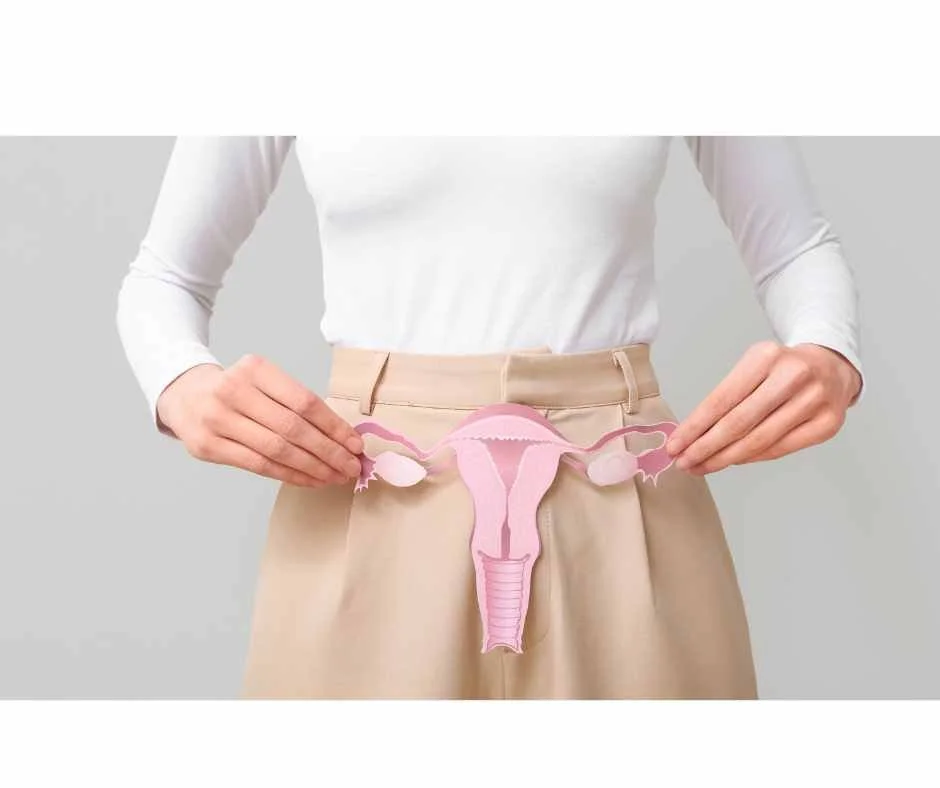
Women with PCOS are frequently placed on hormonal birth control early—often as a first-line solution for irregular cycles, acne, or elevated androgens—and then kept on it for years. While birth control may suppress symptoms, it does not correct the underlying metabolic, inflammatory, or ovulatory dysfunction driving PCOS. Instead, it places the reproductive system in a state of hormonal suppression, delaying true regulation.
For women with PCOS, stopping birth control is not a neutral event. Ovulation has often been inactive for extended periods, insulin signaling may have been masked, and androgen production can rebound once synthetic hormones are withdrawn. This is why many women experience sudden acne flares, irregular or absent cycles, hair changes, mood shifts, or worsening metabolic symptoms after coming off the pill.
This article is designed specifically for women with PCOS who are considering stopping hormonal birth control—or who have recently stopped and are struggling with symptoms. Rather than explaining what PCOS is or how birth control works, the focus here is on preparation: how to support your body before and after discontinuation, reduce rebound effects, and create the conditions needed for ovulation and hormonal signaling to resume more smoothly.
When PCOS is involved, transitioning off birth control requires strategy—not guesswork.
Why Stopping Birth Control Is Different When You Have PCOS
For women without PCOS, discontinuing hormonal birth control is often a temporary adjustment. Cycles may be irregular for a few months, but ovulatory signaling usually resumes on its own (1). PCOS changes that equation.
PCOS is not a condition of hormone deficiency—it is a condition of miscommunication between the brain, ovaries, metabolism, and adrenal system (2). Hormonal birth control suppresses that communication entirely. When synthetic hormones are removed, the body is expected to resume signaling immediately, even though key regulatory pathways may have been dormant for years.
This is why stopping birth control with PCOS frequently leads to more intense and prolonged symptoms than expected.
At a physiological level, several things are happening at once:
Ovulation has been suppressed long-term
Many women with PCOS have not ovulated regularly even before starting birth control. Years on the pill can further weaken hypothalamic–ovarian signaling, making spontaneous ovulation less likely without support. (3)
Androgens rebound quickly
Birth control suppresses ovarian androgen production and increases sex hormone–binding globulin (SHBG). When the pill is stopped, androgens may surge before regulatory feedback loops stabilize—often driving acne, hair thinning, or excess hair growth. (4)Insulin resistance is unmasked
Hormonal birth control can conceal blood sugar instability and insulin signaling issues. Once withdrawn, metabolic stress may rise, worsening cycle irregularity and androgen excess. (5)Inflammatory and stress pathways activate
PCOS is commonly associated with low-grade inflammation and heightened adrenal involvement. The transition off hormonal suppression can increase cortisol demand and inflammatory signaling, compounding symptoms. (6)
If you want a deeper understanding of how synthetic hormones suppress these signaling pathways in the first place, see
→ Hormonal Birth Control: What It Really Does to Your Hormones
The key takeaway is this: with PCOS, symptoms after stopping birth control are not a “failure to detox hormones.” They are a predictable response to removing suppression from a system that has not yet been regulated.
That is why preparation matters—and why timing, metabolic support, and nervous system regulation play such a critical role in what happens next.
When to Stop Birth Control and Why Timing Matters With PCOS
There is no universally “perfect” time to stop hormonal birth control, but timing matters more when PCOS is present. The goal is not to rush discontinuation. The goal is to reduce physiological shock by ensuring key regulatory systems are supported before suppression is removed.
Stopping birth control during periods of high stress, poor sleep, restrictive dieting, or unstable blood sugar increases the likelihood of rebound symptoms. In these conditions, the brain receives signals of scarcity or threat, which further suppress ovulatory signaling and amplify androgen output (1,2).
For women with PCOS, better outcomes are typically seen when birth control is stopped during a phase of relative metabolic and nervous system stability. This includes consistent meals, adequate carbohydrate intake for individual tolerance, improved sleep regularity, and reduced inflammatory load (3).
Seasonal timing can also matter. Some women experience smoother transitions when stopping during periods with more daylight exposure and less circadian disruption, as circadian rhythm strongly influences hypothalamic signaling and ovarian hormone production (4).
Importantly, stopping birth control does not require immediate cycle tracking or fertility awareness. Those tools become useful after hormonal signaling begins to return, not as a prerequisite for discontinuation. For a deeper explanation of how natural cycle awareness fits in after suppression ends, see
→ Non-Hormonal Birth Control & Cycle Awareness
What matters most is not the calendar date, but whether the body is receiving signals of safety, nourishment, and stability at the time suppression is removed.
Women who want individualized guidance around timing, metabolic readiness, and symptom prevention often benefit from clinical support that evaluates the full hormonal and metabolic picture rather than relying on guesswork.
→ Women’s Health & Fertility Support
Common Rebound Symptoms After Stopping Birth Control With PCOS
After hormonal birth control is discontinued, the body must rapidly reestablish communication between the brain, ovaries, metabolism, and adrenal system. In women with PCOS, this transition often produces a rebound phase because underlying regulatory imbalances were previously masked by hormonal suppression (2,5).
These symptoms are frequently interpreted as the body “getting worse.” In reality, they reflect the return of signaling in systems that have not yet been stabilized.
Common rebound symptoms include:
Acne flares or worsening breakouts, particularly along the jawline, chin, or back, driven by rising androgen activity (4)
Irregular, absent, or prolonged menstrual cycles as ovulatory signaling struggles to restart (1,3)
Hair thinning or increased shedding, often at the temples or crown, related to androgen sensitivity (4)
Increased facial or body hair growth due to unopposed androgen signaling (4)
Weight gain or resistance to weight loss, especially around the abdomen, reflecting insulin resistance (5)
Blood sugar swings, cravings, or fatigue associated with metabolic instability (5)
Mood changes, anxiety, or irritability, commonly linked to stress axis activation and nervous system load (6)
The intensity of rebound symptoms is often greater in women who started birth control at a young age, remained on it for many years, or never addressed the metabolic and inflammatory drivers of PCOS prior to suppression (3,5).
Understanding these patterns helps prevent premature conclusions that something has gone wrong. Symptoms during this phase are signals, not verdicts. They indicate where regulation is needed next.
PCOS does not present the same way in every woman, and insulin-driven, inflammatory, adrenal, and post–birth control patterns can respond very differently once hormonal suppression is removed.
→ Four Types of PCOS: Signs, Symptoms, and Treatment Approaches
Next Steps for Supporting PCOS Regulation After Birth Control
Stopping hormonal birth control is not the end of the process for women with PCOS. It is the point at which true regulation begins. What happens next depends on how well metabolic signaling, ovulatory communication, inflammation, and stress physiology are supported over time.
Some women see gradual improvement as cycles return and symptoms stabilize. Others continue to experience irregular cycles, androgen-related symptoms, or metabolic challenges that indicate deeper regulatory patterns still need attention. Neither outcome reflects failure. They simply provide information about what the body needs next.
Because PCOS is not a single condition and does not respond to one-size-fits-all solutions, individualized evaluation is often necessary. This may include reviewing cycle patterns over time, assessing metabolic and hormonal markers, and identifying whether insulin-driven, inflammatory, adrenal, or post–birth control patterns are dominant.
For women who want clinical guidance focused on regulation rather than symptom suppression, individualized support can help clarify next steps and prevent years of trial-and-error.
→ Women’s Health & Fertility Support
Putting the PCOS Transition Into Context
Hormonal birth control often suppresses PCOS symptoms without addressing the underlying regulatory patterns driving them. When that suppression is removed, the body responds by revealing where support is still needed. For some women, this transition is relatively smooth. For others, symptoms persist or intensify, signaling deeper metabolic, inflammatory, or stress-related contributors.
The goal after stopping birth control is not to force cycles to return or to chase symptoms. It is to restore communication between the brain, ovaries, metabolism, and nervous system so regulation can occur naturally over time.
Understanding your individual PCOS pattern and responding to it appropriately can help prevent years of frustration, symptom cycling, and unnecessary medication changes.
Ready for Next Steps?
If you are preparing to stop birth control or are experiencing ongoing symptoms after discontinuation, a brief consultation can help clarify next steps and determine whether additional support is appropriate.
→ Request a complimentary 15-minute consultation
During this complimentary 15-minute phone consultation, Dr. Martina Sturm will answer your questions, explain the care process, and discuss possible next steps based on your goals and concerns
→ Women’s Health & Fertility Support
Frequently Asked Questions About Stopping Birth Control With PCOS
How long does it take for my period to come back after stopping birth control if I have PCOS
For many women, bleeding returns within a few weeks to a few months, but PCOS can lengthen that timeline because ovulation may not resume quickly. If you do not have a period for three months after stopping birth control, or if cycles remain very long and irregular, it is reasonable to seek clinical guidance.
Can stopping birth control make my PCOS worse
Stopping birth control does not create PCOS, but it can unmask symptoms that were being suppressed. Rebound acne, irregular cycles, hair changes, and metabolic symptoms often reflect underlying drivers such as insulin resistance, inflammation, or stress physiology that were present before.
Why is my acne worse after stopping the pill
After stopping hormonal birth control, androgen activity may rise while regulatory feedback loops re-stabilize. In PCOS, androgen signaling can be higher at baseline, which makes post-pill acne flare-ups more common and sometimes more persistent.
Is it normal to have no period after stopping birth control with PCOS
It can happen, particularly if ovulation does not restart. A temporary adjustment phase is common, but absence of a period for three months is a practical threshold to discuss next steps with a qualified clinician, especially if symptoms are escalating.
Should I get labs done right after I stop birth control
In many cases, testing immediately after stopping can be difficult to interpret because the body is still transitioning. Timing depends on your goals and symptoms. If you are trying to conceive soon, have severe symptoms, or have significant metabolic concerns, earlier evaluation may be appropriate.
Can I get pregnant right after stopping birth control if I have PCOS
Yes. Even with PCOS, ovulation can return unpredictably, and pregnancy is possible as soon as ovulation occurs. If you are not trying to conceive, plan contraception before discontinuation.
What are signs that I need support rather than waiting it out
Consider support if you have no period for three months, cycles remain consistently very long, acne or hair changes are rapidly worsening, mood and sleep are destabilizing, or metabolic symptoms such as cravings, fatigue, or weight gain are escalating.