

Yeast Infections Beyond the Vagina: Hidden Candida Symptoms and Root Causes
How Gut Dysbiosis, Hormones, Medications, and Immune Dysfunction Drive Chronic Candida Overgrowth—and How Functional Medicine Restores Balance
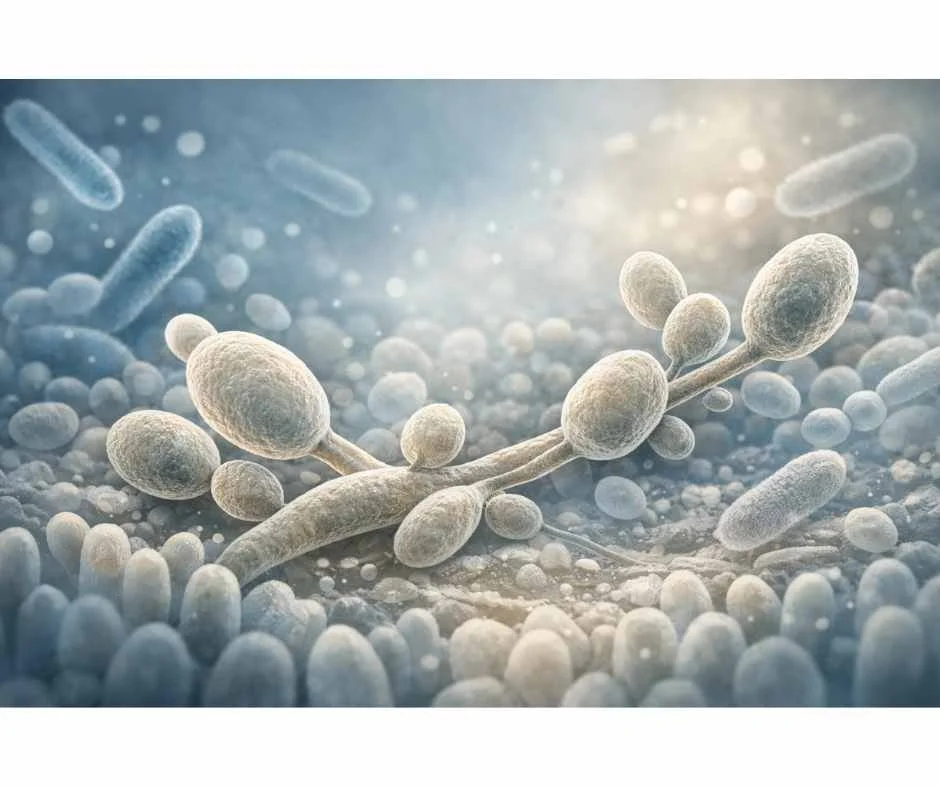
Yeast infections are commonly thought of as a vaginal issue—but this narrow view misses the much bigger picture. Candida and other yeast species can overgrow far beyond the vaginal canal, affecting the gut, mouth, skin, urinary tract, sinuses, and, in severe cases, becoming systemic. When this occurs, symptoms are often vague, chronic, and easily misattributed to stress, hormones, or normal aging rather than microbial imbalance.
Brain fog, fatigue, digestive issues, recurrent infections, mood changes, sugar cravings, skin irritation, and immune dysregulation are frequently downstream manifestations of yeast overgrowth, not isolated or unrelated problems. Because these symptoms span multiple systems, Candida is often overlooked—or repeatedly treated without addressing why it keeps returning.
From a functional medicine perspective, yeast overgrowth is not a random infection to suppress, but a signal of deeper imbalance involving the microbiome, immune regulation, hormones, metabolic health, and environmental exposures. Many individuals with recurrent or resistant yeast infections also have gut dysbiosis, blood sugar instability, mold or mycotoxin exposure, medication-related microbiome disruption, or immune suppression—factors that must be addressed for lasting resolution.
→ Functional & Integrative Medicine
This article explores the hidden presentations of Candida overgrowth, why conventional antifungal treatments often fail to prevent recurrence, and how a root-cause, systems-based approach can help restore microbial balance rather than chasing symptoms.
What Causes Yeast Infections and Candida Overgrowth in the Body
There are multiple species of Candida that naturally live in the human body, but Candida albicans is the strain most commonly associated with problematic yeast infections. It can reside in the gut, mouth, skin, intestines, and other tissues without causing symptoms—until internal balance is disrupted.
Yeast infections tend to develop when the microbiome is compromised or when immune regulation is under sustained strain. Under healthy conditions, beneficial bacteria and immune defenses keep Candida populations in check. When this balance is lost, yeast can begin to overgrow. In more severe cases—particularly when gut barrier integrity is impaired—Candida may migrate through the gastrointestinal lining or enter the bloodstream, leading to serious and, in rare situations, life-threatening infections.
→ Gut Health & Digestive Restoration
Antibiotics and Microbiome Disruption
One of the most common triggers for yeast overgrowth is antibiotic use. While antibiotics can be lifesaving, they also indiscriminately eliminate beneficial bacteria that normally suppress Candida. Without this protective microbial population, yeast is given an opportunity to proliferate—sometimes long after the antibiotic course has ended.
Early signs of Candida overgrowth are often systemic rather than localized, which contributes to delayed recognition. These may include:
Nausea
Brain fog or difficulty concentrating
Joint or muscle pain
Headaches
White coating on the tongue
Sugar cravings
Chronic fatigue
Halitosis (bad breath)
Digestive discomfort, bloating, or irregularity
Because these symptoms overlap with many other conditions, yeast overgrowth is frequently missed or misattributed.
Beyond antibiotics, several underlying conditions and environmental factors can increase susceptibility to yeast infections. These include chronic stress, blood sugar dysregulation, hormonal shifts, toxic exposures, and gut dysbiosis. When these contributors remain unaddressed, yeast infections often become recurrent or resistant to standard treatment.
Risk Factors That Increase Susceptibility to Yeast Infections
Yeast infections rarely occur in isolation. Lifestyle factors, medical history, environmental exposures, and physiologic shifts all influence whether Candida remains a harmless commensal organism or becomes pathogenic. In some cases, a single trigger may be enough to tip the balance; more often, multiple contributors converge over time.
Vaginal Yeast Infections (Vaginal Candidiasis)
Vaginal yeast infections are among the most recognized forms of Candida overgrowth, but they are rarely caused by a single factor. Common contributors include:
Chronic stress
Diabetes or blood sugar dysregulation
Mold or mycotoxin exposure
The Standard American Diet (high in sugar and processed foods)
Pregnancy or hormonal birth control
Antibiotic use (current or past)
Heavy metal toxicity
Many of these factors directly affect immune function, hormone signaling, and both the vaginal and gut microbiome. When these contributors are not addressed, vaginal yeast infections often temporarily improve with treatment but recur, signaling an unresolved underlying imbalance rather than a persistent local infection.
Oral Thrush (Mouth and Throat Yeast Infections)
Yeast infections of the mouth and throat, commonly referred to as oral thrush, are uncommon in healthy adults. They are more frequently seen in infants under one month of age or in individuals with compromised immune defenses.
Established risk factors include:
Recent or repeated antibiotic use
Diabetes
Cancer or chemotherapy
HIV/AIDS
Use of immunosuppressive medications
Additional contributors that are often overlooked include:
Smoking
Denture use
Chronic dry mouth, which may be related to mouth breathing, medication effects, or nervous system dysregulation
Reduced saliva production and altered oral immunity create an environment where Candida can adhere, proliferate, and evade normal defense mechanisms.
Invasive Candidiasis (Systemic Infection)
Invasive candidiasis occurs when Candida enters the bloodstream and spreads to organs such as the kidneys, eyes, heart, or brain. This is a serious medical condition and is most commonly seen in hospital or medically complex settings.
Risk factors include:
Diabetes
Kidney failure
Chemotherapy
Implanted medical devices
Recent surgery (including organ transplantation)
Prolonged or high-dose antibiotic use
While invasive candidiasis is far less common than localized yeast infections, it illustrates a core functional medicine principle: Candida becomes dangerous when terrain, immune regulation, and barrier integrity are compromised.
Although yeast infections can range from mild to severe, effective prevention and treatment depend on identifying and addressing root contributors, not simply suppressing symptoms. This approach is especially critical in chronic or recurrent cases, where repeated treatment without upstream correction often leads to persistence or resistance.
Environmental contributors such as mold exposure and heavy metal burden deserve particular attention in recurrent yeast infections. Mycotoxins and metals can suppress immune surveillance, disrupt detoxification pathways, impair gut and vaginal barrier integrity, and shift microbial balance in favor of opportunistic organisms like Candida. In these cases, yeast overgrowth is often secondary to a toxic terrain, and antifungal treatment alone may provide only temporary relief unless environmental exposures are identified and addressed.
How to Reduce Your Risk of Yeast Infections
It’s important to work with a qualified functional medicine practitioner to confirm whether yeast is truly the underlying driver of symptoms and to develop an approach tailored to your individual physiology. Recurrent yeast infections rarely exist in isolation and often reflect deeper imbalance rather than a localized problem.
From a functional medicine perspective, prevention focuses on restoring systemic balance rather than targeting yeast in isolation. In some cases, recurrent infections are a downstream expression of more complex contributors such as mold or mycotoxin exposure, gut dysbiosis, immune dysfunction, or impaired detoxification capacity. When these upstream drivers remain unaddressed, symptom suppression alone rarely leads to lasting resolution.
The strategies below are most effective when applied together within a systems-based framework. Addressing only one factor—such as diet or supplements—without correcting underlying terrain imbalances often leads to partial or temporary improvement rather than true prevention.
→ Detoxification & Environmental Medicine
Diet: Supporting Microbial Balance
Diet plays a meaningful role in shaping both the gut and vaginal microbiome, influencing immune signaling, barrier integrity, and Candida behavior. While diet alone is rarely sufficient to resolve yeast overgrowth, it is a foundational lever for reducing microbial imbalance and inflammatory pressure.
In general, reducing foods high in sugar, refined carbohydrates, and ultra-processed ingredients is central. These foods disrupt microbial diversity, impair immune regulation, and create an internal environment that favors yeast proliferation. Alcohol can exert similar effects by altering gut flora, increasing intestinal permeability, and suppressing immune defenses.
Candida, Digestion, and Gut Barrier Integrity
Candida overgrowth is frequently associated with digestive symptoms such as bloating, irregular stools, and IBS-like patterns. Emerging research also suggests a connection between Candida, intestinal permeability (leaky gut), and inflammatory bowel conditions when yeast penetrates or adheres to a compromised intestinal lining. Inflammatory signaling further weakens barrier defenses, creating a feedback loop that allows opportunistic organisms to persist.
Dietary Patterns That May Support Balance
Dietary patterns that may help reduce symptoms and inflammatory load include:
Low-FODMAP diet
Mediterranean diet
Anti-Candida (Candida cleanse) diet
Mold-aware detox diet
The Mediterranean and low-FODMAP diets are particularly useful for reducing inflammation and stabilizing gut signaling, which is important because inflammation weakens barrier integrity and allows yeast and other opportunistic organisms to thrive.
Elimination-Based Diets: Benefits and Limitations
Anti-Candida and mold-focused dietary approaches typically involve removing foods such as:
Sugar
Refined flour
Certain dairy products
While these approaches may improve symptoms for some individuals, there is no evidence that diet alone can prevent candidiasis. Yeast overgrowth is multifactorial, which is why dietary changes are most effective when combined with broader gut, immune, and detoxification support, rather than used as a standalone intervention.
Supportive Foods and Cautions
Overall, reducing processed foods appears to lower Candida colonization. Incorporating fatty-acid–rich coconut oil, which has mild antimicrobial properties, may be supportive for some individuals.
Fermented foods such as kimchi, sauerkraut, kefir, and kombucha can help support microbial diversity, but they should be introduced cautiously in individuals with SIFO or significant dysbiosis, where fermentation may temporarily worsen symptoms.
Hygiene: Protecting the Microbiome
Everyday hygiene choices can either support microbial balance or unintentionally disrupt it. Over-sanitization, chemical exposures, and practices that strip protective bacteria can increase susceptibility to yeast overgrowth by weakening local immune defenses and barrier integrity.
Vaginal Hygiene and Microbiome Balance
Helpful strategies include:
Avoiding douching or overwashing, which can dry vaginal tissue, disrupt beneficial bacteria, and introduce endocrine-disrupting chemicals
Choosing toxin-free personal care products to reduce chemical burden on sensitive mucosal tissue
Douching, in particular, has been shown to worsen vaginal microbiome imbalance and may allow infections to spread further into the reproductive tract by removing protective Lactobacillus species.
Oral Hygiene and Thrush Risk
Oral thrush risk is reduced when oral hygiene practices support—rather than sterilize—the microbiome. Many commercial toothpastes and mouthwashes indiscriminately eliminate both beneficial and harmful microbes, which can destabilize oral immune defenses.
Gentler, microbiome-supportive alternatives include:
Water flossing
Fluoride-free toothpaste
Natural dental floss without PFAS (“forever chemicals”)
Homemade mouth rinses using diluted essential oils, baking soda, and water
More aggressive herbal or antimicrobial oral protocols may be necessary in some cases but should be personalized and guided clinically to avoid unnecessary disruption.
Medications That Affect Oral Microbial Balance
It is also important to recognize that corticosteroid inhalers can disrupt oral microbial balance and increase thrush risk if the mouth is not rinsed thoroughly after use. This risk is often overlooked and can contribute to recurrent symptoms even when other factors are addressed.
Clothing & Moisture Control
For yeast infections, local moisture and airflow matter. Candida thrives in warm, damp environments, which means clothing choices and daily habits can meaningfully influence recurrence risk—particularly in individuals already prone to imbalance.
Reducing Moisture to Limit Yeast Growth
Helpful practices include:
Avoiding tight or synthetic clothing, which traps heat and moisture
Choosing breathable fabrics, especially for undergarments and workout clothing
Sleeping without underwear if prone to recurrent vaginal yeast infections
Cotton underwear is particularly supportive because it absorbs moisture and allows airflow rather than trapping heat against the skin, creating an environment less favorable for yeast proliferation.
Moisture control is also relevant for non-vaginal fungal infections. Conditions such as athlete’s foot or toenail fungus are more likely when feet remain damp or enclosed for prolonged periods. Allowing feet to air out at home, rotating footwear, and avoiding non-breathable shoes can make a meaningful difference in reducing fungal persistence.
Zinc and Recurrent Yeast Infections
Zinc plays a critical role in immune regulation, epithelial barrier integrity, and inflammatory control, all of which influence how the body responds to Candida. Emerging research suggests that zinc status may directly affect Candida behavior and recurrence risk, particularly in vaginal yeast infections.
Zinc Deficiency and Candida Virulence
In a small clinical study, a zinc-containing cream was associated with reduced reinfection rates in women with recurrent vaginal yeast infections. While larger trials are still needed, this finding aligns with mechanistic data showing that Candida becomes more virulent in low-zinc environments.
When zinc availability is limited, Candida appears to aggressively sequester zinc from host tissues. This process can amplify local inflammatory signaling and contribute to symptoms such as burning, irritation, and itching, even in the absence of high organism load. Zinc deficiency may therefore worsen symptoms while simultaneously impairing immune containment.
When Zinc Support May Be Helpful
For some individuals—particularly those with recurrent infections, chronic inflammation, or impaired immune resilience—targeted zinc support may help reduce recurrence when used appropriately. This may include topical or internal zinc, selected based on individual needs and incorporated into a broader, personalized plan rather than used as a standalone intervention.
As with other supportive strategies, zinc is most effective when underlying contributors such as gut dysbiosis, immune dysfunction, hormonal imbalance, or environmental exposures are also addressed.
Treating Yeast Infections
Conventional treatment for yeast infections often involves antifungal medications, and in some cases antibiotics when bacterial co-infections are suspected. While these therapies can be effective in acute situations, recurrent or persistent infections are increasingly common, in part due to antifungal resistance and unresolved underlying contributors.
Antifungal-resistant Candida strains can develop with repeated or prolonged use, similar to patterns seen with antibiotic overuse. In addition, antifungal medications may carry potential side effects, including gastrointestinal distress, liver enzyme elevation, neurologic symptoms, visual disturbances, and cardiovascular effects in susceptible individuals. These considerations highlight the importance of careful selection, appropriate duration, and broader context, particularly in chronic cases.
From a functional medicine perspective, treatment focuses not only on reducing yeast burden, but on modifying the terrain that allows Candida to persist, including immune regulation, microbial balance, detoxification capacity, and tissue oxygenation.
Ozone Therapy for Yeast Infections
Ozone therapy has shown promise as a supportive therapy in the management of yeast infections, particularly when infections are recurrent, resistant, or associated with impaired circulation or immune dysregulation. Its therapeutic effects are multifactorial and align with several mechanisms relevant to Candida overgrowth.
Potential benefits of ozone therapy include:
Reducing inflammatory signaling
Supporting immune modulation
Improving oxygen delivery to low-oxygen tissues
Broad antimicrobial activity against bacteria, fungi, and viruses
Vaginal or rectal ozone insufflation may be useful in certain yeast-related conditions. Ozone exerts antifungal effects by oxidizing components of the yeast cell wall, impairing Candida’s ability to survive and replicate. Research has demonstrated ozone’s activity against a range of pathogenic microorganisms, including Candida species.
Localized ozone injections may also be considered in cases such as toenail fungus, where poor circulation and low oxygen tension allow fungal organisms to persist despite topical treatment.
As with any advanced therapy, ozone is most effective when used within a comprehensive, individualized treatment plan, rather than as a standalone intervention.
Herbs, Probiotics, and Targeted Support
Targeted herbal and probiotic strategies can play a supportive role in managing Candida overgrowth when selected carefully and used for appropriate durations.
Certain probiotic organisms—particularly Bifidobacterium, Lactobacillus, and the beneficial yeast Saccharomyces boulardii—have demonstrated activity against specific Candida strains. These organisms support microbial balance by competing with yeast for adhesion sites and resources while modulating immune signaling within the gut.
Delivery form is also important. Many conventional probiotics are vulnerable to stomach acid, heat, and oxidation. Spore-based probiotics are more resilient and may better survive transit through the digestive tract, becoming active in regions where support is often needed.
Other compounds that may help limit Candida growth include:
Berberine
Boric acid (short-term, targeted use only)
Capric acid
Coconut oil
Oregano oil
Garlic-derived compounds
Undecylenic acid
While these agents can be helpful, prolonged or unsupervised use may disrupt beneficial microbes or place unnecessary strain on detoxification pathways. For this reason, they are best used strategically and under clinical guidance.
Traditional Chinese Medicine also offers internal and topical herbal approaches for yeast-related conditions, selected based on constitutional patterns, immune status, and the presence of heat, dampness, or deficiency. These strategies are most effective when applied within a personalized clinical framework.
What to Do if You Suspect You Have a Yeast Infection
Because yeast overgrowth can present in many different ways, testing is often necessary to confirm what’s actually driving symptoms. Depending on the presentation, stool testing, urine markers, blood work, and vaginal or oral microbiome assessments may be used to evaluate Candida activity and overall microbial balance.
If you’re experiencing symptoms commonly associated with yeast infections—especially if this is your first episode or if infections keep returning—it’s important to work with a functional medicine practitioner who can look beyond surface-level treatment. A root-cause approach helps determine why yeast is overgrowing rather than simply suppressing symptoms temporarily.
Restoring microbial balance is rarely straightforward or one-size-fits-all. Factors such as gut health, immune function, hormone balance, toxic exposures, and nutrient status all influence how the body responds to treatment. In addition, some herbal and antimicrobial strategies—while useful in the right context—can disrupt beneficial microbes if used incorrectly or for too long, which is why guidance matters.
Support is available to help you navigate testing and personalized treatment options.
You can request a free consultation with Dr. Martina Sturm to explore functional strategies that address the root cause of your symptoms rather than simply managing flare-ups.
Frequently Asked Questions About Yeast Infections
How do I know if my symptoms are caused by a yeast infection?
Yeast infections can cause symptoms such as itching, burning, redness, irritation, discharge, digestive discomfort, fatigue, brain fog, or recurrent infections. Because these symptoms overlap with many other conditions, testing is often necessary to confirm whether Candida overgrowth is truly the underlying cause.
What causes yeast infections to keep coming back?
Recurrent yeast infections usually indicate unresolved root contributors such as gut dysbiosis, immune dysfunction, blood sugar imbalance, hormonal shifts, mold or mycotoxin exposure, or repeated antibiotic use. Treating symptoms alone without addressing these underlying factors commonly leads to recurrence.
Can yeast infections affect areas other than the vagina?
Yes. Candida can affect multiple areas of the body, including the gut, mouth and throat (oral thrush), skin, urinary tract, sinuses, and nails. In many cases, symptoms are systemic rather than localized, which is why yeast overgrowth is frequently overlooked.
Can men get yeast infections?
Yes. Men can develop yeast infections affecting the genitals, skin folds, mouth, or nails. Symptoms may include redness, itching, irritation, rash, or discomfort depending on the affected area.
Is diet enough to treat a yeast infection?
Diet can help reduce inflammation and microbial imbalance, but diet alone is rarely sufficient to resolve yeast overgrowth. Yeast infections are multifactorial, and lasting improvement usually requires addressing immune regulation, gut integrity, and other underlying contributors in addition to dietary changes.
Do probiotics help with yeast infections?
Certain probiotic organisms may help support microbial balance and limit Candida overgrowth, but effectiveness depends on strain selection, delivery method, and individual physiology. Probiotics are most useful when incorporated into a broader, personalized approach rather than used as a standalone treatment.
Can stress or hormones trigger yeast overgrowth?
Yes. Chronic stress and hormonal shifts can suppress immune regulation, alter microbial balance, and increase susceptibility to yeast overgrowth. These factors are commonly involved in recurrent or treatment-resistant infections.
When should I seek medical care for a yeast infection?
Medical evaluation is recommended for first-time infections, recurrent or persistent symptoms, severe discomfort, or symptoms that do not respond to standard treatment. Testing is especially important when infections keep returning or when symptoms extend beyond the vaginal area.
Still Have Questions?
If the topics above reflect ongoing symptoms or unanswered concerns, a brief conversation can help clarify whether a root-cause approach is appropriate.
Resources
Clinical Microbiology Reviews – Candida albicans as a commensal organism and opportunistic intestinal pathogen
The Lancet Infectious Diseases – Risk factors, host susceptibility, and clinical manifestations of candidiasis
Journal of Fungi – Candida albicans biofilms and their role in human disease
Frontiers in Microbiology – The gut mycobiome: composition, function, and host interactions
Nutrients – Mediterranean dietary patterns and modulation of inflammation and chronic disease
Cleveland Clinic Journal of Medicine – Clinical perspectives on candidiasis and “candida cleanse” claims
Centers for Disease Control and Prevention – Prevention and clinical management of candidiasis
Science Translational Medicine – Zinc-mediated inhibition of Candida albicans virulence and inflammatory signaling
Nutrients – Zinc deficiency and susceptibility to fungal infections
Medical Gas Research – Ozone therapy in dermatologic and infectious disease applications: systematic review
Journal of Applied Microbiology – Antifungal efficacy of gaseous ozone against Candida albicans
Clinical Infectious Diseases – Novel antifungal agents for vulvovaginal candidiasis: phase 2 clinical trial evidence
Beneficial Microbes – Probiotic yeasts and their role in prevention and treatment of Candida-associated infections
Journal of Biological Chemistry – Capric acid from Saccharomyces boulardii inhibits Candida albicans adhesion and biofilm formation
Antimicrobial Agents and Chemotherapy – Undecylenic acid inhibition of Candida albicans morphogenesis and pathogenicity