

Acupuncture for PCOS (PMOS): How It Supports Hormonal Regulation and Ovulation
How Acupuncture Influences Cycle Regulation, Ovulation, Androgen Activity, Metabolic Function, and Stress Physiology in Polyendocrine Metabolic Ovarian Syndrome (PMOS/PCOS)
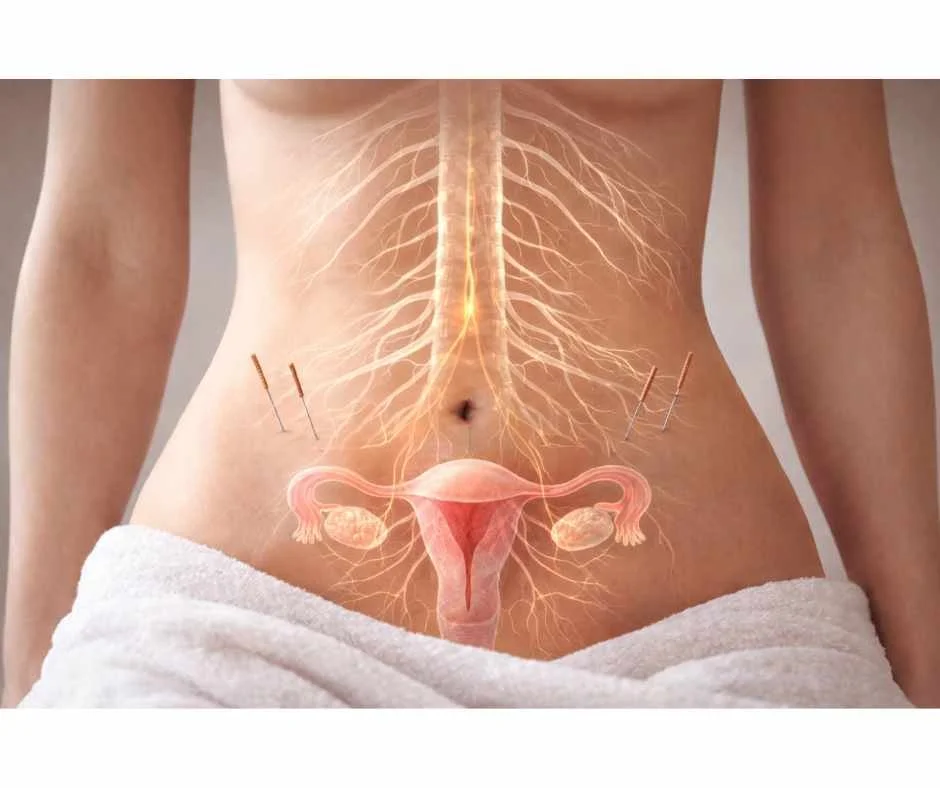
Polyendocrine Metabolic Ovarian Syndrome (PMOS), formerly called Polycystic Ovary Syndrome (PCOS), can look very different from one woman to another. Some women primarily struggle with irregular or absent ovulation. Others have more obvious insulin resistance, androgen excess, acne, weight changes, inflammation, or fertility problems. Often, several of these are occurring at the same time. PMOS/PCOS is not simply a problem of one hormone being too high or too low; reproductive, metabolic, inflammatory, and neuroendocrine pathways can all be involved (1,2,3).
Acupuncture can influence several of the pathways involved in PMOS/PCOS, including autonomic nervous system activity, neuroendocrine signaling, ovarian function, menstrual regulation, and ovulation (4,5).
Insulin resistance can increase ovarian androgen production and reduce sex hormone-binding globulin, while excess androgen activity can interfere with follicular development and ovulation. Increased sympathetic activity and inflammatory signaling can further affect ovarian and metabolic function. The diagnosis identifies the syndrome, but it does not show which of these mechanisms is carrying the most weight in an individual woman (2,3).
Clinical studies have reported changes in ovulation frequency and androgen measures with acupuncture, although the results are not consistent across all outcomes or treatment protocols (5). A woman with significant insulin resistance and hyperandrogenism needs a different treatment emphasis than someone whose primary problems are irregular ovulation, poor sleep, and chronic sympathetic activation.
When metabolic dysfunction, androgen excess, disrupted ovulation, inflammation, and chronic stress overlap, acupuncture can be an integral part of comprehensive PMOS/PCOS treatment. It allows ovulatory, neuroendocrine, and nervous system regulation to be addressed while nutritional, metabolic, hormonal, and other therapies target the additional factors contributing to the condition.
→ Polyendocrine Metabolic Ovarian Syndrome (PMOS/PCOS)
Can Acupuncture Help With PCOS/PMOS?
Acupuncture can be useful in PMOS/PCOS, particularly when irregular ovulation, menstrual disruption, sympathetic overactivity, androgen excess, or altered neuroendocrine signaling are part of the presentation. Clinical research has reported improvements in ovulation frequency and changes in reproductive hormone measures in some women, although responses vary and the evidence is not equally strong for every outcome (4,5).
Acupuncture does not treat PMOS/PCOS by targeting a single hormone. Its effects involve nervous system and neuroendocrine pathways that influence ovarian function, ovulation, menstrual regulation, and stress physiology. When insulin resistance, hyperandrogenism, inflammation, thyroid dysfunction, or other metabolic and endocrine factors are also present, those problems need to be addressed as part of the same treatment plan.
How Acupuncture Influences Hormonal and Ovulatory Signaling in PMOS/PCOS
PMOS/PCOS involves altered signaling across the hypothalamic-pituitary-ovarian axis, insulin and androgen pathways, and the autonomic nervous system. These pathways influence follicular development, ovulation, menstrual timing, and ovarian androgen production, so cycle disruption is rarely explained by one abnormal hormone alone (2,3).
Acupuncture has been studied for its effects on neuroendocrine and autonomic regulation. Sensory input from acupuncture can influence central nervous system pathways involved in reproductive signaling as well as sympathetic activity associated with ovarian function (4,5).
Hypothalamic-Pituitary-Ovarian Axis and Ovulation
The hypothalamic-pituitary-ovarian (HPO) axis coordinates gonadotropin-releasing hormone (GnRH), luteinizing hormone (LH), and follicle-stimulating hormone (FSH), which regulate follicular development and ovulation. In PMOS/PCOS, altered GnRH pulsatility and increased LH activity can promote ovarian androgen production while interfering with normal follicular maturation (2,3).
Acupuncture has been investigated for its effects on central neuroendocrine pathways involved in GnRH and gonadotropin regulation (4). In clinical research, acupuncture has also been associated with increased ovulation frequency and changes in ovarian and adrenal sex-steroid levels, although results vary across treatment protocols and study populations (5).
Autonomic Nervous System and Ovarian Function
Sympathetic nervous system activity is elevated in some women with PMOS/PCOS and has been associated with hyperandrogenism, insulin resistance, central adiposity, and altered ovarian function (7).
Low-frequency electroacupuncture has been shown to reduce muscle sympathetic nerve activity in women with PCOS, providing direct human evidence that acupuncture can affect autonomic function rather than simply producing a subjective relaxation response (6).
The ovaries also receive sympathetic innervation involved in steroidogenesis and follicular function. Changes in sympathetic output therefore provide a plausible link between acupuncture, androgen activity, follicular development, and ovulation, although part of this mechanistic evidence remains experimental rather than established directly in humans (4,6,7).
How Acupuncture Influences Hormonal Regulation
Acupuncture does not supply estrogen, progesterone, or other reproductive hormones. Its effects appear to occur through neural, neuroendocrine, and autonomic pathways that influence how reproductive signaling is coordinated.
In PMOS/PCOS, irregular ovulation may involve altered GnRH and LH activity, excess androgen production, insulin resistance, increased sympathetic tone, or several of these mechanisms occurring together. Acupuncture targets some of the signaling involved in ovulation and ovarian function without reducing the condition to a single hormone abnormality.
Acupuncture for Irregular Menstrual Cycles in PMOS/PCOS
Irregular, prolonged, or absent menstrual cycles are common in PMOS/PCOS and usually reflect irregular or absent ovulation. When follicular development stalls and ovulation does not occur consistently, progesterone production is also disrupted, which can lead to longer, unpredictable, or absent cycles.
Acupuncture has been studied for menstrual frequency and ovulatory function in women with PMOS/PCOS. Some randomized trials and meta-analyses report more frequent ovulation and improvements in cycle regularity, while other reviews have found the evidence too inconsistent to draw firm conclusions (5,8,9).
How Acupuncture May Improve Menstrual Regularity
More consistent ovulation
Cycle regularity depends on successful follicular development and ovulation. Acupuncture has been associated with increased ovulation frequency in some clinical studies, which provides a direct physiological route to more predictable menstrual cycles (5,8).Reduced sympathetic overactivity
Increased sympathetic nervous system activity is documented in some women with PMOS/PCOS and can affect ovarian function and androgen regulation. Low-frequency electroacupuncture has been shown to reduce muscle sympathetic nerve activity in women with PCOS, giving this mechanism direct human support (6,7).Changes in ovarian and androgen signaling
Acupuncture studies have reported changes in LH, testosterone, sex hormone-binding globulin, and other reproductive hormone measures alongside ovulatory outcomes. These effects are not consistent across all trials, but they suggest that menstrual changes can occur alongside measurable changes in ovarian and endocrine function rather than simply producing a bleed (5).
Cycle Changes Usually Occur Over Time
A more regular cycle usually depends on more consistent follicular development and ovulation, so meaningful changes are better assessed across multiple cycles than after one or two treatments.
Persistent irregularity also warrants a broader evaluation. Insulin resistance, hyperandrogenism, thyroid dysfunction, elevated prolactin, inadequate energy intake, nutrient deficiencies, and other endocrine or metabolic factors can all interfere with ovulation.
Acupuncture is particularly relevant when irregular cycles occur alongside autonomic dysregulation or altered ovulatory signaling, while the metabolic, hormonal, and nutritional factors contributing to anovulation are addressed at the same time.
Acupuncture for Ovulation in PMOS/PCOS
Irregular or absent ovulation is one of the central reproductive features of PMOS/PCOS. Follicles may begin developing but fail to mature and ovulate consistently, leading to long or unpredictable cycles, low or inconsistent progesterone production, and difficulty conceiving.
Altered GnRH and LH pulsatility, excess ovarian androgen production, insulin resistance, and increased sympathetic nervous system activity can all interfere with follicular development before ovulation occurs (2,3,7).
Clinical trials have reported increased ovulation frequency with acupuncture, while systematic reviews and meta-analyses have reached different conclusions depending on the studies and comparators included. The 2025 dose-response meta-analysis reported higher ovulation rates, whereas the updated Cochrane review judged the overall evidence for ovulation and restoration of regular menstruation to be uncertain (5,8,9).
How Acupuncture May Influence Ovulation
Neuroendocrine signaling
Normal ovulation depends on coordinated communication between the hypothalamus, pituitary gland, and ovaries. In PMOS/PCOS, altered GnRH and LH activity can promote ovarian androgen production while interfering with normal follicular maturation. Acupuncture has been investigated for effects on central neuroendocrine pathways involved in gonadotropin regulation and ovarian function (4,5).Androgen activity and follicular development
Hyperandrogenism can disrupt follicular maturation and contribute to anovulation. In clinical research, acupuncture has been associated with changes in testosterone, LH, sex hormone-binding globulin, and other reproductive hormone measures alongside increased ovulation frequency, although these findings are not consistent across all studies (5,8,9).Sympathetic nervous system activity
Increased sympathetic activity has been documented in women with PMOS/PCOS and may affect ovarian steroidogenesis and follicular function. Low-frequency electroacupuncture has been shown to reduce muscle sympathetic nerve activity in women with PCOS, providing a plausible link between autonomic regulation and ovarian function (6,7).
Ovulation Depends on More Than the LH Surge
Ovulation depends on successful follicular development before the LH surge occurs. Insulin resistance, hyperandrogenism, thyroid dysfunction, elevated prolactin, inadequate energy availability, nutrient deficiencies, and other endocrine or metabolic abnormalities can interfere earlier in the cycle.
A menstrual bleed does not necessarily confirm that ovulation occurred. In PMOS/PCOS, the more meaningful treatment target is consistent follicular maturation followed by ovulation and appropriate progesterone production.
Acupuncture can be incorporated into that process by addressing neuroendocrine and autonomic regulation while metabolic, hormonal, and nutritional factors that interfere with follicular development are treated directly.
Acupuncture, Insulin Resistance, and Inflammation in PMOS/PCOS
Insulin resistance is common in PMOS/PCOS and can affect reproductive function even when fasting glucose remains within range. Compensatory hyperinsulinemia can stimulate ovarian theca-cell androgen production and suppress hepatic sex hormone-binding globulin (SHBG), increasing biologically available androgens. Insulin resistance, hyperandrogenism, adipose-tissue dysfunction, and chronic low-grade inflammation can reinforce one another, making normal follicular development and ovulation more difficult (2,10,12).
Acupuncture has also been studied directly in women with PCOS and insulin resistance. A meta-analysis of 17 randomized controlled trials involving 1,511 women found a modest improvement in HOMA-IR with acupuncture compared with control treatments, along with reductions in BMI in some treatment groups. Effects were larger when acupuncture was combined with other treatment approaches, although differences in protocols, comparators, and study quality limit how broadly those results can be applied (11).
How Acupuncture May Affect Insulin Resistance and Inflammatory Signaling
Insulin sensitivity and glucose regulation
Acupuncture and electroacupuncture have been investigated for effects on insulin signaling and glucose metabolism. In the 17-trial meta-analysis, acupuncture produced a modest reduction in HOMA-IR compared with other treatments. Studies combining acupuncture with additional treatment reported larger changes in HOMA-IR, fasting insulin, fasting glucose, and BMI than the comparison treatment alone (11).Autonomic regulation and metabolism
Sympathetic overactivity occurs in some women with PMOS/PCOS and is associated with insulin resistance, hyperandrogenism, and altered metabolic function. Low-frequency electroacupuncture has been shown to reduce sympathetic nerve activity, providing a plausible link between autonomic regulation, insulin sensitivity, and reproductive function (6,7).Inflammatory signaling
Chronic low-grade inflammation in PMOS/PCOS involves inflammatory cytokines, adipose-tissue signaling, oxidative stress, and immune-metabolic dysfunction. These processes can worsen insulin resistance and interact with hyperandrogenism and ovulatory dysfunction (2,10,12). Acupuncture has demonstrated anti-inflammatory effects in experimental and broader clinical research, but direct human evidence for reducing PMOS/PCOS-specific inflammation is less established than the evidence for insulin resistance.
Integrating Acupuncture With Metabolic Treatment
When hyperinsulinemia is driving androgen excess and ovulatory dysfunction, improving insulin regulation becomes part of restoring reproductive function. Nutrition, skeletal-muscle activity, sleep, body composition, nutrient status, and other metabolic factors can all influence insulin sensitivity and circulating insulin levels.
Acupuncture can be an integral part of this treatment, particularly when insulin resistance occurs alongside sympathetic overactivity, irregular ovulation, androgen excess, poor sleep, or chronic stress activation.
Reducing excessive insulin signaling can lower stimulation of ovarian androgen production, increase SHBG, improve follicular development, and make ovulation more consistent (2,10).
Acupuncture, Stress Physiology, and Nervous System Regulation in PMOS/PCOS
Stress physiology can affect reproductive and metabolic function in PMOS/PCOS through the autonomic nervous system, hypothalamic-pituitary-adrenal (HPA) axis, sleep, insulin signaling, and inflammatory pathways. Persistent sympathetic activation can further affect ovulatory function, androgen activity, glucose regulation, and sleep.
Women with PMOS/PCOS have been shown to have higher sympathetic nerve activity than women without the condition, and autonomic dysfunction has been associated with hyperandrogenism, insulin resistance, central adiposity, and altered ovarian function (6,7).
Cortisol findings are more complex. PMOS/PCOS is not characterized by uniformly elevated cortisol, but circadian regulation can be altered. A 2025 systematic review and meta-analysis found higher evening cortisol and lower sleep efficiency in women with PCOS, while morning cortisol was not significantly different from controls (13,14).
One of the better-supported physiological findings in PMOS/PCOS acupuncture research is a reduction in sympathetic nerve activity. In a randomized trial, 16 weeks of low-frequency electroacupuncture significantly reduced muscle sympathetic nerve activity compared with no treatment (6).
Sympathetic signaling is relevant beyond the experience of feeling stressed. Autonomic input influences ovarian steroidogenesis, vascular function, glucose regulation, and central neuroendocrine signaling. Persistent sympathetic overactivity can therefore interact directly with several mechanisms already involved in hyperandrogenism and irregular ovulation (6,7).
Acupuncture has also been studied for anxiety and depression in women with PCOS. A 2026 meta-analysis of 12 randomized controlled trials involving 2,127 women reported reductions in both anxiety and depression scores compared with control treatments, although methodological heterogeneity and study quality limit how confidently those findings can be generalized (15).
Sleep deserves separate attention because poor sleep can worsen insulin sensitivity, appetite regulation, sympathetic activity, and reproductive hormone signaling. Women with PMOS/PCOS also show lower sleep efficiency and differences in circadian markers such as evening cortisol and melatonin (14).
When poor sleep, sympathetic overactivity, insulin resistance, and irregular ovulation occur together, nervous system regulation becomes part of the endocrine and metabolic treatment—not simply a strategy for reducing perceived stress.
Which PMOS/PCOS Patterns May Benefit Most From Acupuncture?
PMOS/PCOS can present with very different combinations of reproductive, metabolic, inflammatory, and neuroendocrine abnormalities. One woman may have marked insulin resistance and hyperandrogenism. Another may struggle more with irregular ovulation, chronic sympathetic activation, post–birth control cycle disruption, or several of these problems occurring together.
Acupuncture is used differently depending on which mechanisms are most prominent.
Acupuncture for Irregular or Absent Ovulation in PMOS/PCOS
When cycles are long, unpredictable, or absent, the first question is whether ovulation is occurring consistently. Anovulation may be driven by altered HPO-axis signaling, hyperandrogenism, insulin resistance, sympathetic overactivity, or a combination of these factors.
Acupuncture can be used to target the neuroendocrine and autonomic pathways involved in follicular development and ovulation rather than simply focusing on the appearance of a menstrual bleed.
For women trying to conceive, restoring more consistent ovulation is especially important because irregular follicular development and anovulation are common contributors to infertility in PMOS/PCOS.
Acupuncture for Insulin Resistance and Hyperandrogenism
Insulin resistance can increase ovarian androgen production and interfere with follicular maturation even when fasting glucose remains within range. When hyperinsulinemia and androgen excess are prominent, acupuncture is often combined with direct metabolic treatment addressing nutrition, skeletal-muscle activity, sleep, body composition, nutrient status, and other factors affecting insulin signaling.
This combination becomes particularly relevant when insulin resistance occurs alongside sympathetic overactivity, irregular ovulation, poor sleep, or chronic stress activation.
Acupuncture for Inflammatory PMOS/PCOS Presentations
Some women have a stronger inflammatory component alongside metabolic and reproductive dysfunction. Chronic low-grade inflammation may coexist with insulin resistance, oxidative stress, gut dysfunction, poor sleep, adipose-tissue dysfunction, or persistent sympathetic activation.
Acupuncture can be incorporated for its effects on autonomic and inflammatory signaling while the larger inflammatory burden is addressed through nutrition, gut and microbiome treatment, metabolic care, sleep regulation, and evaluation of environmental exposures when the history supports it.
Acupuncture for Stress-Dominant and Adrenal-Androgen Patterns
Stress physiology can become a significant part of the PMOS/PCOS picture when chronic sympathetic activation, poor sleep, anxiety, exercise intolerance, or elevated adrenal androgens such as DHEA-S are present.
Stress does not cause PMOS/PCOS, but HPA-axis dysregulation and autonomic overactivation can worsen ovulatory dysfunction, insulin resistance, sleep disruption, and androgen activity.
Acupuncture is particularly useful in this presentation because low-frequency electroacupuncture has been shown to reduce sympathetic nerve activity, directly addressing one of the physiological abnormalities that may be contributing to the reproductive and metabolic pattern.
Acupuncture After Birth Control and Delayed Cycle Recovery
Hormonal contraception suppresses ovulation and can mask cycle patterns that were present before treatment. After stopping birth control, some women resume ovulation quickly, while others experience delayed ovulation, longer cycles, acne, androgenic symptoms, or recurrence of symptoms that had been suppressed.
In some cases, an underlying PMOS/PCOS pattern becomes apparent again once synthetic hormones are removed. In others, menstrual-cycle characteristics remain altered for several cycles after oral contraceptives are discontinued, including later ovulation and changes in cycle length or luteal-phase characteristics (16).
Acupuncture can be incorporated during this transition when delayed ovulation, poor sleep, stress activation, or autonomic dysregulation are prominent. Persistent irregularity also warrants evaluation of insulin resistance, androgen activity, thyroid function, prolactin, nutrient status, energy availability, and other factors that can interfere with ovulation.
When Several PMOS/PCOS Drivers Overlap
Mixed presentations are common. Insulin resistance may coexist with hyperandrogenism, inflammation, poor sleep, sympathetic overactivity, and irregular ovulation.
In these cases, acupuncture can be an integral part of comprehensive treatment while metabolic, nutritional, hormonal, gut, inflammatory, and lifestyle therapies address the other factors contributing to the reproductive pattern.
How Traditional Chinese Medicine Views PMOS/PCOS Patterns
Traditional Chinese Medicine does not use the same acupuncture treatment for every woman with PMOS/PCOS. Point selection changes according to the menstrual pattern, whether ovulation is occurring, bleeding characteristics, pain, digestion, sleep, energy, stress response, temperature, fluid retention, androgenic symptoms, and other findings present at the time of treatment.
More than one TCM pattern may be present at the same time, and the dominant pattern can change as symptoms and cycle function change (17).
Dampness, Phlegm, and Metabolic Dysfunction
Dampness and phlegm patterns are common when irregular cycles occur with weight gain, bloating, fatigue, fluid retention, sluggish digestion, or a sense of heaviness.
In women with PMOS/PCOS, these findings may coexist with insulin resistance, altered glucose regulation, adipose-tissue dysfunction, inflammatory metabolic stress, or gut symptoms. Acupuncture treatment may therefore place more emphasis on both reproductive function and the digestive and metabolic features of the presentation.
Kidney Deficiency, Delayed Ovulation, and Fertility
Kidney deficiency patterns are often considered when cycles are very long or absent, ovulation is inconsistent, fertility is impaired, or there are broader signs of reduced reproductive function.
Treatment may emphasize cycle timing, follicular development, ovulation, and reproductive function while thyroid status, prolactin, androgen activity, ovarian reserve, nutrient status, and metabolic health are evaluated separately when indicated.
Liver Qi Stagnation, Stress, and Cycle Disruption
Liver Qi stagnation is common when menstrual irregularity occurs alongside irritability, breast tenderness, headaches, poor sleep, premenstrual symptoms, or cycles that become less predictable during periods of stress.
This presentation often overlaps clinically with sympathetic overactivation and disrupted stress physiology. Chronic stress activation can affect sleep, ovulatory timing, insulin signaling, and androgen activity, so acupuncture treatment may address both the traditional Liver Qi pattern and autonomic regulation.
Blood Stasis, Pain, and Pelvic Symptoms
Blood stasis is considered when irregular cycles are accompanied by painful periods, dark or clotted menstrual blood, fixed pelvic pain, or significant cramping.
These findings should not automatically be attributed to PMOS/PCOS. Endometriosis, fibroids, ovarian cysts, adenomyosis, and other causes of pelvic pain may need to be evaluated separately.
Why TCM Pattern Differentiation Matters in PMOS/PCOS
Two women with PMOS/PCOS may receive very different acupuncture treatments.
One may present primarily with insulin resistance, dampness, fatigue, and irregular ovulation. Another may have marked stress activation, poor sleep, delayed ovulation, and Liver Qi stagnation. A third may have Kidney deficiency, Blood stasis, androgen excess, or several patterns present at once.
These differences affect point selection, treatment frequency, and whether herbal medicine, nutrition, metabolic treatment, gut support, or other therapies are incorporated into care.
TCM pattern differentiation helps define the acupuncture strategy, while laboratory findings, reproductive hormones, metabolic markers, symptoms, and menstrual-cycle history clarify other parts of the clinical picture.
Acupuncture as Part of Comprehensive PMOS/PCOS Treatment
PMOS/PCOS often involves more than irregular ovulation. Insulin resistance, androgen excess, chronic inflammation, poor sleep, gut dysfunction, nutrient deficiencies, thyroid abnormalities, altered stress physiology, and other endocrine factors can all affect follicular development, ovulation, androgen activity, and cycle regularity.
Acupuncture can be an integral part of treatment because it addresses several of the pathways discussed throughout this article, including autonomic nervous system activity, neuroendocrine signaling, ovulatory function, menstrual regulation, and stress physiology.
Marked hyperinsulinemia requires direct metabolic treatment. Persistent hyperandrogenism warrants evaluation of both ovarian and adrenal androgen production. Irregular or absent ovulation may also require assessment of thyroid function, prolactin, nutrient status, energy availability, inflammation, and other factors that can interfere with follicular maturation.
Treatment may include acupuncture alongside:
Nutrition and blood sugar regulation
Resistance training and other appropriate movement
Thyroid and reproductive hormone evaluation
Nutrient assessment and targeted repletion
Gut and microbiome support
Herbal medicine and practitioner-guided nutraceuticals
Sleep and circadian support
Nervous system regulation
Evaluation of inflammatory, metabolic, and environmental contributors when clinically relevant
A woman with marked insulin resistance and androgen excess needs a different plan than someone whose main problems are delayed ovulation, poor sleep, and chronic sympathetic activation.
Acupuncture can address nervous system regulation, ovulatory signaling, menstrual function, and stress physiology while metabolic, hormonal, nutritional, gut, inflammatory, and environmental contributors are treated directly.
→ Acupuncture & Nervous System Regulation
Frequently Asked Questions About Acupuncture for PMOS/PCOS
Why is PCOS now called PMOS?
Polyendocrine Metabolic Ovarian Syndrome (PMOS) is the new name for Polycystic Ovary Syndrome (PCOS). The change reflects that the condition involves endocrine, metabolic, and reproductive dysfunction and is not defined by ovarian “cysts.” Both PMOS and PCOS are still being used during the transition.
Can acupuncture help regulate irregular periods in PMOS/PCOS?
Acupuncture can help some women with irregular cycles, particularly when the underlying problem is inconsistent or absent ovulation. Clinical trials have reported improvements in menstrual frequency and cycle regularity, although results are not consistent across all studies.
Can acupuncture help with ovulation in PMOS/PCOS?
Acupuncture has been associated with increased ovulation frequency in some clinical trials and meta-analyses. Proposed mechanisms include effects on HPO-axis signaling, sympathetic nervous system activity, androgen regulation, and ovarian function. The overall evidence remains mixed, but ovulation is one of the more extensively studied reproductive outcomes.
Can acupuncture help lower androgens in PMOS/PCOS?
Some studies have reported changes in testosterone, luteinizing hormone, sex hormone-binding globulin, and the LH-to-FSH ratio with acupuncture. These effects may be particularly relevant when hyperandrogenism is interfering with follicular development and ovulation, although results vary across studies.
Can acupuncture help with insulin resistance in PMOS/PCOS?
Research has reported modest improvements in HOMA-IR, fasting insulin, fasting glucose, and other metabolic markers in some women receiving acupuncture. When hyperinsulinemia or insulin resistance is significant, acupuncture is best integrated with direct metabolic treatment addressing nutrition, skeletal-muscle activity, sleep, body composition, and other factors affecting insulin regulation.
Can acupuncture help with stress and sleep in PMOS/PCOS?
Acupuncture can reduce sympathetic nervous system activity, which is relevant when PMOS/PCOS occurs alongside chronic stress activation or poor sleep. Sympathetic overactivity and disrupted sleep can also interact with insulin resistance, androgen activity, and ovulatory dysfunction.
How often is acupuncture typically used for PMOS/PCOS?
Treatment is often more frequent at the beginning, particularly when cycles are very irregular or ovulation is absent. In clinical practice, once- or twice-weekly treatment is common, with frequency adjusted according to cycle timing, ovulation, symptoms, and response.
Is acupuncture safe for PMOS/PCOS?
Acupuncture is generally safe when performed by a licensed practitioner using sterile, single-use needles. Minor bruising, soreness, or temporary tenderness can occur, while serious adverse events are uncommon.
Can acupuncture help with fertility in women with PMOS/PCOS?
Acupuncture may be useful when fertility problems are related to irregular ovulation or anovulation. It can be incorporated into fertility care while thyroid dysfunction, prolactin abnormalities, ovarian reserve, uterine or tubal factors, male-factor fertility, and other contributors to infertility are evaluated separately.
Should acupuncture be part of a comprehensive PMOS/PCOS treatment plan?
Often, yes. PMOS/PCOS can involve insulin resistance, androgen excess, irregular ovulation, inflammation, thyroid dysfunction, nutrient deficiencies, gut dysfunction, poor sleep, and autonomic dysregulation. Acupuncture can address ovulatory, neuroendocrine, and nervous system regulation while metabolic, hormonal, nutritional, inflammatory, and other contributing factors are treated directly.
Still Have Questions?
If the topics above reflect ongoing symptoms or unanswered concerns, a brief conversation can help clarify whether a root-cause approach is appropriate.
Resources
The Lancet - Polyendocrine metabolic ovarian syndrome, the new name for polycystic ovary syndrome: a multistep global consensus process
Nature Reviews Disease Primers - Polycystic ovary syndrome
Human Reproduction - Recommendations from the 2023 International Evidence-based Guideline for the Assessment and Management of Polycystic Ovary Syndrome
Molecular and Cellular Endocrinology - Hypothetical physiological and molecular basis for the effect of acupuncture in the treatment of polycystic ovary syndrome
American Journal of Physiology-Endocrinology and Metabolism - Acupuncture for ovulation induction in polycystic ovary syndrome: a randomized controlled trial
American Journal of Physiology-Regulatory, Integrative and Comparative Physiology - Low-frequency electroacupuncture and physical exercise decrease high muscle sympathetic nerve activity in polycystic ovary syndrome
Autonomic Neuroscience: Basic and Clinical - Autonomic dysfunction in polycystic ovary syndrome
Frontiers in Endocrinology - Dose-response of acupuncture on ovulation rates in polycystic ovary syndrome: a meta-analysis and exploratory dose-response analysis
Cochrane Database of Systematic Reviews - Acupuncture for polycystic ovary syndrome
Journal of Ovarian Research - Insulin resistance in polycystic ovary syndrome across various tissues: an updated review of pathogenesis, evaluation, and treatment
Heliyon - Effectiveness and safety of acupuncture for insulin resistance in women with polycystic ovary syndrome: A systematic review and meta-analysis
International Journal of Molecular Sciences - The Role of Chronic Inflammation in Polycystic Ovarian Syndrome—A Systematic Review and Meta-Analysis
AJOG Global Reports - Circadian rhythm disruption and polycystic ovary syndrome: a systematic review and meta-analysis
Frontiers in Medicine - Acupuncture improves anxiety and depression in patients with polycystic ovary syndrome: a systematic evaluation and meta-analysis
Journal of Women’s Health - Characteristics of the menstrual cycle after discontinuation of oral contraceptives
Integrative Medicine Research - Non-pharmacological interventions of traditional Chinese medicine in treating polycystic ovary syndrome: a group consensus
Medical Acupuncture - Safety of Acupuncture in Polycystic Ovary Syndrome: A Systematic Review and Meta-Analysis of Randomized Controlled Trials
International Journal of Molecular Sciences - The Role of Chronic Inflammation in Polycystic Ovarian Syndrome—A Systematic Review and Meta-Analysis