

How Does Type 2 Diabetes Develop? From Insulin Resistance to Beta Cell Failure
Causes, Early Warning Signs, Complications, and Prevention of Type 2 Diabetes
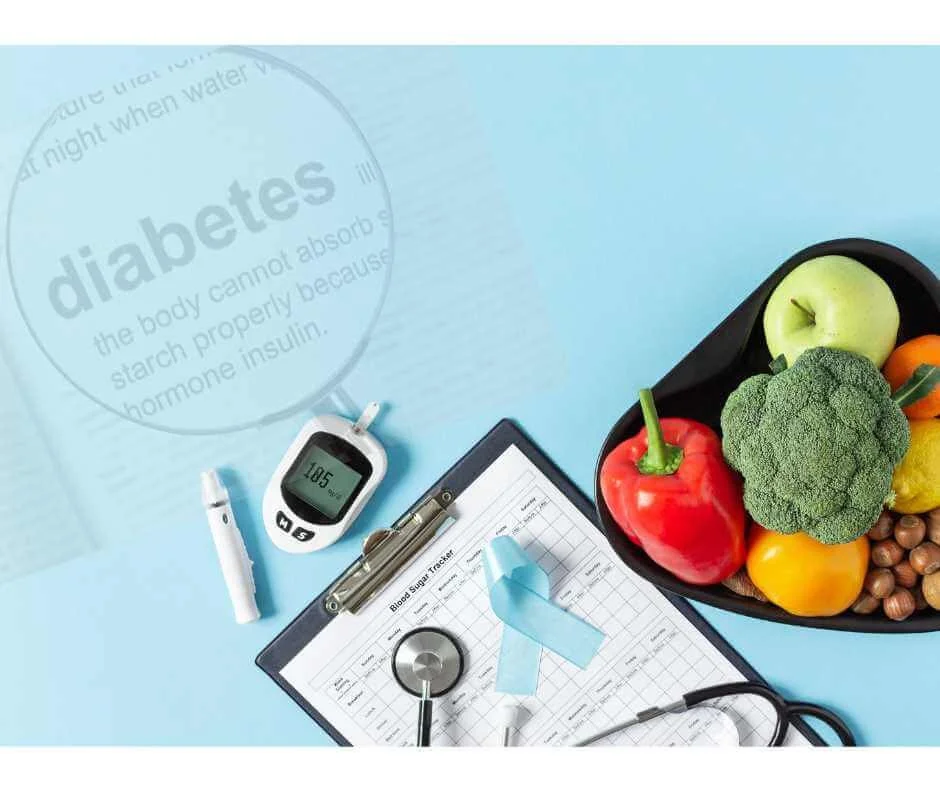
Type 2 diabetes is often described as a problem of high blood sugar, but this framing overlooks what is truly happening in the body. It is a progressive, systems-level metabolic disorder that develops gradually as insulin signaling, energy production, inflammatory balance, and hormonal regulation become increasingly dysregulated.
The condition emerges when cells become resistant to insulin and the pancreas can no longer produce enough insulin to maintain normal blood sugar levels. This process often begins years before diagnosis, with early insulin resistance and hyperinsulinemia driving progressive metabolic dysfunction.
Long before blood glucose levels reach diagnostic thresholds, the body is already under metabolic strain. Blood sugar may rise and fall unpredictably after meals, insulin output increases to compensate, and symptoms such as fatigue, cravings, weight gain, or brain fog may begin to appear. Because standard screening often focuses only on fasting glucose or long-term averages, these early warning signs are frequently missed, allowing dysfunction to progress quietly for years.
Understanding how diabetes develops is critical, because early intervention can dramatically alter long-term outcomes. When metabolic dysfunction is identified and addressed early, it is often possible to restore insulin sensitivity, improve energy regulation, and prevent many of the complications commonly associated with type 2 diabetes.
Over 38 million Americans currently live with diabetes, and an estimated 96 million adults have prediabetes. Alarmingly, more than 80 percent of those with prediabetes are unaware that metabolic dysfunction is already developing (1).
This article focuses specifically on type 2 diabetes, the most common form, and explains how it develops step by step, from early glucose dysregulation to insulin resistance and eventual pancreatic beta cell exhaustion. It also examines how lifestyle factors such as diet, physical inactivity, chronic stress, poor sleep, toxin exposure, and excess visceral fat interact to accelerate this process and drive long-term metabolic damage.
What Is Type 2 Diabetes? Causes and Basic Mechanisms
Diabetes mellitus is a chronic metabolic condition characterized by persistently elevated blood sugar levels due to impaired insulin production, impaired insulin action, or a combination of both. Insulin is a hormone produced by the pancreas that allows glucose to move from the bloodstream into cells, where it is used for energy. When this process becomes disrupted, glucose accumulates in the blood rather than being properly utilized by tissues.
Over time, chronically elevated blood sugar damages blood vessels, nerves, and organs throughout the body, significantly increasing the risk of cardiovascular disease, kidney disease, neuropathy, vision loss, and other systemic complications (1,2).
There are three primary forms of diabetes, each driven by distinct mechanisms.
Type 1 Diabetes: Autoimmune Destruction of Beta Cells
Type 1 diabetes results from autoimmune destruction of pancreatic beta cells, leading to little or no insulin production. Because insulin is essential for survival, individuals with type 1 diabetes require lifelong insulin therapy.
Type 2 Diabetes: Insulin Resistance and Progressive Beta Cell Dysfunction
Type 2 diabetes develops when cells become resistant to insulin’s effects and the pancreas gradually loses its ability to compensate by producing higher amounts of insulin. This form accounts for the vast majority of diabetes cases and typically develops over years of progressive metabolic dysfunction.
Unlike type 1 diabetes, type 2 diabetes is strongly influenced by lifestyle factors, environmental exposures, and visceral fat accumulation, although genetic susceptibility can modify risk.
Gestational Diabetes: Pregnancy-Induced Insulin Resistance
Gestational diabetes arises during pregnancy when hormonally driven insulin resistance exceeds the pancreas’s capacity to maintain normal glucose levels. While blood sugar often normalizes after delivery, gestational diabetes significantly increases the long-term risk of developing type 2 diabetes.
This article focuses specifically on type 2 diabetes, the most prevalent form, and examines how it develops gradually through identifiable metabolic stages long before a formal diagnosis is made.
→ Functional & Integrative Medicine
How Type 2 Diabetes Develops: Step-by-Step Pathophysiology
Type 2 diabetes does not appear suddenly. It develops gradually through a series of predictable metabolic stages, often over many years, before blood sugar levels remain consistently elevated. Understanding this progression is essential for early detection, prevention, and targeted intervention (3,4).
Stage 1: Early Blood Sugar Dysregulation Before Insulin Resistance
Before true insulin resistance develops, many individuals experience unstable blood sugar regulation marked by alternating spikes and crashes. This phase reflects early metabolic stress, even though standard lab values often remain within normal ranges (5).
Frequent high-carbohydrate meals, chronic psychological stress, and poor sleep drive repeated surges in blood glucose. In response, the pancreas releases insulin to move glucose into cells.
At this stage, insulin sensitivity remains relatively intact. Glucose enters cells efficiently, but insulin output often overshoots actual demand. Blood sugar may then drop too low after meals, triggering a compensatory release of glucose from the liver. The result is a repeating cycle of reactive hypoglycemia followed by rebound spikes.
Common Early Symptoms of Blood Sugar Dysregulation
Fatigue or irritability several hours after eating
Shakiness or anxiety
Intense cravings for sugar or refined carbohydrates
Brain fog or difficulty concentrating
Because average blood sugar may still appear normal, this stage is frequently missed by conventional screening methods.
Best Lab Tests for Early Detection
Fasting insulin
HOMA-IR score
Continuous glucose monitoring (CGM)
Post-meal glucose testing (1–2 hours after eating)
These markers often reveal dysfunction long before fasting glucose or hemoglobin A1c become abnormal.
Stage 2: Hyperinsulinemia and Chronic Insulin Overproduction
As blood sugar spikes become more frequent, the pancreas compensates by producing larger amounts of insulin to maintain normal glucose levels. This persistent compensatory response is known as hyperinsulinemia (6).
At this stage, blood sugar levels may still fall within conventional reference ranges. However, insulin levels remain chronically elevated beneath the surface. This pattern often goes undetected because routine screening rarely includes fasting insulin measurement.
Chronically high insulin is not benign. Insulin functions as a powerful anabolic and growth-promoting hormone. When persistently elevated, it drives widespread metabolic disruption.
Metabolic Effects of Hyperinsulinemia
Increased fat storage, particularly in visceral (abdominal) tissue
Suppressed fat breakdown (lipolysis)
Increased inflammatory signaling
Elevated triglyceride production
Disruption of normal sex hormone balance
Increased sympathetic nervous system activation
Over time, visceral fat accumulation accelerates, particularly around the abdomen. Adipose tissue acts as an active endocrine organ, releasing inflammatory cytokines that further impair insulin signaling and amplify systemic inflammation (7).
This creates a self-reinforcing feedback loop: higher insulin promotes more visceral fat, and visceral fat worsens insulin resistance, requiring even greater insulin output.
Stage 3: Insulin Resistance and Impaired Glucose Uptake
With ongoing exposure to chronically elevated insulin levels, cells begin to protect themselves by reducing the number and sensitivity of insulin receptors on their surfaces. This protective adaptation is known as insulin resistance (8).
As insulin signaling becomes less effective, glucose has increasing difficulty entering muscle and liver cells, where it would normally be used for energy or stored as glycogen. Instead, glucose remains circulating in the bloodstream for longer periods after meals.
What Happens During Insulin Resistance?
Reduced insulin receptor sensitivity
Impaired glucose uptake by skeletal muscle
Increased hepatic glucose production
Rising post-meal blood sugar levels
Persistently elevated fasting insulin
To compensate for declining cellular responsiveness, the pancreas produces even more insulin. This deepens the cycle of hyperinsulinemia and insulin resistance, increasing oxidative stress, mitochondrial strain, and inflammatory signaling.
Over time, postprandial (after-meal) glucose levels remain elevated for longer periods, and fasting insulin levels are often significantly above optimal—even when fasting glucose appears only mildly elevated. This stage represents a critical turning point in the progression toward type 2 diabetes.
Stage 4: Beta Cell Exhaustion and Onset of Type 2 Diabetes
Over time, pancreatic beta cells can no longer sustain the high levels of insulin production required to compensate for insulin resistance. As metabolic demand remains persistently elevated, beta cell function progressively declines, and insulin output becomes insufficient to maintain normal glucose regulation (9).
This phase marks the transition from compensated insulin resistance to overt type 2 diabetes.
As insulin production falters, blood glucose levels remain chronically elevated rather than fluctuating only after meals. Fasting glucose rises, hemoglobin A1c increases, and postprandial spikes become more pronounced.
What Happens When Beta Cells Begin to Fail?
Reduced insulin secretion
Rising fasting blood glucose
Elevated hemoglobin A1c
Worsening post-meal hyperglycemia
Increased glucotoxicity and lipotoxicity
Persistent hyperglycemia further damages pancreatic beta cells through oxidative stress and inflammatory signaling—a process sometimes referred to as glucotoxicity. This accelerates the decline in insulin-producing capacity and reinforces disease progression.
Importantly, formal diagnosis often occurs years after metabolic dysfunction has already caused vascular and neurological injury. By the time fasting glucose or hemoglobin A1c cross diagnostic thresholds, many individuals have already developed early cardiovascular disease, fatty liver changes, neuropathy, retinal changes, or other diabetes-related complications.
→ Advanced Functional Lab Testing
Complications of Type 2 Diabetes: Heart, Kidney, Nerve, Brain, and Cancer Risks
Chronic high blood sugar, also called hyperglycemia, does far more than raise glucose levels. It functions as a slow, systemic toxin, progressively damaging blood vessels, nerves, and organs throughout the body. Many diabetes-related complications begin developing years before type 2 diabetes is formally diagnosed (3,4).
Cardiovascular Disease and Heart Attack Risk in Type 2 Diabetes
Persistently elevated blood sugar damages the endothelium, the inner lining of blood vessels. This drives oxidative stress, inflammation, and plaque formation, accelerating atherosclerosis and significantly increasing cardiovascular risk.
How Type 2 Diabetes Damages the Heart and Blood Vessels
Increased oxidative stress within arterial walls
Chronic low-grade inflammation
Formation of unstable atherosclerotic plaques
Impaired nitric oxide production and endothelial dysfunction
Increased blood clotting tendency
As a result, individuals with insulin resistance and type 2 diabetes face substantially higher risk of:
Heart attack (myocardial infarction)
Stroke
Hypertension
Peripheral artery disease
Impaired wound healing
Why it matters: Cardiovascular disease is the leading cause of death in people with type 2 diabetes. Importantly, cardiovascular risk begins rising during insulin resistance and prediabetes—long before a formal diagnosis is made.
Diabetic Kidney Disease (Nephropathy) and Progressive Renal Damage
The kidneys filter waste products, excess fluid, and metabolic byproducts from the bloodstream. Chronic hyperglycemia places sustained mechanical and oxidative stress on the kidney’s filtration system, particularly the glomeruli—the microscopic structures responsible for filtering blood.
Over time, persistently elevated blood sugar damages these delicate filtering units and progressively impairs renal function.
How Type 2 Diabetes Damages the Kidneys
Glomerular hyperfiltration and increased intraglomerular pressure
Thickening of the glomerular basement membrane
Leakage of protein into the urine (microalbuminuria)
Progressive fibrosis and scarring
Declining glomerular filtration rate (GFR)
As filtration capacity decreases, waste products accumulate in the bloodstream, and fluid balance becomes increasingly difficult to regulate.
Why it matters: Diabetic nephropathy is a leading cause of chronic kidney disease and end-stage renal disease (ESRD). Without early detection and intervention, kidney damage can progress to the point of requiring dialysis or kidney transplantation. Diabetes remains the leading cause of kidney failure in the United States.
Diabetic Neuropathy: Nerve Damage and Loss of Sensation
Chronic hyperglycemia damages peripheral nerves through multiple mechanisms, including reduced blood flow, oxidative stress, and advanced glycation end-product (AGE) formation. Over time, this leads to progressive nerve fiber injury and impaired signal transmission.
Peripheral neuropathy most commonly affects the hands and feet, but autonomic nerves that regulate internal organs may also be involved.
How Type 2 Diabetes Damages Nerves
Reduced microvascular blood flow to nerve tissue
Glycation-related structural nerve damage
Increased oxidative stress and inflammation
Impaired mitochondrial energy production
Progressive loss of sensory nerve function
Common symptoms include:
Burning, tingling, or stabbing pain in the hands and feet
Numbness or loss of protective sensation
Increased risk of unnoticed injuries and foot ulcers
Delayed wound healing that may progress to infection or amputation
Why it matters: Diabetic neuropathy can also affect autonomic function, impairing digestion (gastroparesis), bladder control, and heart rhythm regulation. Neuropathy significantly increases the risk of falls, infection, and lower limb amputation.
Diabetic Retinopathy and Vision Loss
The small blood vessels of the retina are highly vulnerable to chronic hyperglycemia. Persistent elevations in blood sugar damage these microvessels, compromising oxygen delivery and structural integrity within the eye.
Over time, retinal damage progresses from subtle microvascular injury to more severe vision-threatening changes.
How Type 2 Diabetes Damages the Retina
Microvascular weakening and capillary leakage
Retinal swelling (macular edema) with blurred vision
Reduced oxygen supply to retinal tissue
Abnormal new vessel growth (neovascularization)
Increased risk of retinal hemorrhage and detachment
Why it matters: Diabetic retinopathy is a leading cause of preventable blindness in working-age adults. Type 2 diabetes also significantly increases the risk of cataracts and glaucoma, further compounding long-term vision loss.
Cognitive Decline, Insulin Resistance, and “Type 3 Diabetes”
The brain is highly sensitive to insulin and glucose signaling. Insulin plays a critical role in neuronal survival, synaptic plasticity, and memory formation. When insulin resistance develops within the brain, neuronal communication becomes impaired and energy metabolism declines.
Chronic hyperglycemia further compounds neurological injury through oxidative stress, inflammation, and vascular damage.
How Type 2 Diabetes Affects the Brain
Impaired neuronal insulin signaling
Reduced glucose utilization in brain tissue
Increased oxidative stress and mitochondrial dysfunction
Accelerated neuroinflammation
Microvascular injury affecting cerebral blood flow
These mechanisms contribute to cognitive decline and increase the risk of Alzheimer’s disease.
Why it matters: The overlap between insulin resistance, impaired brain glucose metabolism, and neurodegeneration has led some researchers to describe Alzheimer’s disease as “type 3 diabetes.” Metabolic dysfunction may begin affecting cognitive health years before memory symptoms appear.
Non-Alcoholic Fatty Liver Disease (NAFLD) and Insulin Resistance
Excess circulating glucose and chronically elevated insulin promote fat accumulation within liver cells. Over time, this leads to non-alcoholic fatty liver disease (NAFLD), a condition tightly linked to insulin resistance and metabolic syndrome.
The liver plays a central role in glucose regulation. When fatty infiltration progresses, hepatic insulin resistance worsens, further destabilizing blood sugar control.
How Type 2 Diabetes Damages the Liver
Increased de novo lipogenesis (fat production from sugar)
Accumulation of triglycerides within liver cells
Hepatic insulin resistance
Inflammatory signaling and oxidative stress
Progressive fibrosis and structural scarring
Disease progression typically follows a predictable pattern:
Simple fatty liver (steatosis)
Non-alcoholic steatohepatitis (NASH) with inflammation
Fibrosis and cirrhosis
Increased risk of liver failure or hepatocellular carcinoma
Why it matters: Fatty liver disease is now the most common cause of chronic liver disease in the United States and is strongly associated with insulin resistance, obesity, and type 2 diabetes.
Polycystic Ovary Syndrome (PCOS) and Insulin Resistance
In women, insulin resistance significantly disrupts hormonal regulation. Elevated insulin stimulates ovarian androgen production while simultaneously reducing sex hormone-binding globulin (SHBG), increasing circulating free testosterone.
These hormonal shifts interfere with normal ovulatory cycles and reproductive function.
How Insulin Resistance Contributes to PCOS
Increased ovarian androgen production
Irregular or absent menstrual cycles
Acne and excess hair growth (hirsutism)
Impaired ovulation and infertility
Increased visceral fat accumulation
Why it matters: Women with polycystic ovary syndrome have a significantly higher lifetime risk of developing type 2 diabetes. Insulin resistance is a central driver of both conditions, linking metabolic and reproductive dysfunction.
Diabetes and Cancer Risk: The Insulin and Hyperglycemia Connection
Chronic hyperglycemia combined with persistently elevated insulin creates a biological environment that favors abnormal cell growth and tumor progression. The association between type 2 diabetes and increased cancer risk is well documented and contributes to higher cancer incidence and mortality in individuals with metabolic dysfunction (5,6).
Rather than being purely a blood sugar disorder, type 2 diabetes alters growth signaling pathways, inflammatory balance, and hormonal regulation in ways that can promote carcinogenesis.
How Hyperinsulinemia Promotes Cancer
Insulin as a growth signal
Insulin functions not only as a metabolic hormone but also as a growth factor. Persistently elevated insulin activates proliferative pathways, including the insulin-like growth factor (IGF-1) signaling system, increasing cellular division and reducing programmed cell death. Over time, this increases mutation risk and tumor progression.
Chronic inflammation
Hyperglycemia and visceral adiposity generate inflammatory cytokines that promote oxidative stress, DNA damage, and a pro-tumor microenvironment. Chronic low-grade inflammation is a well-established driver of cancer initiation and progression.
Mitochondrial dysfunction and altered glucose metabolism
Cancer cells preferentially rely on glucose for fuel, a phenomenon known as the Warburg effect. Elevated blood sugar supplies continuous metabolic substrate for tumor growth while impaired mitochondrial function weakens normal cellular defense mechanisms.
Hormonal disruption
High insulin levels lower sex hormone-binding globulin (SHBG), increasing circulating free estrogen and testosterone. This hormonal imbalance is strongly associated with hormone-sensitive cancers such as breast and endometrial cancer.
Cancers Most Strongly Linked to Type 2 Diabetes
Colorectal cancer
Breast cancer
Pancreatic cancer
Liver cancer
These associations are strongest in the presence of insulin resistance, visceral adiposity, and chronic metabolic inflammation.
Clinical significance: The diabetes–cancer connection underscores that type 2 diabetes is a systemic metabolic disease affecting growth regulation and cellular signaling throughout the body. Strategies that reduce hyperinsulinemia through targeted nutrition, physical activity, sleep optimization, and stress regulation support both metabolic health and long-term cancer risk reduction.
What Causes Type 2 Diabetes? Lifestyle and Environmental Risk Factors
Type 2 diabetes is largely a lifestyle-driven metabolic disease, meaning daily inputs such as food, movement, sleep, stress, and environmental exposures strongly influence whether insulin resistance develops or progresses. The encouraging reality is that these same factors can be modified to slow, halt, or even reverse early metabolic dysfunction (7).
Poor Diet and Refined Carbohydrate Overload
The modern Western dietary pattern is one of the strongest drivers of insulin resistance and type 2 diabetes. Diets dominated by refined carbohydrates, added sugars, ultra-processed foods, and industrial seed oils create repeated glucose spikes and sustained insulin demand. Over time, this overwhelms normal metabolic regulation and accelerates insulin resistance (8).
Dietary factors that increase diabetes risk
Refined carbohydrates such as white bread, pasta, pastries, and cereals
Added sugars from sweetened beverages, desserts, and processed snacks
Ultra-processed foods containing preservatives and chemical additives
Industrial seed oils commonly used in packaged and restaurant foods
Beyond blood sugar effects, these patterns promote gut inflammation, oxidative stress, and micronutrient deficiencies that impair glucose metabolism.
Strategic focus: Emphasize a whole-food, low-glycemic dietary pattern built around high-quality protein, healthy fats, fiber-rich vegetables, and low-sugar fruits.
Sedentary Behavior and Muscle Insulin Resistance
Skeletal muscle plays a central role in glucose disposal. When movement is limited, insulin sensitivity declines and glucose remains in the bloodstream longer after meals. Even individuals who exercise briefly each day may experience metabolic impairment if most of the day is spent sitting (9).
How physical inactivity worsens insulin resistance
Reduced glucose uptake by skeletal muscle
Increased visceral fat accumulation
Prolonged post-meal blood sugar elevation
Reduced mitochondrial efficiency
Strategic focus: Incorporate daily movement, including walking after meals, resistance training several times per week, and frequent movement breaks during prolonged sitting.
Chronic Stress and Elevated Cortisol
Stress directly influences blood sugar regulation. Ongoing activation of the stress response elevates cortisol, which signals the liver to release glucose regardless of recent food intake. Over time, this drives persistent hyperglycemia and worsens insulin resistance (10).
How chronic stress increases diabetes risk
Elevated fasting and post-meal glucose
Increased abdominal fat storage
Sleep disruption and hormonal imbalance
Heightened inflammatory signaling
Strategic focus: Support nervous system regulation through mindfulness practices, breathwork, acupuncture, restorative movement, and identification of hidden physiological stressors.
Inadequate Sleep and Circadian Disruption
Sleep is a foundational regulator of metabolic health. Poor or insufficient sleep disrupts hunger hormones, stress signaling, and glucose regulation, making blood sugar control significantly more difficult (11).
Metabolic effects of sleep deprivation
Increased hunger and cravings
Reduced satiety signaling
Elevated nighttime cortisol
Impaired insulin sensitivity
Strategic focus: Prioritize consistent sleep timing, reduce evening light exposure, and maintain a calm pre-sleep routine.
Environmental Toxins and Endocrine Disruption
Environmental toxins, particularly endocrine-disrupting chemicals, interfere with insulin signaling, hormone balance, and mitochondrial function. These exposures contribute to inflammation, weight gain, and metabolic dysfunction—even in individuals with otherwise healthy lifestyles (12).
Common metabolic-disrupting exposures
Plastics and food packaging
Agricultural chemicals
Industrial pollutants and heavy metals
Strategic focus: Choose organic foods when possible, filter drinking water, minimize plastic exposure, and select non-toxic personal care products.
Visceral Fat and Metabolic Inflammation
Visceral fat is metabolically active tissue that secretes inflammatory cytokines and hormones that directly worsen insulin resistance. Its presence strongly predicts progression toward type 2 diabetes and related complications (13).
Why abdominal fat increases diabetes risk
Systemic inflammation
Worsening insulin resistance
Elevated triglycerides
Increased cardiovascular and fatty liver risk
Strategic focus: Focus on reducing waist circumference through targeted nutrition, strength training, stress regulation, and sleep optimization rather than scale weight alone.
→ Weight Loss & Metabolic Health
Early Warning Signs of Insulin Resistance and Prediabetes
Insulin resistance often develops silently, but it rarely develops without detectable clues. Long before fasting glucose or hemoglobin A1c become abnormal, early metabolic changes can be identified through symptoms, body composition shifts, and targeted laboratory testing (1,2).
While the previous section explains how insulin resistance develops biologically, this section focuses on how early dysfunction presents clinically.
Elevated Fasting Insulin
Fasting glucose may remain normal for years while fasting insulin steadily rises. Elevated fasting insulin is often the earliest measurable indicator of metabolic strain and typically precedes overt hyperglycemia (1,2).
Increasing Waist Circumference
Gradual abdominal weight gain — even without major scale changes — is one of the strongest early markers of worsening insulin sensitivity (4).
Persistent Sugar Cravings
Frequent cravings for carbohydrates, especially between meals, may reflect unstable glucose regulation and compensatory insulin fluctuations (5,6).
Fatigue or Brain Fog After Meals
Feeling sleepy or mentally foggy within a few hours of eating often indicates exaggerated insulin responses and impaired glucose stability (7,8).
Acanthosis Nigricans
Darkened, velvety patches of skin are a visible marker of chronically elevated insulin levels (1,2).
Elevated Triglycerides
A lipid panel showing high triglycerides — especially with low HDL — is a common biochemical sign of insulin resistance (3,4).
How to Prevent Type 2 Diabetes Naturally
The development of type 2 diabetes is not inevitable. With targeted lifestyle changes, many individuals can reverse early insulin resistance and prevent progression to diabetes altogether (14).
Eat a Whole-Food, Low-Glycemic Diet
Prioritize vegetables, high-quality protein, healthy fats, and fiber while avoiding refined carbohydrates, added sugars, industrial seed oils, and ultra-processed foods. Whole-food dietary patterns improve insulin sensitivity, reduce inflammation, and support metabolic flexibility (15).
Including cruciferous vegetables and antioxidant-rich berries further supports liver detoxification and mitochondrial function.
Move Regularly—Especially After Meals
Regular movement improves glucose uptake by skeletal muscle and reduces post-meal blood sugar spikes. Walking after meals and incorporating resistance training to build lean muscle are particularly effective for improving insulin sensitivity (16).
Prioritize Sleep and Circadian Regulation
Consistent, adequate sleep supports glucose regulation and hormonal balance. Poor sleep disrupts appetite signaling, elevates cortisol, and worsens insulin resistance over time (17).
Maintain consistent bedtimes and create a cool, dark, quiet sleep environment.
Manage Chronic Stress
Chronic stress elevates cortisol, driving persistent blood sugar elevation and worsening insulin resistance. Meditation, acupuncture, breathwork, and addressing unresolved physiological or psychological stressors can significantly improve metabolic resilience (18).
Consider Intermittent Fasting
Allowing longer breaks between meals and shortening the daily eating window may improve insulin sensitivity, reduce insulin demand, and enhance mitochondrial efficiency in appropriate individuals (19).
Reduce Environmental Toxin Exposure
Limiting exposure to endocrine-disrupting chemicals supports insulin signaling and metabolic health. Choosing organic foods, filtering drinking water, minimizing plastic use, and selecting non-toxic personal care products can meaningfully reduce toxic burden (20).
Why Type 2 Diabetes Is Preventable in Many Cases
Type 2 diabetes does not develop suddenly. It emerges from years of cumulative metabolic stress driven by insulin resistance, chronic inflammation, visceral fat accumulation, poor sleep, psychological stress, and environmental exposures.
Because this progression unfolds gradually, it creates a meaningful window for intervention. When insulin resistance is identified early and addressed systematically, metabolic dysfunction can often be slowed, halted, or reversed before irreversible complications develop.
Prevention is not about perfection. It is about restoring insulin sensitivity, reducing chronic metabolic strain, and supporting the body’s capacity to regulate glucose effectively over time.
Personalized Support for Insulin Resistance and Metabolic Health
Reversing insulin resistance requires more than surface-level advice. It often involves identifying hidden drivers of metabolic dysfunction, using targeted laboratory assessment, and implementing sustainable lifestyle strategies tailored to the individual.
At Denver Sports & Holistic Medicine, care is structured around root-cause evaluation, advanced metabolic testing, and systems-based interventions designed to restore insulin sensitivity and long-term metabolic resilience.
You may request a free 15-minute consultation with Dr. Martina Sturm to review your health concerns and outline appropriate next steps within a root-cause, systems-based framework.
Frequently Asked Questions About Type 2 Diabetes
What are the earliest signs of type 2 diabetes?
Early signs often appear years before diagnosis and may include persistent fatigue, increased thirst, frequent urination, blurred vision, and slow wound healing. Many people also experience post-meal crashes, sugar cravings, abdominal weight gain, and elevated fasting insulin long before fasting glucose becomes abnormal.
Can type 2 diabetes be reversed naturally?
In many cases, yes. Type 2 diabetes and prediabetes can often be reversed or placed into remission by improving insulin sensitivity through targeted lifestyle changes. These include a whole-food, low-glycemic diet, resistance training, weight reduction (especially visceral fat), improved sleep, stress regulation, and reduction of chronic inflammation.
How long does insulin resistance take to turn into type 2 diabetes?
The progression from insulin resistance to type 2 diabetes can take years or even decades. During this time, the pancreas compensates by producing increasing amounts of insulin. Blood sugar may appear normal for years while metabolic dysfunction gradually worsens beneath the surface.
What is the difference between insulin resistance and type 2 diabetes?
Insulin resistance occurs when cells respond poorly to insulin, requiring higher insulin levels to maintain normal blood sugar. Type 2 diabetes develops when the pancreas can no longer produce enough insulin to compensate, resulting in chronically elevated glucose levels.
How does stress affect blood sugar levels?
Stress raises cortisol, a hormone that signals the liver to release glucose into the bloodstream. Chronic stress keeps cortisol elevated, leading to persistent blood sugar elevation, increased abdominal fat, and worsening insulin resistance.
What foods increase the risk of type 2 diabetes?
Diets high in refined carbohydrates, added sugars, ultra-processed foods, and industrial seed oils significantly increase insulin demand and promote insulin resistance. Frequent consumption of sugary beverages and processed snacks is strongly associated with increased diabetes risk.
Can poor sleep cause type 2 diabetes?
Yes. Inadequate or disrupted sleep impairs insulin sensitivity, increases hunger hormones, elevates nighttime cortisol, and worsens blood sugar control. Chronic sleep deprivation significantly increases the risk of developing insulin resistance and type 2 diabetes.
Which lab tests detect insulin resistance early?
Early detection often requires more than fasting glucose. Useful markers include fasting insulin, HOMA-IR calculations, hemoglobin A1c, triglyceride-to-HDL ratio, high-sensitivity C-reactive protein (hs-CRP), and continuous glucose monitoring to evaluate post-meal glucose patterns.
Is type 2 diabetes genetic or lifestyle-related?
Genetics can increase susceptibility, but lifestyle factors such as diet, physical activity, sleep, stress, and environmental exposures play a dominant role. Daily metabolic inputs largely determine whether insulin resistance progresses to type 2 diabetes.
Does type 2 diabetes increase cancer risk?
Yes. Chronic hyperinsulinemia and systemic inflammation create a biological environment that promotes abnormal cell growth. Type 2 diabetes is most strongly associated with colorectal, breast, pancreatic, and liver cancers.
Still Have Questions?
If the topics above reflect ongoing symptoms or unanswered concerns, a brief conversation can help clarify whether a root-cause approach is appropriate.
Resources
The Lancet – Pathogenesis of type 2 diabetes mellitus
Cell – Mechanisms for insulin resistance: common threads and missing links
The New England Journal of Medicine – Association of glycaemia with macrovascular and microvascular complications of type 2 diabetes
Nature – The pathobiology of diabetic complications: a unifying mechanism
CA: A Cancer Journal for Clinicians – Diabetes and cancer: a consensus report
The Lancet Oncology – Diabetes and cancer
The New England Journal of Medicine – Reduction in the incidence of type 2 diabetes with lifestyle intervention or metformin
The New England Journal of Medicine – Prevention of type 2 diabetes mellitus by changes in lifestyle among subjects with impaired glucose tolerance
Nutrients – Global impacts of Western diet and its effects on metabolism and health
Scientific Reports – Dietary carbohydrate and the risk of type 2 diabetes
Endocrine Reviews – Westernization, insulin and IGF-1 signaling, and metabolic syndrome
Johns Hopkins Medicine – The evidence behind seed oils health effects
Physiological Reviews – Role of skeletal muscle in insulin resistance and glucose uptake
Diabetes Care – Positive effects of physical activity on insulin signaling
Diabetologia – Breaking up prolonged sitting reduces postprandial glucose and insulin responses
Psychoneuroendocrinology – Stress, cortisol, and appetite-related hormones
Diabetes Care – Stress and diabetes: review of mechanistic links
Nature Reviews Endocrinology – Insufficient sleep, circadian misalignment, and metabolic disease
Current Sleep Medicine Reports – Relationships among sleep, nutrition, and obesity
Environmental Health Perspectives – Endocrine-disrupting chemicals and insulin resistance
Physiological Reviews – Biochemistry of adipose tissue as an endocrine organ