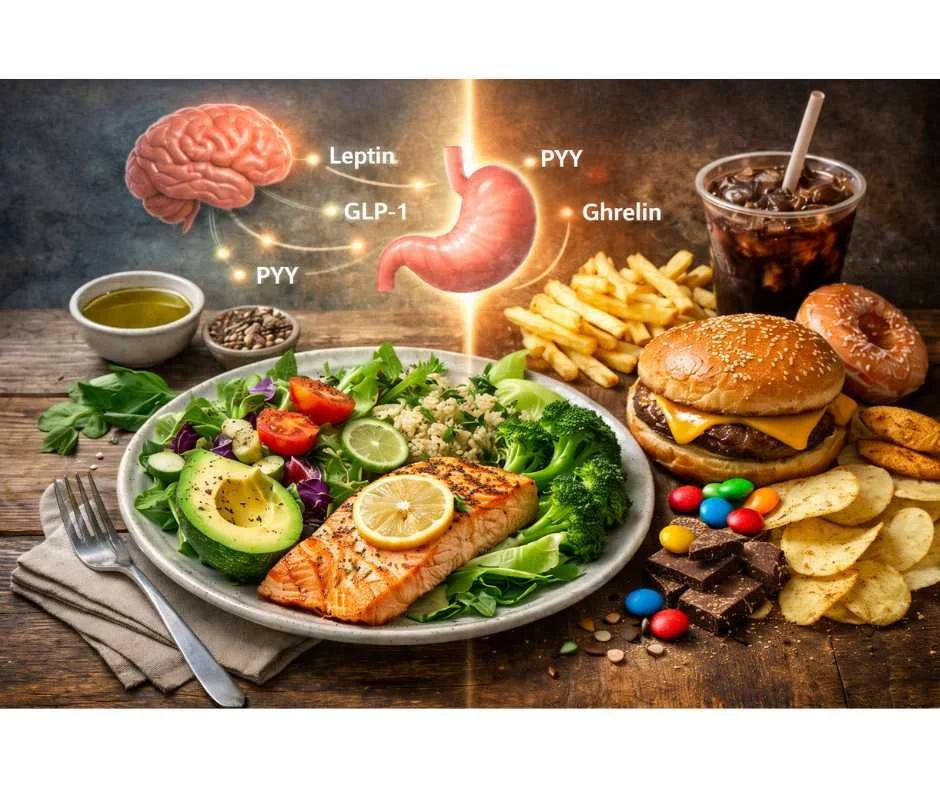
Food quality—not calorie counting—determines how hormones, metabolism, and appetite regulate weight loss. Nutrient-dense foods support sustainable fat loss without restriction.
Read More

Food quality—not calorie counting—determines how hormones, metabolism, and appetite regulate weight loss. Nutrient-dense foods support sustainable fat loss without restriction.
Read MoreA clinical guide to intermittent fasting for women, explaining how fasting affects cortisol, ovulation, progesterone, and the menstrual cycle—and how to time fasting without disrupting hormone balance.
Read MoreType 2 diabetes develops gradually through insulin resistance and progressive beta cell dysfunction. Explore early warning signs, root causes, complications, and prevention strategies that support long-term metabolic health.
Read MoreA functional medicine overview of bioidentical hormone replacement therapy (BHRT) for perimenopause and menopause, including hormone physiology, safety considerations, delivery methods, and individualized care.
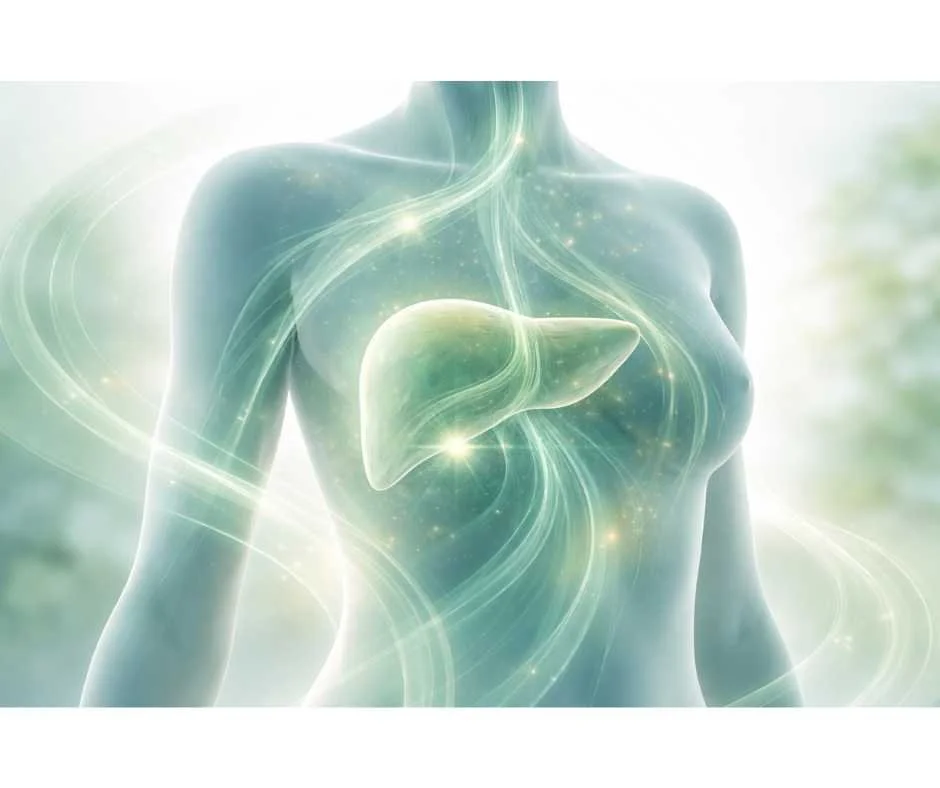
Read MoreDetoxification is not a cleanse—it is a structured, three-phase physiological process. This guide explains how the liver processes toxins, why elimination matters, and how to detox safely without triggering symptoms.
Read MoreNon-alcoholic fatty liver disease is a metabolic condition driven by insulin resistance and inflammation. Learn how NAFLD develops, how it’s diagnosed, and which strategies support liver recovery.
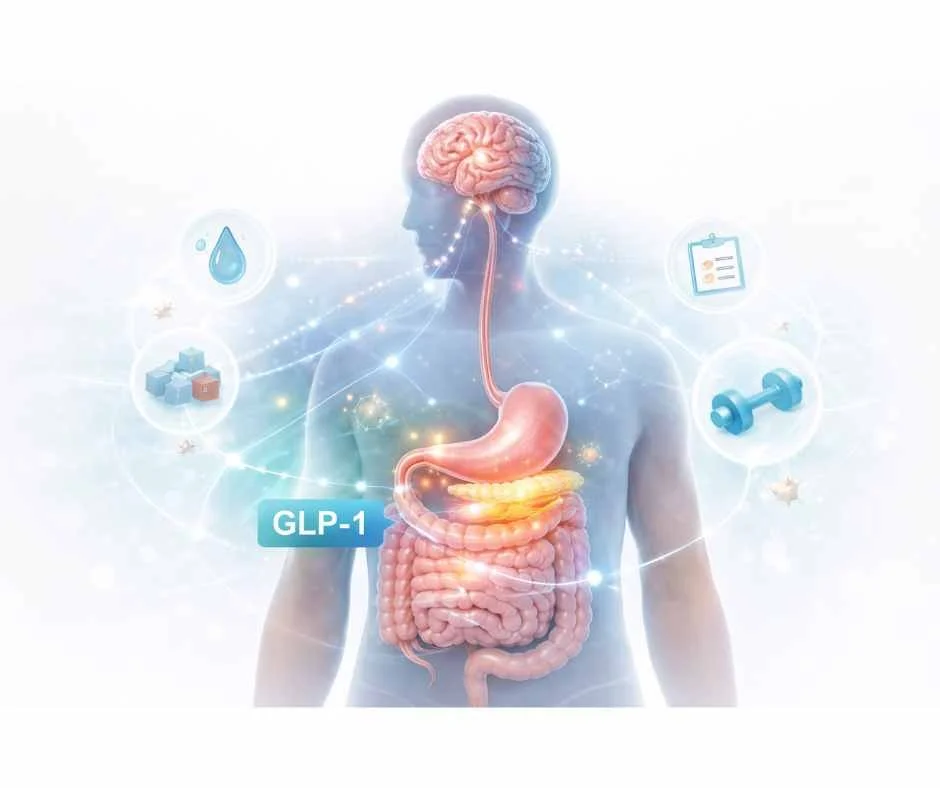
Read MoreOzempic and other GLP-1 medications can support weight loss and blood sugar control—but they don’t address the root causes of metabolic dysfunction. This article explores how GLP-1 agonists work, their potential benefits and risks, and what’s required for sustainable, long-term metabolic health.
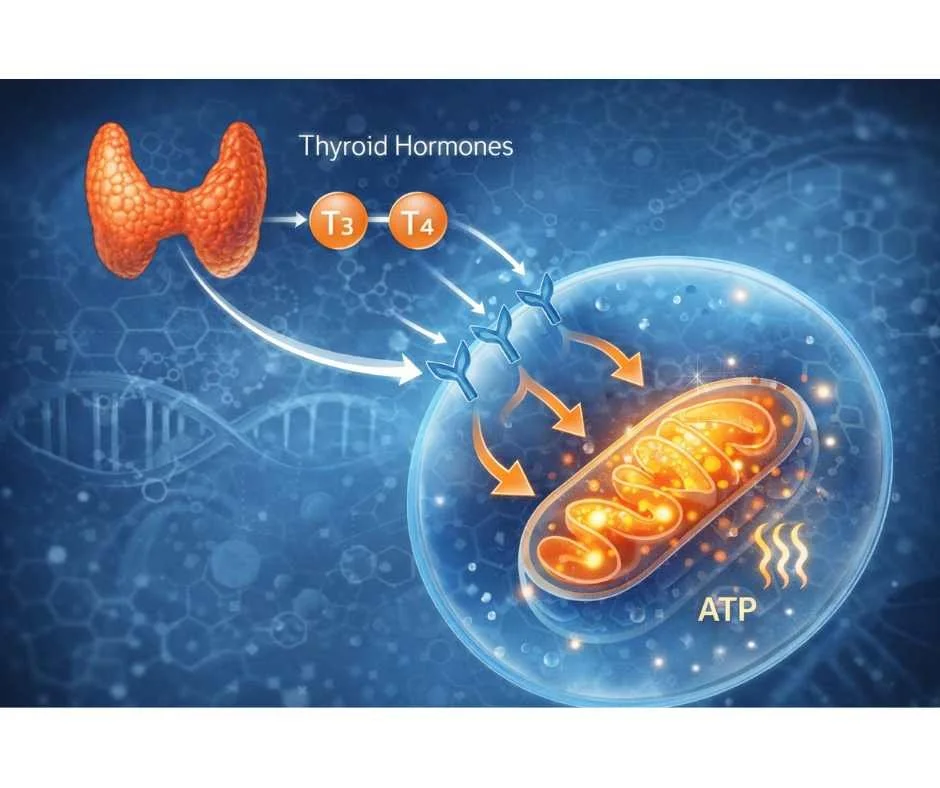
Read MoreWeight loss resistance is one of the most frustrating—and misunderstood—effects of hypothyroidism. This article explains how thyroid signaling alters metabolism, energy conservation, stress hormones, and fat oxidation, making traditional diet and exercise strategies ineffective despite consistent effort.
Read MoreIntermittent fasting supports weight loss, insulin sensitivity, metabolic flexibility, and healthy aging by shifting how the body accesses stored energy. Key benefits, safety considerations, and when a root-cause approach is necessary are outlined.
Read MoreIntermittent fasting can improve insulin sensitivity and fat loss when applied appropriately—but it can also increase stress, cravings, and hormonal disruption when mismatched to your physiology. This guide explains who benefits, when fasting backfires, and how to implement it safely.
Read More