Metabolic dysfunction shapes breast cancer risk through insulin resistance, inflammation, estrogen metabolism, and adipose tissue signaling within breast tissue.
Read More

Metabolic dysfunction shapes breast cancer risk through insulin resistance, inflammation, estrogen metabolism, and adipose tissue signaling within breast tissue.
Read MoreType 2 diabetes develops gradually through insulin resistance and progressive beta cell dysfunction. Explore early warning signs, root causes, complications, and prevention strategies that support long-term metabolic health.
Read MoreCancer progression is strongly influenced by metabolic dysfunction. Insulin resistance, chronic inflammation, and mitochondrial impairment shape tumor biology and long-term cancer risk.
Read MoreEven organic and whole foods can contain microplastics and heavy metals. Learn which foods are highest risk and how to reduce cumulative toxic exposure.
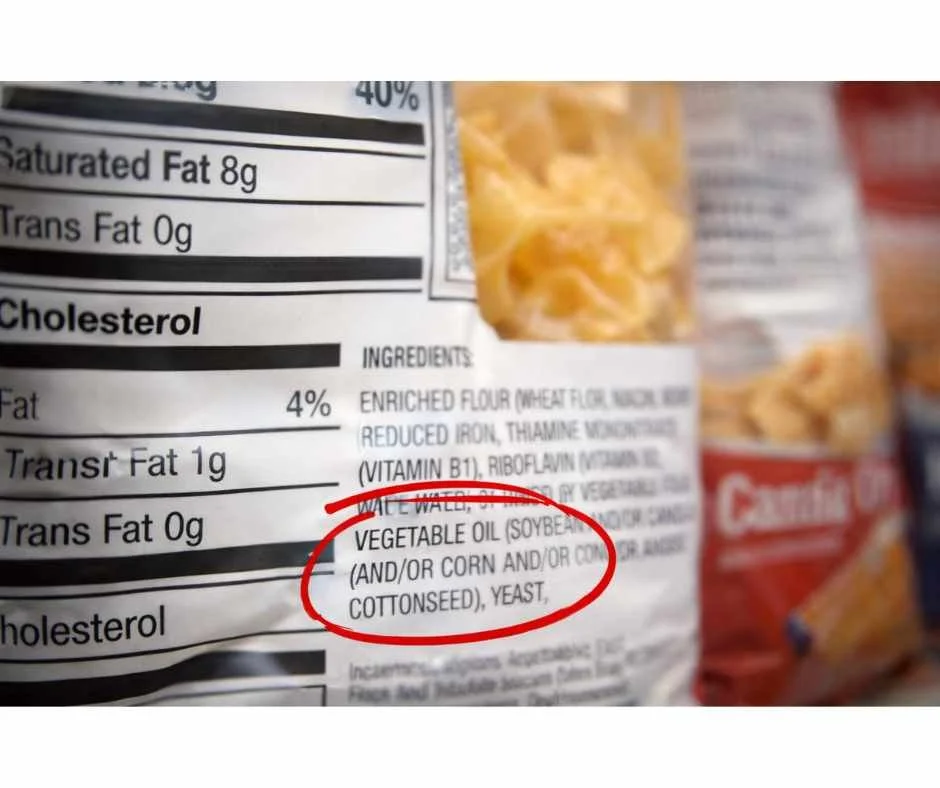
Read MoreSeed oils are now a dominant source of dietary fat in modern diets, primarily consumed through ultra-processed foods and restaurant meals. As colorectal cancer rates rise—especially among younger adults—this article examines how seed oils, inflammation, gut health, and dietary patterns may influence long-term colon cancer risk within a prevention-focused framework.
Read MoreIodine plays a critical yet often overlooked role in breast health. This article explores how iodine supports estrogen balance, protects breast tissue, reduces fibrocystic breast changes, and may influence long-term breast cancer risk—while examining iodine deficiency, halide toxicity, dosing considerations, and clinical testing through a functional medicine lens.
Read MoreIntegrative breast cancer care takes a whole-systems approach to recovery, addressing metabolism, hormone balance, immune resilience, detoxification, and nervous system regulation to support long-term physiological stability after diagnosis and treatment.
Read More