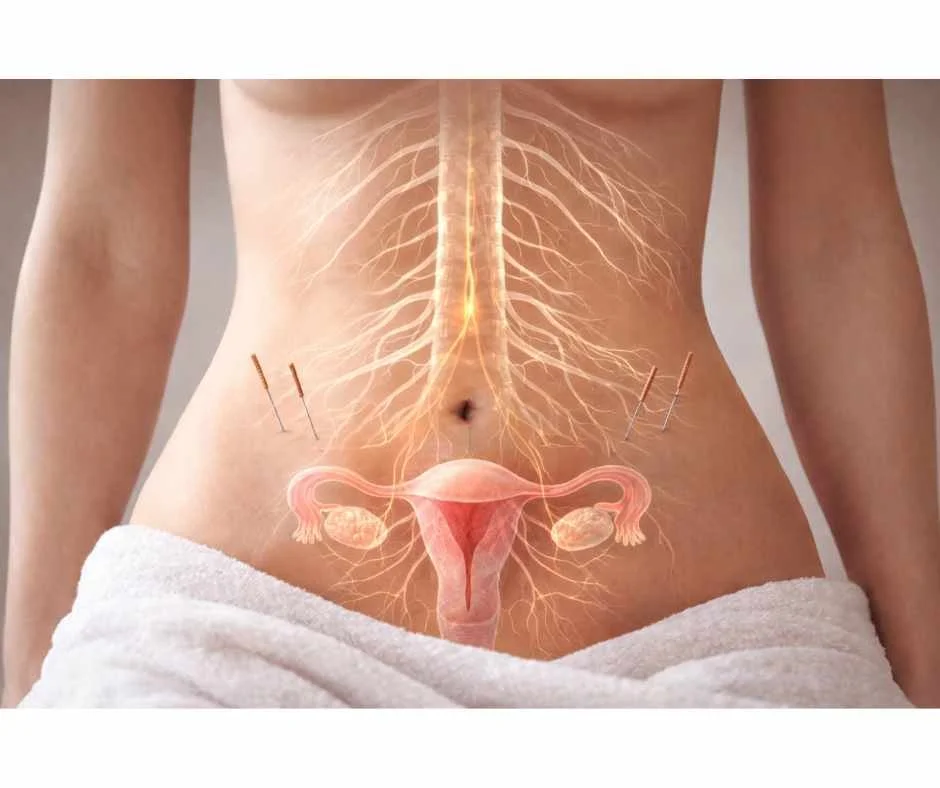
Hormonal birth control is often prescribed as a simple solution for PMS, irregular cycles, acne, or contraception. What is rarely explained is how these medications — including hormonal IUDs — suppress ovulation, alter hormone signaling, and affect the body far beyond the reproductive system. This article breaks down what hormonal birth control actually does, why symptoms may improve temporarily but return later, and how a root-cause approach supports long-term hormonal health.
Read MoreIodine plays a critical yet often overlooked role in breast health. This article explores how iodine supports estrogen balance, protects breast tissue, reduces fibrocystic breast changes, and may influence long-term breast cancer risk—while examining iodine deficiency, halide toxicity, dosing considerations, and clinical testing through a functional medicine lens.
Read MoreHashimoto’s disease is not simply a thyroid problem—it is a progressive autoimmune condition shaped by immune dysfunction, gut health, environmental exposures, and stress physiology. This guide explains why symptoms often appear long before thyroid labs change and how a root-cause, systems-based approach reframes long-term care.

Read MoreEstrogen dominance is a functional hormone imbalance that can occur even when lab results appear “normal.” It reflects a loss of balance between estrogen, progesterone, and the body’s ability to metabolize and eliminate estrogen effectively. When this regulation breaks down, symptoms such as heavy periods, PMS, anxiety, sleep disruption, and weight changes often intensify rather than resolve on their own.
Read MoreEndometriosis is more than a gynecologic diagnosis. This article explores how immune dysregulation, inflammation, and tissue-level hormone signaling contribute to endometriosis—and why addressing root drivers matters for lasting improvement.
Read MorePersistent PMS symptoms are not random or “just part of being female.” When bloating, mood changes, fatigue, or pelvic discomfort intensify before menstruation, they reflect how ovulation, hormones, stress physiology, metabolism, and nervous system regulation are interacting. This article explores what PMS and PMDD symptoms reveal about underlying imbalance—and how a root-cause, systems-based approach supports more stable, predictable cycles.
Read More