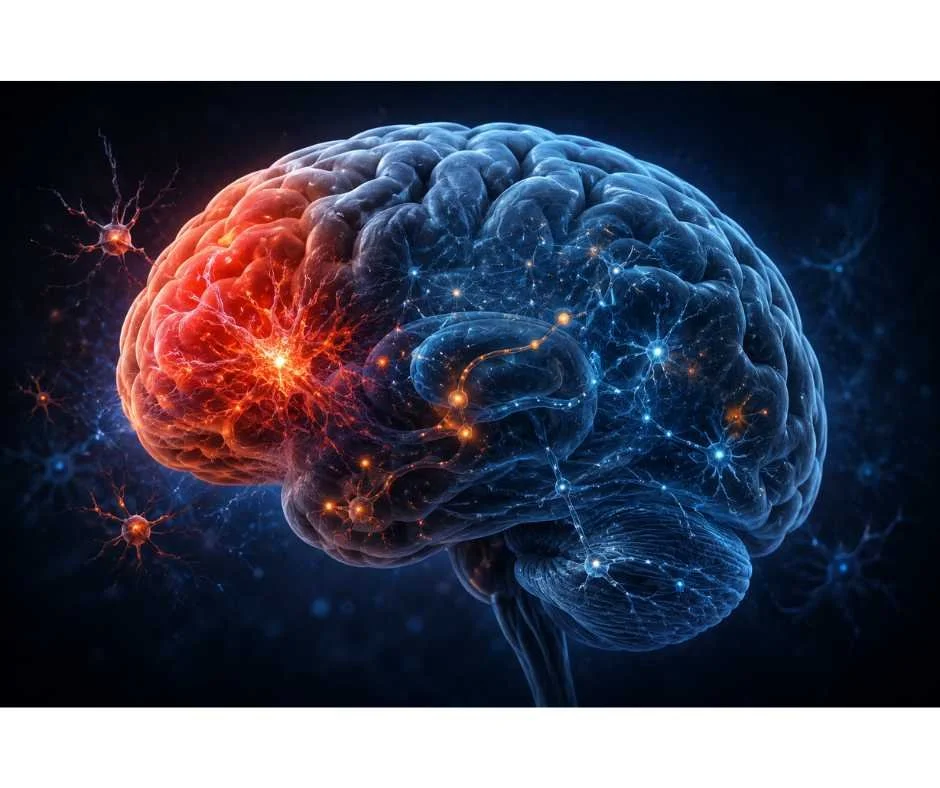
Neuroinflammation may influence ADHD symptoms by disrupting dopamine signaling, executive function, brain energy production, and nervous system regulation. This article examines the connections between brain inflammation, oxidative stress, gut-brain signaling, cognitive fatigue, and executive dysfunction in ADHD.
Read More