

The Hidden Effects of Alcohol on Whole-Body Health: A Functional Medicine Perspective
How alcohol affects detoxification, nutrient status, gut integrity, sleep physiology, and nervous system regulation—often long before disease appears
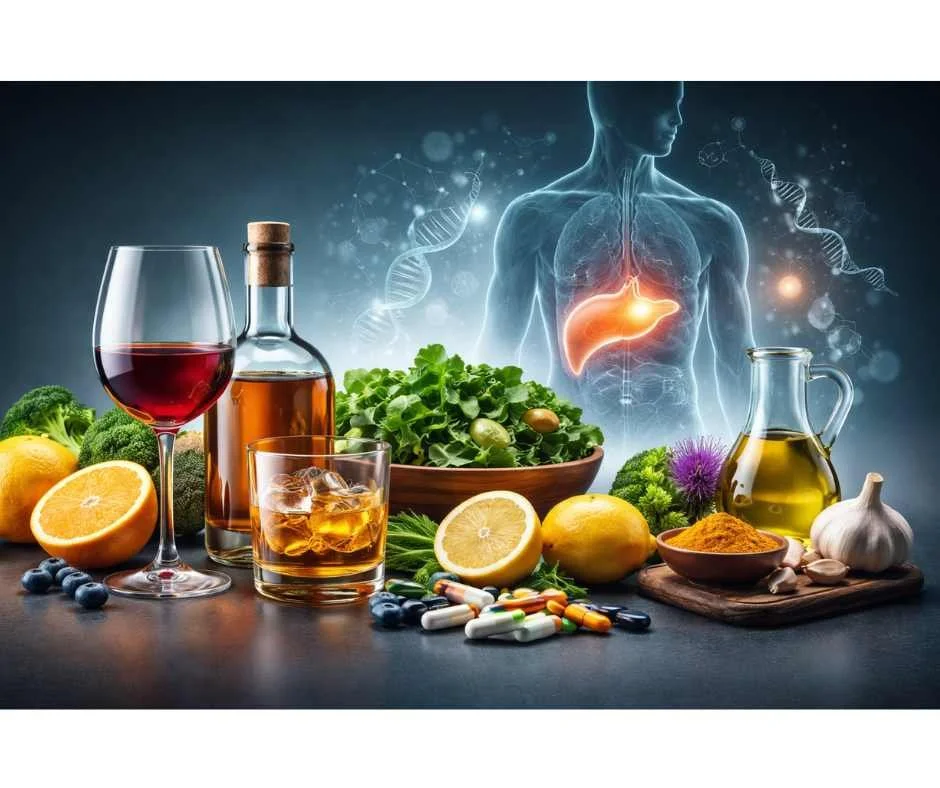
Alcohol is deeply normalized in modern culture. It is used to relax, socialize, celebrate, cope with stress, and even self-treat symptoms like anxiety or poor sleep. For many people, alcohol consumption feels benign—especially when intake is framed as “moderate.”
From a functional medicine perspective, however, alcohol is not a neutral substance. It is a systemic toxin that affects nearly every organ system, often long before conventional markers of disease appear.
Understanding how alcohol interacts with metabolism, the nervous system, detoxification pathways, nutrient status, gut integrity, and sleep physiology helps explain why some individuals tolerate alcohol poorly—and why others develop symptoms that seem unrelated on the surface.
In this article, we explore:
How alcohol is metabolized and why it is treated as a toxin by the body
The systemic effects of alcohol on metabolism, detoxification, and oxidative balance
How alcohol disrupts gut integrity, nutrient status, and immune regulation
Why alcohol affects brain function, mood, and sleep through the gut–brain and nervous system pathways
When alcohol-related physiological stress warrants a deeper, systems-based evaluation
This article provides a whole-body framework for understanding alcohol’s effects on health and links to more detailed discussions on specific systems, including gut health, nutrient depletion, and sleep disruption.
How Alcohol Affects the Body: What Really Happens After You Drink
Alcohol is not a nutrient. It provides no essential biological function and must be detoxified immediately after ingestion.
How the Liver Processes Ethanol
Once consumed, ethanol is rapidly metabolized in the liver through alcohol dehydrogenase (ADH) into acetaldehyde, a highly reactive and toxic compound (1). Acetaldehyde is then further metabolized by aldehyde dehydrogenase (ALDH) into acetate, which can be eliminated.
Why Acetaldehyde Is More Toxic Than Alcohol Itself
Acetaldehyde is far more damaging than ethanol itself. It increases oxidative stress, impairs DNA repair, disrupts mitochondrial function, promotes inflammation, and interferes with cellular signaling (2). Even low-to-moderate alcohol intake can generate measurable oxidative and inflammatory effects depending on an individual’s detoxification capacity.
Why Alcohol Is Treated as a Toxin, Not a Nutrient
This is why alcohol cannot be evaluated solely by quantity. Individual metabolic capacity, genetic variability, and detoxification efficiency determine physiological impact more than standardized intake thresholds.
Why Some People Feel Worse From Alcohol Than Others
Two individuals can consume the same amount of alcohol and experience markedly different physiological effects. From a functional medicine perspective, this variability is expected. Alcohol tolerance and downstream impact are determined less by intake quantity and more by underlying biological capacity across several interconnected systems.
Genetics and Alcohol Metabolism (ADH and ALDH)
Alcohol metabolism relies primarily on the enzymes alcohol dehydrogenase (ADH) and aldehyde dehydrogenase (ALDH). Genetic polymorphisms in these enzymes significantly influence how efficiently ethanol and its toxic intermediate, acetaldehyde, are processed.
Individuals with reduced ALDH activity accumulate higher levels of acetaldehyde for longer periods, increasing oxidative stress, inflammatory signaling, and cellular damage even at lower levels of alcohol exposure (3). This variability helps explain why some people experience pronounced symptoms—such as flushing, headaches, anxiety, or fatigue—despite consuming amounts considered “moderate” by population standards.
Nutrient Status and Detox Capacity
Alcohol places a substantial burden on nutrient-dependent detoxification pathways. Its metabolism increases demand for B vitamins (particularly B1, B6, B9, and B12), magnesium, zinc, antioxidants, and methylation substrates required for glutathione synthesis and cellular repair.
Individuals with pre-existing nutrient deficiencies, impaired methylation capacity, or higher baseline oxidative stress have reduced physiological buffering capacity. As a result, alcohol exposure more readily translates into fatigue, mood changes, poor sleep, impaired detoxification, and inflammatory symptoms (4).
Importantly, these deficiencies are often subclinical and may not be detected through routine laboratory testing.
Gut Health and Total Toxic Burden
The gastrointestinal tract plays a central role in alcohol tolerance. Gut permeability, microbiome composition, bile flow, and intestinal immune signaling all influence how alcohol and its byproducts are processed.
When gut barrier integrity is compromised, inflammatory compounds and endotoxins gain access to circulation, increasing hepatic and systemic inflammatory burden. In this context, alcohol adds to an already elevated toxic load, amplifying its effects on metabolism, immune regulation, and the nervous system (5).
This helps explain why individuals with underlying gut dysfunction or higher cumulative environmental toxin exposure often tolerate alcohol poorly, even at low doses.
Stress Physiology and Nervous System Regulation
Alcohol tolerance is also shaped by the state of the nervous system and stress response. Chronic psychological stress, poor sleep quality, circadian disruption, and autonomic imbalance impair detoxification efficiency and increase inflammatory tone.
Under these conditions, alcohol metabolism becomes less efficient, while its neurochemical effects on GABA, glutamate, and stress hormones are amplified. This not only worsens symptoms such as anxiety, sleep disruption, and mood instability, but can also increase reliance on alcohol as a short-term coping mechanism—further compounding physiological stress.
Clinical Takeaway
Alcohol-related effects are not uniform because human physiology is not uniform. Genetic factors, nutrient reserves, gut integrity, toxic burden, and nervous system regulation collectively determine how alcohol is processed and tolerated. Understanding these variables is essential for explaining why symptoms can arise at vastly different thresholds and why standardized definitions of “moderate” intake fail to capture individual risk.
Alcohol and Nutrient Depletion
One of alcohol’s most clinically significant systemic effects is progressive nutrient depletion across multiple physiological pathways.
Alcohol interferes with nutrient absorption at the intestinal level, disrupts hepatic storage and activation of vitamins, increases urinary excretion of key minerals, and accelerates antioxidant depletion through oxidative stress (6). Over time, this creates biochemical vulnerabilities that impair energy production, neurological function, immune regulation, and detoxification capacity.
Commonly affected nutrients include—but are not limited to—magnesium, B vitamins, fat-soluble vitamins, selenium, vitamin C, and glutathione precursors.
Alcohol, the Gut, and Immune Dysregulation
Alcohol exerts direct toxic effects on the gastrointestinal lining and disrupts the balance of the gut microbiome. Even short-term alcohol exposure can increase intestinal permeability, allowing bacterial endotoxins such as lipopolysaccharides (LPS) to enter systemic circulation (7).
This process—commonly referred to as endotoxemia—activates immune signaling pathways, increases systemic inflammation, and places additional strain on detoxification systems. Over time, alcohol-induced gut dysfunction contributes to patterns of reflux, irritable bowel symptoms, inflammatory bowel presentations, food sensitivities, and chronic immune dysregulation.
Compounding this effect, alcohol-related gut damage impairs nutrient absorption, further exacerbating deficiencies and increasing metabolic and inflammatory stress across multiple systems.
Alcohol and Brain & Nervous System Function
Alcohol exerts powerful and immediate effects on the central and autonomic nervous systems by altering neurotransmitter signaling, stress physiology, and neuronal energy metabolism.
Neurotransmitter Imbalance and Rebound Effects
Alcohol initially enhances gamma-aminobutyric acid (GABA) signaling while suppressing glutamate activity. This shift produces short-term sedation, reduced anxiety, and a sense of relaxation. However, as alcohol is metabolized and blood levels decline, this balance reverses.
The nervous system responds with:
Increased glutamate activity
Reduced GABA tone
Heightened sympathetic nervous system activation
Clinically, this rebound effect manifests as anxiety, restlessness, irritability, fragmented sleep, and early-morning awakenings—even in individuals who do not experience overt intoxication (8).
Stress Hormones and Autonomic Dysregulation
Repeated alcohol exposure disrupts hypothalamic–pituitary–adrenal (HPA) axis signaling and alters cortisol rhythms. At the same time, alcohol shifts autonomic balance toward sympathetic dominance while impairing parasympathetic regulation.
Over time, this contributes to:
Heightened stress reactivity
Reduced stress tolerance
Difficulty transitioning into restorative sleep
Persistent feelings of being “wired but tired”
These nervous system changes help explain why alcohol can worsen anxiety and sleep quality despite being perceived as relaxing in the short term.
Dopamine Signaling and Emotional Regulation
Alcohol also interferes with dopamine signaling pathways involved in motivation, reward, and emotional regulation. Repeated exposure reduces baseline dopamine responsiveness, making everyday experiences feel less rewarding.
As a result, individuals may experience:
Mood instability or low motivation
Reduced emotional resilience
Increased reliance on alcohol for temporary relief from stress or dysphoria
Importantly, these effects can develop gradually and may not be recognized as alcohol-related.
Neurological Nutrition and Long-Term Brain Health
Normal neuronal function depends on adequate nutrient availability, mitochondrial energy production, and antioxidant protection. Alcohol interferes with these processes by increasing oxidative stress and impairing absorption and utilization of nutrients critical for nervous system health.
Over time, this increases the risk of:
Peripheral neuropathy
Impaired memory and executive function
Structural brain changes and accelerated cognitive decline (9)
These neurological effects are more pronounced in individuals with pre-existing nutrient deficiencies, chronic stress, poor sleep, or impaired detoxification capacity.
Alcohol and Sleep Disruption
Although alcohol may initially induce drowsiness, it does not support restorative or neurologically protective sleep. Its sedative effects are pharmacologic rather than circadian and come at the expense of normal sleep architecture.
Alcohol suppresses rapid eye movement (REM) sleep, fragments non-REM stages, and disrupts circadian rhythm signaling through effects on melatonin secretion and core body temperature regulation (10). As blood alcohol levels decline overnight, rebound sympathetic activation increases nighttime awakenings, lighter sleep, and early-morning arousal.
Alcohol also worsens sleep-disordered breathing by relaxing upper airway musculature, increasing nasal and pharyngeal inflammation, and impairing oxygenation. These effects further degrade sleep quality, even in individuals without a formal diagnosis of sleep apnea.
Over time, poor sleep amplifies alcohol’s downstream effects by:
Increasing stress hormone output
Reducing stress tolerance and emotional regulation
Worsening insulin sensitivity and metabolic control
Increasing cravings and reliance on alcohol for sedation
This creates a self-reinforcing physiological loop in which alcohol disrupts sleep, and sleep disruption increases vulnerability to alcohol’s effects.
Alcohol’s impact on sleep physiology, circadian signaling, and restorative rest is addressed in greater detail here:
Alcohol, Detoxification, and Long-Term Disease Risk
Alcohol places a sustained and preferential burden on hepatic detoxification pathways. Because ethanol is recognized as a toxin, its metabolism is prioritized over other detoxification tasks—often at the expense of normal metabolic, antioxidant, and repair processes.
Alcohol and Hepatic Detoxification Capacity
Alcohol is primarily processed through Phase I detoxification via alcohol dehydrogenase (ADH) and cytochrome P450 enzymes, generating acetaldehyde as a toxic intermediate. Phase II pathways are then required to neutralize acetaldehyde and conjugate reactive byproducts for elimination.
When alcohol intake exceeds detoxification capacity—whether due to genetic variability, nutrient insufficiency, oxidative stress, or concurrent toxin exposure—several pathological processes occur simultaneously:
Accumulation of acetaldehyde and reactive oxygen species
Increased oxidative and inflammatory stress
Depletion of glutathione and other antioxidant reserves
Impaired clearance of endogenous and environmental toxins (11)
Over time, this creates a state of metabolic congestion in which detoxification efficiency declines and cellular damage accumulates.
Systemic Consequences of Impaired Detoxification
The effects of impaired detoxification are not confined to the liver. Inadequate toxin clearance contributes to systemic inflammation, immune dysregulation, mitochondrial dysfunction, and altered hormone metabolism.
Clinically, long-term alcohol exposure has been associated with increased risk of:
Liver disease, including fatty liver, hepatitis, and fibrosis
Cardiometabolic dysfunction, including insulin resistance and dyslipidemia
Immune suppression and impaired immune surveillance
Neurodegenerative processes and cognitive decline
Multiple malignancies, including breast, colorectal, esophageal, and liver cancer (12)
These associations reflect cumulative cellular stress, DNA damage, impaired repair mechanisms, and chronic inflammatory signaling rather than acute toxicity alone.
Why Risk Accumulates Even Without Heavy Drinking
Importantly, alcohol-related disease risk is not limited to individuals with heavy or overtly problematic alcohol use. Subclinical damage often develops silently when detoxification capacity is chronically exceeded, even at intake levels commonly described as “moderate.”
Factors such as:
Reduced detoxification enzyme efficiency
Nutrient depletion affecting Phase II conjugation
Gut-derived endotoxin exposure
Chronic stress and poor sleep
Concurrent environmental toxin burden
can all lower the threshold at which alcohol begins to exert long-term pathological effects.
From a functional medicine perspective, long-term disease risk reflects the interaction between alcohol exposure and an individual’s detoxification resilience—not intake quantity alone.
A Functional Medicine Perspective on Alcohol Exposure
Functional medicine does not apply blanket rules or population-based assumptions. Instead, alcohol exposure is evaluated through the lens of individual physiological resilience, vulnerability, and cumulative stress across interconnected systems.
Rather than focusing solely on intake quantity, assessment considers how alcohol interacts with detoxification capacity, nutrient reserves, gut integrity, nervous system regulation, metabolic health, and inflammatory burden.
When clinically appropriate, evaluation may include:
Micronutrient analysis to assess depletion patterns
Liver and metabolic markers to evaluate detoxification and metabolic strain
Inflammatory markers to identify immune activation
Gut microbiome and intestinal permeability assessment
Stress hormone patterns and autonomic nervous system regulation
Care is directed toward reducing toxic burden, restoring biochemical balance, and addressing the underlying drivers that increase sensitivity to alcohol exposure. These drivers often include chronic stress, disrupted sleep, nervous system dysregulation, unresolved trauma, metabolic imbalance, or impaired detoxification capacity.
→ Functional & Integrative Medicine
When Alcohol Is a Signal—Not the Root Cause
For many individuals, alcohol use reflects underlying nervous system overload rather than a lack of discipline or willpower. From a physiological standpoint, alcohol often functions as a compensatory tool for managing unresolved stress, dysregulation, or depletion.
Chronic psychological stress, emotional suppression, sleep deprivation, and unresolved trauma place sustained demand on the nervous system. When regulatory capacity is exceeded, reliance on external sedatives—including alcohol—becomes more likely. Without addressing these underlying drivers, efforts at moderation or reduction frequently prove unsustainable.
From a functional medicine perspective, lasting change requires restoring nervous system regulation and physiological resilience rather than focusing solely on alcohol intake. This includes supporting stress response pathways, improving sleep quality, enhancing metabolic and detoxification capacity, and addressing emotional processing within the body.
Clinical approaches to nervous system regulation, including acupuncture-based strategies, are addressed through:
→ Acupuncture & Nervous System Regulation
Supporting Whole-Body Recovery After Alcohol Exposure
Recovery from alcohol-related physiological stress is not about perfection or abstinence mandates. It is about reducing cumulative stressors and restoring balance across interconnected systems that support resilience, repair, and regulation.
From a functional medicine perspective, recovery focuses on improving the body’s capacity to process and adapt to stressors rather than targeting alcohol in isolation.
Key areas of support commonly include:
Creating alcohol-free intervals to reduce metabolic and inflammatory burden
Repleting nutrients depleted through alcohol metabolism and oxidative stress
Supporting liver detoxification and biotransformation pathways
Restoring gut barrier integrity and microbial balance
Improving sleep quality and circadian regulation
Regulating nervous system stress responses
When these systems are supported together, the body is better able to recover from prior alcohol exposure and tolerate future stressors without accumulating damage.
Comprehensive approaches to detoxification and reduction of total toxic load are addressed within:
→ Detoxification & Environmental Medicine
Key Takeaways about Alcohol
Alcohol represents a systemic toxic exposure rather than a biologically neutral substance
Physiological tolerance and long-term risk are determined by individual biology, not standardized intake definitions
Nutrient depletion, gut dysfunction, sleep disruption, and nervous system dysregulation are central mechanisms underlying alcohol-related health effects
Addressing root drivers—rather than focusing on intake alone—supports long-term resilience, recovery capacity, and whole-body health
Take the Next Step Toward Restoring Your Health
If alcohol may be contributing to fatigue, anxiety, poor sleep, digestive issues, hormonal imbalance, or chronic inflammation, a personalized evaluation can help clarify your next steps.
You may request a free 15-minute consultation with Dr. Martina Sturm to review your health concerns and outline appropriate next steps within a root-cause, systems-based framework.
Key Clinical Insights on Alcohol and Whole-Body Health
From a functional medicine perspective, alcohol-related symptoms rarely exist in isolation. What appears as poor tolerance, anxiety after drinking, disrupted sleep, digestive discomfort, or fatigue the next day often reflects deeper physiological strain across interconnected systems.
Several clinical patterns consistently emerge:
Alcohol intolerance often reflects reduced detox capacity, not simply “low tolerance.”
Inflammatory symptoms after drinking frequently signal gut barrier stress or immune activation.
Worsening anxiety after alcohol typically reflects nervous system dysregulation and neurotransmitter rebound effects.
Increased fatigue with age may indicate declining mitochondrial resilience and antioxidant reserves.
Sleep disruption following alcohol intake is often a marker of stress hormone imbalance rather than simple insomnia.
Importantly, alcohol does not act alone. Its impact is amplified when combined with:
Chronic psychological stress
Nutrient depletion
Environmental toxic burden
Sleep debt
Hormonal shifts
Metabolic dysfunction
This is why two individuals can consume the same amount of alcohol and experience vastly different outcomes.
For some, reducing intake is sufficient.
For others, alcohol sensitivity becomes an early signal of deeper imbalance—long before conventional lab markers shift.
Understanding whether alcohol is the primary driver—or simply exposing underlying physiological stress—requires individualized evaluation rather than assumptions.
Frequently Asked Questions About Alcohol and Whole-Body Health
Is alcohol toxic even in small amounts?
Yes. Alcohol is a biologically active toxin that must be detoxified immediately after ingestion. Even small or “moderate” amounts generate acetaldehyde, oxidative stress, and inflammatory signaling, with effects that depend on individual detoxification capacity and resilience.
Why do some people tolerate alcohol worse than others?
Alcohol tolerance varies based on genetics, nutrient status, gut health, stress physiology, sleep quality, and total toxic burden. Differences in detoxification enzymes, methylation capacity, and nervous system regulation largely explain why alcohol affects people so differently.
Can alcohol cause health problems without alcoholism?
Yes. Alcohol-related nutrient depletion, gut dysfunction, sleep disruption, and nervous system dysregulation can occur in people who do not meet criteria for alcohol dependence. Subclinical damage often accumulates silently over time.
How does alcohol affect nutrient levels?
Alcohol interferes with nutrient absorption, liver activation, and cellular utilization while increasing urinary loss and oxidative demand. Commonly affected nutrients include magnesium, B vitamins, vitamin C, vitamin D, vitamin E, selenium, and glutathione precursors.
Does alcohol damage the gut?
Yes. Alcohol increases intestinal permeability, disrupts the gut microbiome, and promotes endotoxin absorption into the bloodstream. This contributes to inflammation, immune dysregulation, food sensitivities, and impaired detoxification.
Can alcohol worsen anxiety and mood over time?
Yes. Alcohol alters neurotransmitter balance, stress hormone signaling, and dopamine regulation. While it may feel calming initially, rebound effects and chronic exposure often worsen anxiety, mood instability, and emotional regulation over time.
Why does alcohol disrupt sleep even if it makes you drowsy?
Alcohol induces sedation but suppresses REM sleep, fragments sleep architecture, disrupts circadian signaling, and increases nighttime awakenings. As blood alcohol levels fall, sympathetic nervous system activation increases, reducing restorative sleep.
Is alcohol linked to long-term disease risk?
Yes. Long-term alcohol exposure has been associated with increased risk of liver disease, cardiometabolic dysfunction, immune suppression, neurodegeneration, and multiple cancers. Risk is influenced by cumulative exposure and individual detoxification capacity.
Can the body recover from alcohol-related damage?
In many cases, yes. Recovery depends on reducing cumulative stressors and supporting detoxification, nutrient repletion, gut integrity, sleep quality, and nervous system regulation. The body’s capacity to repair improves when these systems are addressed together.
When should alcohol-related symptoms be evaluated clinically?
Evaluation is appropriate when symptoms such as fatigue, anxiety, poor sleep, digestive issues, cognitive changes, or stress intolerance persist or worsen. These symptoms may reflect underlying nutrient depletion, metabolic stress, or detoxification overload rather than alcohol quantity alone.
Still Have Questions?
If the topics above reflect ongoing symptoms or unanswered concerns, a brief conversation can help clarify whether a root-cause approach is appropriate.
Resources
Alcohol Research: Current Reviews – Ethanol Metabolism and Toxicity: Role of Acetaldehyde and Oxidative Stress
Carcinogenesis – Alcohol Metabolism, DNA Damage, and Cancer Risk
The Lancet Oncology – Alcohol Consumption and Cancer Risk: A Global Perspective
Hepatology – Alcohol-Induced Liver Injury and Impaired Detoxification Pathways
Free Radical Biology & Medicine – Oxidative Stress Mechanisms in Alcohol Toxicity
Nutrients – Alcohol Consumption and Micronutrient Deficiencies: Mechanisms and Clinical Implications
The American Journal of Clinical Nutrition – Alcohol Intake and Disruption of B-Vitamin Metabolism
Journal of Hepatology – Glutathione Depletion and Impaired Antioxidant Defense in Alcohol Exposure
Gut – Alcohol, Intestinal Permeability, and Endotoxemia
Frontiers in Immunology – Alcohol-Induced Immune Dysregulation and Chronic Inflammation
Brain Research Reviews – Neurotransmitter Imbalance and Neurotoxicity Associated with Alcohol Use
Neuropharmacology – Alcohol, GABA–Glutamate Signaling, and Nervous System Adaptation
Sleep Medicine Reviews – Alcohol Effects on Sleep Architecture and Circadian Regulation
Journal of Pineal Research – Alcohol, Melatonin Suppression, and Circadian Disruption
The Journal of Clinical Endocrinology & Metabolism – Alcohol, Cortisol Dysregulation, and HPA Axis Effects
The American Journal of Gastroenterology – Alcohol and Functional Gastrointestinal Disorders
Trends in Endocrinology & Metabolism – Alcohol, Insulin Resistance, and Cardiometabolic Risk
Environmental Health Perspectives – Alcohol Interaction With Environmental Toxicant Burden
Annual Review of Nutrition – Nutrient–Toxin Interactions in Chronic Alcohol Exposure
Nature Reviews Disease Primers – Alcohol-Related Disease as a Multisystem Disorder