

Shilajit Benefits: Mitochondrial Energy, Hormone Balance, and Detox Support
How Shilajit Supports ATP Production, Testosterone Levels, and Heavy Metal Detoxification
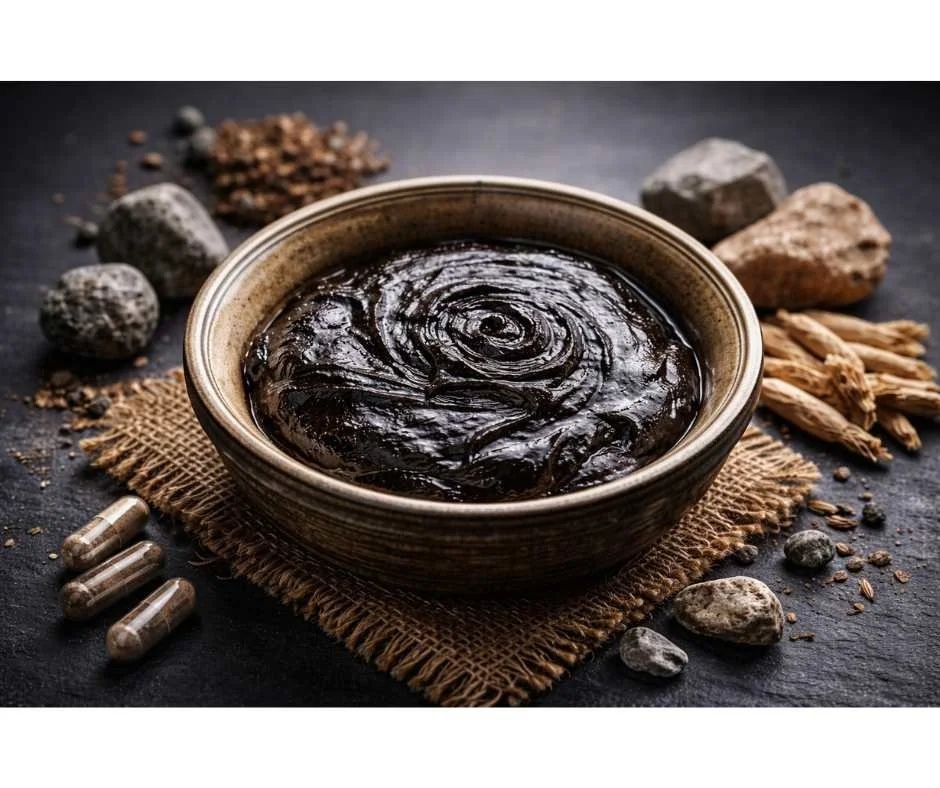
Chronic fatigue, brain fog, hormone imbalance, and poor detox tolerance are among the most persistent and frustrating complaints seen in clinical practice. These symptoms often continue despite “normal” laboratory results, clean diets, and extensive supplement use. In many cases, the underlying issue is not effort or compliance—but impaired mitochondrial energy production and accumulated toxic burden.
Shilajit is a mineral-rich, naturally occurring resin used for centuries in Ayurvedic medicine as a rejuvenative compound for vitality, resilience, and longevity. Modern research increasingly supports this traditional use. Shilajit has been shown to influence mitochondrial ATP production, hormone signaling, detoxification pathways, and cellular repair—core processes that determine long-term metabolic stability and recovery (1).
Unlike stimulants or isolated nutrients, Shilajit functions at the systems level. Its combination of fulvic acid, trace minerals, and bioactive compounds supports cellular energy efficiency, redox balance, endocrine regulation, and toxin mobilization that may interfere with normal metabolic function.
This guide examines the evidence behind Shilajit benefits, its role in ATP production, testosterone and hormone balance, heavy metal detoxification, and when it is appropriate within a structured functional medicine framework.
What Is Shilajit and How Is It Formed?
Shilajit is a naturally occurring, mineral-rich resin formed over centuries through the decomposition and microbial transformation of plant matter trapped within high-altitude mountain rock. Geological pressure, temperature shifts, and environmental exposure gradually concentrate its bioactive compounds into a dense, tar-like substance.
It is most commonly sourced from regions such as the Himalayas and the Altai Mountains, where extreme alpine conditions contribute to high fulvic acid content and mineral density. During warmer months, the resin softens and seeps from rock fissures, where it is carefully harvested and purified for therapeutic use.
In classical Ayurvedic medicine, Shilajit is classified as a rasayana—a rejuvenative compound traditionally used to enhance vitality, resilience, and longevity. It was not prescribed as a stimulant. Instead, it was used to strengthen core physiological systems involved in:
Cellular energy production
Tissue repair and recovery
Stress adaptation
Reproductive vitality
Modern biochemical research aligns with this traditional classification. Shilajit has been shown to influence mitochondrial function, mineral transport across cellular membranes, redox balance, and endocrine signaling pathways—mechanisms that underpin many of its clinically observed effects.
What Are the Active Compounds in Shilajit?
Shilajit is not a single molecule but a complex biological matrix. Its therapeutic properties arise from the interaction of multiple compounds working synergistically.
What Are the Active Compounds in Shilajit?
Fulvic Acid
A low–molecular weight organic acid that enhances mineral transport across cell membranes, supports detoxification processes, and facilitates intracellular nutrient delivery. Fulvic acid also exhibits antioxidant and chelating properties.
Trace Minerals (80+ Identified)
Including magnesium, zinc, selenium, iron, copper, and manganese—critical cofactors for mitochondrial enzymes, hormone synthesis, and antioxidant defense systems.
Humic Substances and Bioactive Compounds
These compounds influence redox signaling, immune modulation, and cellular communication pathways involved in inflammation and metabolic regulation.
This multi-component structure explains why Shilajit functions as systems-level support rather than a narrow, symptom-targeted supplement. Its benefits are mediated through cellular physiology, not superficial stimulation.
Shilajit Resin vs Powder: Which Form Is Most Effective?
Authentic Shilajit is delivered as a purified resin—not a capsule, tablet, or powdered extract.
Many products marketed as “Shilajit” are diluted mineral humates or processed powders that lack the complete fulvic acid–mineral matrix found in natural resin. Processing methods can alter bioactive ratios and reduce therapeutic predictability.
From a clinical perspective, resin is preferred because it:
Preserves the natural fulvic acid–to–mineral ratio
Maintains higher bioavailability
Reduces oxidation and structural degradation
Allows precise micro-dosing
Improves consistency across batches
Product form directly affects absorption, efficacy, and safety—especially when fatigue, high toxic burden, endocrine dysregulation, or neurological symptoms are present.
In therapeutic settings, these distinctions are not cosmetic—they determine whether Shilajit acts as a reliable mitochondrial and mineral support compound or as a diluted supplement with inconsistent effects.
Evidence-Based Health Benefits of Shilajit
Shilajit’s therapeutic value lies in its ability to influence foundational physiological systems—particularly mitochondrial energy production, hormone signaling, detoxification capacity, and immune regulation. Rather than acting as a stimulant or isolated nutrient, it supports cellular processes that govern resilience, repair, and metabolic efficiency.
How Shilajit Supports Mitochondrial Function and ATP Production
One of Shilajit’s most clinically relevant benefits is its ability to support mitochondrial energy metabolism.
Mitochondria generate ATP—the primary energy currency of the cell. When ATP production declines, individuals may experience fatigue, reduced stamina, impaired recovery, and cognitive slowing. Mitochrial dysfunction is increasingly recognized as a central driver of chronic fatigue syndromes and post-viral energy impairment.
Research suggests Shilajit enhances ATP synthesis and may improve CoQ10 activity within the electron transport chain, supporting more efficient oxidative phosphorylation rather than compensating with stimulatory “quick fixes” (2,5).
This mechanism makes Shilajit particularly relevant in cases of:
Chronic fatigue or burnout
Long COVID or post-viral syndromes
Hypothyroid patterns affecting cellular metabolism
Adrenal stress with impaired recovery
Brain fog and reduced exercise tolerance
Instead of masking fatigue, Shilajit supports energy production at the cellular level—where the deficit often originates.
Shilajit for Brain Fog, Memory, and Neuroprotection
Fulvic acid, one of Shilajit’s primary bioactive components, exhibits antioxidant and neuroprotective properties within the central nervous system.
Experimental research suggests fulvic acid may inhibit tau protein aggregation—a process implicated in neurodegenerative conditions such as Alzheimer’s disease—while supporting dopaminergic signaling and neuronal resilience (3,4). These mechanisms are particularly relevant in individuals experiencing chronic inflammation, oxidative stress, or toxin exposure.
Clinically, this may translate to:
Improved focus and mental clarity
Enhanced memory and recall
Reduced cognitive fatigue
Greater stress resilience
By reducing oxidative burden and supporting neuronal repair mechanisms, Shilajit may contribute to long-term brain health and healthy cognitive aging.
Shilajit and Testosterone: Hormone Balance in Men and Women
Shilajit functions as an adaptogenic regulator of endocrine signaling rather than acting as a direct hormonal stimulant.
In men, clinical data demonstrate that purified Shilajit supplementation significantly increased total testosterone levels after 90 days of consistent use (5). Proposed mechanisms include improved mitochondrial efficiency in Leydig cells and enhanced mineral-dependent enzymatic activity.
In women, Shilajit may support:
Estrogen–progesterone balance
Reproductive vitality
Libido
Stress-related hormonal disruption
Because steroid hormone synthesis depends on mitochondrial function and adequate micronutrient availability, Shilajit’s hormonal effects are best understood as system-level endocrine support rather than isolated hormone elevation.
Shilajit for Heavy Metal Detox and Cellular Detoxification
Shilajit plays a supportive role in toxic burden reduction through fulvic acid and humic substances that can bind, mobilize, and facilitate elimination of environmental toxins.
Potential applications include support for clearance of:
Lead, mercury, cadmium, and arsenic
Pesticides and industrial chemicals
Mycotoxins
Persistent environmental pollutants
In addition, Shilajit has been shown to support glutathione activity and hepatic detox pathways—critical for phase I and phase II biotransformation processes (6,7).
Because mobilization without elimination can worsen symptoms, Shilajit is most effective when used within a structured detox protocol that supports drainage and excretion.
→ Detoxification & Environmental Medicine
How Shilajit Supports Gut Integrity and Immune Regulation
The gut–immune interface governs systemic inflammation, metabolic signaling, and immune tolerance. Disruption in gut barrier function can contribute to chronic inflammation and autoimmune activation.
Shilajit has demonstrated immunomodulatory properties, helping regulate inflammatory signaling while maintaining immune competence (8).
Fulvic acid may also support:
Intestinal barrier integrity
Microbial balance
Reduced mucosal inflammation
These effects may be particularly relevant in individuals with dysbiosis, increased intestinal permeability, autoimmune tendencies, or chronic inflammatory conditions.
Why Shilajit Purity and Third-Party Testing Matter

In clinical practice, product quality is not optional—especially when using compounds that influence mitochondrial function, hormone signaling, and detoxification pathways.
Shilajit is highly bioactive. Because it forms within mountain rock over centuries, it can also accumulate environmental contaminants if not properly sourced and purified. Low-quality or diluted products may contain heavy metals, microbial contamination, or altered fulvic acid ratios that compromise both safety and efficacy.
For these reasons, purity, geographic sourcing, and independent testing are critical when selecting a Shilajit product for therapeutic use.
Why We Recommend Black Lotus Shilajit
Black Lotus Shilajit meets the standards required for use within structured functional and integrative medicine protocols.
Key criteria include:
High-altitude sourcing from the Altai Mountains, where environmental conditions concentrate bioactive compounds
Third-party testing for heavy metals, mold, and microbial contamination
True purified resin form, not powder, capsule, or diluted extract
No fillers, additives, or synthetic processing agents
Miron glass packaging, which reduces UV exposure and oxidative degradation
High fulvic acid content with 80+ trace minerals, supporting mitochondrial enzymes, detox pathways, and adaptogenic resilience
These factors directly affect bioavailability, mineral stability, and clinical predictability—particularly in individuals with compromised detox capacity, mitochondrial dysfunction, chronic inflammatory burden, or endocrine instability.
Product form and testing are not cosmetic details; they determine therapeutic reliability.
When Shilajit Is Used in Clinical Protocols
At Denver Sports & Holistic Medicine, Shilajit is not used as a standalone supplement. It is integrated into individualized, systems-based care plans when cellular energy production, toxic burden, or endocrine resilience require support.
It is most commonly incorporated into protocols addressing:
Environmental toxin exposure and detoxification support
Hormone balance and testosterone optimization strategies
Chronic fatigue, burnout, and post-viral syndromes
Brain fog and cognitive resilience
Metabolic flexibility and cellular vitality
In these cases, Shilajit functions as a foundational mitochondrial and mineral support compound while additional targeted therapies address upstream drivers.
When layered appropriately within a structured framework, it enhances resilience at the cellular level rather than masking symptoms.
→ Functional & Integrative Medicine
How to Take Shilajit: Dosage, Timing, and Safety Considerations
When used appropriately, Shilajit is generally well tolerated and can be a valuable component of a systems-based functional medicine protocol. Because it is highly bioactive and influences mitochondrial activity, mineral transport, and detox pathways, proper form, dosing, and quality control are essential.
Shilajit is not a “more is better” supplement. Its effects are dose-dependent and best introduced gradually—particularly in individuals with impaired detox capacity, high toxic burden, or chronic fatigue syndromes.
Recommended Form: Shilajit Resin vs. Powder
Purified resin is the preferred clinical form.
Authentic Shilajit resin preserves the complete fulvic acid–mineral matrix and maintains superior bioavailability compared to powders, capsules, or diluted extracts. Resin allows for:
More precise micro-dosing
Reduced oxidation and degradation
Better mineral stability
Improved clinical predictability
Powdered forms often represent diluted extracts or isolated humic substances and may lack the full biochemical complexity required for therapeutic use.
Shilajit Dosage Guidelines
Dosing depends on clinical goals, metabolic resilience, and toxic burden.
General vitality support:
100–500 mg per day
Therapeutic or targeted use (under practitioner guidance):
Up to 1,000 mg per day
Many individuals respond well to small, consistent daily doses equivalent to a rice-grain–sized amount of resin. Higher doses may increase detox mobilization or overstimulation in sensitive individuals.
Slow titration is preferred when using Shilajit in protocols involving heavy metal detoxification, mold recovery, mitochondrial repair, or hormone regulation.
Best Time to Take Shilajit
For most individuals:
Take in the morning
Use on an empty stomach
Dissolve in warm (not boiling) water or herbal tea
Morning dosing aligns with mitochondrial energy production cycles and may help support sustained daytime energy without overstimulation.
Some individuals may benefit from divided dosing depending on fatigue patterns or hormone protocols.
Can Shilajit Be Combined with Other Supplements?
Yes. Shilajit is frequently paired with:
CoQ10 or mitochondrial support nutrients
Adaptogens
Bioidentical hormone protocols
Detoxification support compounds
Because fulvic acid enhances mineral and nutrient transport across cellular membranes, Shilajit is often used strategically within layered protocols rather than as a standalone supplement.
When combined with detox therapies, care must be taken to ensure adequate drainage, liver support, and elimination capacity to avoid excessive mobilization without clearance.
Safety Considerations
Shilajit is generally well tolerated in healthy adults when purified and third-party tested.
Avoid or use caution if:
Pregnant or breastfeeding
Diagnosed with iron overload (e.g., hemochromatosis)
Taking anticoagulant medications
Experiencing acute gout flares
Quality sourcing is critical. Poorly purified Shilajit may contain heavy metals or microbial contaminants.
When used within a structured clinical framework, Shilajit can support mitochondrial efficiency, hormone signaling, and detox capacity safely and effectively.
When Shilajit Is Appropriate in Clinical Practice
In clinical practice, Shilajit is not used as a standalone supplement. It is integrated strategically into individualized, systems-based care plans based on a patient’s physiology, symptom pattern, and toxic burden.
We most commonly incorporate Shilajit into protocols supporting:
Mitochondrial support for chronic fatigue, long-haul illness, post-viral syndromes, or burnout
Mold detoxification and environmental toxin recovery, particularly when energy production is impaired
Bioidentical hormone and testosterone support protocols
Brain fog and cognitive resilience support
Functional fertility and adrenal restoration plans
In each case, Shilajit is used to support foundational cellular processes while additional therapies address upstream drivers.
Shilajit is a mineral-rich, biologically active compound that bridges traditional medicine and modern functional health science. When used appropriately, it supports energy production, detoxification capacity, hormonal signaling, and cellular resilience—foundational processes that are often impaired in individuals with chronic fatigue, toxic exposure, hormone imbalance, or cognitive symptoms.
Real Healing Starts at the Root
Chronic fatigue, hormone disruption, detox intolerance, and cognitive symptoms rarely exist in isolation. In most cases, they reflect deeper imbalances involving mitochondrial efficiency, toxic load, gut integrity, nervous system regulation, and endocrine signaling.
At Denver Sports & Holistic Medicine, care is designed around identifying and correcting these root drivers—not suppressing symptoms. Shilajit is one of many tools used to support cellular energy and resilience while a comprehensive treatment plan addresses the full physiological picture.
Ready to Feel Like Yourself Again?
Whether you are navigating fatigue, hormone imbalance, chronic stress, or detox challenges, care is focused on helping you rebuild from the inside out—safely, methodically, and with clinical oversight.
You may request a free 15-minute consultation with Dr. Martina Sturm to review your health concerns and outline appropriate next steps within a root-cause, systems-based framework.
Frequently Asked Questions About Shilajit
What Does Shilajit Taste Like and How Do You Take It?
Shilajit resin has a strong, earthy, mineral-rich taste that many describe as bitter or smoky. It is typically dissolved in warm water or herbal tea and taken in small amounts. A rice-grain–sized portion is sufficient for most daily use.
How Long Does It Take for Shilajit to Work?
Energy and focus improvements may appear within 1–2 weeks. Hormonal, mitochondrial, and detox-related benefits typically require 4–8 weeks of consistent use, depending on baseline metabolic function and toxic burden.
Can You Take Shilajit Daily?
Yes. Shilajit is commonly taken daily in small, consistent doses. Long-term use may include periodic cycling or practitioner-guided adjustments depending on clinical goals.
Is Shilajit Safe? Who Should Avoid It?
Purified, third-party–tested Shilajit is generally well tolerated in healthy adults. It should be avoided during pregnancy or breastfeeding. Caution is advised in cases of iron overload disorders or when taking anticoagulant medications.
Can Shilajit Be Combined with Other Supplements?
Yes. Shilajit is often paired with mitochondrial nutrients, adaptogens, or detox support compounds. Because fulvic acid enhances mineral transport, combinations should be structured intentionally rather than layered randomly.
How Do You Know If Shilajit Is High Quality?
High-quality Shilajit is delivered as a purified resin, not a powder or capsule, and is third-party tested for heavy metals, mold, and microbial contamination. Transparency in sourcing and testing is essential for safety and consistency.
Should You Use Shilajit During a Detox Protocol?
Shilajit is frequently incorporated into detox protocols because fulvic acid can bind and mobilize environmental toxins. Detox support should include adequate elimination pathways to prevent redistribution of mobilized toxins.
Still Have Questions?
If the topics above reflect ongoing symptoms or unanswered concerns, a brief conversation can help clarify whether a root-cause approach is appropriate.
Resources
Phytotherapy Research – Shilajit: A Natural Phytocomplex with Potential Procognitive Activity
International Journal of Alzheimer’s Disease – Fulvic Acid as a Potential Therapeutic Agent for Alzheimer’s Disease
Frontiers in Neuroscience – Understanding the Impact of Brain Disorders: Towards a Horizontal Epidemiology of Psychosocial Difficulties and Their Determinants
Journal of Ethnopharmacology – Evidence-Based Efficacy of Adaptogens in Fatigue and Stress-Related Disorders
Andrologia – Clinical Evaluation of Purified Shilajit on Testosterone Levels in Healthy Volunteers
Journal of Trace Elements in Medicine and Biology – Role of Fulvic Acid in Mineral Transport and Cellular Bioavailability
Toxics – Chelation: Harnessing and Enhancing Heavy Metal Detoxification—A Review
International Journal of Molecular Sciences – Molecular Mechanisms of Glutathione Regulation and Detoxification
Nutrients – Mitochondrial Dysfunction, Fatigue, and the Role of Nutritional Interventions
Frontiers in Immunology – Immune Modulation and Inflammation in Chronic Disease
Journal of Environmental Health – Heavy Metal Exposure and Its Impact on Endocrine and Metabolic Health
World Journal of Gastroenterology – Gut Barrier Function, Dysbiosis, and Systemic Inflammation
Oxidative Medicine and Cellular Longevity – Oxidative Stress, Mitochondrial Health, and Cellular Aging
Evidence-Based Complementary and Alternative Medicine – Traditional Uses and Modern Pharmacological Insights into Shilajit
Journal of Functional Foods – Bioactive Compounds in Shilajit and Their Role in Metabolic Regulation